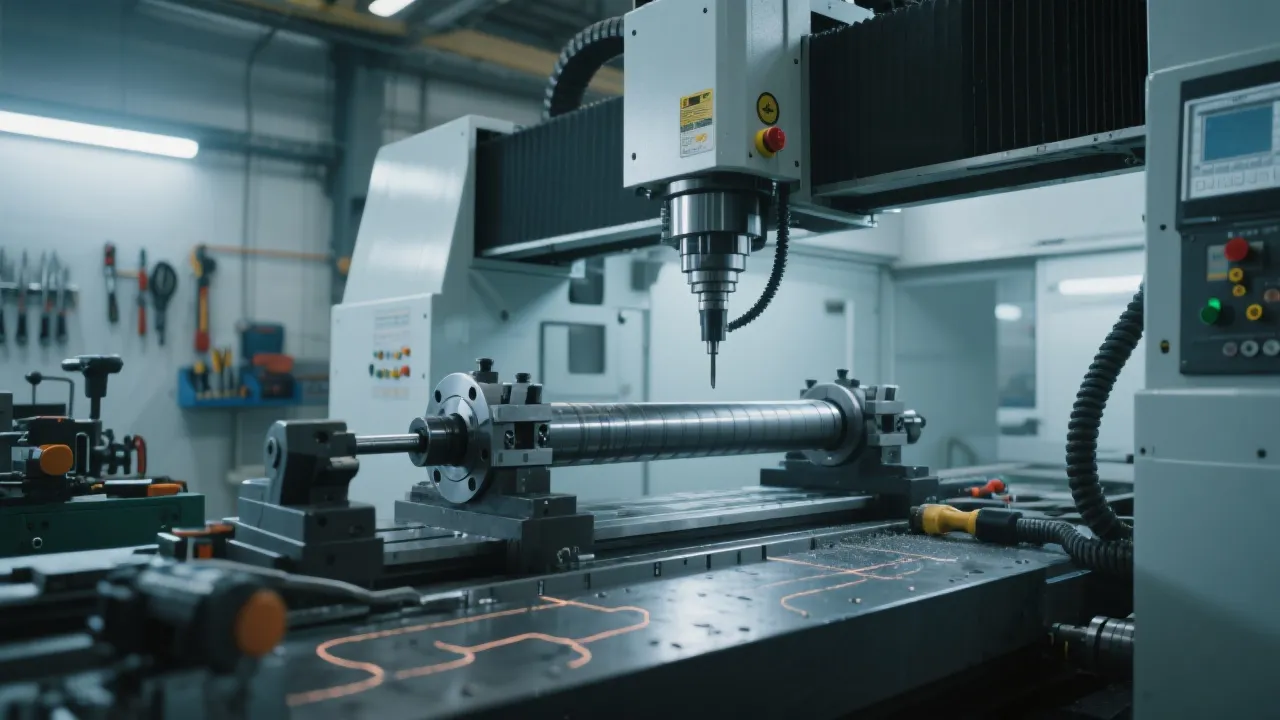
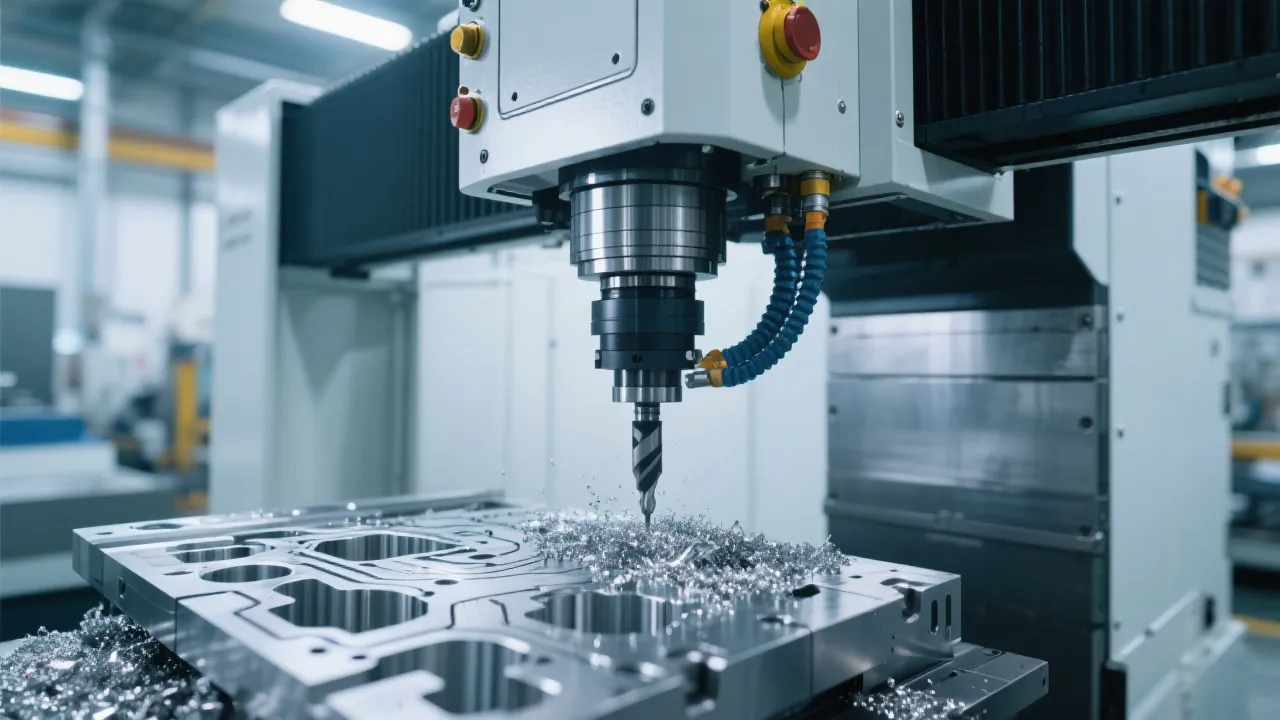
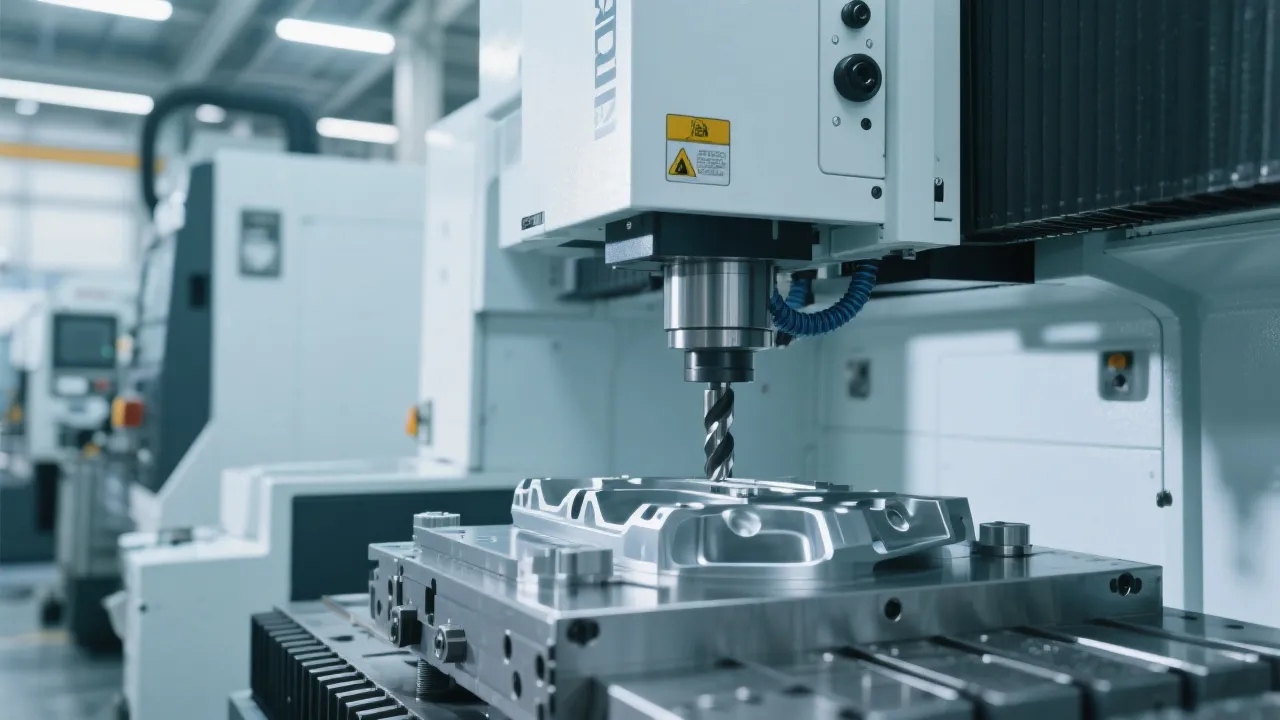
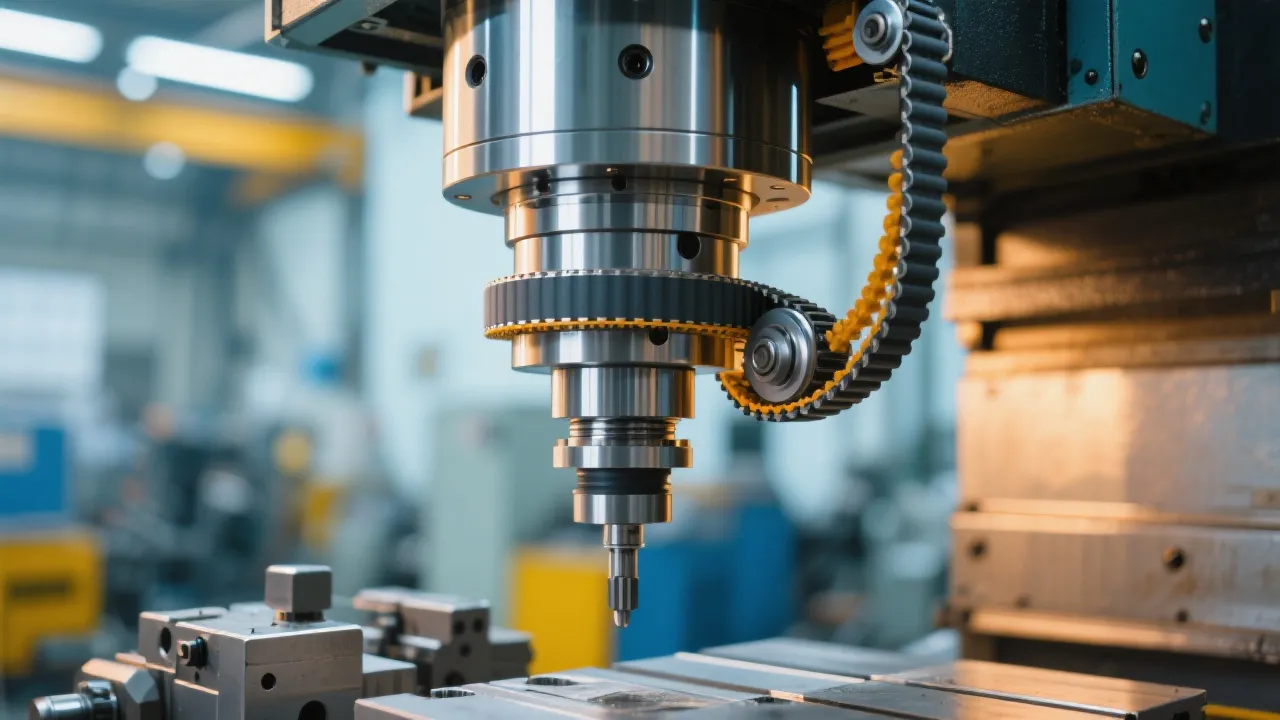
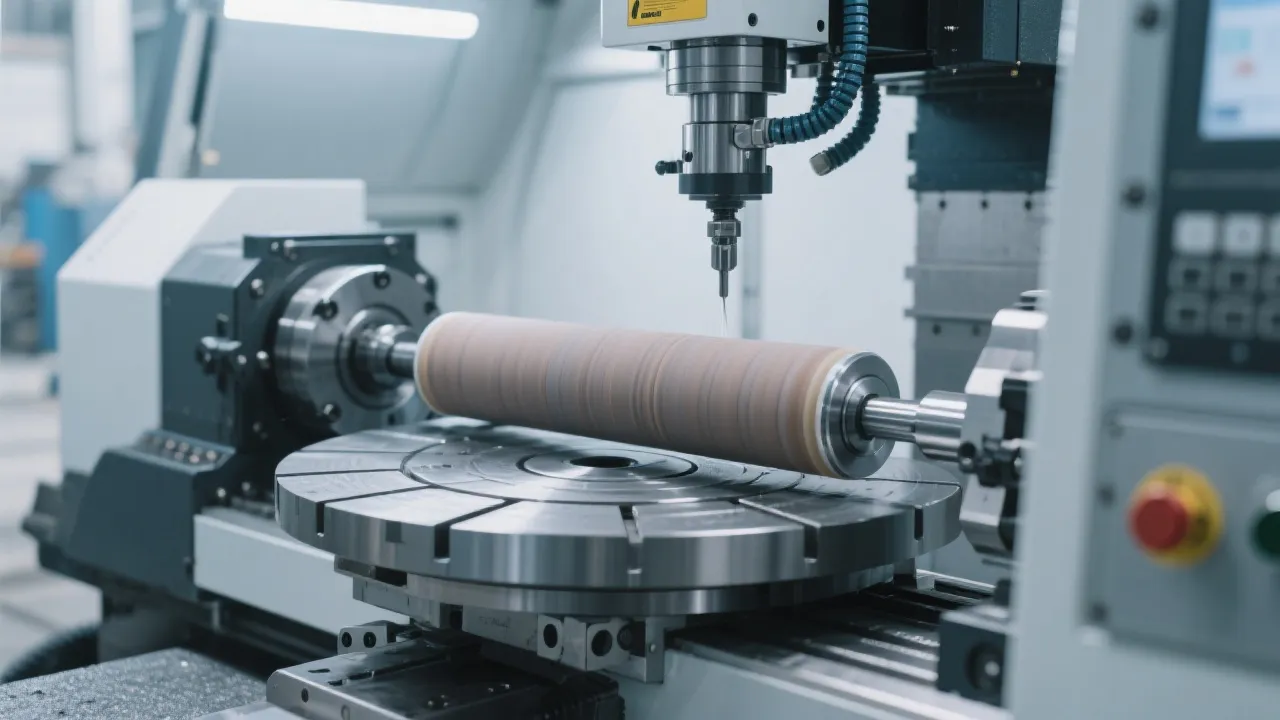
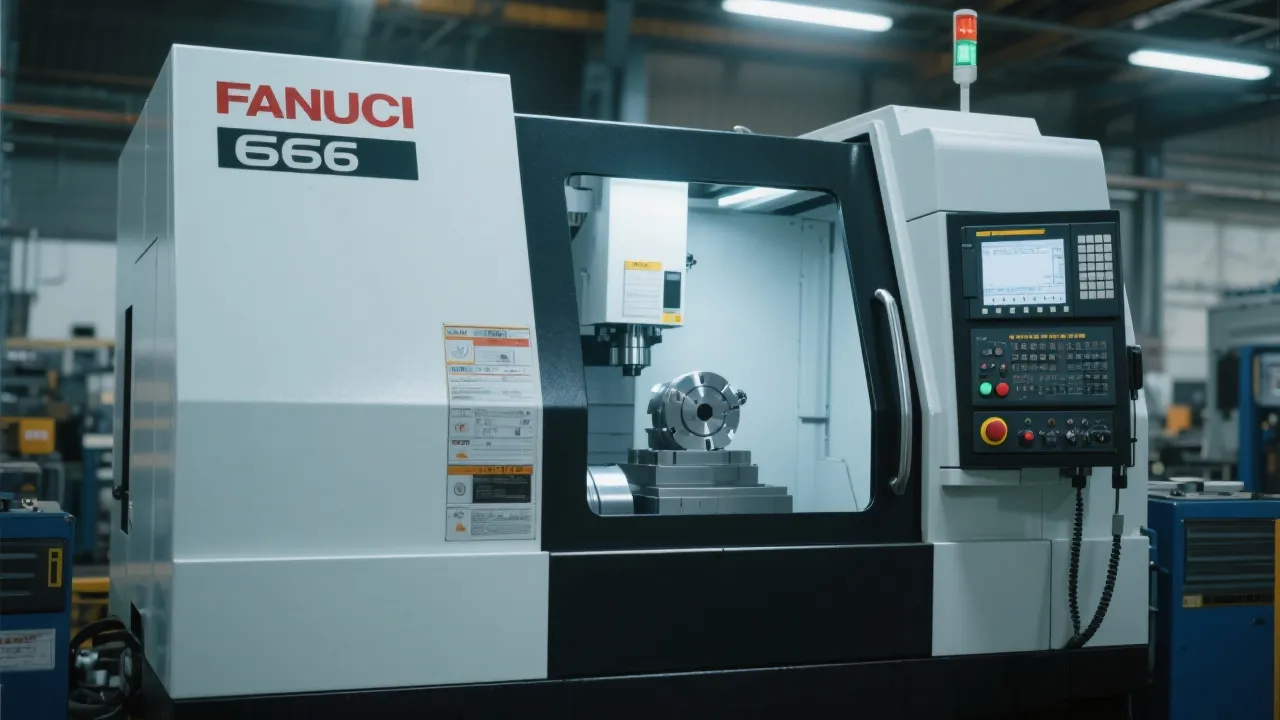
In small - batch production, the quick clamping technology of CNC machining centers directly influences machining accuracy and surface quality. Understanding how this technology works and its practical applications can significantly benefit your manufacturing process. This article will analyze the core impact mechanism, compare different types of clamps, and provide practical solutions through case studies.
The quick clamping technology aims to reduce setup time and improve the consistency of workpiece positioning. A precise clamping system can minimize errors caused by repeated positioning, thereby enhancing machining accuracy. For example, in a small - batch production scenario, reducing the positioning error from 0.05mm to 0.02mm can increase the product's dimensional accuracy by 60%, which is crucial for high - precision components. Moreover, it also has a positive impact on surface quality. Stable clamping can prevent workpiece vibration during machining, resulting in a better surface finish. According to the industry standard ISO 230 - 2, the surface roughness can be improved by up to 30% with proper clamping technology.
There are three main types of clamps commonly used in small - batch production: mechanical clamps, pneumatic clamps, and magnetic clamps. Each has its own advantages and disadvantages, and their applicability varies depending on different workpiece scenarios.
| Clamp Type | Advantages | Disadvantages | Suitable Workpieces |
|---|---|---|---|
| Mechanical Clamps | High clamping force, low cost, simple structure | Long setup time, difficult to adjust | Large and heavy workpieces |
| Pneumatic Clamps | Fast clamping and unclamping, easy to automate | High initial investment, requires air source | Medium - sized workpieces in mass - production short runs |
| Magnetic Clamps | Non - contact clamping, no deformation to workpieces, fast installation | Limited to ferromagnetic materials, relatively low clamping force | Thin - walled and flat workpieces |
Let's look at some real - world examples. In the machining of mold parts, mechanical clamps are often used due to their high clamping force. However, by pre - adjusting the mechanical clamp, the number of trial cuts can be reduced by up to 50%, which greatly saves time and improves efficiency. For thin - walled structural parts, magnetic clamps are a better choice. They can prevent deformation of the thin - walled parts, ensuring that the wall thickness deviation is controlled within 0.01mm, thus improving dimensional accuracy and surface quality.
To effectively control clamping errors, you need to pay attention to factors such as the clamping force, clamping position, and the flatness of the clamping surface. By optimizing the process parameters, including cutting speed, feed rate, and depth of cut, you can further improve machining accuracy and surface quality. For example, reducing the cutting speed by 20% and increasing the feed rate by 10% can sometimes result in a smoother surface finish.
Implementing quick clamping technology can bring comprehensive benefits to your manufacturing business. It can significantly shorten the change - over time, for instance, reducing it from 1 hour to 15 minutes in some cases. This directly leads to higher productivity. Additionally, by improving the product's dimensional accuracy and surface quality, the良品率 (good product ratio) can be increased by 20% - 30%, which means lower costs and more competitive products in the market.
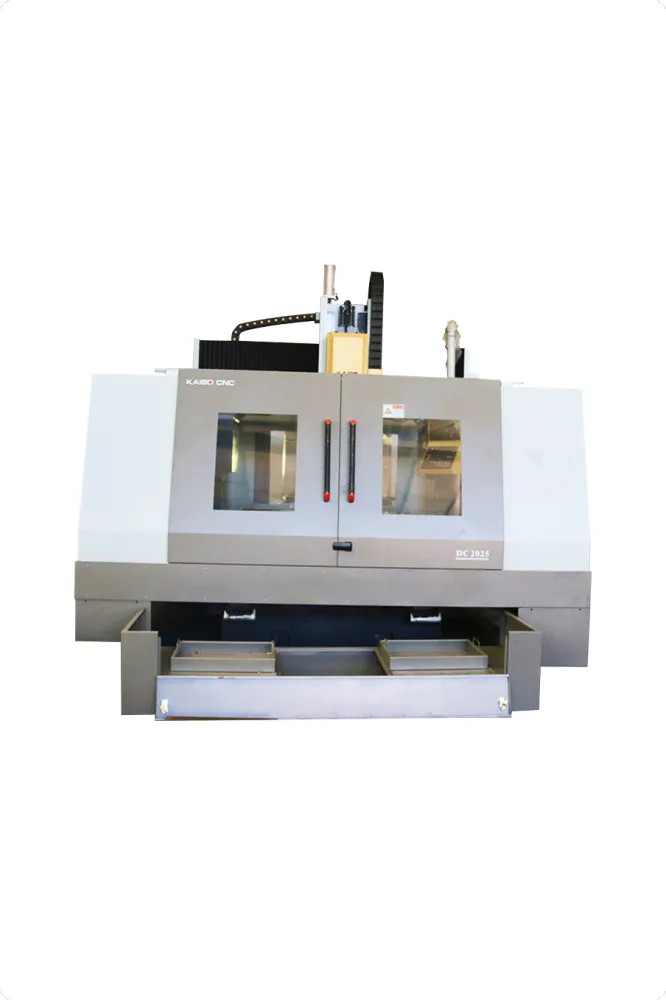
Our product, GJ8070, supports multiple quick clamping solutions, which can help you optimize your machining process and achieve high - efficiency and flexible production. If you're looking for a reliable way to improve your manufacturing accuracy and quality, click here to learn more about GJ8070 and how it can transform your production line.