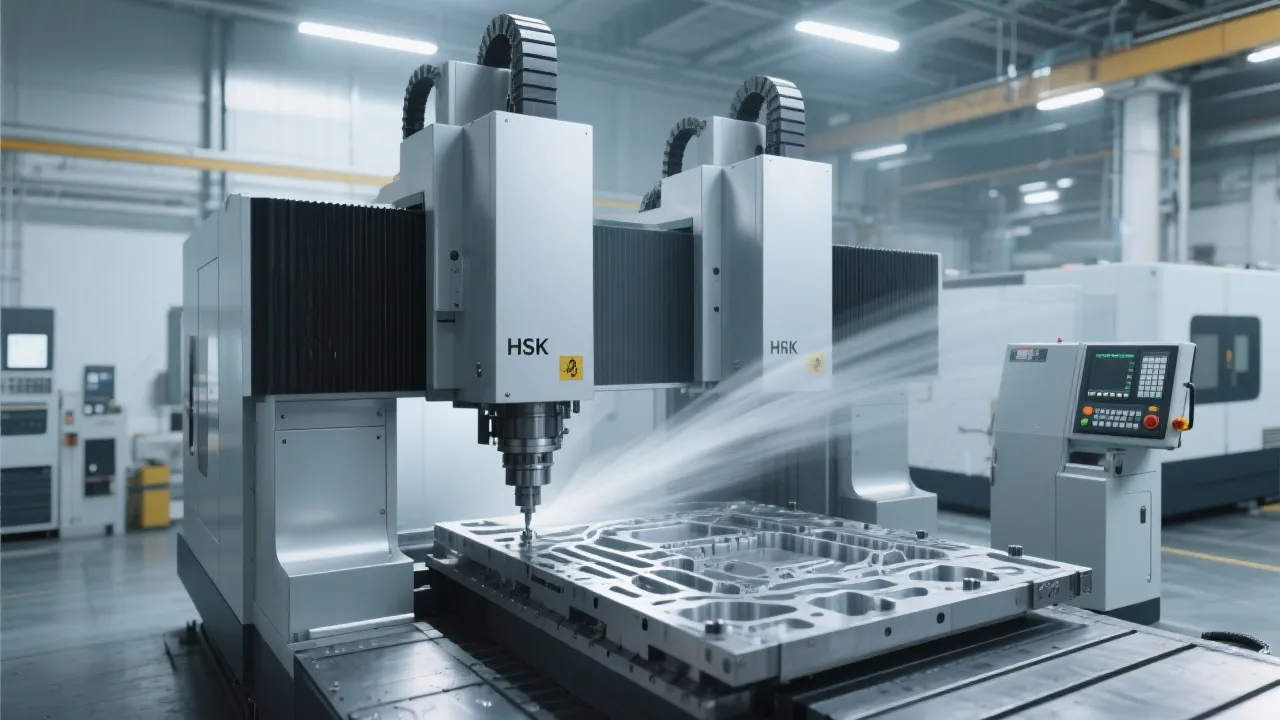
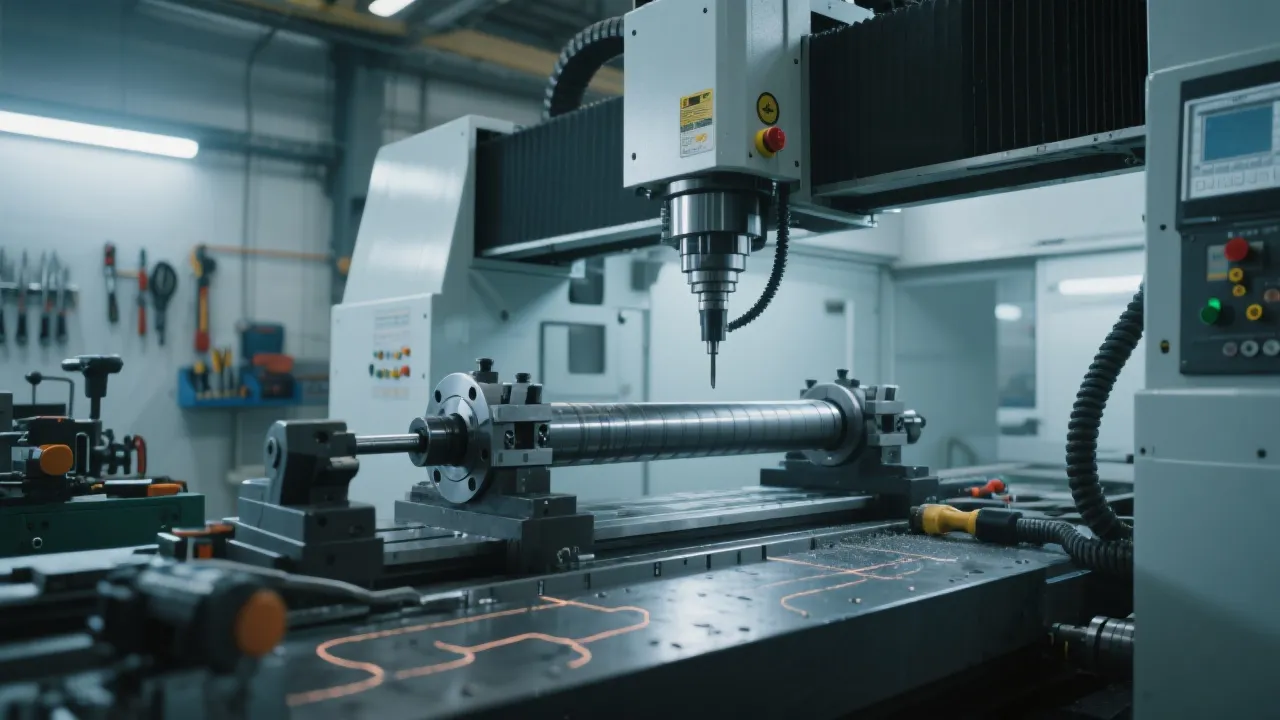
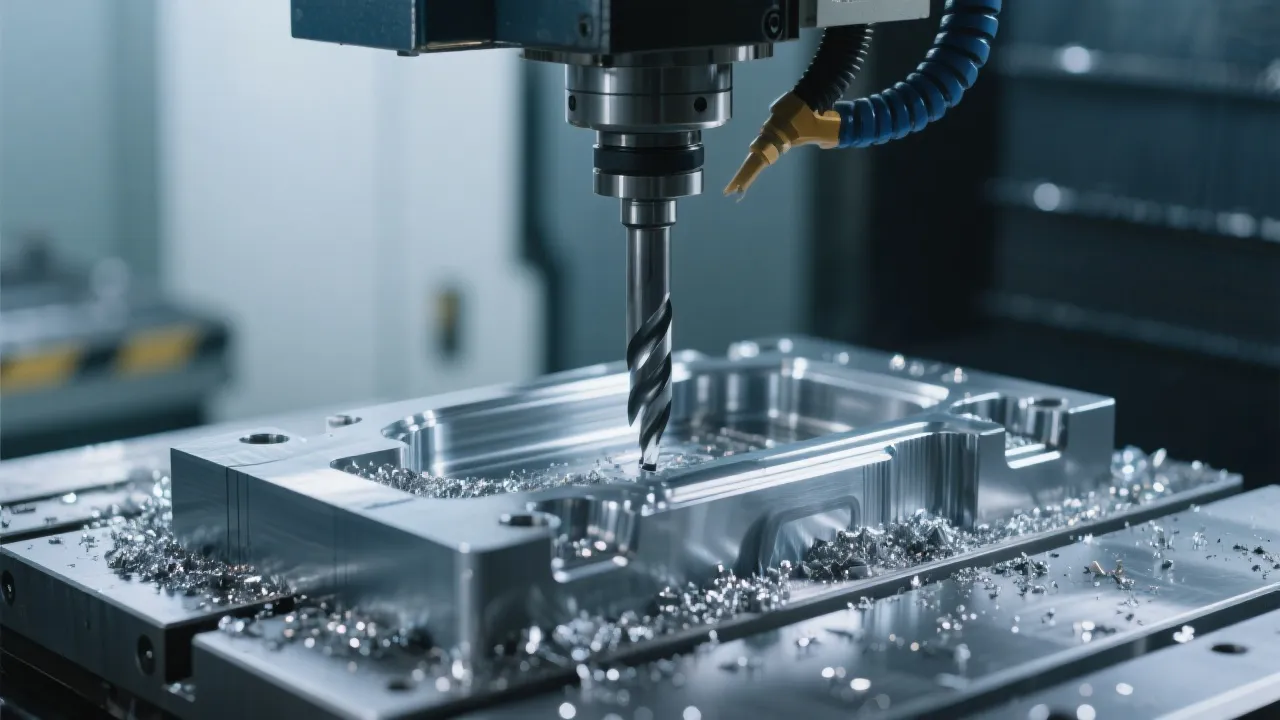
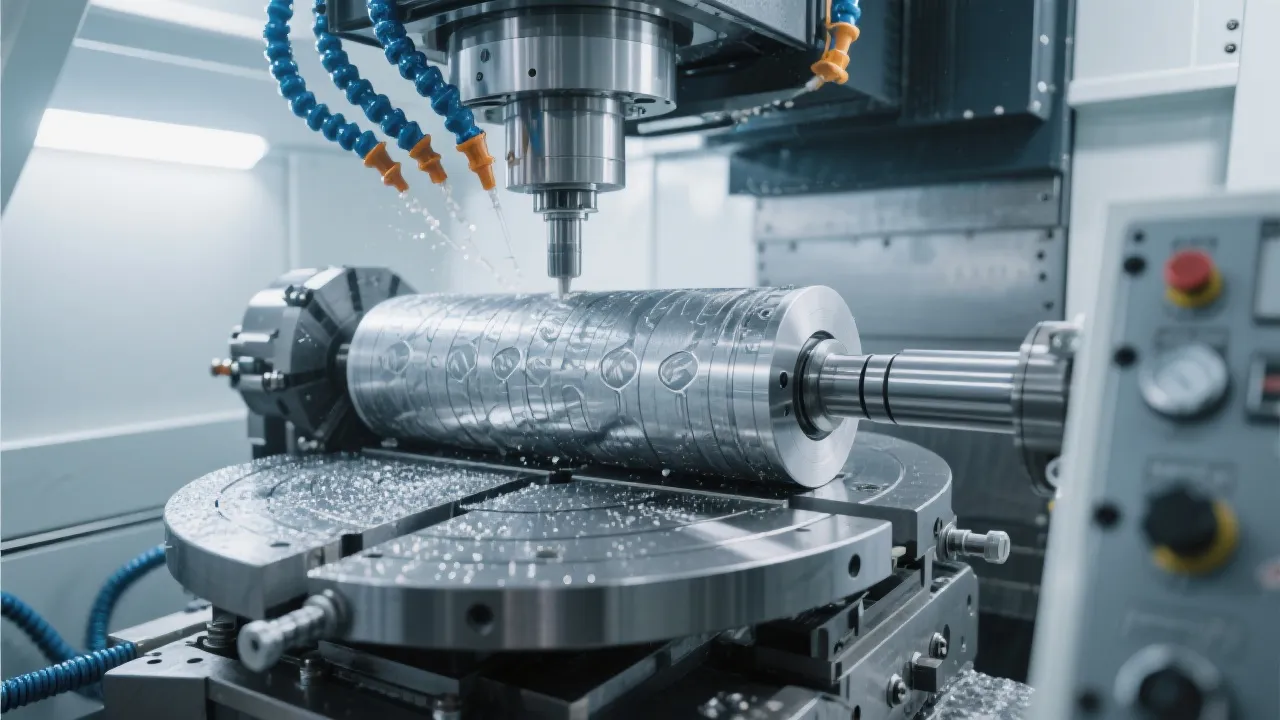
For manufacturers handling diverse international orders—especially those in the low-to-mid volume range—efficiency isn’t just about speed. It’s about minimizing setup time while maximizing precision. At Ningbo Kaibo CNC Machinery Co., Ltd., their high-speed milling machine model GJ8070 offers three proven clamping methods: mechanical, pneumatic, and magnetic. Each serves unique needs in small-batch production environments where flexibility meets quality.
| Clamp Type | Setup Time (Avg.) | Precision Impact | Best For |
|---|---|---|---|
| Mechanical Clamp | 3–5 min | High (±0.02 mm) | Prototypes & Medium Runs |
| Pneumatic Clamp | 1–2 min | Very High (±0.01 mm) | High-Frequency Orders |
| Magnetic Clamp | Under 1 min | Moderate (±0.03 mm) | Flat Parts & Rapid Changeovers |
Real-world data from a German automotive supplier using the GJ8070 shows that switching to pneumatic clamps reduced average setup time by 42% across 12 different part types—without sacrificing surface finish or dimensional accuracy.
Even with advanced clamps, improper technique can cause inconsistencies. Here are two actionable tips used by top-tier shops:
In one case study involving a U.S.-based aerospace component manufacturer, implementing these techniques cut scrap rates from 8% to under 2% over six months—proving that small adjustments make big differences in profitability.
Want to see how the GJ8070 integrates all three clamping systems seamlessly? Click below to explore real-world setups, video demos, and technical specs tailored for global buyers.