You’re probably sitting in your shop right now, staring at a batch of parts that just won’t meet the tolerance you promised. Or maybe your setup time is killing your throughput—especially when running small batches. If so, it’s not your operators or machines. It’s likely the fixturing system.
| Type | Best For | Pros | Cons |
|---|---|---|---|
| Mechanical Clamp | Steel, Aluminum (medium rigidity) | Low cost, easy to maintain | Manual adjustment needed, higher variation |
| Pneumatic | High-volume or repetitive jobs | Fast cycle time, consistent pressure | Requires air supply, maintenance overhead |
| Magnetic | Soft materials like brass or thin-walled parts | No physical contact, minimal distortion | Not suitable for ferrous metals |
In one real-world test at a mid-sized mold shop, switching from manual clamps to pneumatic fixtures reduced average setup time from 27 minutes to 9 minutes per job—and improved Ra (surface roughness) from 3.2 μm to 1.8 μm. That’s a 44% improvement in surface finish without changing tools or speeds.
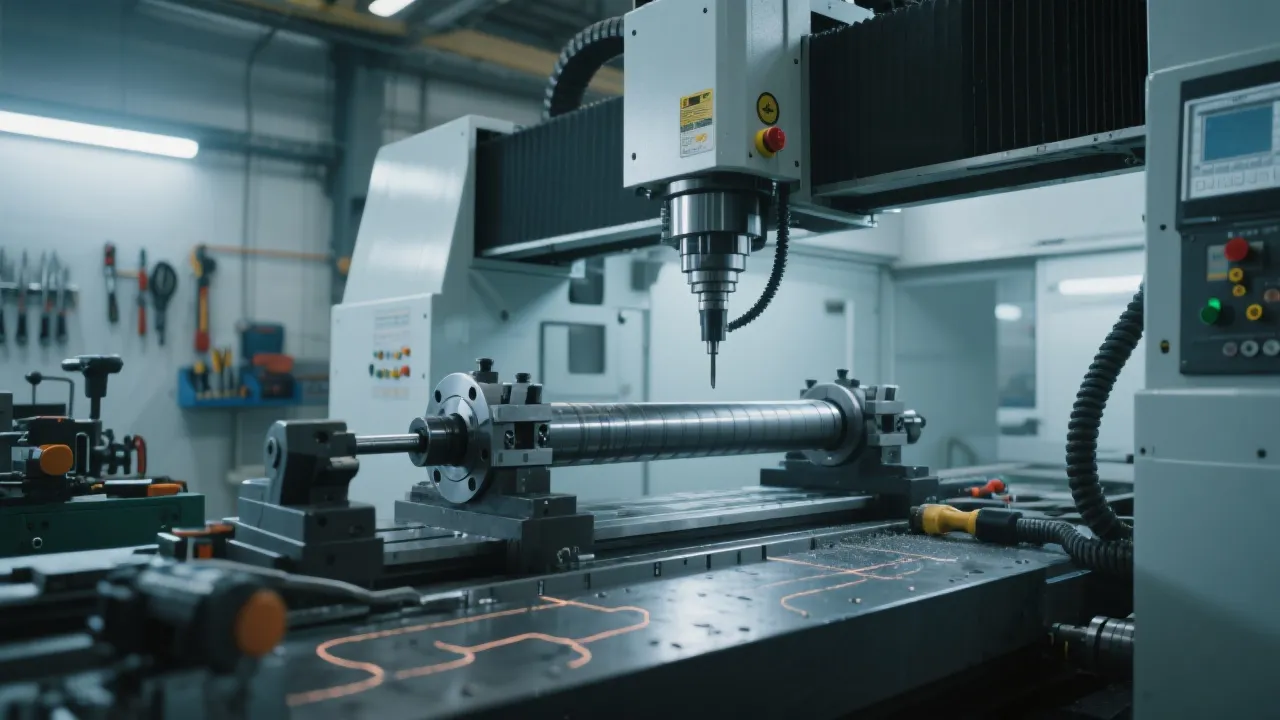
If you're still doing trial cuts after every changeover, you're wasting material and time. Use pre-adjusted fixture blocks or modular setups that match known part geometries. For example, if you frequently machine aluminum brackets with two holes, create a custom jig that locks both points simultaneously—no measuring required.
And for thin-walled components? Don't over-tighten. A study by the University of Michigan found that applying >15 N·m torque on a 5mm-thick aluminum bracket caused deformation up to 0.08 mm—enough to fail GD&T specs. Stick to 8–10 N·m for best results.
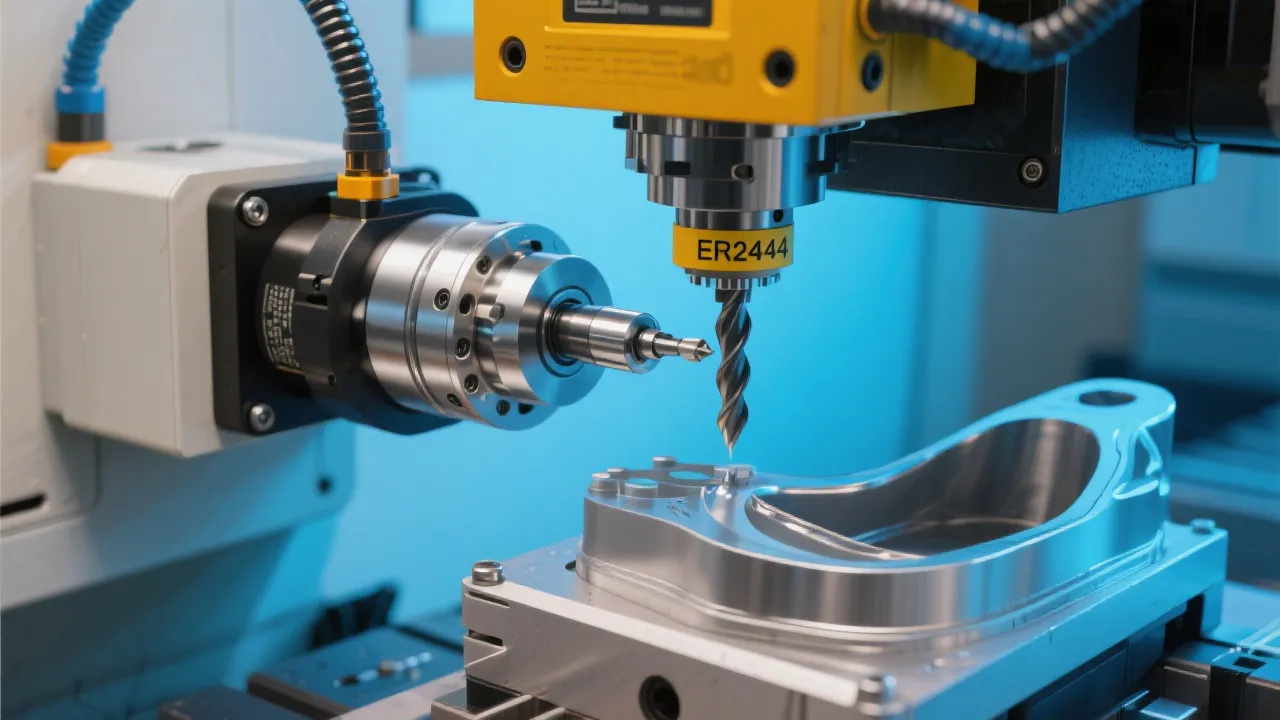
CTA: Ready to boost precision while slashing setup times? Explore how the GJ8070 High-Precision CNC Milling Machine supports multiple quick-change fixturing systems—from HSK interfaces to magnetic bases—so you can adapt fast, produce cleaner, and ship faster.
See How GJ8070 Enables Rapid Changeovers





 <#else>