In small - batch production, have you ever wondered if the high scrap rate is caused by the clamping deformation of thin - walled parts? This is a common headache for many process engineers and operators in small and medium - sized manufacturing enterprises. In CNC machining, thin - walled parts are prone to clamping deformation due to their poor rigidity, which seriously affects the accuracy and yield.
There are several main reasons for the deformation of thin - walled parts. First, the material characteristics of thin - walled parts themselves are a key factor. They usually have low stiffness, making them more susceptible to external forces. Second, uneven distribution of clamping force is also a major culprit. When the clamping force is concentrated in some areas, it can easily cause local deformation. Finally, unstable positioning is another reason. If the positioning of the thin - walled part is not accurate, it will lead to inconsistent force during clamping, resulting in deformation.
To avoid over - pressure deformation, you need to precisely control the clamping force. Over - clamping can cause the thin - walled part to deform, while insufficient clamping may lead to instability during processing. You can use force - measuring devices to ensure that the clamping force is within a reasonable range. For example, through experiments, it is found that for a certain type of thin - walled aluminum alloy part, when the clamping force is controlled between 50 - 80 N, the deformation rate can be effectively reduced from 15% to less than 5%.
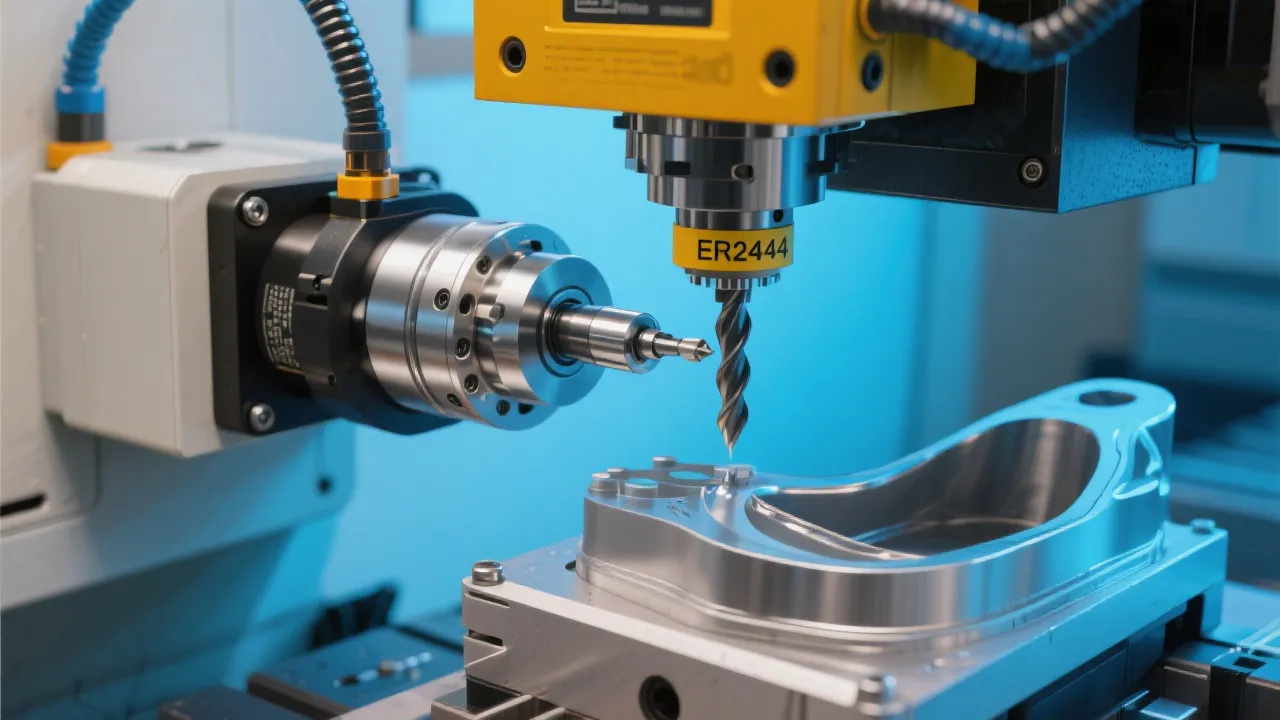
There are two main methods for fixture contact point layout: the three - point positioning method and multi - point support. The three - point positioning method provides a stable and simple positioning, which is suitable for parts with relatively regular shapes. However, for complex - shaped thin - walled parts, multi - point support can better distribute the clamping force and reduce deformation. For instance, in the processing of a thin - walled plastic part, using multi - point support can reduce the deformation by about 30% compared with the three - point positioning method.
Pre - adjusted fixtures or modular quick - change systems can significantly improve the efficiency of clamping. These systems can be pre - set according to the requirements of different parts, reducing the adjustment time during processing. For example, a modular quick - change system can reduce the clamping time from 10 minutes to 2 minutes, greatly improving the production efficiency.
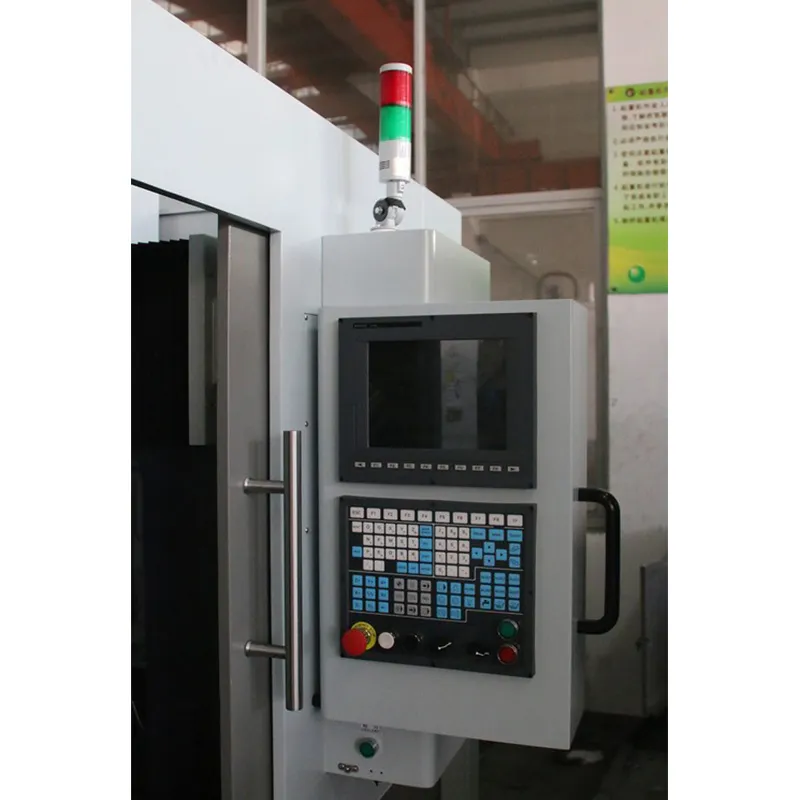
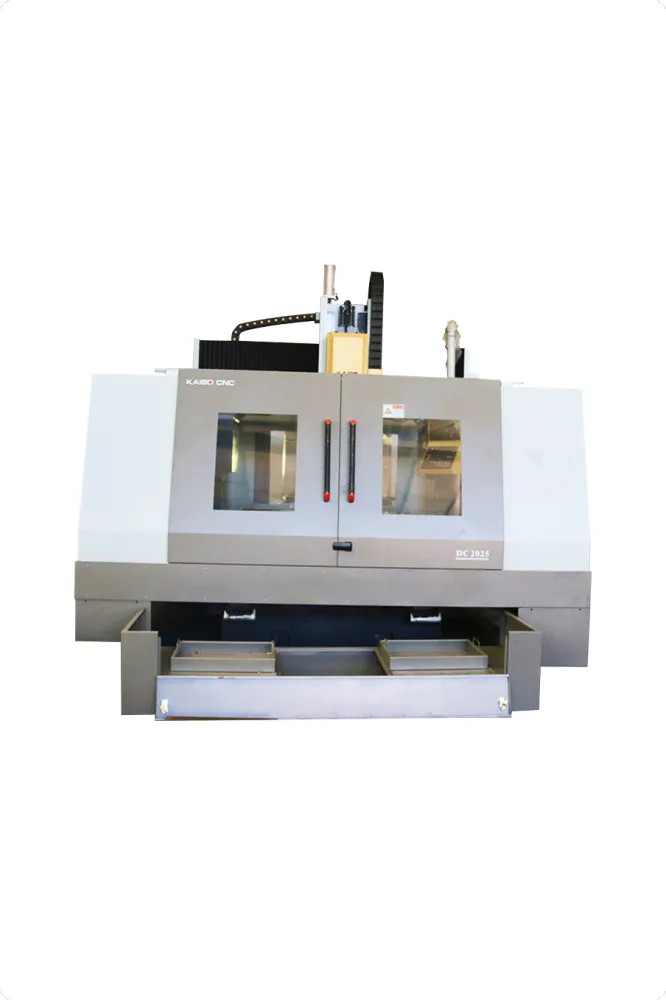
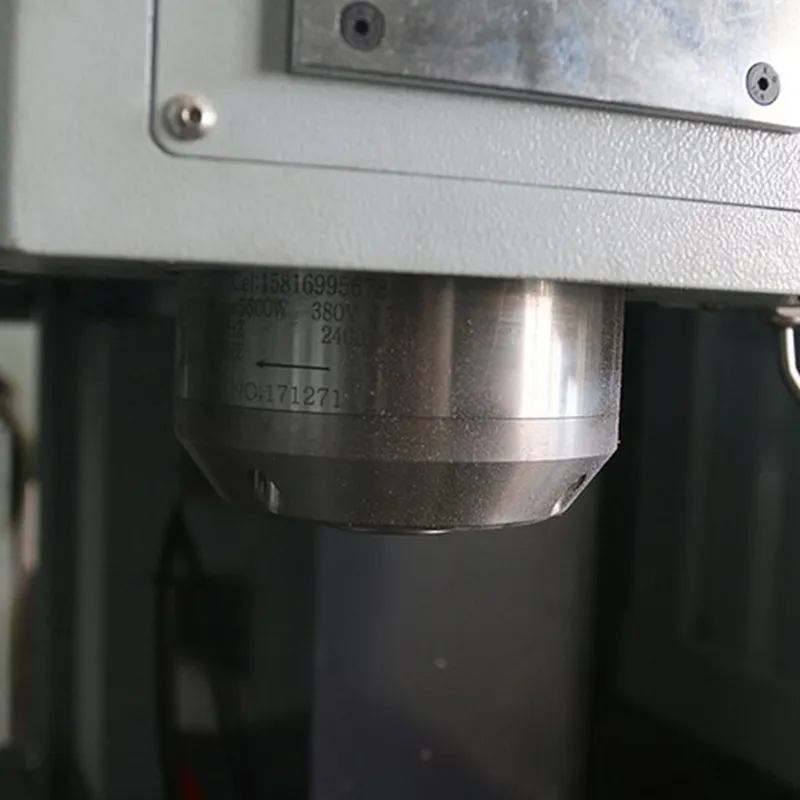
Let's take a look at a real - world case. A mold factory used the GJ8070 high - speed vertical machining center with a pneumatic fixture. Before using these techniques, the yield of their thin - walled part processing was only 82%. After applying the above three practical skills, the yield increased to 96%. The GJ8070, equipped with a Fanuc control system and an HSK spindle, is more suitable for the stable processing of precision thin - walled parts. It can achieve high - precision mold processing and efficient small - batch production at the same time.
You may be wondering if these skills can be applied to your specific situation. Have you encountered any fixture problems in practice? Share your experiences in the comments below.
If you want to know more about how the GJ8070 can support various quick - clamping solutions and help you improve the quality and efficiency of your processing, click here to learn more.





 <#else>