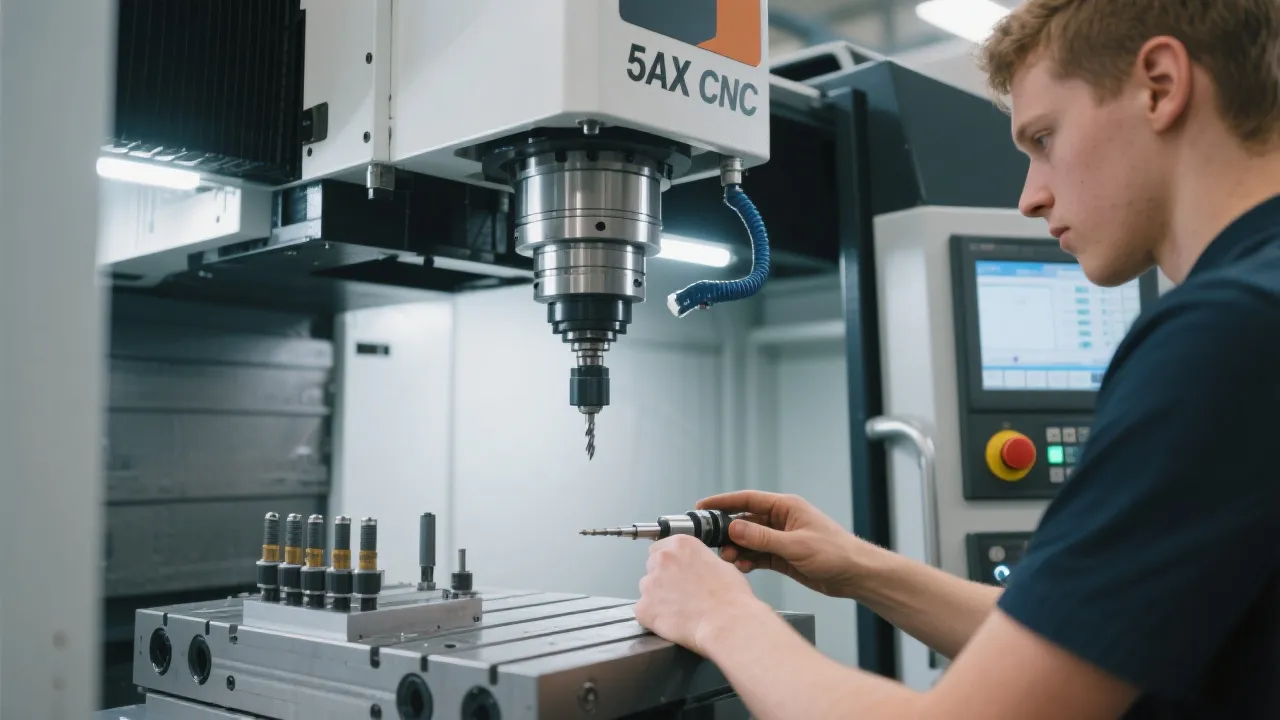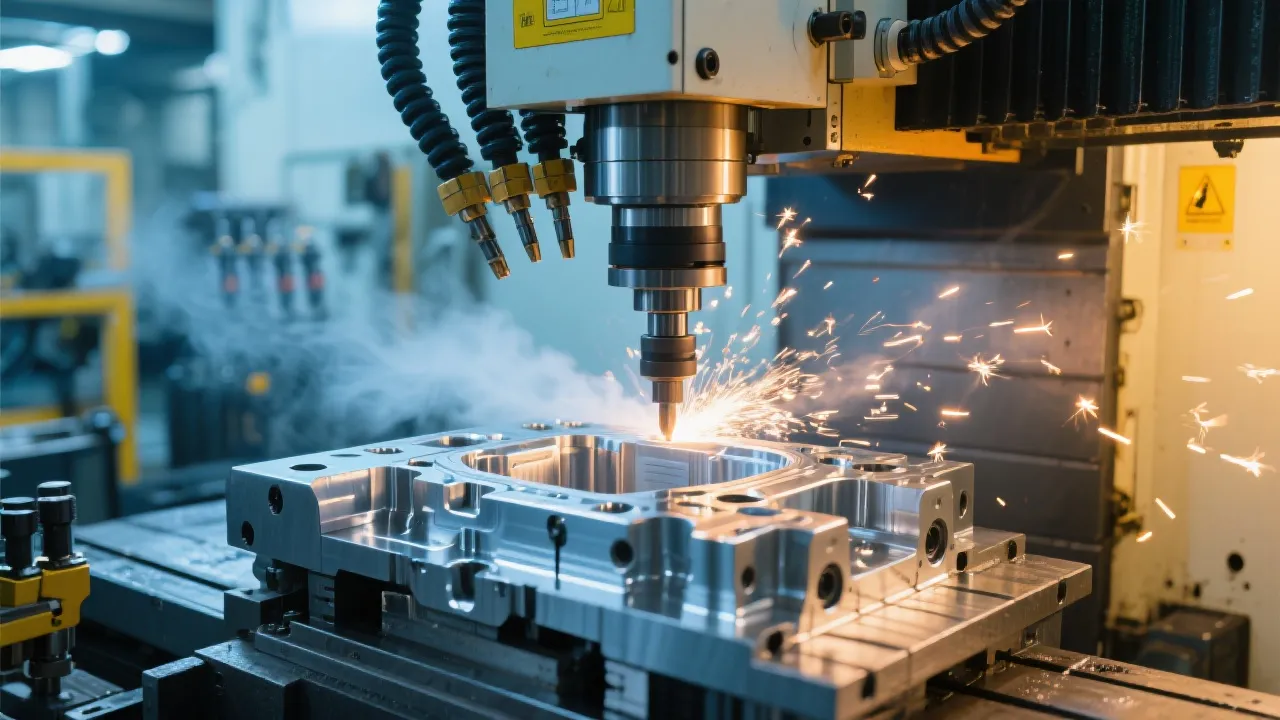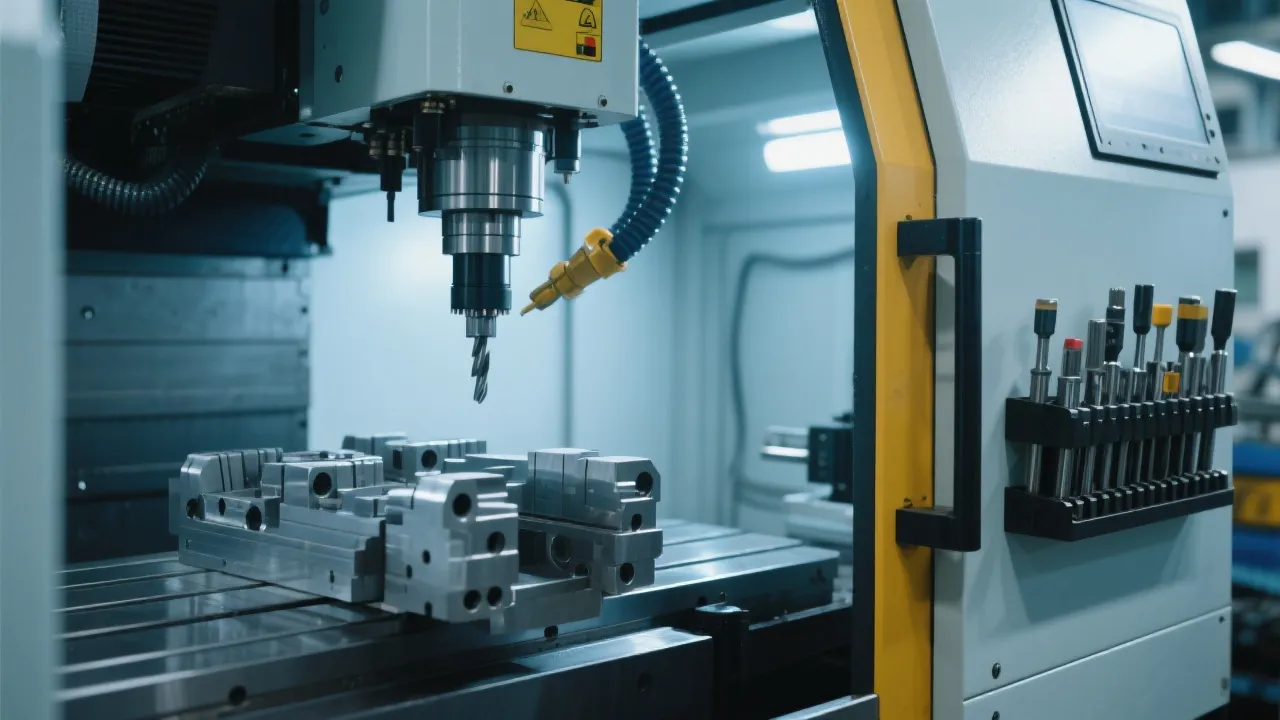
In the precision manufacturing landscape, achieving optimal results when machining different materials demands more than just technical know-how—it requires a strategic understanding of material behavior and machine capabilities. Kebo CNC has spent years refining the art of copper electrode CNC milling across diverse materials, helping manufacturers overcome the unique challenges presented by aluminum alloys, stainless steels, and high-strength alloys. This technical guide explores the critical parameters that separate mediocre results from industry-leading precision and efficiency.
Before adjusting a single parameter, understanding the fundamental characteristics of your workpiece material is essential. Aluminum alloys (6061, 7075) typically exhibit 30-50% lower hardness (80-150 HB) compared to stainless steel (304: 150-200 HB) and high-strength alloys (4140: 200-300 HB). This fundamental difference directly impacts cutting forces, heat generation, and tool wear patterns.
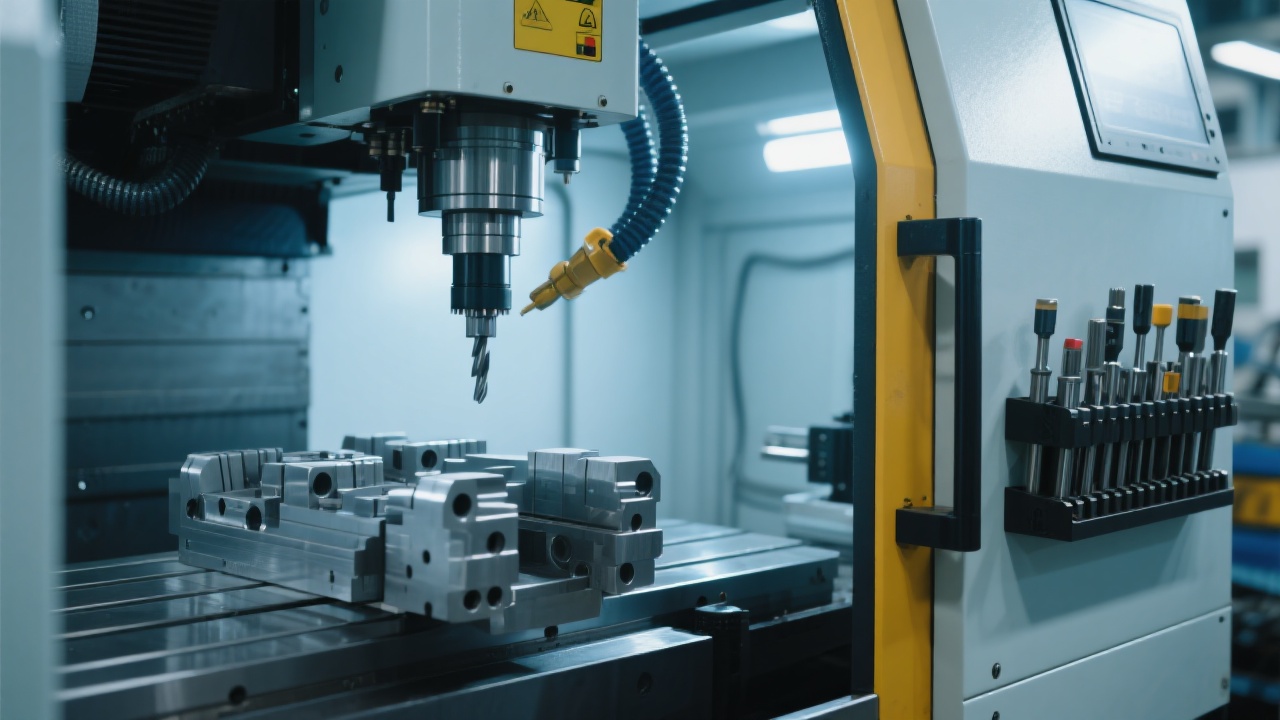
Thermal conductivity further complicates matters—aluminum (167 W/m·K) dissipates heat 15-20 times faster than stainless steel (16 W/m·K), affecting chip formation and tool life differently. These material-specific behaviors demand tailored approaches to spindle speed, feed rate, and depth of cut.
| Material | Spindle Speed (RPM) | Feed Rate (mm/min) | Depth of Cut (mm) | Optimal Tool Material |
|---|---|---|---|---|
| Aluminum Alloys | 3,000-6,000 | 1,500-3,000 | 0.5-2.0 | Uncoated carbide, TiAlN coated |
| Stainless Steel | 800-2,000 | 400-1,000 | 0.2-0.8 | CVD diamond, CBN |
| High-Strength Alloy Steel | 500-1,500 | 200-600 | 0.1-0.5 | Ceramic, PCBN |
"When transitioning from aluminum to 4140 steel, we initially maintained similar parameters and experienced 70% tool failure within 30 minutes," notes Michael Chen, Senior Process Engineer at a leading mold manufacturer. "By reducing spindle speed from 4,500 to 1,200 RPM, decreasing feed rate by 65%, and switching to ceramic inserts, we extended tool life to 8 hours while improving surface finish from Ra 3.2 to Ra 1.6."
Key lesson: Material hardness directly correlates with required parameter reduction—each 100 HB increase typically demands 30-40% lower speed and feed rates.
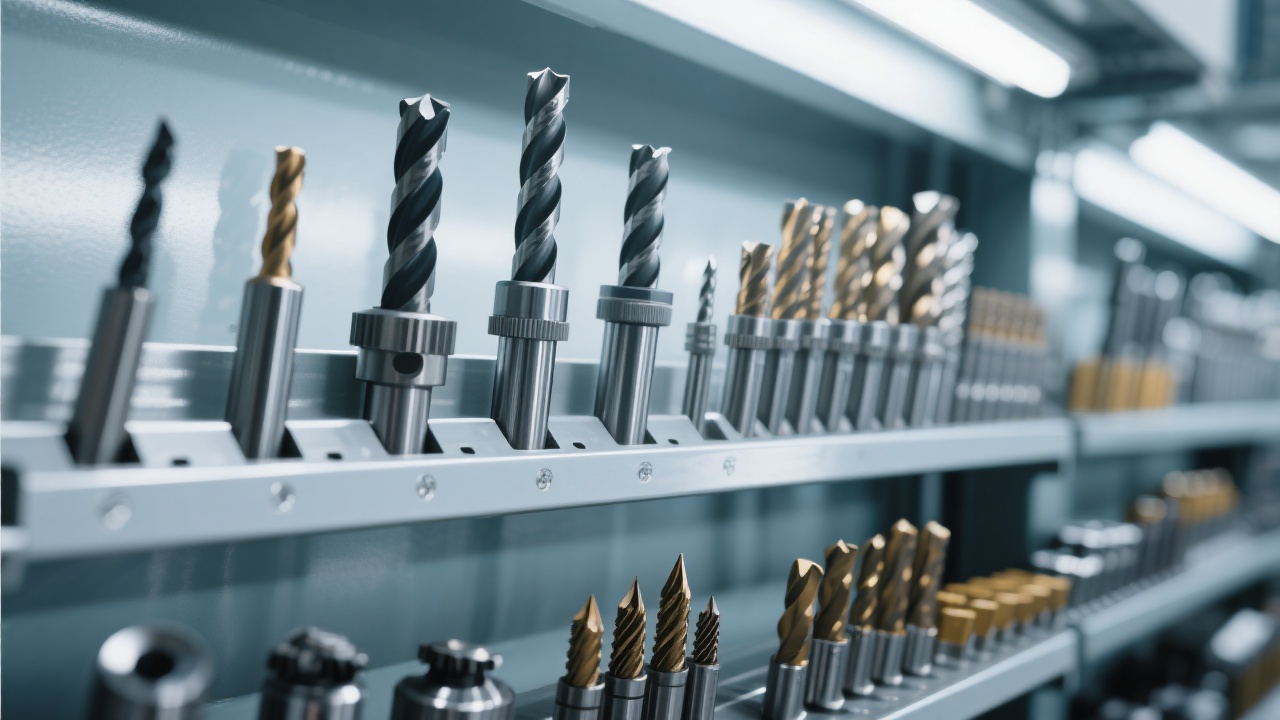
The right cutting tool becomes exponentially more critical when machining harder materials. For aluminum, uncoated carbide tools with high rake angles (15-20°) reduce cutting forces and prevent chip welding. In contrast, stainless steel benefits from positive rake geometries with polished flutes to minimize work hardening—a common issue that can increase tool wear by up to 40% if not properly addressed.
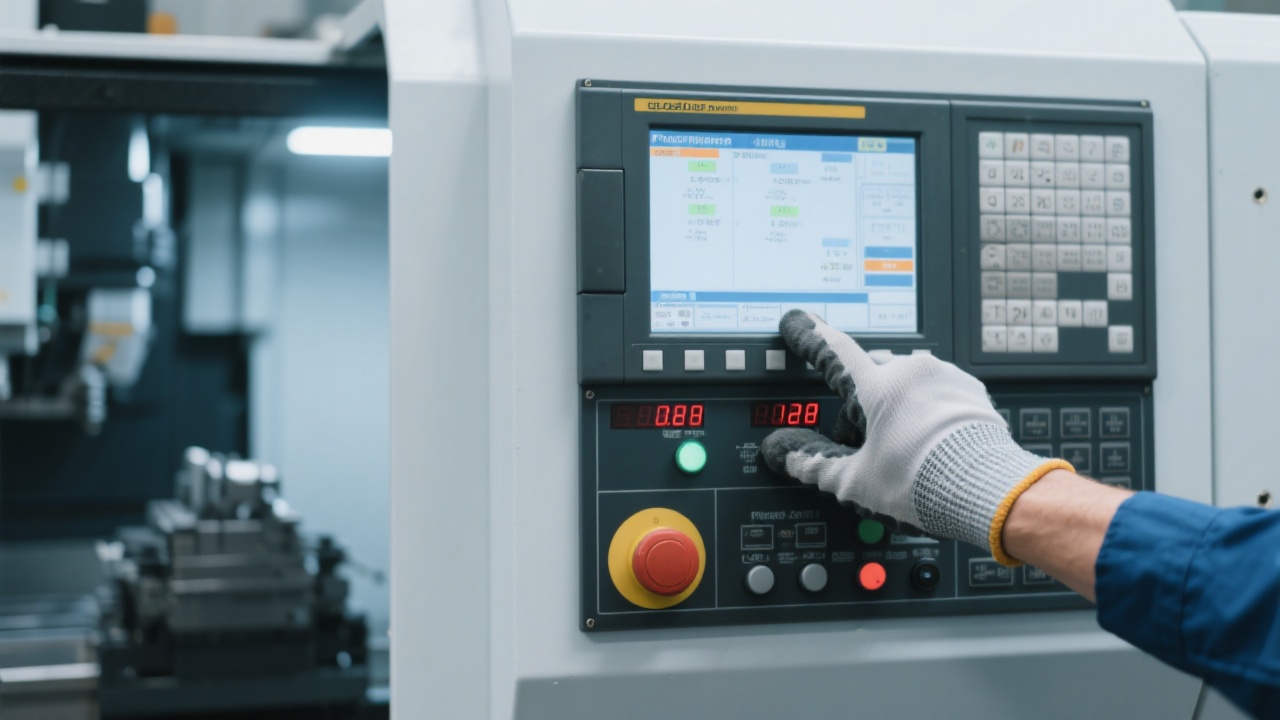
Tool path strategies同样重要。Climb milling (down milling) proves superior for aluminum, reducing tool pressure by 20-30% compared to conventional milling. For steel alloys, however, a balanced approach with trochoidal milling can extend tool life by distributing wear more evenly. Kebo CNC's advanced control systems include specialized macros that automatically adjust these paths based on material selection, reducing programming time by up to 45%.
Preventing these issues requires a proactive approach. For aluminum, using through-tool coolant at 7-10 bar pressure combined with chip breakers can eliminate 90% of evacuation problems. When machining steel, maintaining consistent cutting speeds and avoiding interruptions in the cut prevents work hardening. Kebo CNC's thermal compensation system automatically adjusts for temperature-induced machine expansion, maintaining precision even during extended production runs.
Download our exclusive Material-Specific Machining Guide to access Kebo CNC's proprietary parameter settings and process optimization strategies that have helped manufacturers achieve up to 40% higher productivity and 50% longer tool life.
Get Your Free Optimization Guide NowEvery material presents unique challenges, but with the right knowledge and equipment, these challenges become opportunities for competitive advantage. By understanding how aluminum, stainless steel, and high-strength alloys respond to different cutting parameters, manufacturers can unlock new levels of efficiency, precision, and profitability. The key lies not in memorizing numbers, but in developing an intuitive sense of how material properties interact with machining processes—a skill that separates industry leaders from the competition.