
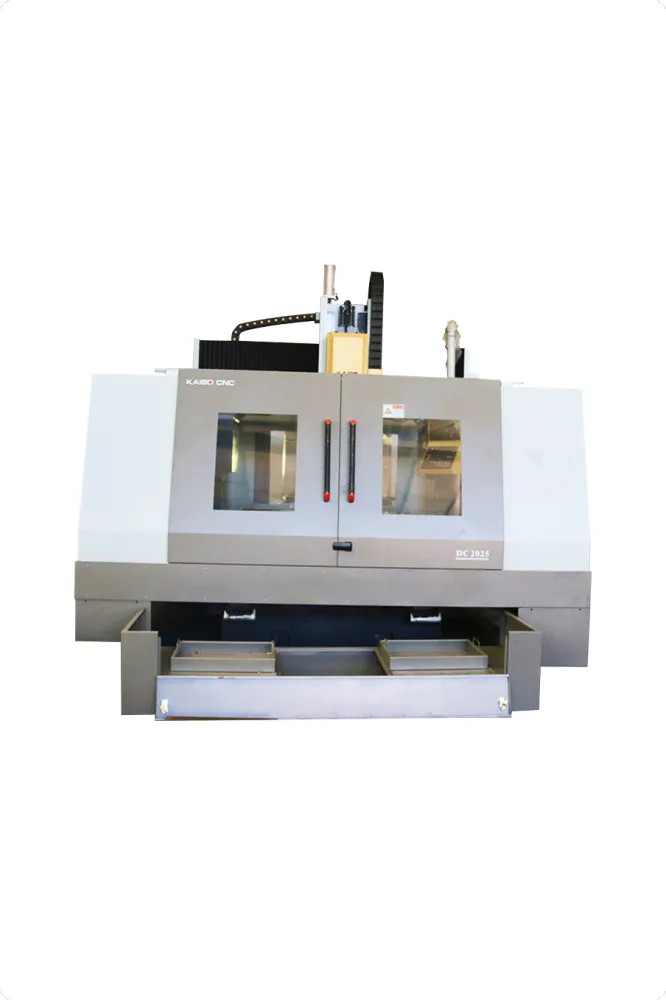
For manufacturers in the automotive and mold-making industries, consistent uptime is non-negotiable. At Ningbo Kaibo CNC Machinery Co., Ltd., we know that a well-maintained DC1317 CNC milling machine can run reliably for over 10 years with proper care—versus just 4–6 years under neglect. This guide dives into two critical maintenance tasks: guide rail lubrication scheduling and ball screw backlash detection, both essential for precision and longevity.
Many operators overlook this step until vibration or noise appears—but by then, wear has already begun. The key? A structured schedule based on usage intensity:
Failure to follow this plan increases friction-related heat buildup by up to 40%, leading to premature wear of the double-column structure—a common pain point in high-load machining environments.
Backlash isn’t always obvious—it often sneaks in as inconsistent tool paths or surface finish issues. Here’s how to check it safely:
This simple test can prevent costly downtime. In one case study from a German automotive supplier, regular backlash checks reduced unexpected machine stops by 67% over six months.
Don’t forget the supporting systems:
| Parameter | Normal Range | Action if Out of Range |
|---|---|---|
| Main Spindle Temp | ≤ 55°C | Inspect cooling system; clean filters |
| Hydraulic Pressure | 5–7 MPa | Check pump efficiency and hose integrity |
These checks take less than 15 minutes but protect your investment. Remember: proactive maintenance cuts repair costs by an average of 35%, according to a 2023 industry survey across 300+ factories using dual-column CNC machines.
Still unsure about your maintenance routine? Our certified technicians offer free online training sessions tailored to your machine model—including live Q&A and downloadable checklists. Join thousands of global users who trust us not only with their equipment but also with their peace of mind.
Get Free Training Now – Learn How to Extend Your CNC Life by 5 Years



 <#else>





