Professional After-Sales Support and Technical Training for Stable CNC Milling Machine Operation
14 12,2025
Special report
Mastering daily maintenance and troubleshooting techniques for CNC milling machines is essential to ensure continuous mold processing and extend equipment lifespan. This article details core maintenance tasks such as guideway lubrication, ball screw backlash inspection, and spindle temperature monitoring. It also provides rapid diagnostic steps for common issues like positioning inaccuracies and abnormal vibrations, with special attention to the unique maintenance requirements of dual-column machines under heavy-load conditions. Through practical case studies and standardized procedures, it helps technicians develop scientific maintenance habits, reduce downtime risks, and improve production efficiency. The article concludes by introducing Kaibo CNC’s professional after-sales support and free training services to empower users in achieving stable and efficient machine operation.
Ensuring Stable Operation of CNC Milling Machines with Expert After-Sales Support and Technical Training
As a technician, you understand that the continuous and precise operation of CNC milling machines is the backbone of efficient mold manufacturing. Mastering routine maintenance and fault diagnosis skills—covering aspects like guideway lubrication, ball screw backlash detection, and spindle temperature monitoring—is critical to prolong equipment life and minimize downtime.
Basic Maintenance Procedures: Your Daily Shield Against Breakdowns
Implementing a structured maintenance plan is your first line of defense. Key tasks include:
- Guideway lubrication: Apply fresh lubricants every 8 to 12 operating hours to reduce friction and wear.
- Hydraulic pressure checks: Ensure hydraulic systems maintain 70-90 bar pressure for consistent clamping force and stability.
- Visual inspection: Look for leaks, unusual noises, and vibration anomalies daily.
Typical Maintenance Schedule for CNC Milling Machines
| Task |
Frequency |
Responsible |
| Guideway Lubrication |
Every 8-12 hours of machining |
Machine Operator / Maintenance Team |
| Hydraulic Pressure Check |
Weekly |
Maintenance Technician |
| Ball Screw Backlash Measurement |
Monthly |
Service Engineer |
| Spindle Temperature Monitoring |
Daily |
Operator |
Diagnosing Common Faults: A Logical Approach
Encountering positioning inaccuracies, alarm codes, or abnormal vibrations? Systematic troubleshooting keeps production on track:
- Positioning errors: Check servo motor feedback and verify ball screw backlash does not exceed 0.02mm.
- Alarm codes: Consult the machine’s error code list; codes E104 and E205 typically indicate axis encoder faults and spindle overload, respectively.
- Abnormal vibration: Inspect spindle bearings for wear, and ensure proper balancing of cutting tools.
Expert Tip: "Regular backlash measurement and spindle thermal checks are non-negotiable to avoid costly misalignment and bearing failures." – Senior CNC Service Engineer
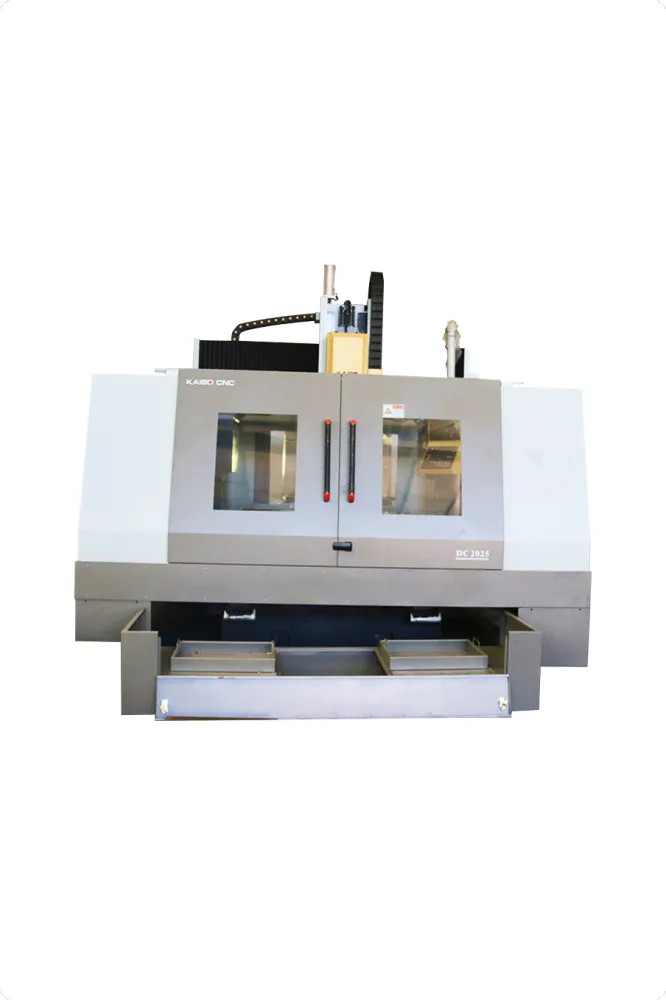
Special Considerations for Dual-Column CNC Milling Machines in Heavy-Duty Use
Dual-column structures carry heavier loads and sustain larger moments during processing. Your maintenance strategy should adapt accordingly:
- Frequently monitor column guideways for uneven wear or lubrication starvation.
- Inspect hydraulic clamps and ensure force distribution remains balanced to avoid frame distortion.
- Pay attention to temperature gradients along the columns — exceeding 5°C difference between left and right can affect precision alignment.
Proactively cultivating a standardized operation routine underlines the difference: it extends machinery lifespan and reduces unexpected failures in this demanding environment.
Build Your Maintenance Habit: Real-Life Case Study
In one instance, consistent adherence to a lubrication schedule and prompt backlash adjustments reduced monthly downtime by 30% on a heavy-duty dual-column CNC mill. Operators reported smoother cycles and less frequent alarm incidents — a testament to disciplined care.
You might want to ask yourself: Have you established such routines on your machines? What are the common roadblocks you encounter?
Empowering You with Professional After-Sales Support and Free Training
To assist you further, Kaibo CNC offers end-to-end after-sales services complemented by free training programs tailored to your technical team’s needs. Whether it’s intricate fault troubleshooting or optimizing your daily maintenance regimen, our experts provide on-site and remote guidance.
These resources are designed to solidify your confidence in managing complex CNC milling operations — ultimately ensuring your equipment runs stably and at peak productivity.




 <#else>





