CNC Milling Machine Stability Enhancement: Structural Optimization for Reduced Vibration and Deformation
17 03,2026
KAIBO CNC
Technical knowledge
This article explores key techniques to提升 machining stability of large gantry CNC milling machines, with a focus on structural optimization to minimize vibration and deformation. It analyzes common vibration sources and deformation causes, introduces structural optimization solutions adopted in the Kaibo CNC DC1417, and provides practical guidance on parameter settings and maintenance for operators and process engineers, aiming to achieve high-precision and efficient heavy part machining.
The Critical Role of Machine Structure in CNC Milling Stability
For manufacturers working with large-scale components, machining stability isn't just a technical consideration—it directly impacts production efficiency, part quality, and ultimately, business profitability. Studies show that 30-40% of machining errors can be attributed to structural vibrations and thermal deformation, leading to increased scrap rates and production delays. In the competitive landscape of heavy-duty CNC machining, understanding how machine structure influences stability has become a strategic advantage.
Identifying Common Vibration and Deformation Sources
Before exploring solutions, it's essential to recognize the primary culprits behind machining instability:
Guideway Clearance Issues: Excessive play between moving components can cause positional inaccuracies up to 0.02mm per meter of travel
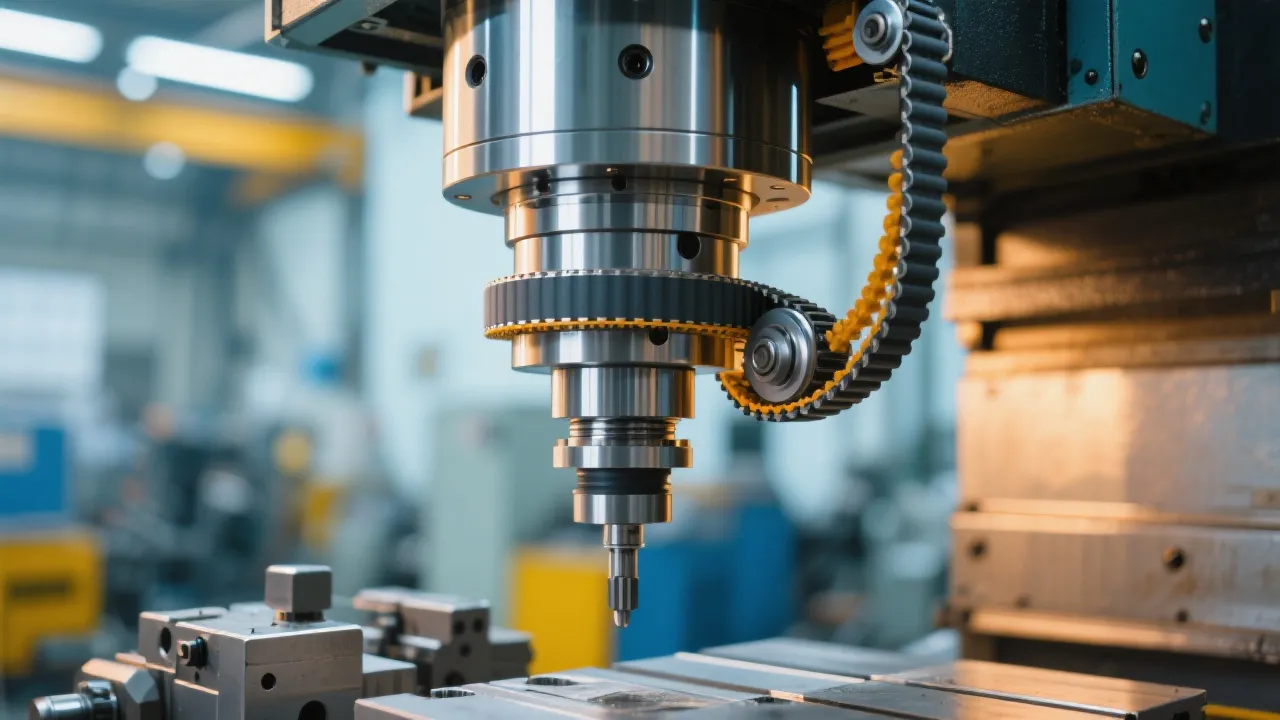
Spindle Rigidity Deficiencies: Inadequate spindle support often results in tool chatter, especially during high-speed machining of tough materials
Base Structure Flexibility: Insufficient base stiffness can lead to harmonic vibrations, particularly noticeable during heavy cutting operations
Thermal Expansion: Temperature variations as small as 3°C can cause measurable dimensional changes in machine components
Kaibo CNC DC1417: Engineering Solutions for Enhanced Stability
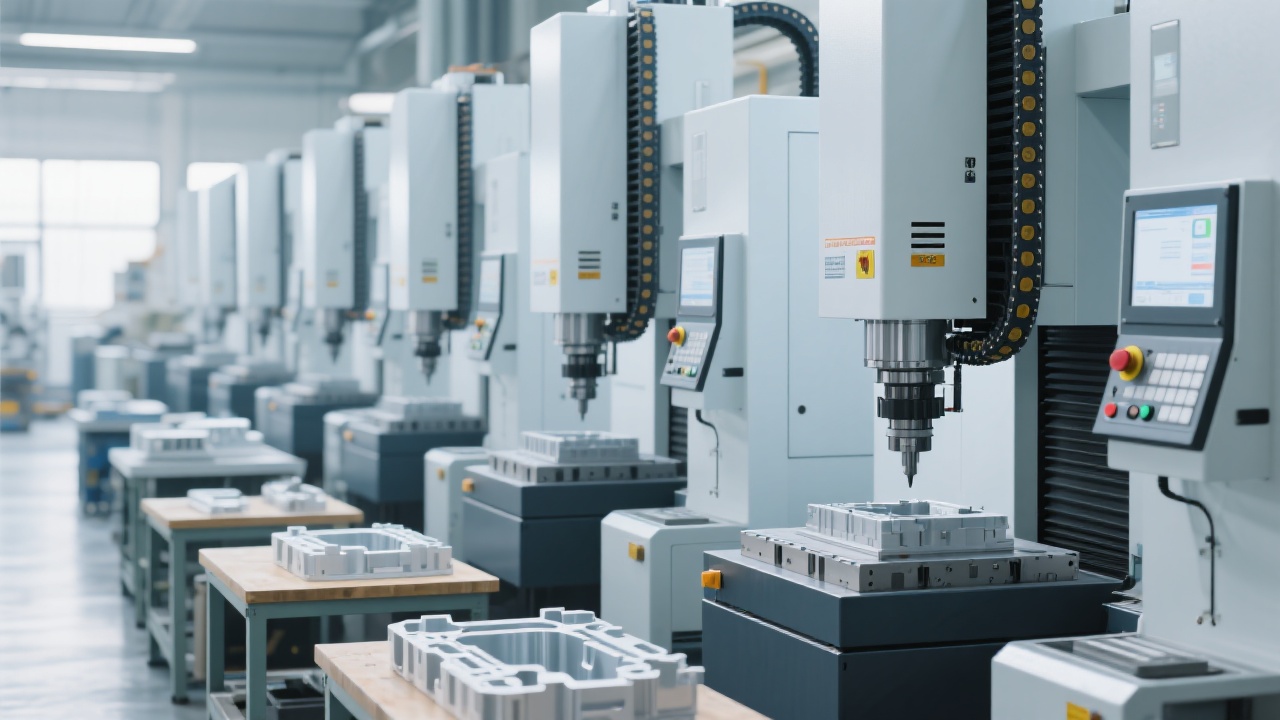
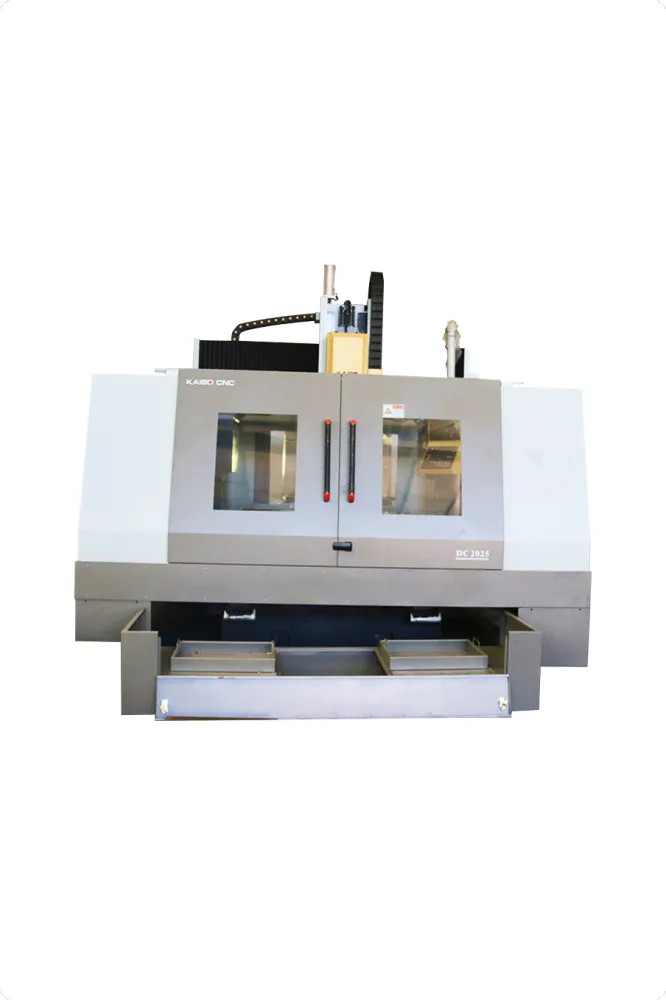
Kaibo CNC's DC1417 large gantry machining center exemplifies how structural engineering advancements address these challenges. The machine incorporates several key design elements that significantly提升加工稳定性:
Key Structural Optimizations in DC1417
Box-Type Cast Iron Construction: The machine base and column utilize high-quality Meehanite cast iron with a wall thickness of 30-40mm, providing 40% higher damping capacity compared to welded structures
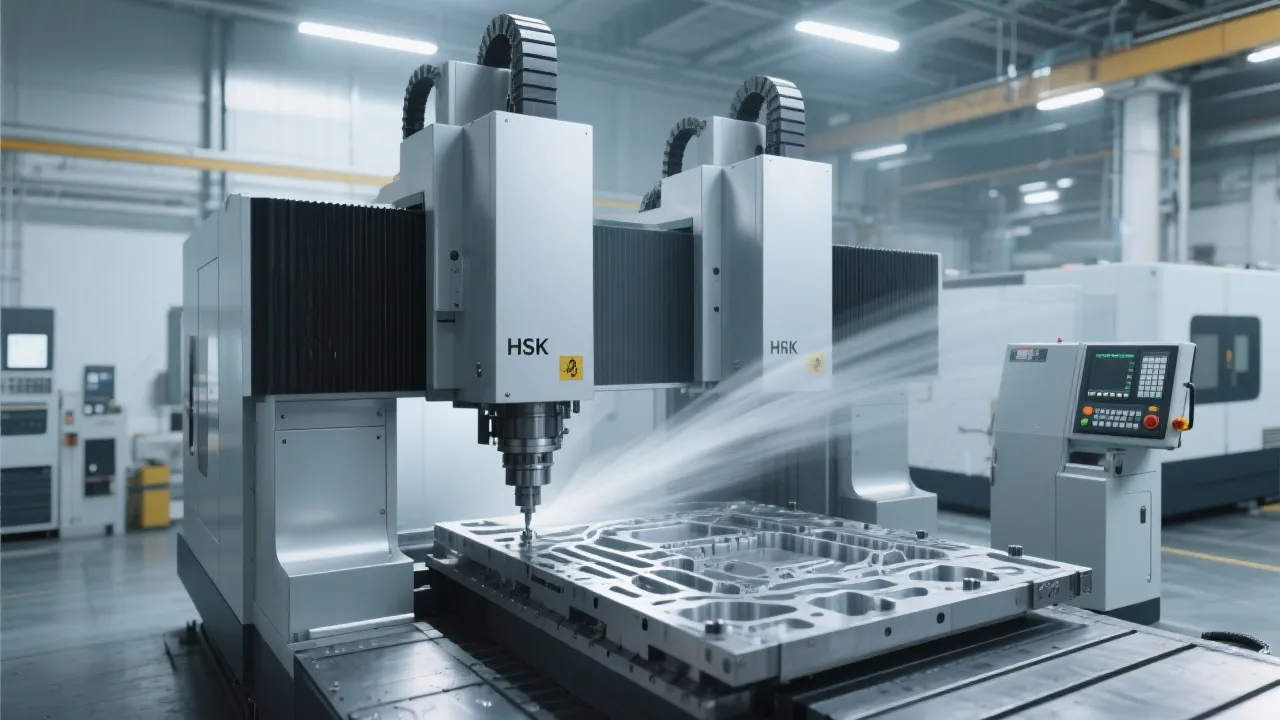
Dual-Column Support System: Symmetrical gantry design eliminates cantilever effects, reducing deflection under heavy loads by approximately 65%
Dynamic Balancing System: Real-time vibration monitoring with active damping technology that can reduce resonant frequencies by up to 80%
Precision Guideway System: Hardened and ground linear guideways with preload adjustment, maintaining clearance within 0.005mm even after 10,000 hours of operation
"Every Kaibo CNC machine undergoes 72 quality inspection procedures, including 16 dedicated to structural integrity and vibration testing, ensuring compliance with ISO 9001 standards and our internal precision requirements."
Operational Parameters for Minimizing Resonance Risks
Beyond structural design, proper parameter configuration plays a crucial role in maintaining machining stability. The DC1417's advanced control system allows operators to optimize cutting conditions:
Cutting Speed Optimization: The machine's adaptive control system automatically adjusts spindle speed to avoid natural frequencies, typically between 3,000-6,000 RPM for most steel alloys
Feed Rate Adjustment: Variable feed rates based on material thickness and tool diameter, with recommended starting values of 500-1500 mm/min for roughing operations
Tool Path Strategies: High-speed machining cycles that minimize abrupt direction changes, reducing inertial forces by up to 35%
Depth of Cut Management: Optimal depth-to-diameter ratios (typically 0.5-1x tool diameter) to prevent excessive tool deflection
Real-World Application: Large Mold Machining Case Study
In a recent application for automotive die manufacturing, a Kaibo CNC DC1417 demonstrated exceptional stability when machining a 2.5m x 1.8m mold insert from hardened tool steel (HRC 52). The results were impressive:
Surface Finish Improvement
32%
Ra value reduced from 1.6μm to 1.05μm
Production Time Savings
27%
From 48 hours to 35 hours per mold
Tool Life Extension
40%
Reduced tool change frequency
Maintenance Practices for Sustained Stability
To maintain optimal performance over time, Kaibo CNC recommends a structured maintenance program for the DC1417:
Daily Checks: Guideway lubrication levels, spindle temperature, and vibration monitoring
Weekly Inspections: Ball screw preload verification and backlash measurement
Monthly Calibration: Axis positioning accuracy using laser interferometry
Quarterly Servicing: Complete thermal mapping and compensation adjustment
Annual Overhaul: Comprehensive structural integrity assessment and precision restoration
Enhance Your Machining Capabilities Today
Download our comprehensive "Machining Stability White Paper" to discover advanced techniques for improving part quality and production efficiency.
Implementing these structural optimizations and operational strategies has enabled manufacturers across various industries to achieve consistent precision even in the most demanding machining applications. The Kaibo CNC DC1417 represents the culmination of decades of engineering expertise in addressing the fundamental challenges of machining stability. By combining robust construction with intelligent control systems, it offers a reliable solution for companies seeking to elevate their manufacturing capabilities in an increasingly competitive global market.