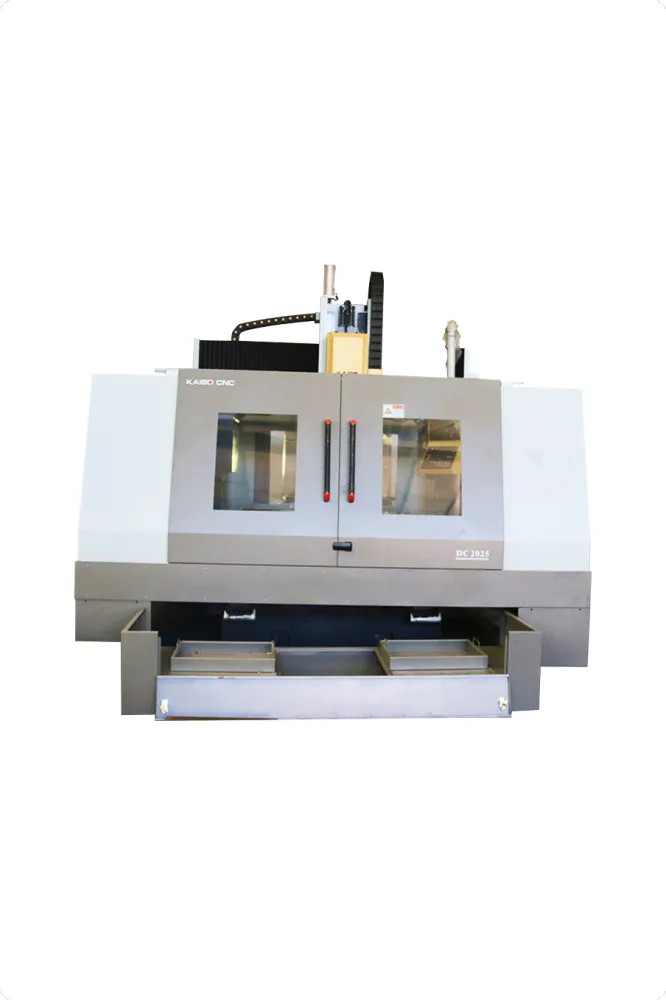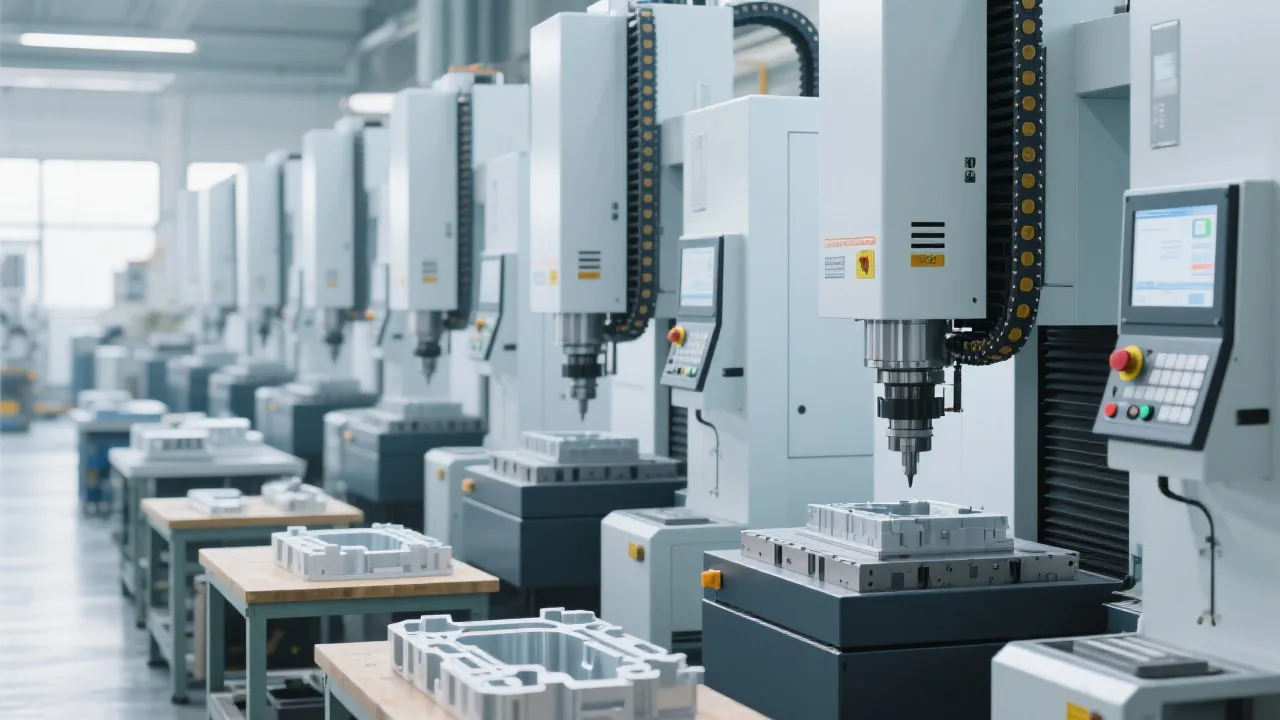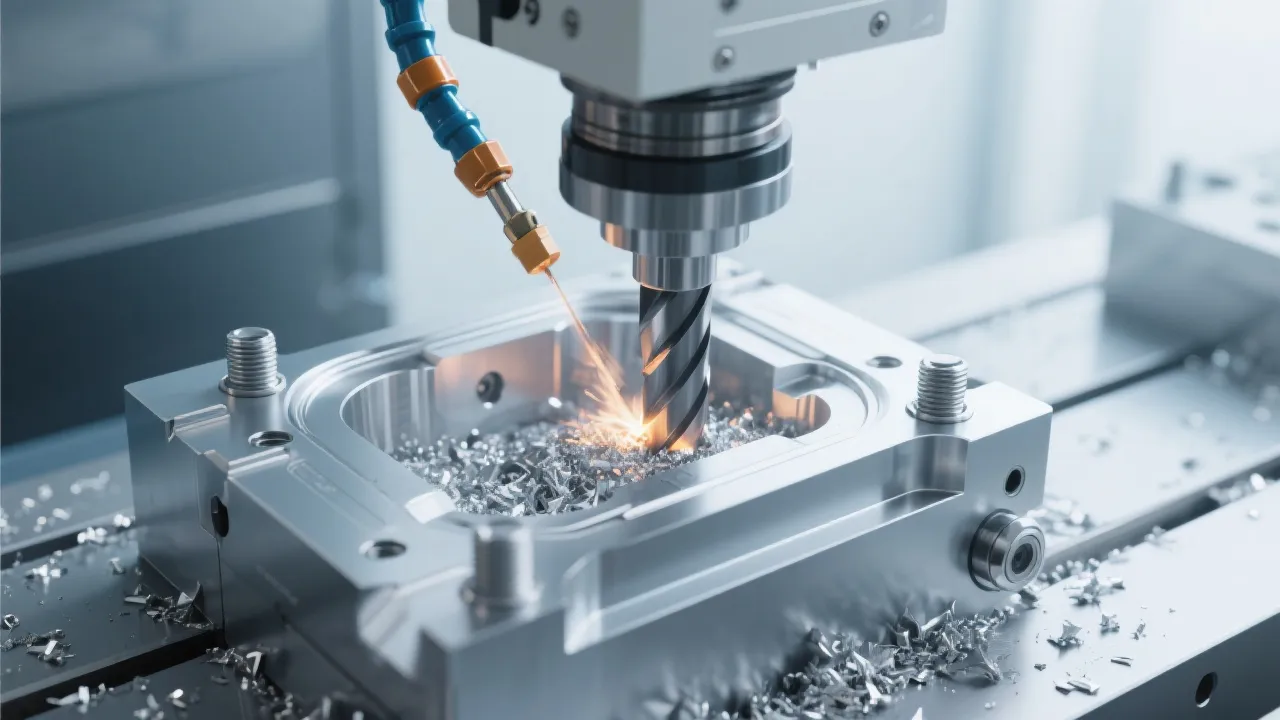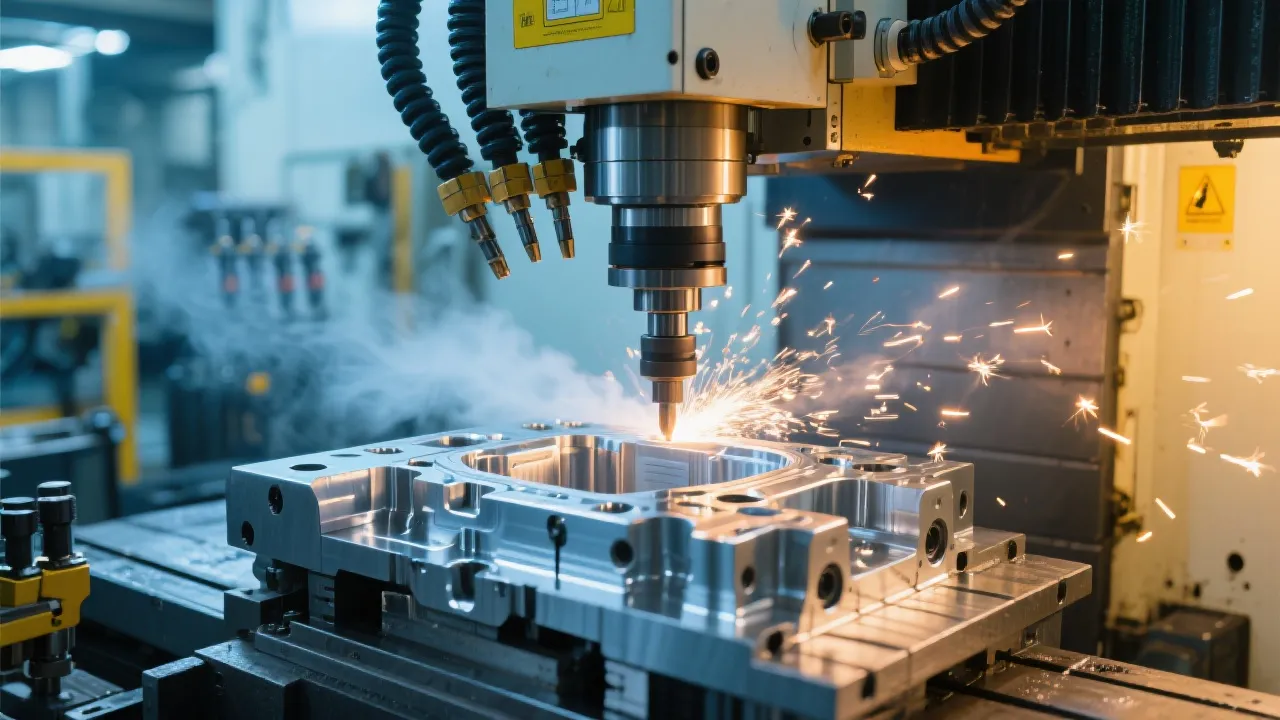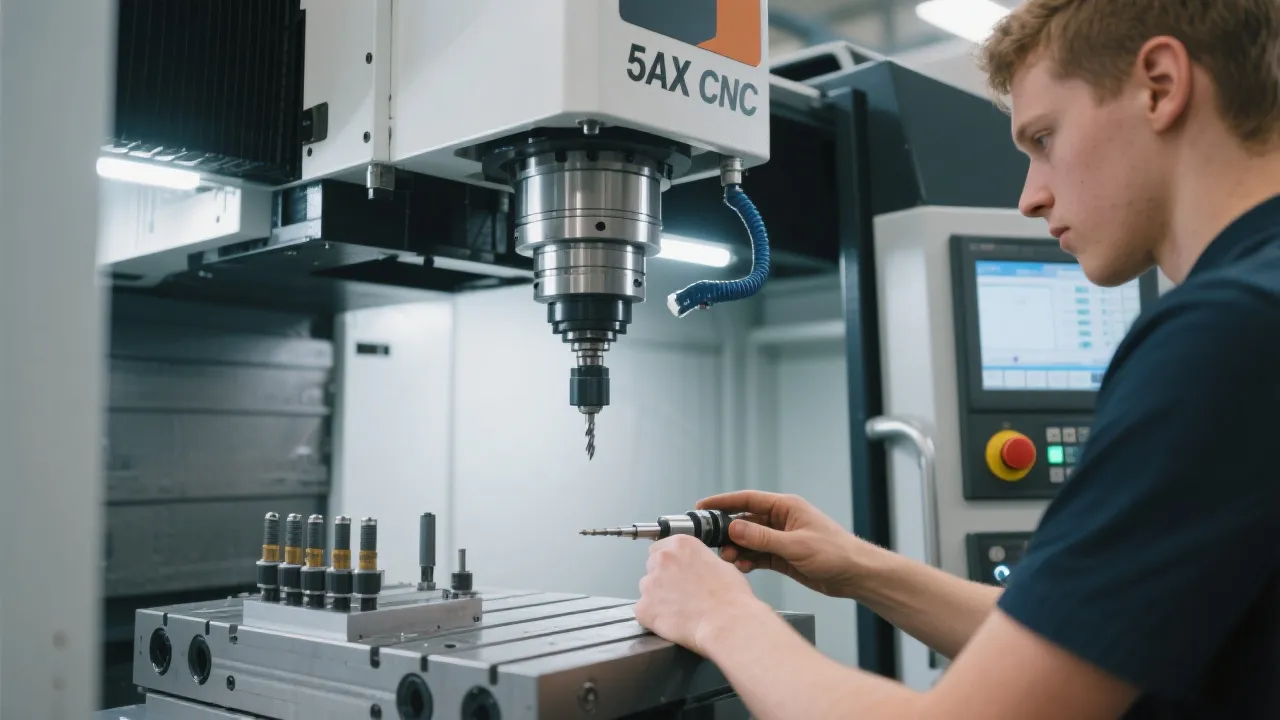
For manufacturing engineers and operators working with large gantry CNC milling machines like the DC1417 model, achieving consistent machining stability isn't just a technical requirement—it's the foundation of profitable production. Studies show that instability-related issues account for up to 35% of quality control problems in precision machining operations, leading to increased scrap rates and production delays. In this comprehensive guide, we'll explore the critical factors that influence machining stability and provide actionable techniques to enhance both precision and efficiency in your operations.
The backbone of any high-precision machining operation lies in the structural integrity of the machine itself. Modern gantry CNC mills incorporate several design elements specifically engineered to minimize vibration and deflection during heavy cutting operations.
Key structural components to evaluate include:
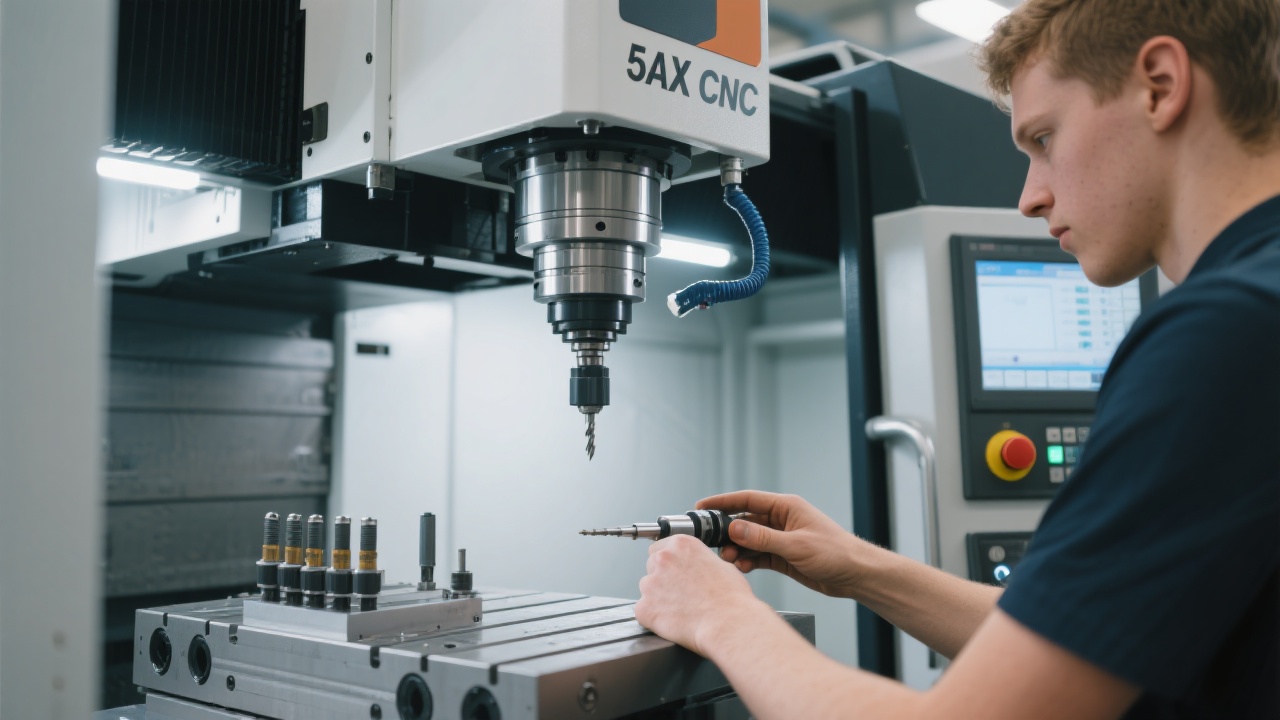
The relationship between cutting tools and machining stability is often underestimated. The right tooling strategy can reduce vibration by up to 40% while extending tool life and improving surface finish. When selecting tools for your gantry mill operations, consider the following factors:
| Material Type | Recommended Tool Geometry | Optimal Coating | Stability Considerations |
|---|---|---|---|
| Aluminum Alloys | High helix angle (35-40°), 3-4 flutes | Uncoated or TiAlN | Use polished flutes to reduce chip adhesion |
| Carbon Steels | Medium helix angle (30-35°), 4-5 flutes | TiCN or TiAlN | Increased core diameter for rigidity |
| Stainless Steel | Low helix angle (25-30°), 4 flutes | AlTiN or diamond-like carbon | Increased rake angle to reduce cutting forces |
| Titanium Alloys | Variable helix, 3-4 flutes | AlCrN or diamond | Specialized chipbreaker geometry |
Tool overhang is another critical factor—every 2x increase in tool overhang can result in up to 8x decrease in tool rigidity. Whenever possible, use the shortest tool length that allows complete access to the machining features.
Even the most rigid machine and perfectly selected tooling will fail to deliver consistent results if the workpiece isn't properly secured. A well-designed fixturing system should:

Hydraulic and pneumatic clamping systems offer significant advantages over manual clamping, providing consistent force application and reducing setup time by up to 50%. For large or irregularly shaped workpieces, consider modular fixturing systems that can be reconfigured for different part geometries while maintaining precision alignment.
Finding the optimal cutting parameters requires balancing material removal rate with machining stability. A common mistake is simply maximizing cutting speed to increase productivity, which often leads to increased vibration and tool wear.
When establishing new cutting parameters, start with conservative settings and gradually optimize in this sequence:
Modern CNC controls with advanced vibration monitoring systems can automatically adjust parameters in real-time, maintaining optimal cutting conditions throughout the machining process. These systems have been shown to improve tool life by an average of 28% while reducing cycle times by up to 15% compared to fixed parameter machining.
Consistent machining performance requires a structured maintenance program. Neglected maintenance is a leading cause of declining accuracy and stability, with studies showing that proper maintenance can extend machine life by 30% or more while maintaining 95% of original precision over time.
Key maintenance activities should include:
Many manufacturers underestimate the impact of environmental factors on machining stability. Temperature fluctuations as small as 2°C can cause dimensional changes in machine components, affecting accuracy. Maintaining a consistent shop temperature within ±1°C is recommended for precision machining operations.
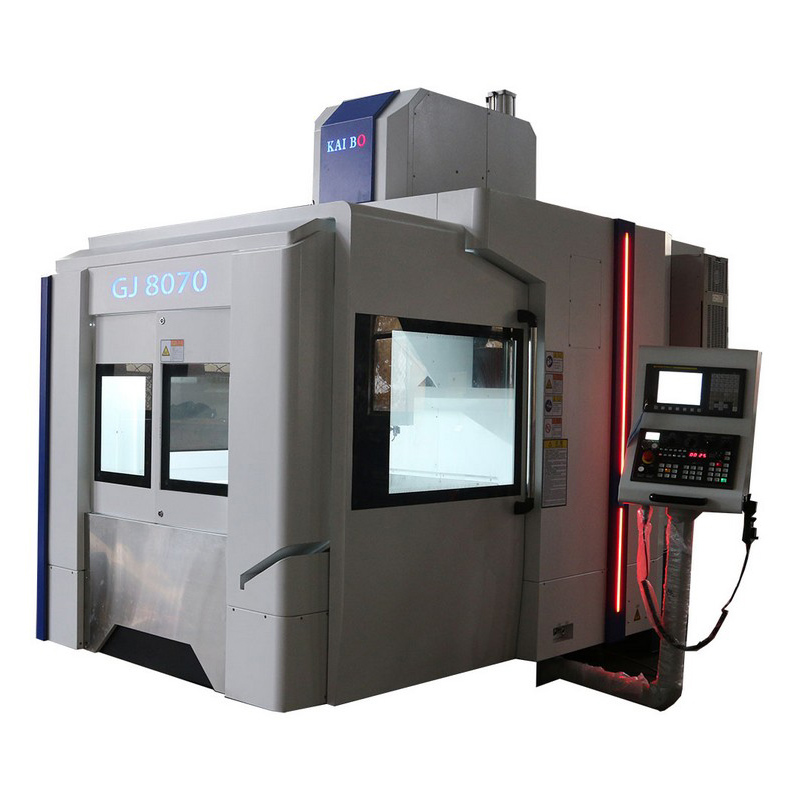
凯博数控's DC1417 gantry mill combines advanced structural design with intelligent control systems to deliver unmatched stability for heavy-duty machining applications. With over 70 quality control procedures and ISO9001 certification, our machines are built to maintain precision even in the most demanding production environments.
Get Your Custom Machining Stability AssessmentOur technical experts are available 24/7 through 26 service centers worldwide to support your production needs.
Implementing these techniques requires a systematic approach, but the payoff is substantial. Manufacturers who optimize their machining stability typically see a 20-30% reduction in scrap rates, 15-25% improvement in tool life, and significant increases in overall production capacity. The key is to view stability not as a single parameter but as a system where machine, tooling, fixturing, parameters, and maintenance all work together to achieve consistent, high-quality results.