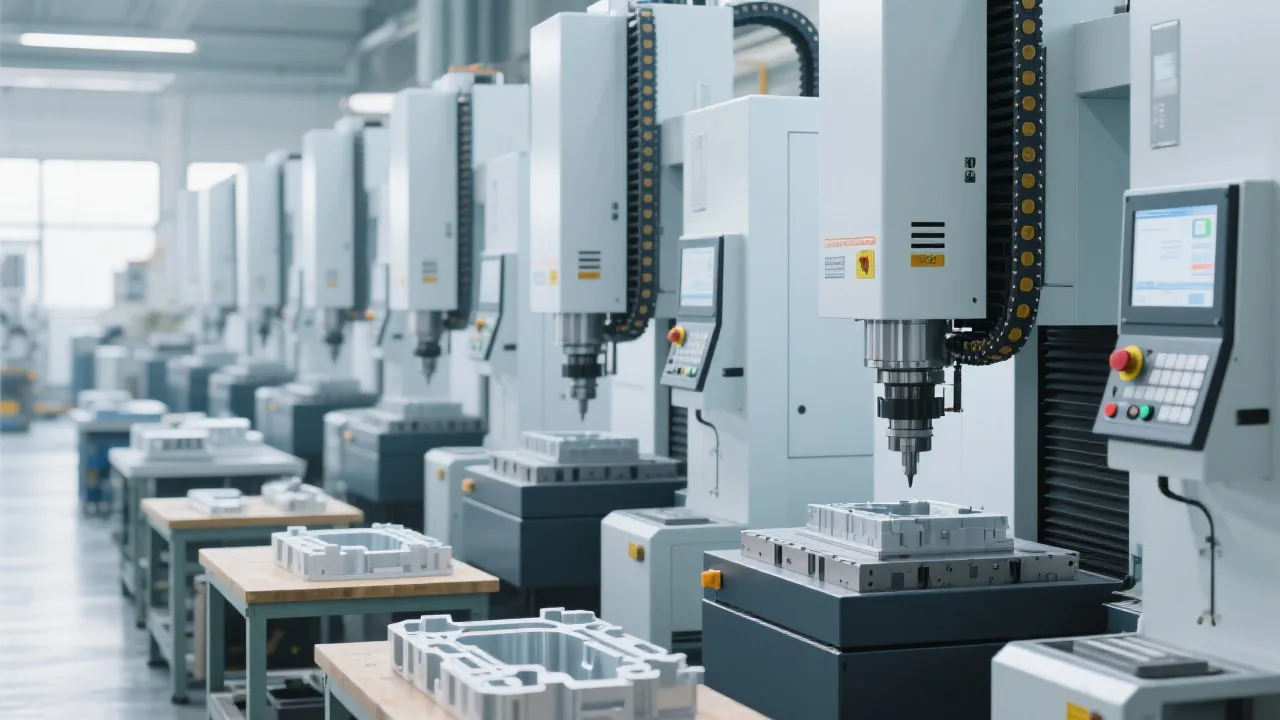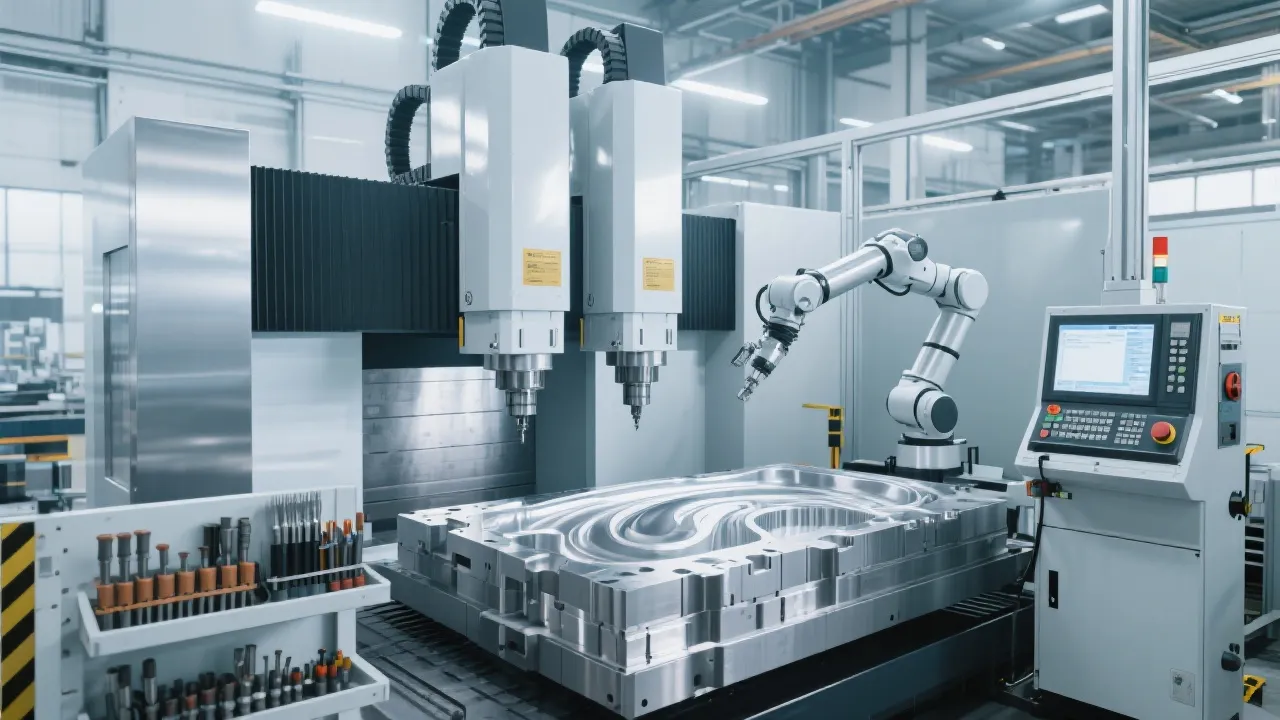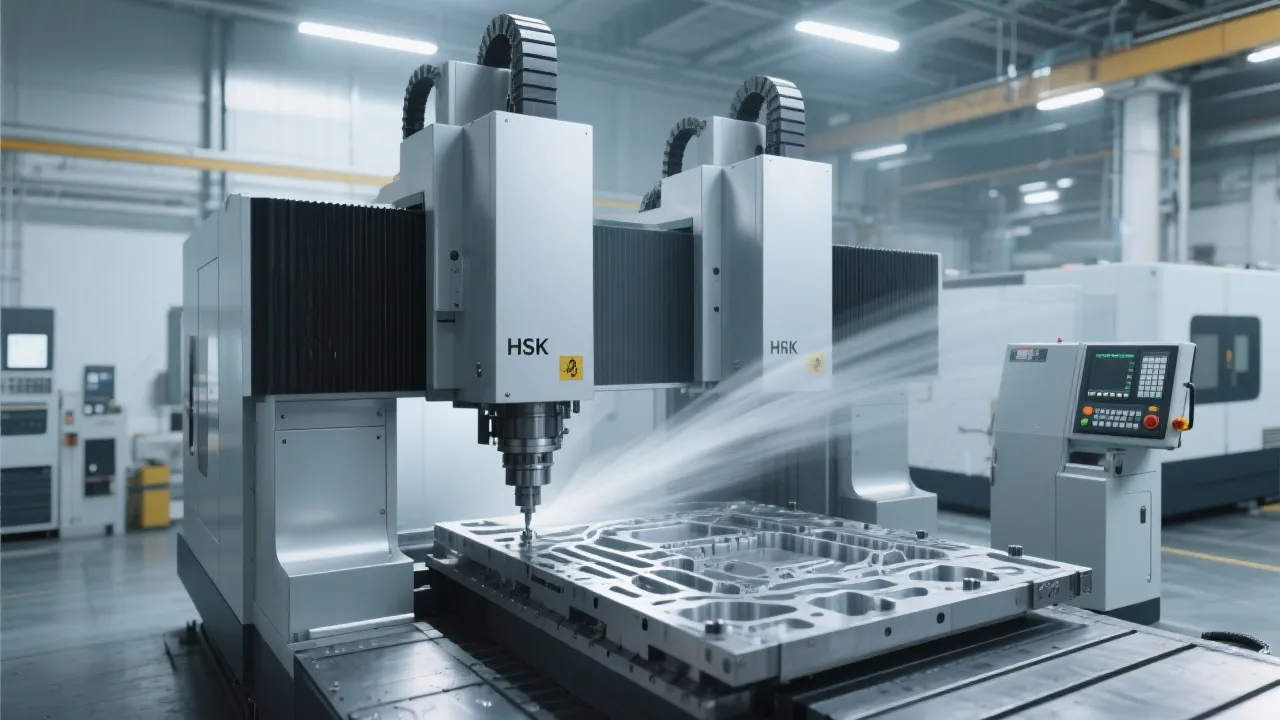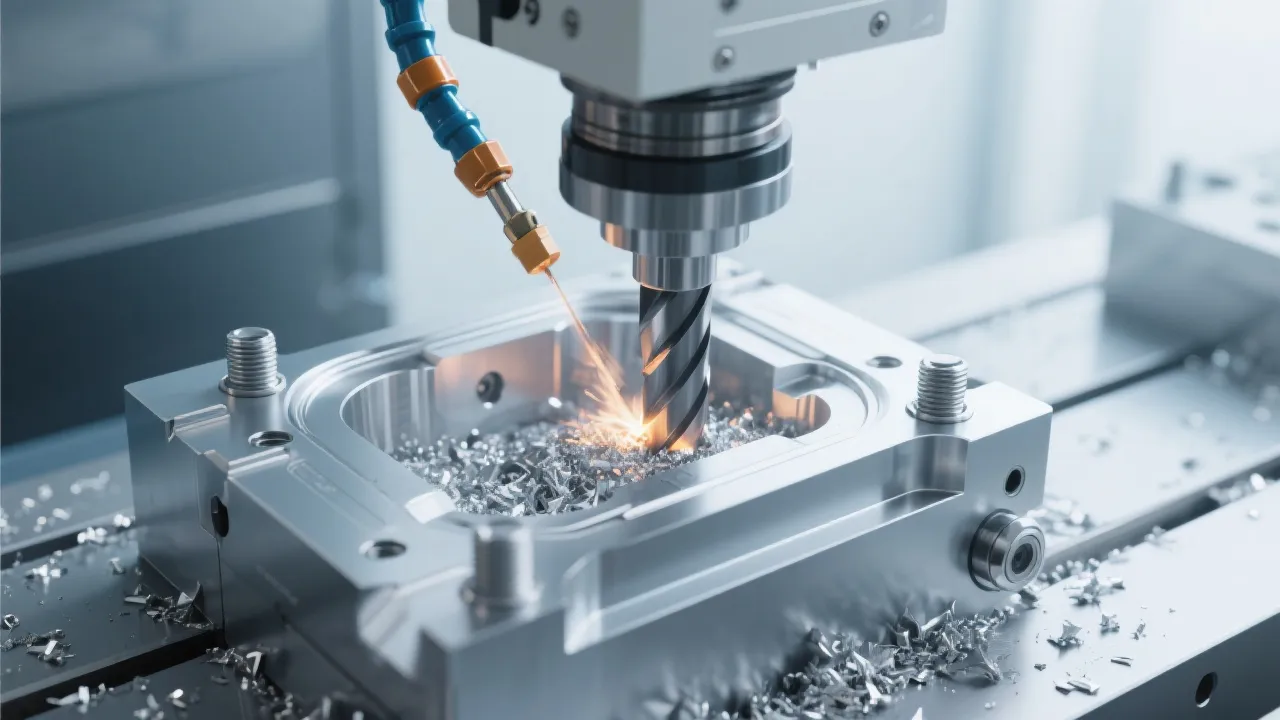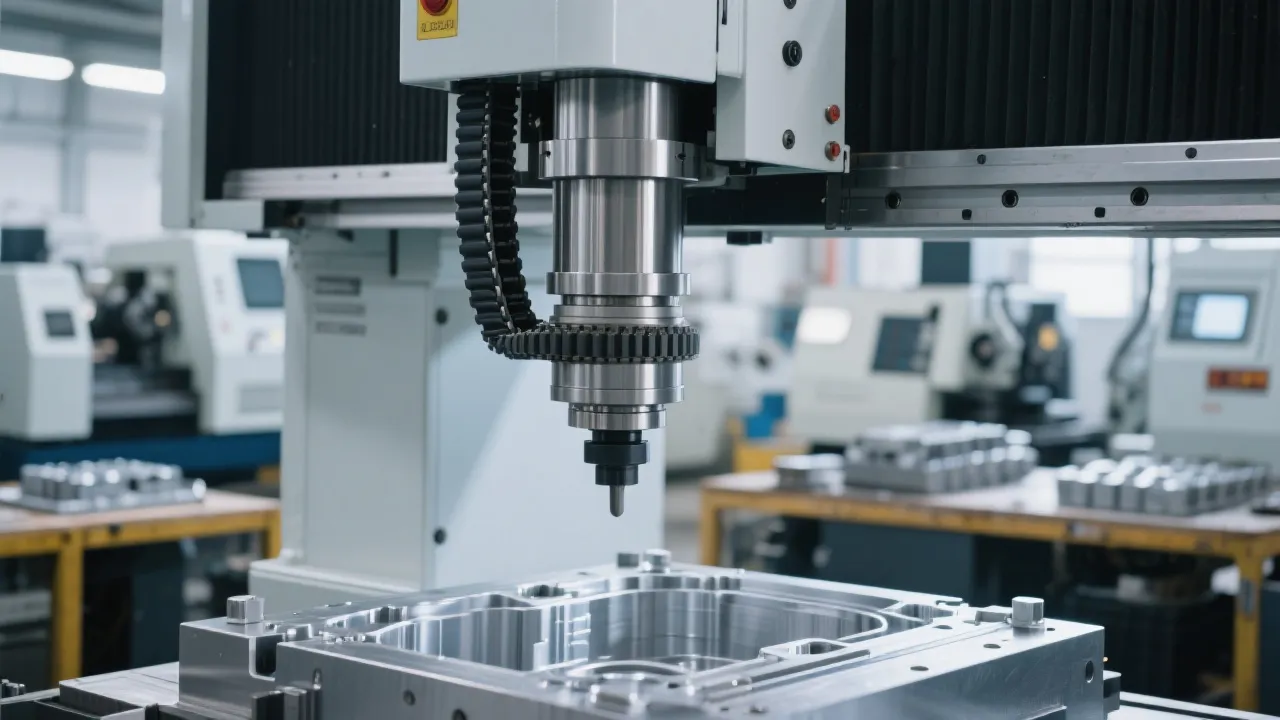
In the competitive landscape of precision manufacturing, the stability and accuracy of CNC milling machines directly impact production efficiency, part quality, and ultimately, business profitability. For manufacturers working with large-scale components—particularly in industries like automotive, aerospace, and mold-making—even minor deviations can result in significant material waste and production delays. Ningbo Kaibo CNC Machinery Co., Ltd. has addressed these challenges through its DC1417 large gantry CNC milling machine, a solution engineered to deliver exceptional stability during high-speed machining of medium to large molds and components.
Machine structure serves as the foundation for machining precision. According to industry research, structural rigidity accounts for approximately 35% of overall machining accuracy, with vibration and thermal deformation being the primary culprits behind instability. The 凯博数控DC1417 addresses this through a robust gantry design featuring reinforced box-type columns and a one-piece bed casting, reducing structural deflection by up to 40% compared to conventional designs.
Technical Insight: The DC1417's double-column gantry structure employs finite element analysis (FEA) to optimize load distribution, ensuring uniform stress during heavy cutting operations. This design minimizes harmonic vibrations, a common issue that can reduce tool life by 25-30% in less stable machines.
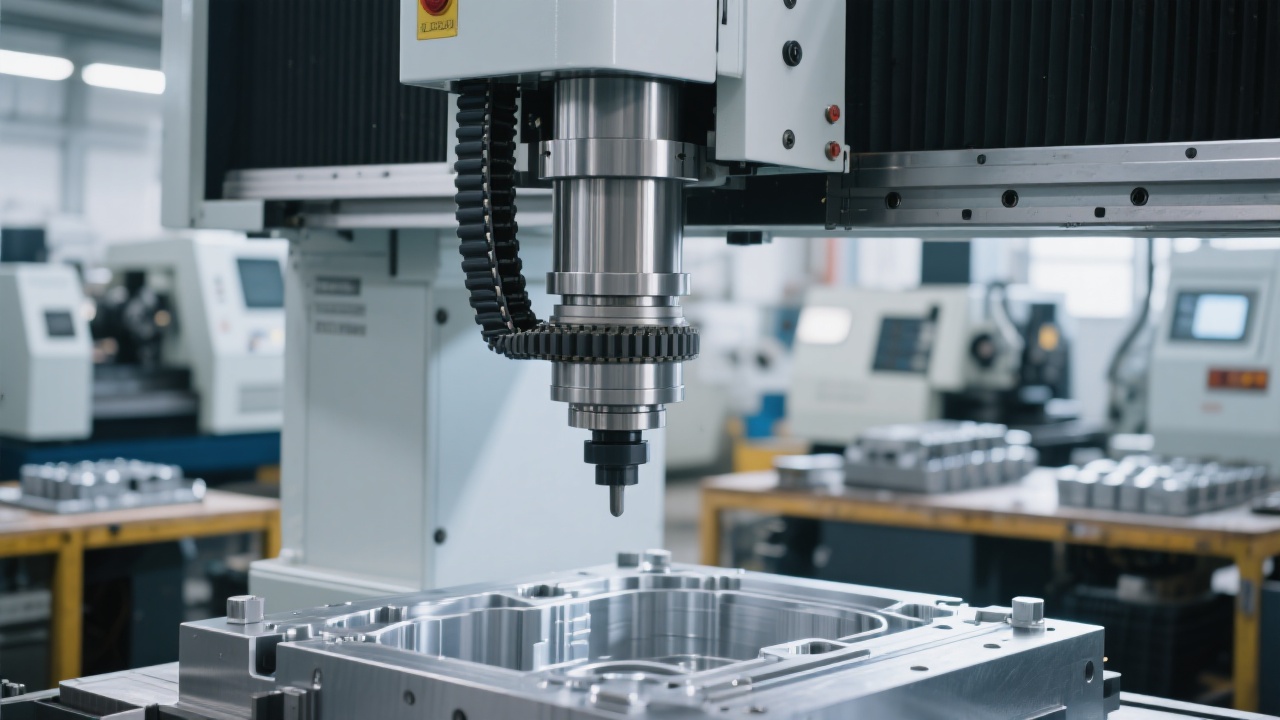
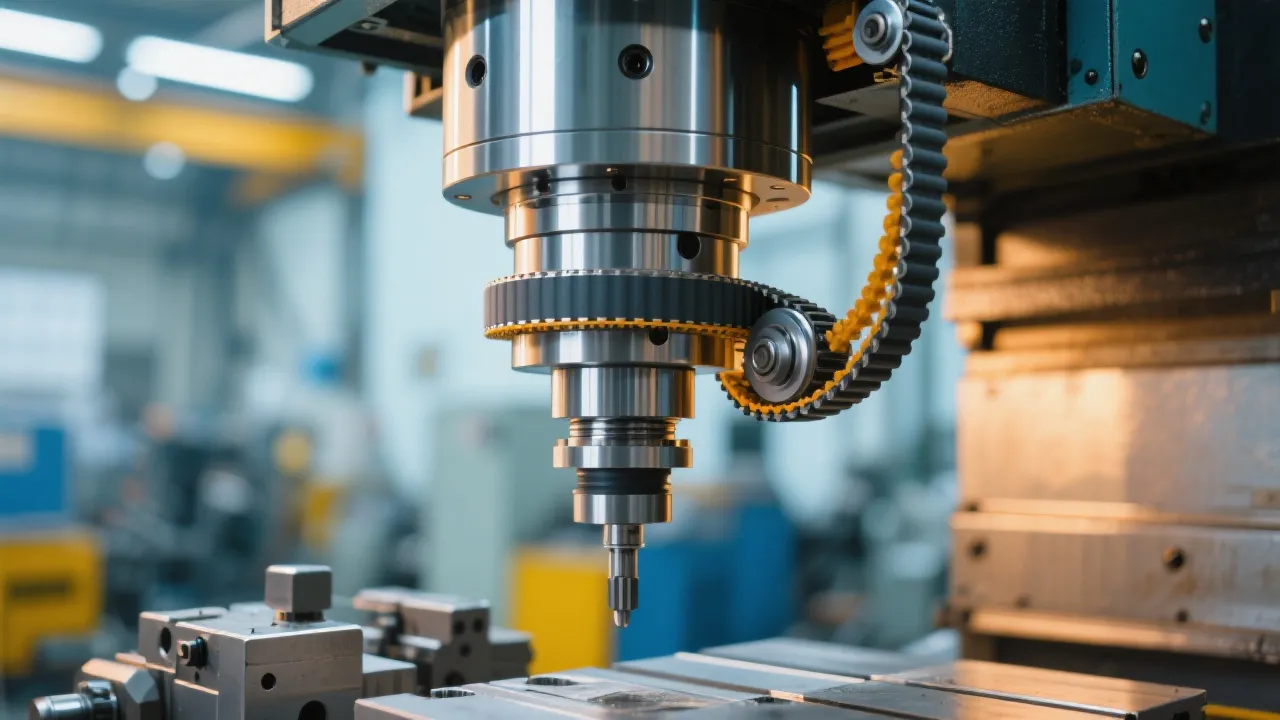
Selecting the right cutting tools is paramount to achieving both stability and precision. Carbide tools, for instance, offer 3-5 times longer tool life than high-speed steel alternatives when machining hardened materials. The DC1417's tool management system supports HSK-A63 tool holders, which provide 30% higher clamping force compared to traditional CAT40 holders, significantly reducing tool runout during high-speed operations (up to 15,000 RPM).
When machining aluminum alloys—common in automotive mold applications—coated carbide end mills with variable helix angles reduce chatter by breaking up harmonic vibrations. For hardened steel (HRC 50-60), ceramic inserts can increase cutting speeds by 50% while maintaining dimensional accuracy within ±0.005mm.
Even the most rigid machine structure cannot compensate for poor workpiece fixturing. A well-designed fixture should minimize workpiece deformation, ensure repeatability within ±0.01mm, and provide secure clamping during aggressive cutting. The DC1417's integrated T-slot table and modular clamping system supports custom fixture setups, reducing setup time by up to 40% compared to traditional methods.
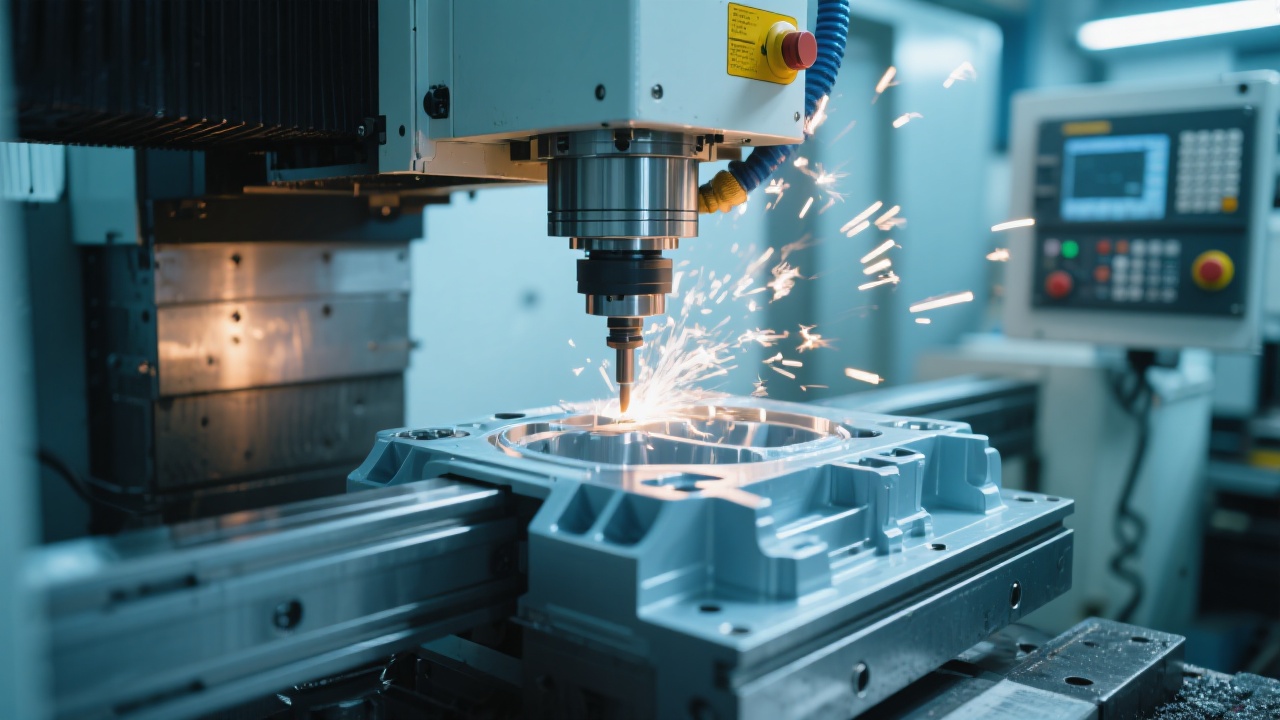
Key fixture design principles include:
Balancing cutting speed, feed rate, and depth of cut is essential for maximizing both productivity and surface finish. The DC1417's advanced CNC system features adaptive control technology that automatically adjusts parameters based on real-time cutting conditions, reducing cycle times by an average of 18% while maintaining surface roughness (Ra) below 1.6μm.
Case Study: A automotive mold manufacturer using the DC1417 reported a 22% increase in production output after optimizing cutting parameters for their 7075 aluminum mold frames. By increasing feed rates from 1200mm/min to 1800mm/min while adjusting spindle speed to 12,000 RPM, they maintained dimensional accuracy within ±0.02mm and reduced tool change frequency by 35%.
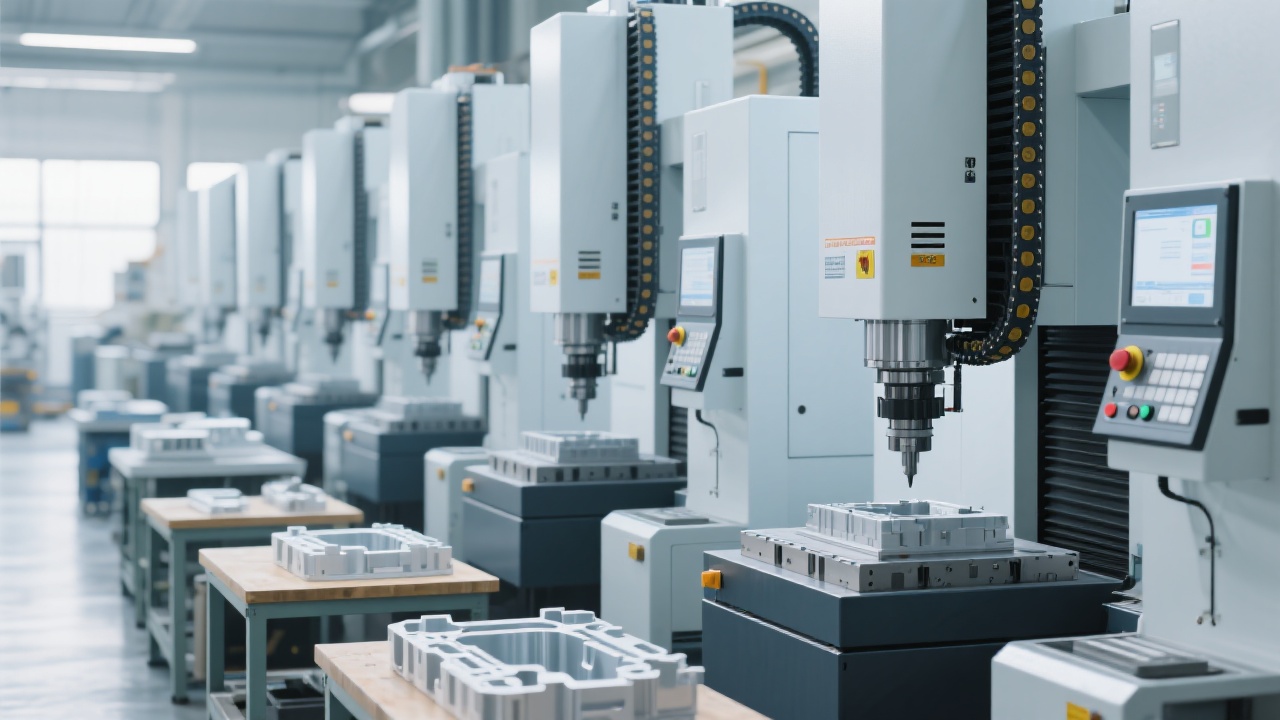
Preventive maintenance is critical to preserving machining accuracy over time. The DC1417 incorporates condition monitoring sensors that track spindle vibration, temperature, and lubrication levels, alerting operators to potential issues before they affect production. Following a structured maintenance schedule can extend machine lifespan by 30% and reduce unplanned downtime by up to 50%.
Essential maintenance tasks include:
Experience the precision, stability, and efficiency of the 凯博数控DC1417 in your production facility. Our team of application engineers will work with you to develop customized machining solutions tailored to your specific industry needs.
Schedule a Virtual Demo of the DC1417Manufacturers across industries are discovering that investing in advanced gantry milling technology isn't just about improving precision—it's about gaining a competitive edge in an increasingly demanding global market. With the right combination of structural design, tooling strategies, and maintenance practices, the DC1417 delivers consistent performance even in the most challenging machining applications. As one aerospace component manufacturer noted after implementing the DC1417: "The stability of this machine has transformed our production process, allowing us to take on more complex projects with tighter tolerances than ever before."