Industry Insight: The global automotive wheel market is projected to reach $XX billion by 2028, growing at a CAGR of X.X%. Precision machining has become the critical differentiator for manufacturers aiming to capture this expanding market. This guide explores how Kaibo CNC milling technology can transform your wheel production capabilities.
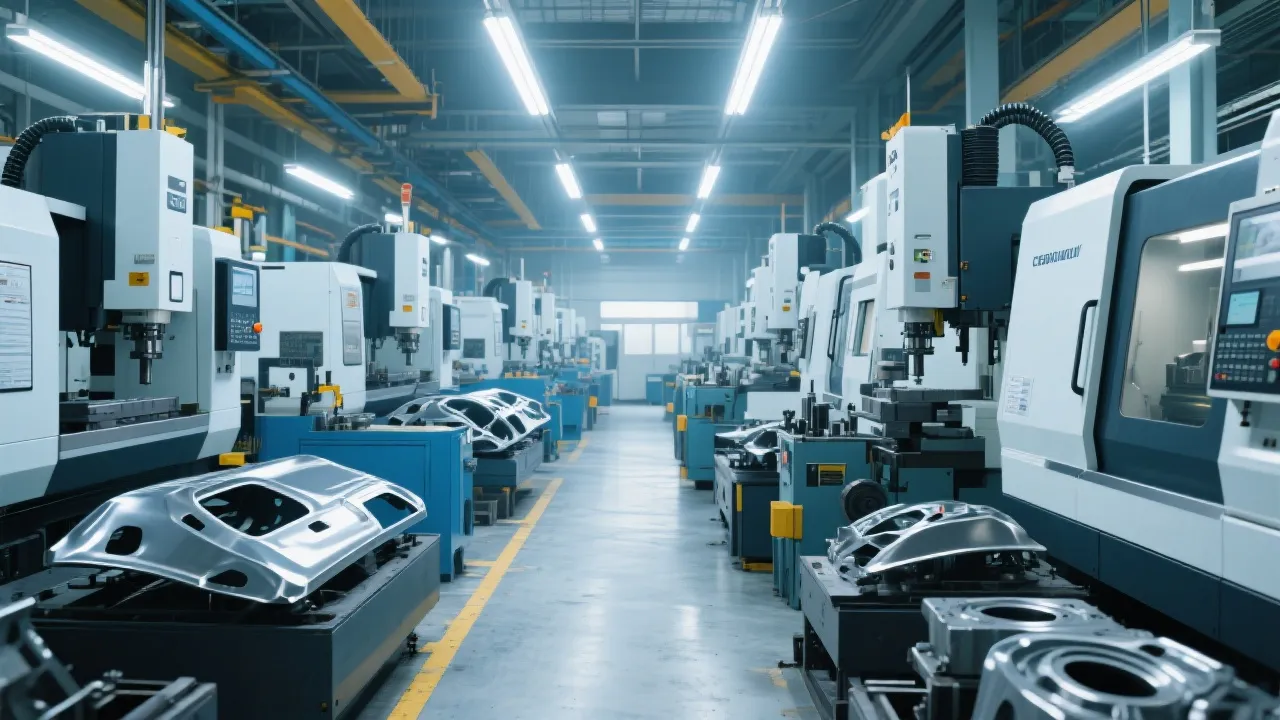
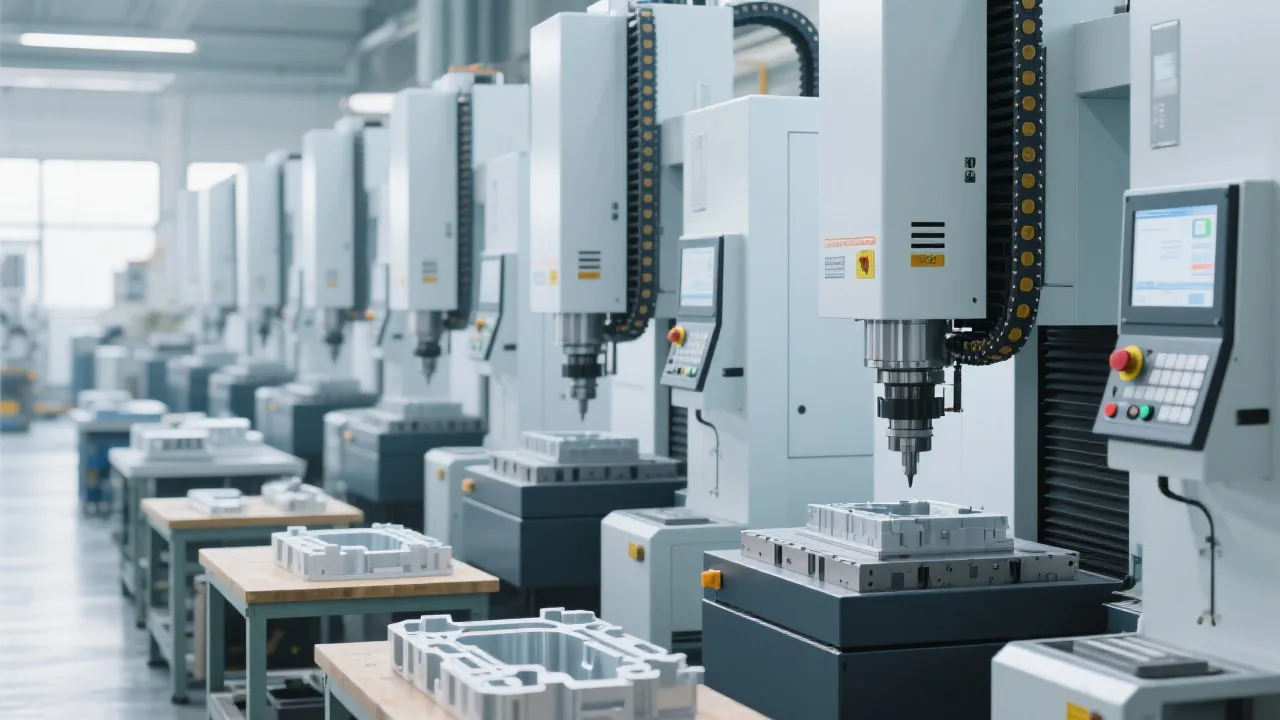
CNC milling stands as the cornerstone of modern automotive wheel production, enabling the creation of complex geometries with unparalleled precision. For manufacturers working with aluminum and magnesium alloys—the primary materials in high-performance wheel manufacturing—mastering CNC operations is not just a skill but a competitive necessity.
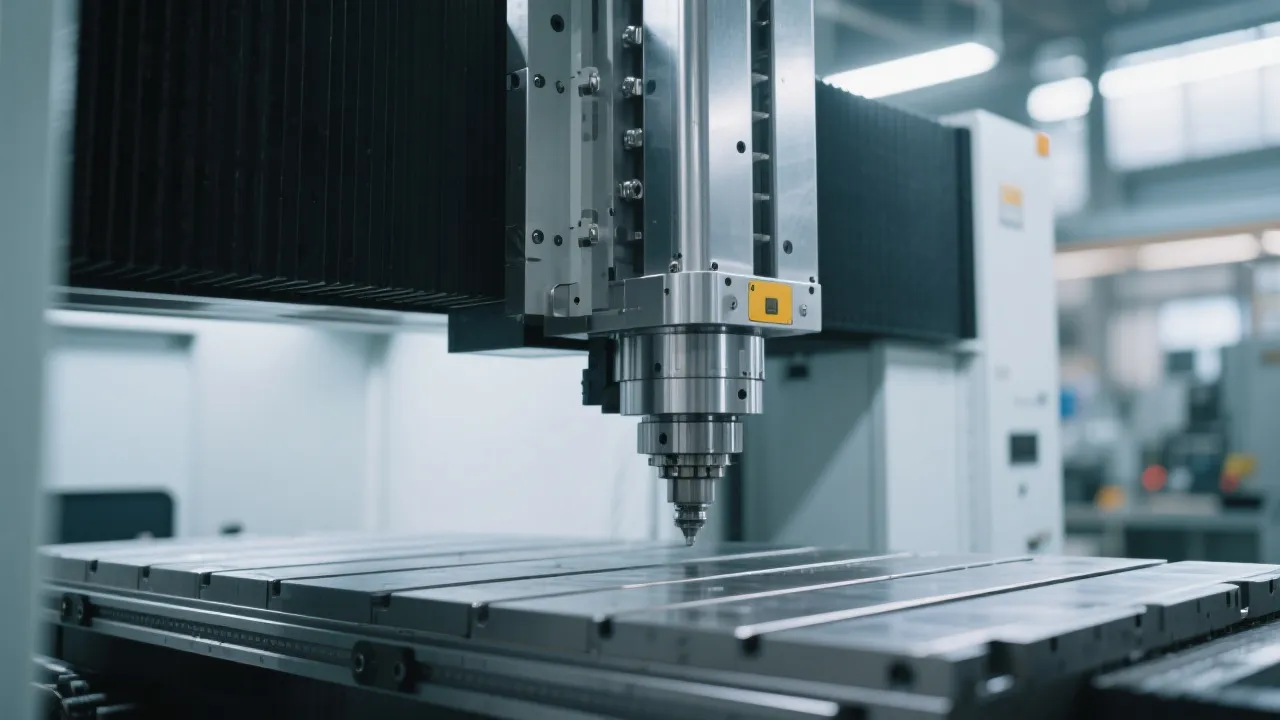
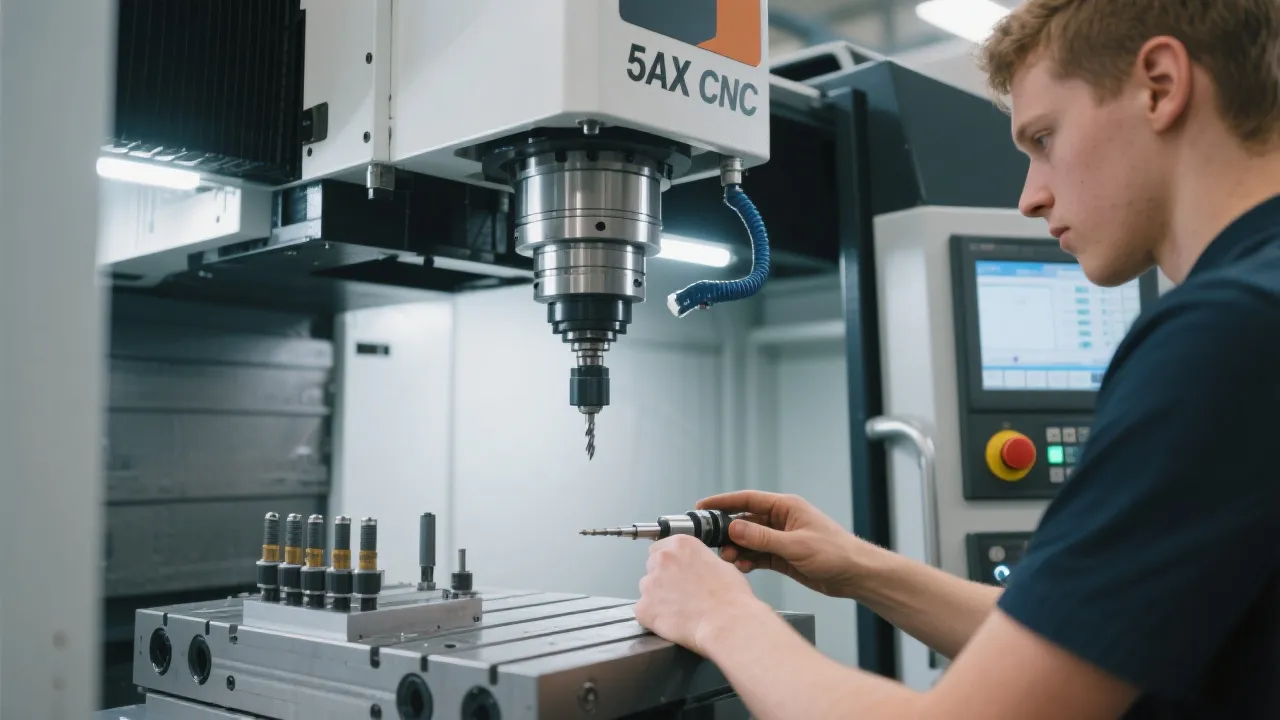
Proper machine initialization directly impacts finished product quality. Begin by verifying all axis homing positions and calibrating the spindle to ensure alignment within ±0.001mm tolerance—critical for maintaining the structural integrity of wheel components. The coordinate system setup requires particular attention, with most manufacturers adopting the DATUM A standard for wheel machining, referencing the wheel center bore as the primary datum point.
Implement a three-point verification process for workpiece zero position. This simple step reduces setup errors by up to 40% and significantly shortens first-article inspection time.
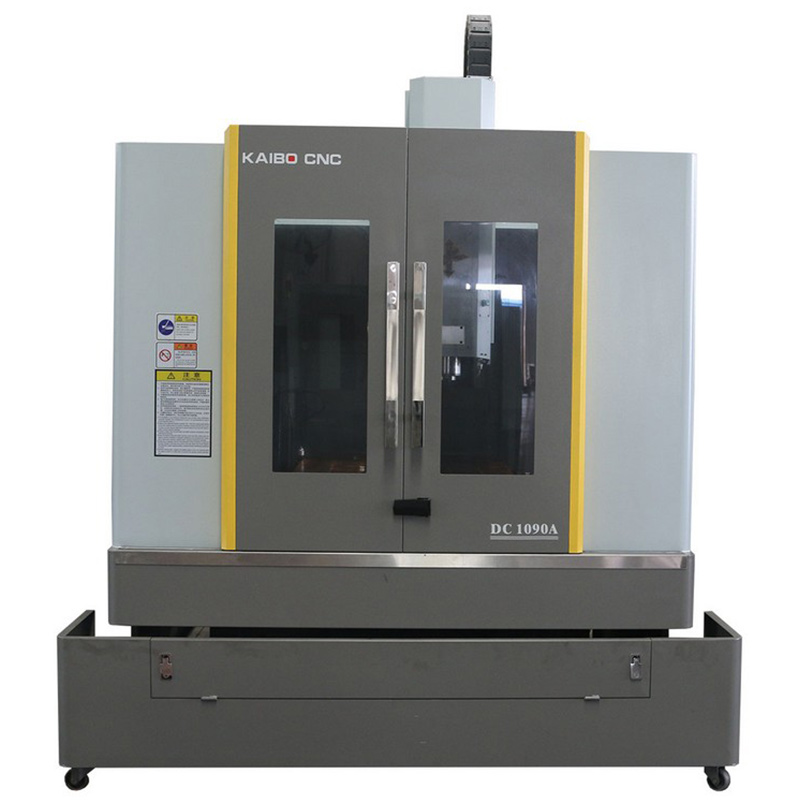
Different wheel materials demand distinct machining strategies. Aluminum alloys (6061, 7075) and magnesium alloys each present unique challenges and opportunities for efficiency gains:
| Material | Spindle Speed (RPM) | Feed Rate (mm/min) | Depth of Cut (mm) |
|---|---|---|---|
| 6061 Aluminum | 3500-4500 | 800-1200 | 1.5-3.0 |
| 7075 Aluminum | 2800-3500 | 600-900 | 1.0-2.0 |
| Magnesium Alloy | 4000-5000 | 1000-1500 | 2.0-4.0 |
The right tooling strategy can increase production efficiency by 25-30% while improving surface finish quality. Carbide end mills with TiAlN coating consistently outperform HSS tools in wheel machining applications, offering extended tool life and better heat resistance.
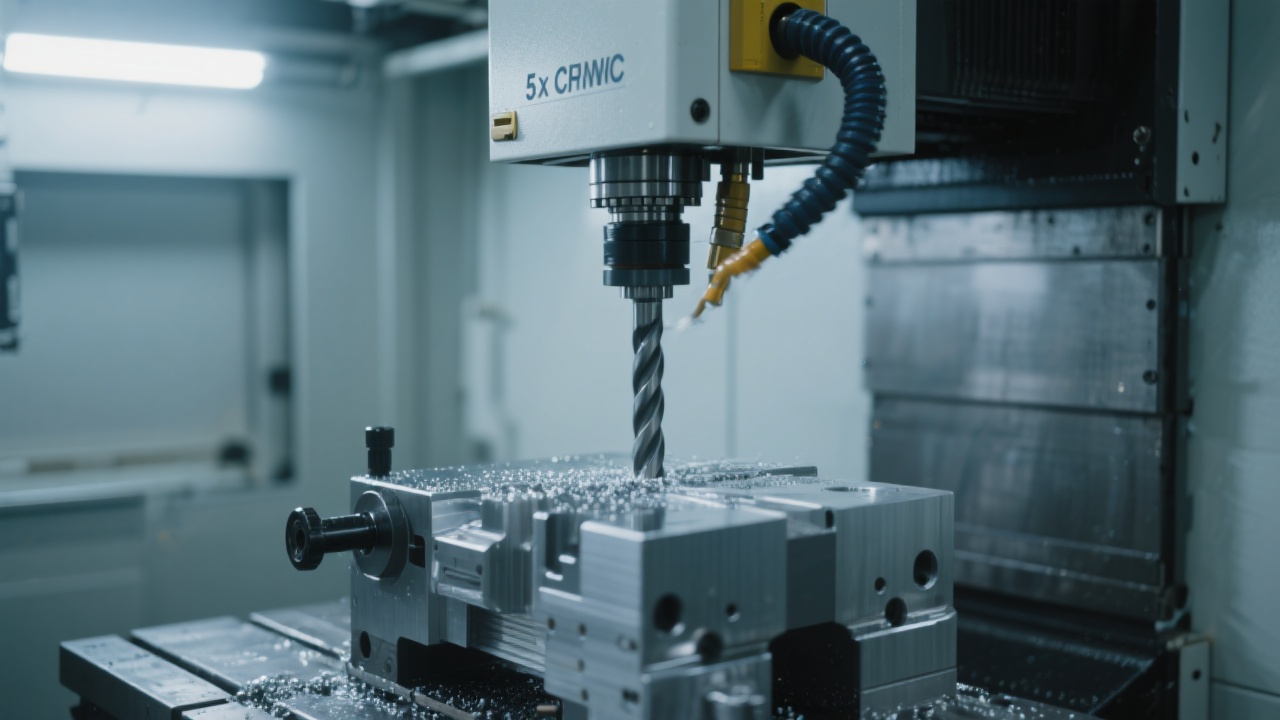
When programming cutting paths, implementing trochoidal milling techniques reduces tool engagement and heat buildup—a particular advantage when working with heat-sensitive magnesium alloys. Additionally, adopting a climb milling approach for finishing passes typically results in Ra 1.6 surface finishes, eliminating secondary polishing operations for many wheel designs.
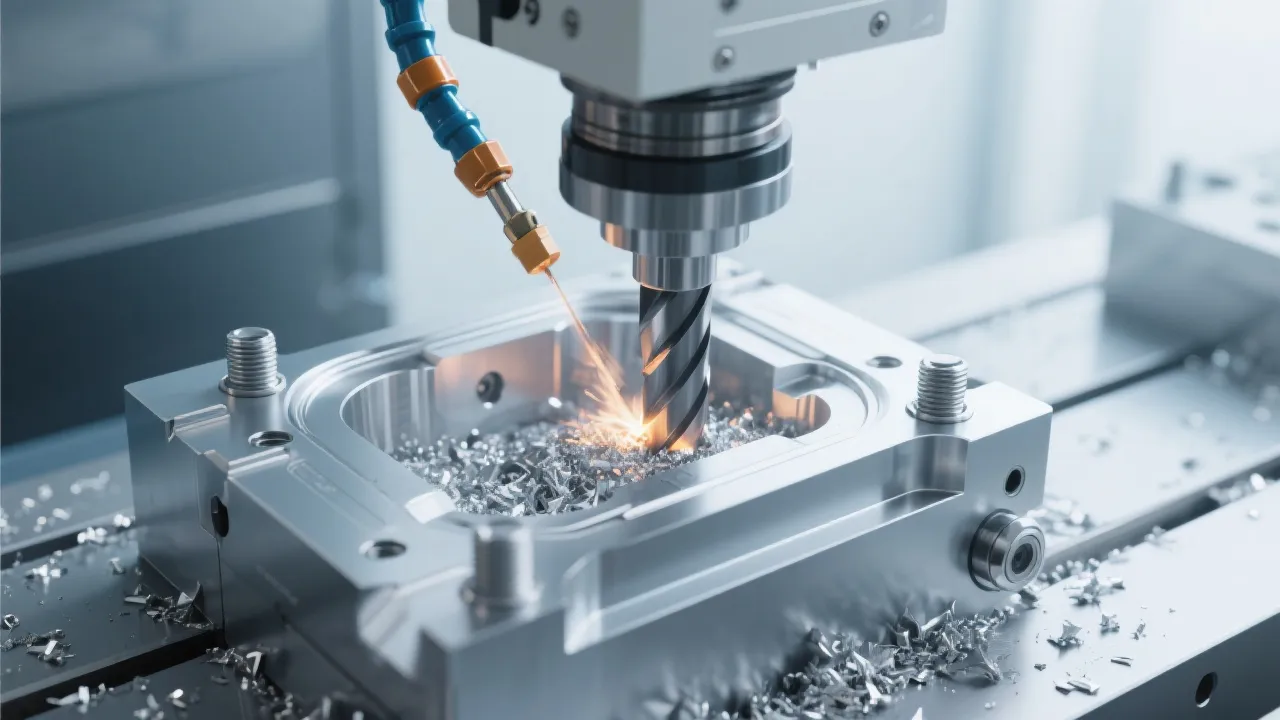
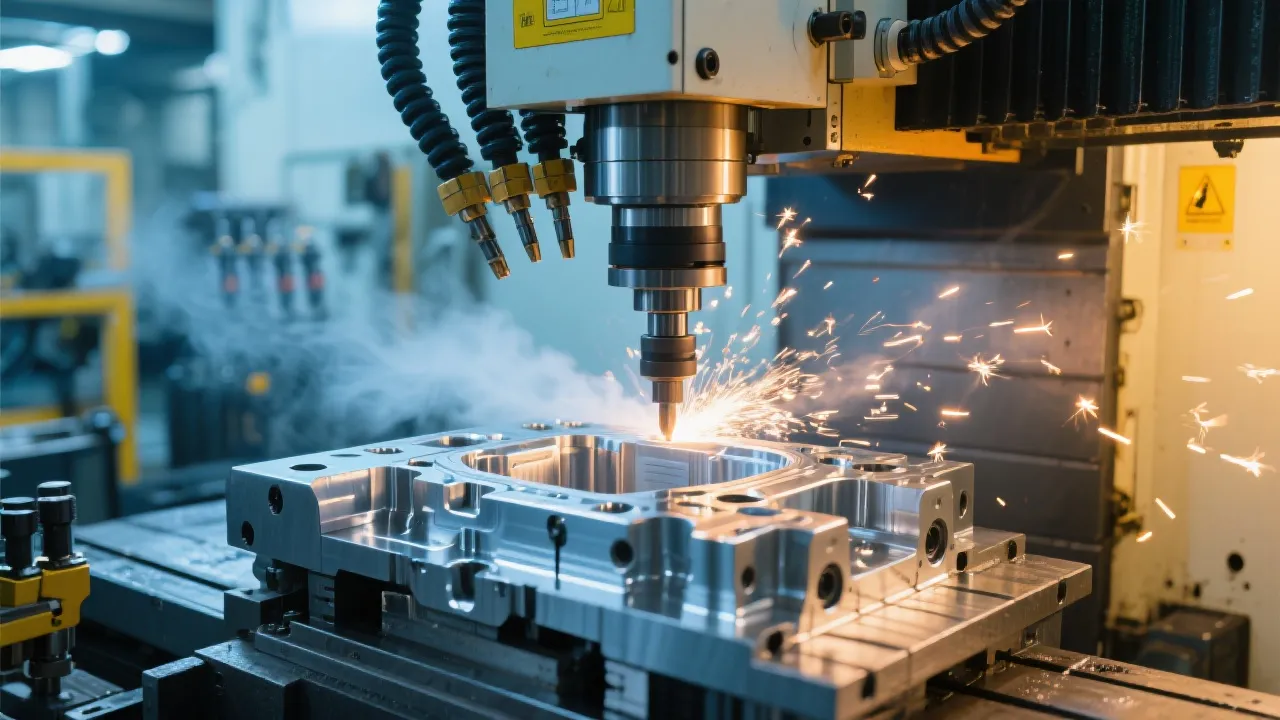
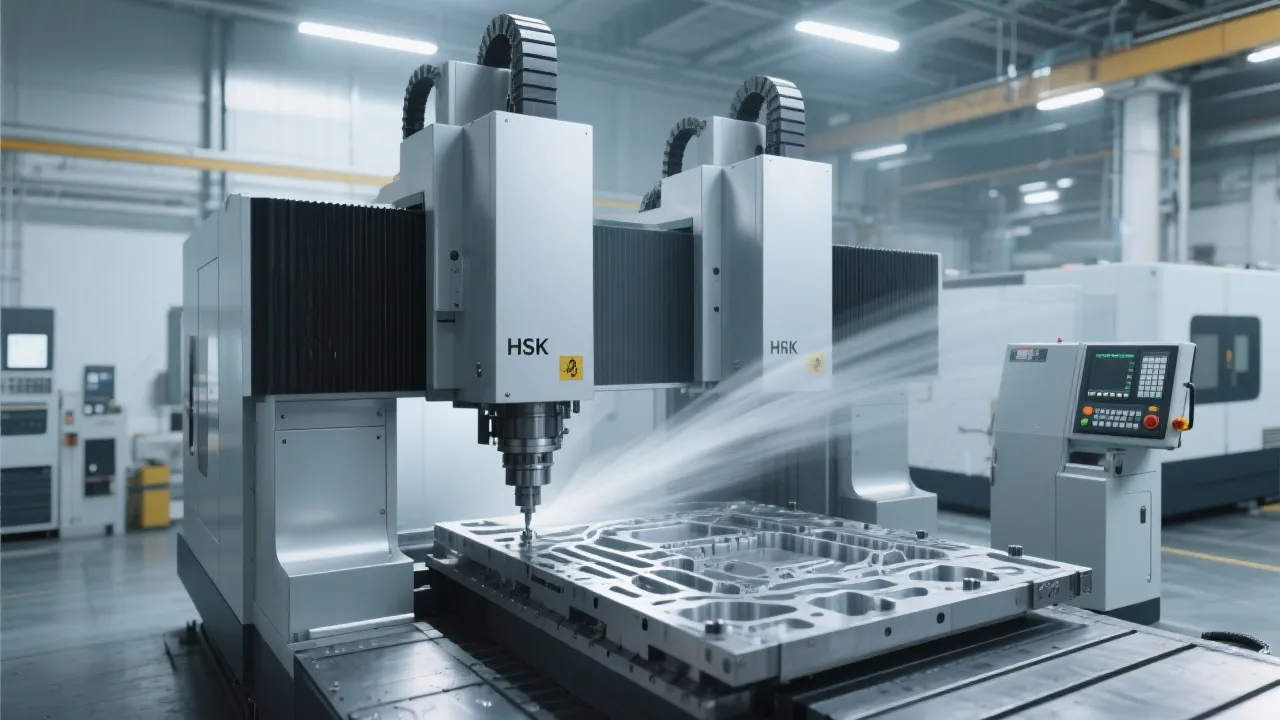
Effective cooling is paramount in wheel machining, where high material removal rates generate significant heat. Through-spindle coolant delivery systems operating at 70-100 bar pressure provide optimal chip evacuation and tool cooling. For aluminum alloys, water-soluble coolants with 8-10% concentration strike the ideal balance between lubrication and heat dissipation.
Magnesium machining requires special coolant considerations. Use water-free lubricants and maintain proper ventilation to mitigate fire risks associated with magnesium dust accumulation.
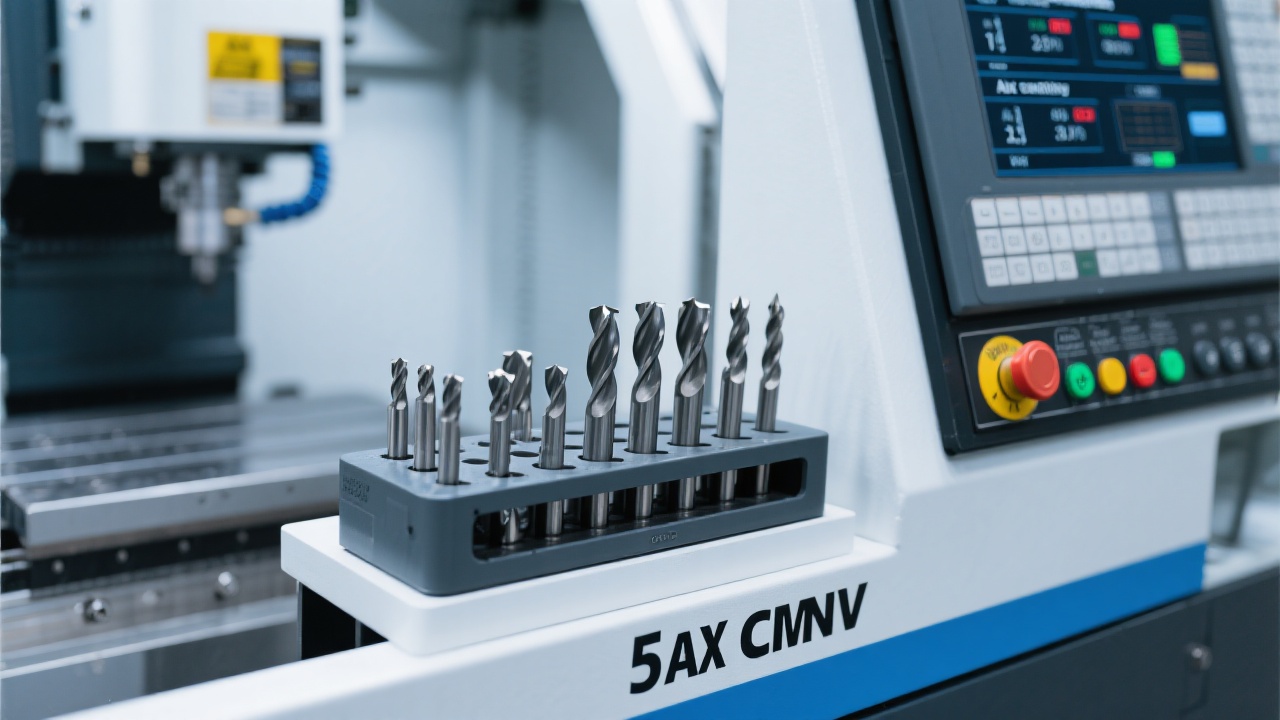
Even with proper setup, wheel manufacturers face recurring issues. Addressing these common problems can significantly improve production yields:
Discover how Kaibo CNC solutions can increase your production efficiency by up to 40% while improving part quality and reducing waste.
Download our Automotive Wheel Machining GuideContinuous improvement remains essential in the competitive automotive manufacturing landscape. By integrating these CNC milling best practices with regular operator training and process validation, manufacturers can achieve consistent quality while meeting increasingly demanding production schedules. The key lies in balancing technical precision with operational efficiency—a balance that defines industry leaders in wheel manufacturing today.