In today’s competitive global manufacturing landscape, consistency isn’t just a quality goal—it’s a market differentiator. For small-batch CNC machining operations targeting international clients, achieving repeatable accuracy is critical to winning trust and contracts abroad.
The ISO 230-2 standard defines how positioning accuracy should be measured on machine tools like CNC milling centers. According to test data from the German Institute for Machine Tools (IMT), machines compliant with this standard show up to 30% less variation in repeated tool paths over 100 cycles compared to non-compliant ones—especially crucial when producing custom parts for European or North American clients who demand traceability and repeatability.
| Clamping Type | Best For | Avg. Setup Time | Error Reduction Potential |
|---|---|---|---|
| Mechanical Clamp | High-volume batch jobs | 2–4 min | ~15% |
| Pneumatic Clamp | Medium-volume, fast changeovers | 1–2 min | ~25% |
| Magnetic Clamp | Flat or ferromagnetic workpieces | <1 min | ~30% |
A real-world case study from a Chinese SME exporting to Germany showed that switching from manual clamps to pneumatic systems reduced setup time by 40% while improving positional deviation from ±0.03mm to ±0.01mm—a key factor in passing ISO-certified audits.
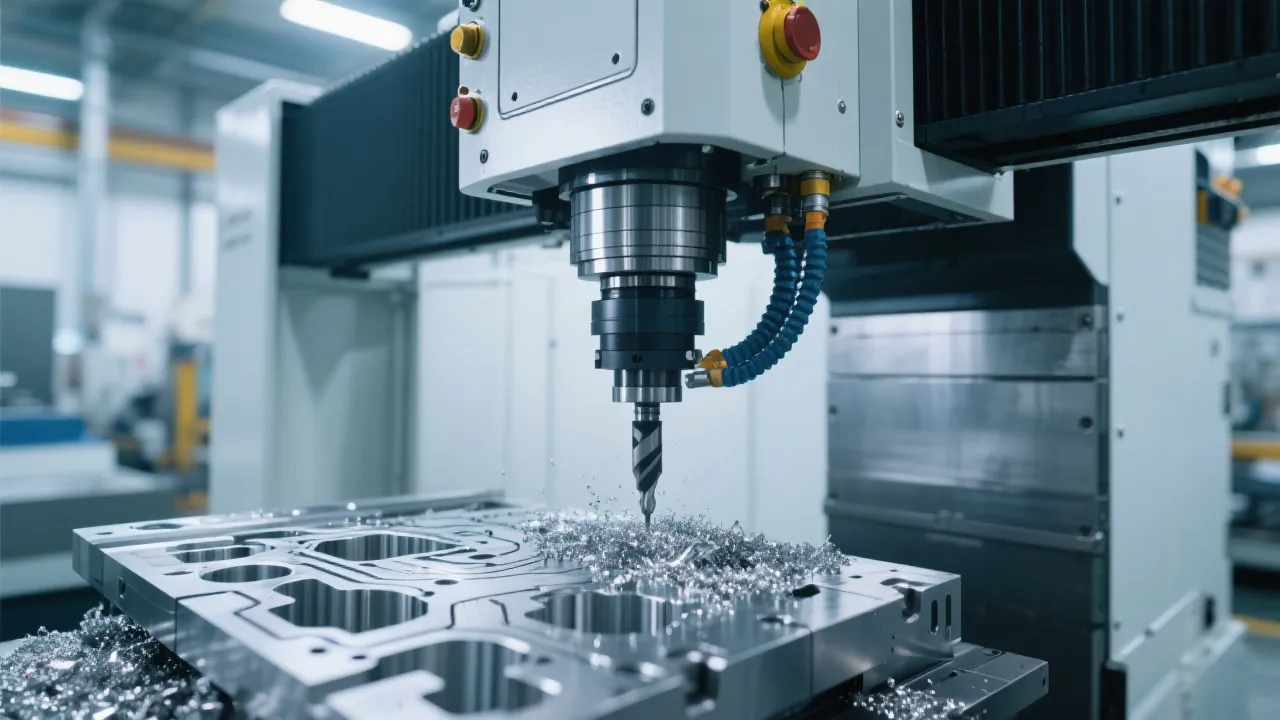
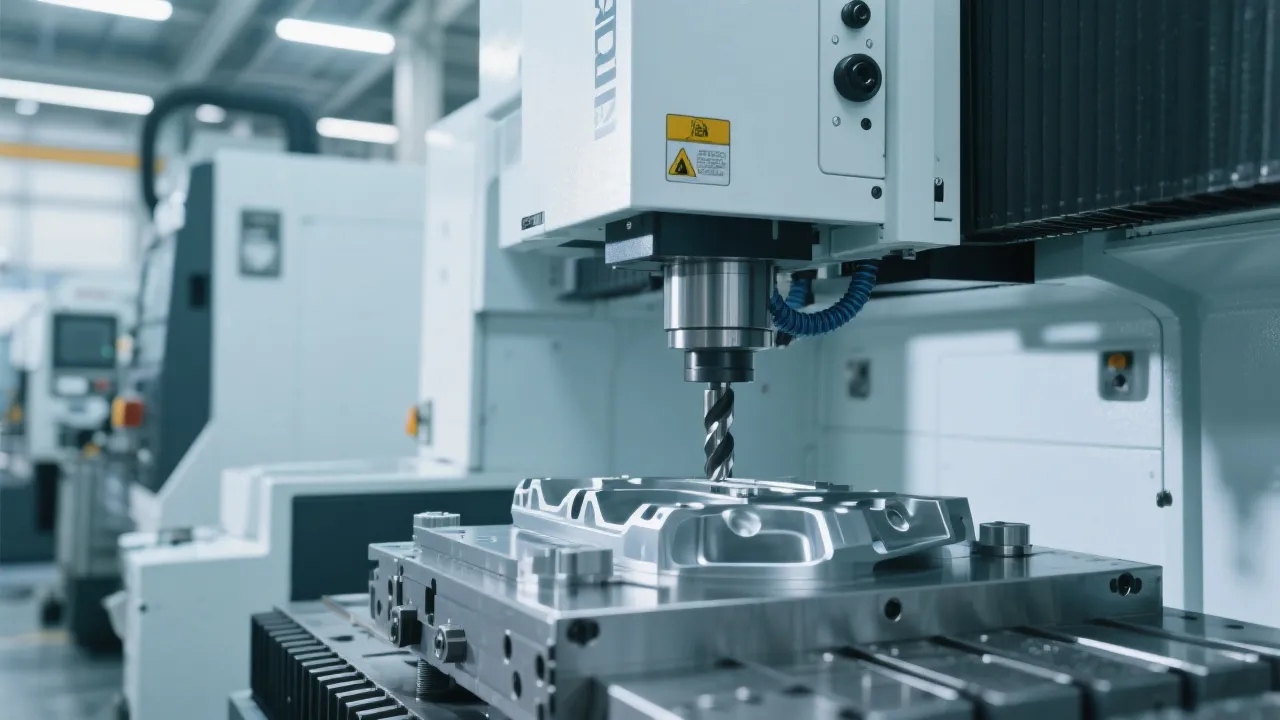
Even minor clamping errors can lead to warping, surface finish issues, or inconsistent dimensions—problems that hurt your reputation with overseas buyers. Key tips include:
These practices not only improve product consistency but also reduce scrap rates by an average of 18%, according to a 2023 survey of 50+ CNC shops across Asia and Europe.
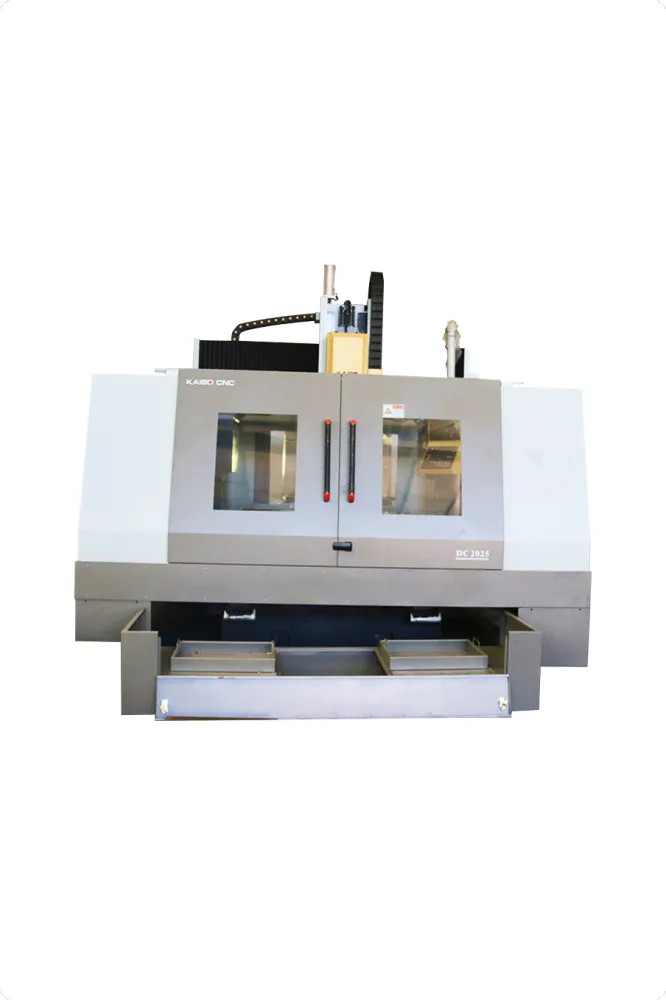
Discover how the GJ8070 High-Speed CNC Milling Center supports multiple quick-clamp solutions—from mechanical to magnetic—to help you meet global standards faster and more reliably.
Click here to explore GJ8070’s flexible clamping optionsWhether you’re shipping to the U.S., EU, or Middle East, mastering positioning accuracy through smart clamping isn’t optional—it’s essential for scaling your B2B business internationally.