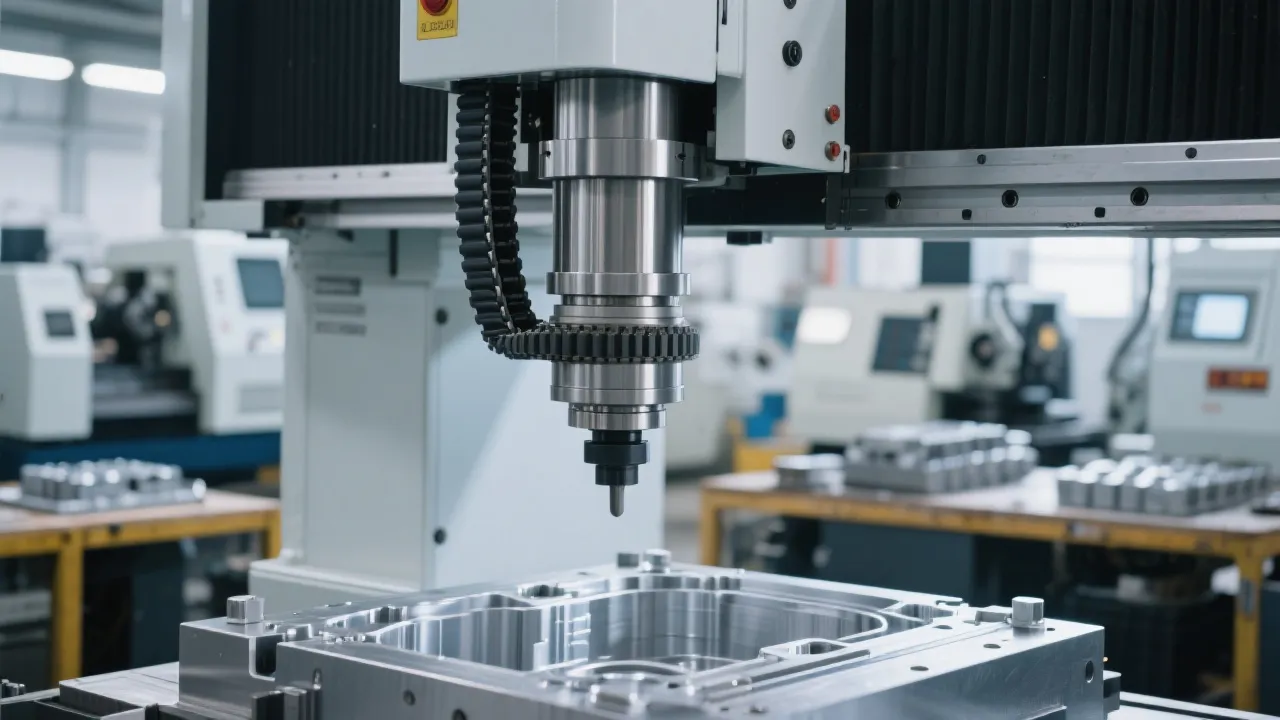
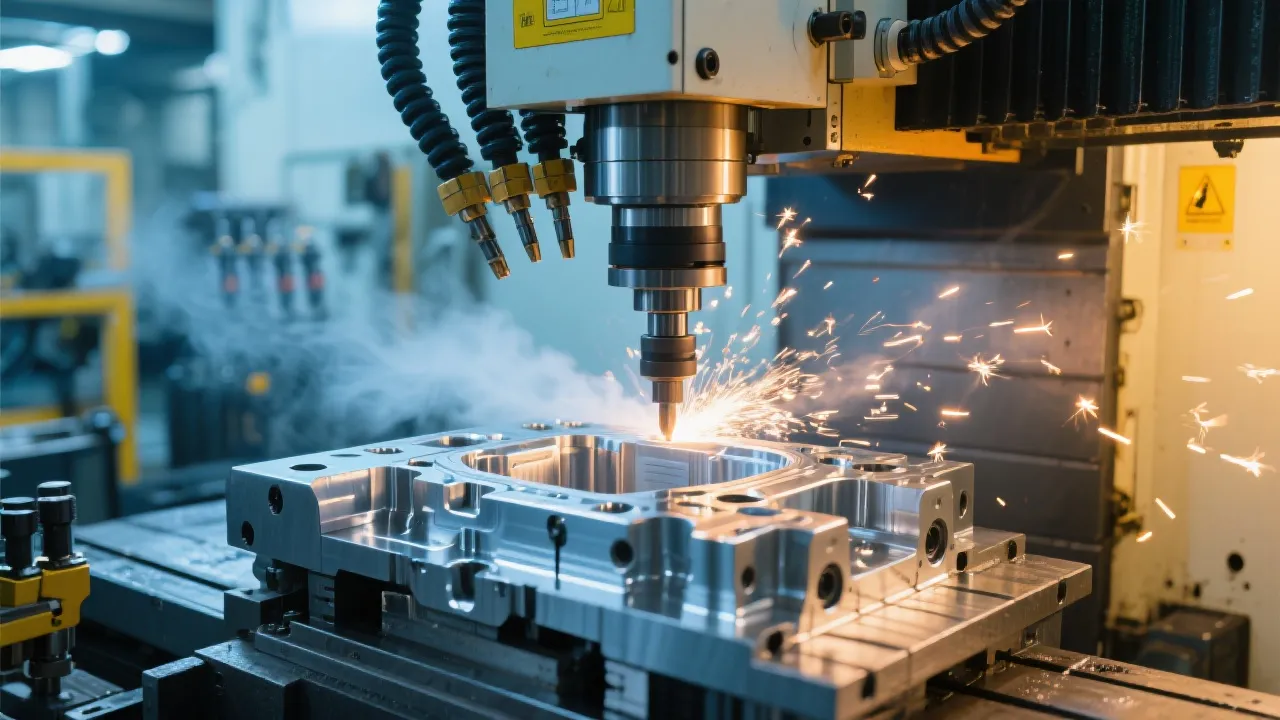
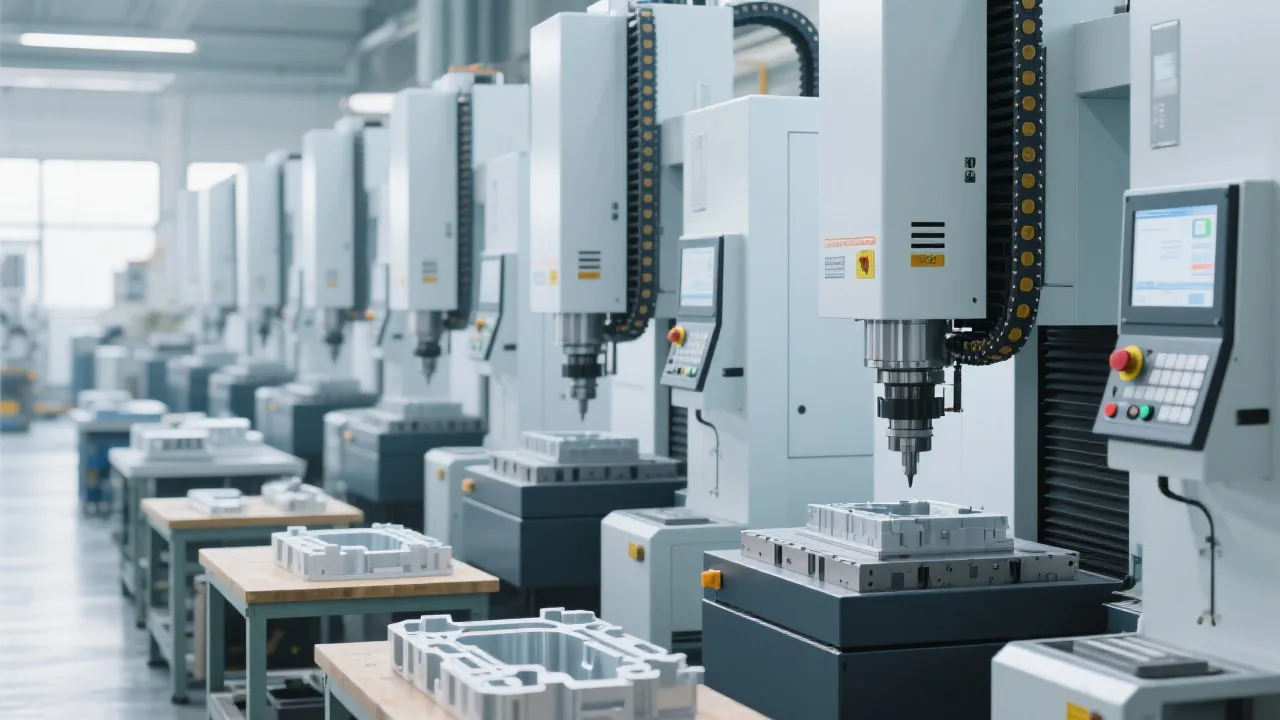
As a manufacturing engineer, you understand that the precision of copper electrode machining directly impacts EDM performance and final part quality. The challenge lies in optimizing cutting parameters across diverse materials—from soft aluminum alloys to hardened stainless steels—while extending tool life and maintaining tight tolerances. In this guide, we'll explore proven strategies to overcome common machining hurdles and maximize your CNC milling productivity.
Different workpiece materials demand distinct approaches. Aluminum alloys (6061-T6, 7075) with their high thermal conductivity (167 W/m·K) require aggressive cooling, while 304 stainless steel's work-hardening tendency necessitates higher cutting speeds. How do these material properties translate to practical machining decisions?
The foundation of efficient copper electrode machining lies in precise parameter settings. Let's examine recommended starting points for common materials:
| Material | Cutting Speed (m/min) | Feed Rate (mm/tooth) | Depth of Cut (mm) |
|---|---|---|---|
| Aluminum Alloys | 150-300 | 0.15-0.30 | 0.5-2.0 |
| Stainless Steel 304 | 60-120 | 0.08-0.15 | 0.2-1.0 |
| High-Strength Alloy Steel | 40-80 | 0.05-0.12 | 0.1-0.8 |
Remember that these are starting points. The cutting speed formula Vc = π × D × N / 1000 (where D is tool diameter in mm and N is spindle speed in RPM) can help you calculate precise spindle speeds for different tool sizes. Always perform test cuts to fine-tune parameters for your specific application.
Tool material choice significantly impacts both machining performance and costs. For aluminum mold machining, uncoated or TiAlN-coated carbide tools (10-15% cobalt content) typically provide the best balance of wear resistance and cost-effectiveness. When working with hardened materials exceeding 45 HRC, consider silicon nitride ceramic inserts, which can operate at 300-500 m/min cutting speeds despite higher initial costs.
Maintaining consistent chip load is critical for tool longevity. A 0.02mm deviation from optimal feed rate can reduce tool life by up to 40%. Consider implementing adaptive control systems that adjust feed rates based on real-time cutting conditions.
Efficient toolpaths minimize air cutting and ensure consistent engagement. For copper electrodes with intricate geometries:
Even with optimal parameters, challenges arise. Here's how to address typical issues:
Solution: Check for excessive radial engagement (>50% tool diameter). Reduce feed rate by 15-20% or switch to a more rigid tool holder. For brittle materials, ensure sufficient coolant pressure (minimum 70 bar).
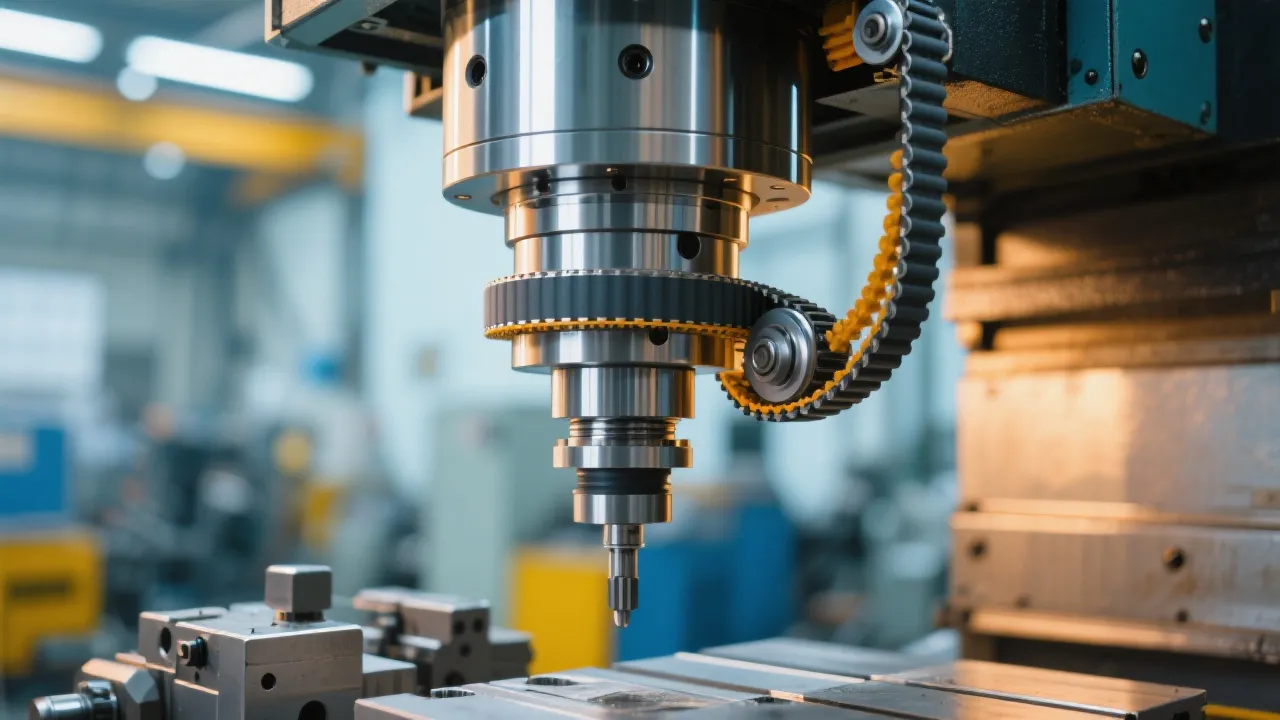
Solution: Verify spindle runout (should be <0.003mm). Increase coolant concentration to 8-10% for aluminum or switch to high-performance synthetic coolant for steel alloys. Reduce stepover to 10-15% for finishing operations.
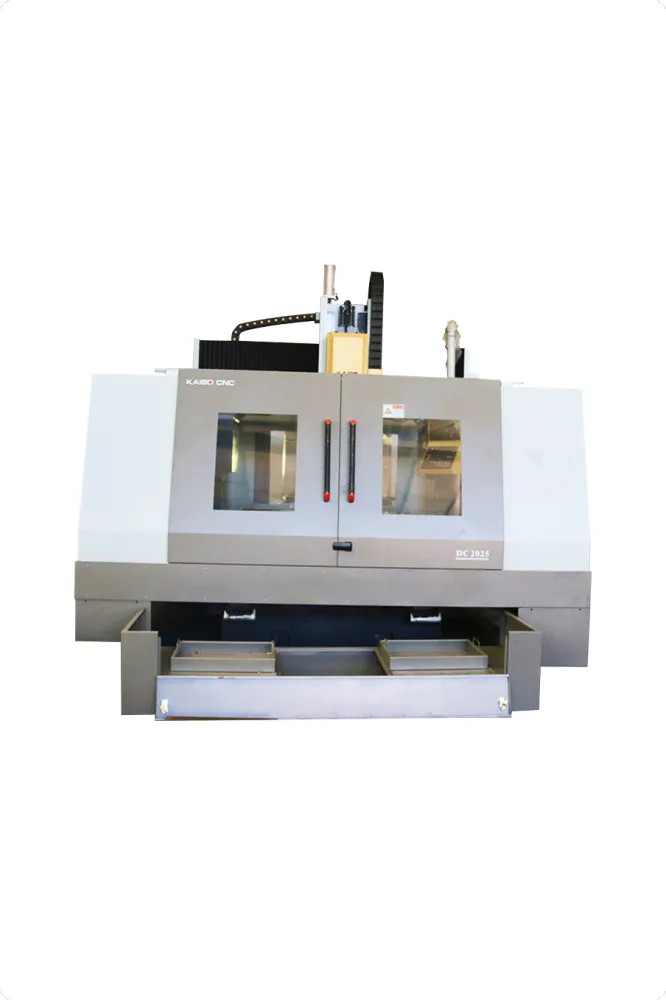
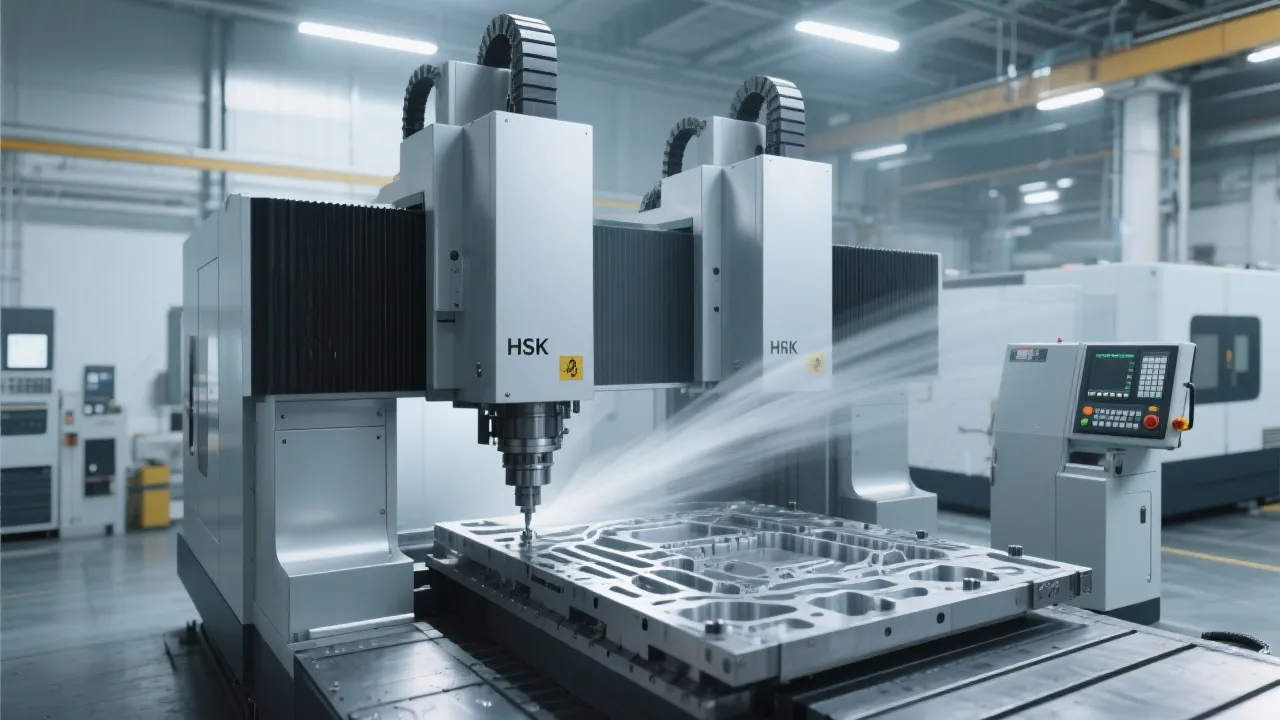
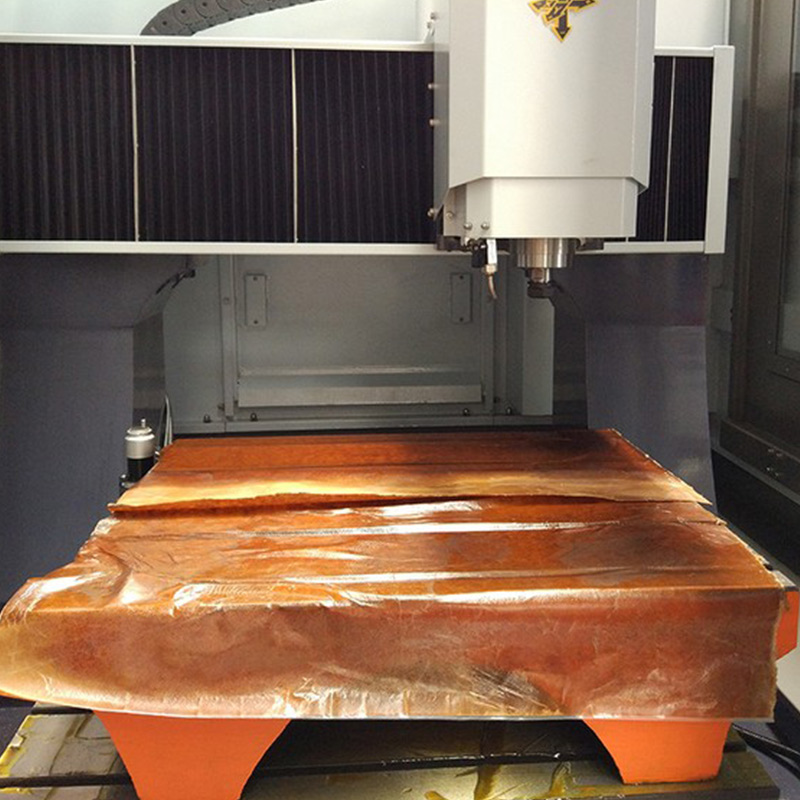
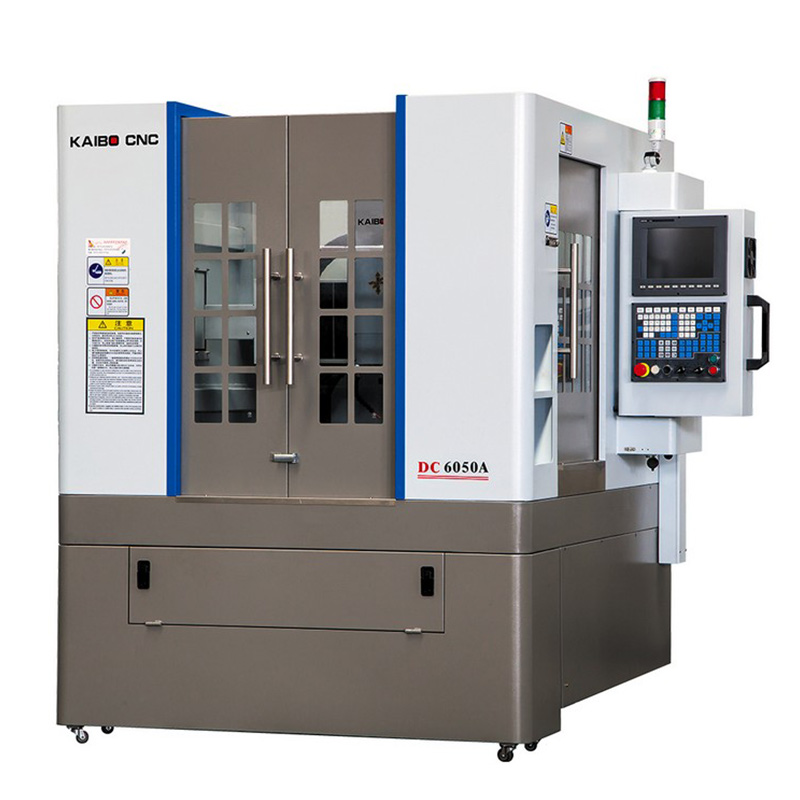
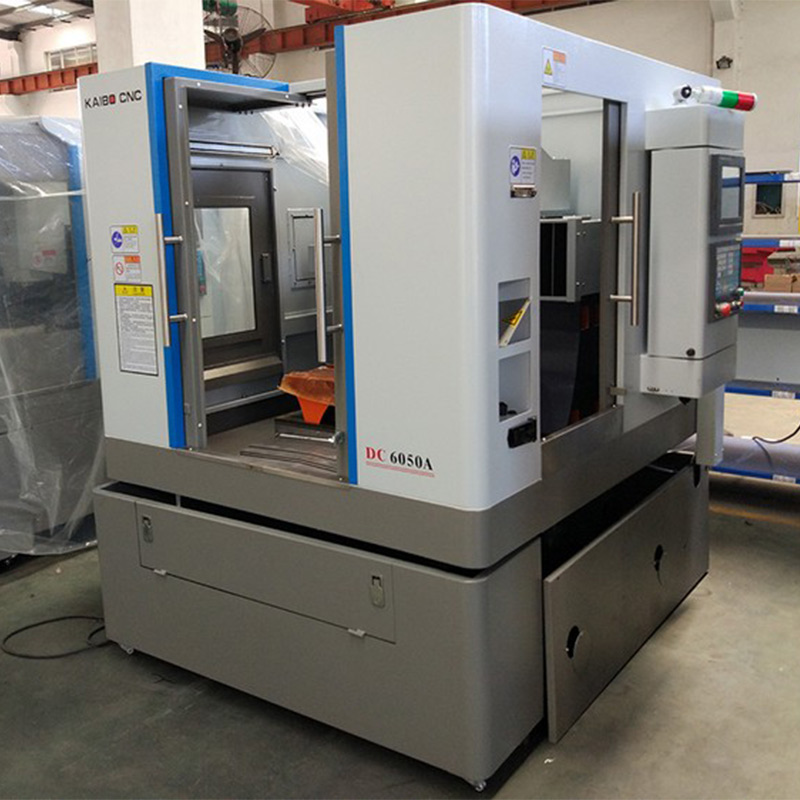
When working with complex electrode geometries, machine stability becomes paramount. The 凯博数控 DC6050A provides the stable performance required for maintaining precision during complex surface machining, ensuring consistent results even in high-volume production environments.
Copper electrode machining isn't limited to mold making. From automotive die casting to aerospace component manufacturing, the ability to efficiently machine electrodes from various materials creates new opportunities for your CNC equipment. By mastering these techniques, you can increase machine utilization by 20-30% through expanded application capabilities.
Discover how 凯博数控 solutions can help you achieve higher precision, longer tool life, and improved efficiency in copper electrode manufacturing.
Explore 凯博数控 Copper Machining SolutionsEvery machining environment has unique challenges, but the fundamental principles of material properties, cutting parameters, and tool selection remain consistent. By systematically applying these techniques and continuously monitoring performance metrics, you'll develop a robust process that delivers consistent quality while minimizing costs. The key is to view each machining operation as a data point for continuous improvement rather than a one-time task.