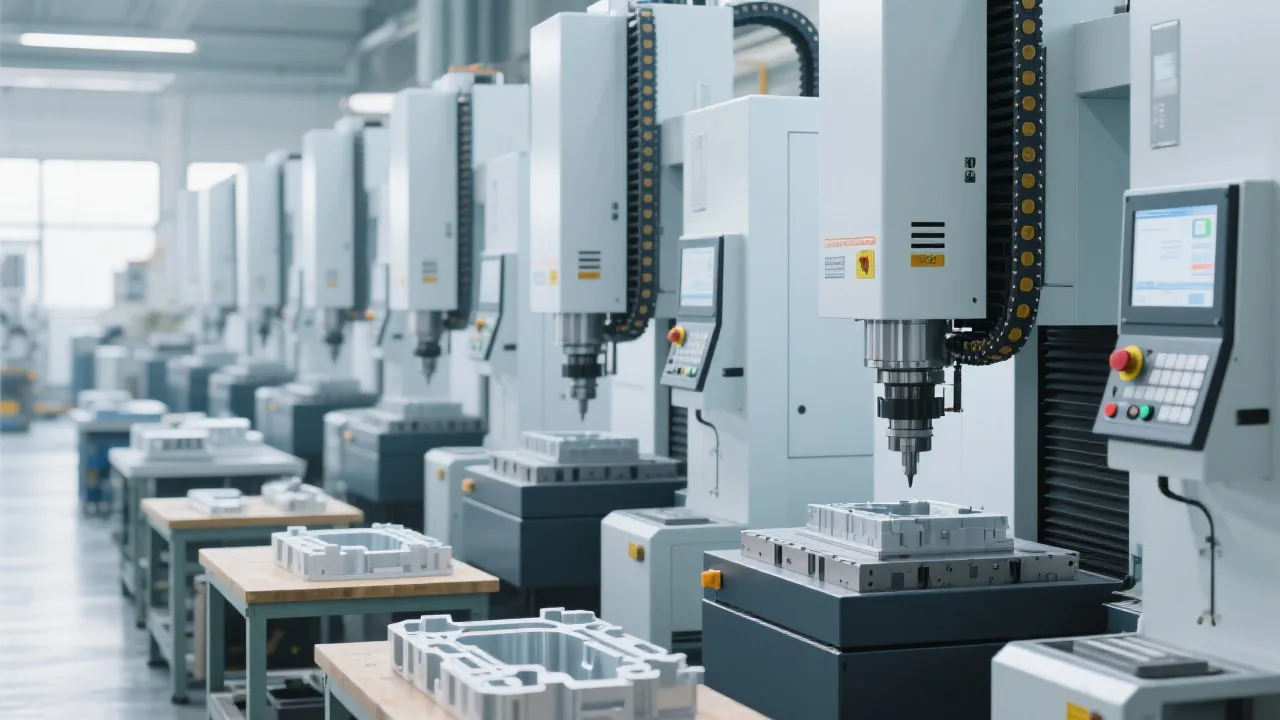
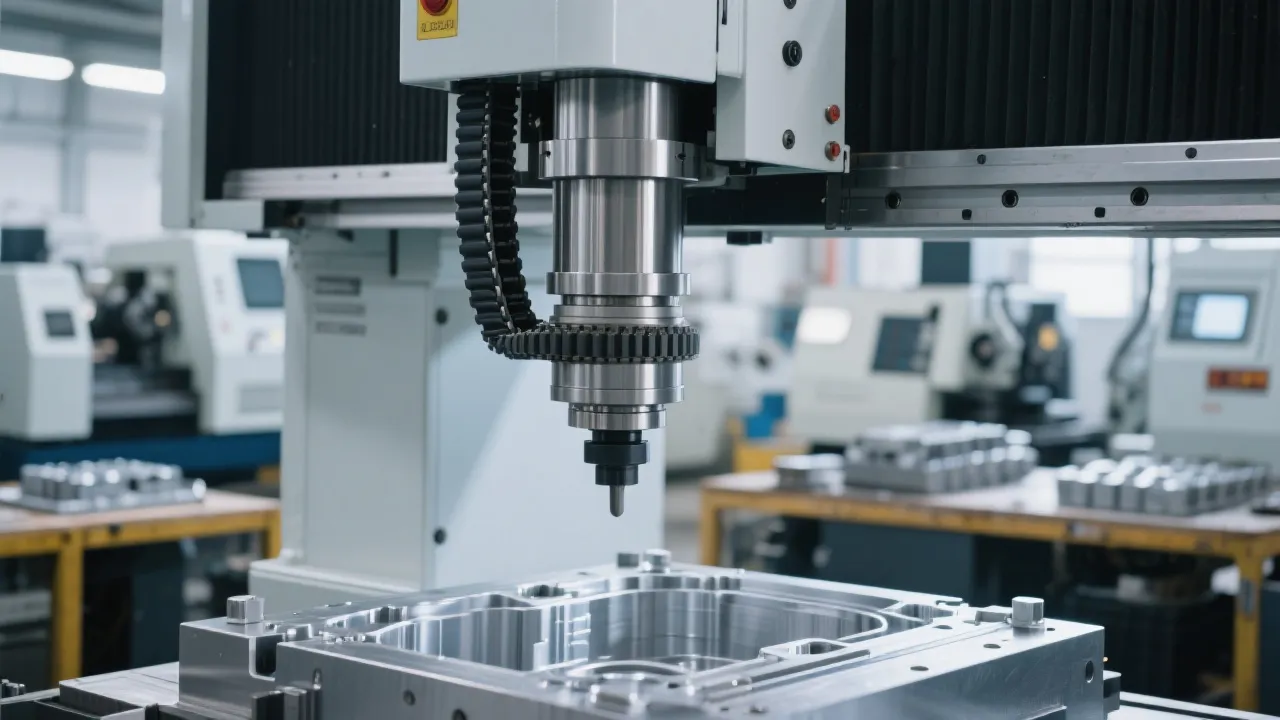
In the precision manufacturing landscape, where every micrometer counts, copper electrode CNC milling stands as a cornerstone technology for achieving the exacting standards required in EDM (Electrical Discharge Machining) processes. This article delves into the critical techniques that enable micrometer-level precision in copper electrode machining, exploring how advancements in servo systems, toolpath optimization, spindle rigidity, and thermal stability control are revolutionizing mold manufacturing and precision engineering.
Copper electrodes serve as the precision tools in EDM operations, directly influencing the accuracy, surface finish, and production efficiency of the final mold components. According to industry research, electrode precision errors as small as 5μm can result in up to 15% dimensional deviation in EDM-machined parts, highlighting the critical need for sub-micrometer machining capabilities.
In high-precision mold manufacturing, where tolerances often range from ±2μm to ±5μm, the quality of copper electrode machining directly impacts production costs—with poor electrode precision leading to increased EDM time, higher electrode consumption, and elevated scrap rates.
Modern CNC systems equipped with advanced servo technology represent the first line of defense against precision errors. Leading-edge servo systems can achieve position loop gains exceeding 300Hz, with acceleration rates reaching 1.5G and positioning accuracy of ±1μm. These systems employ real-time feedback mechanisms that adjust for dynamic errors, ensuring consistent precision even during complex contour machining.
凯博数控 (Kaibo CNC) has pioneered servo control algorithms that reduce following error to less than 2μm during high-speed machining, significantly minimizing the geometric deviations that compromise electrode accuracy.
Advanced CAM software now offers specialized toolpath strategies tailored for copper electrode machining. These include:
These strategies, when combined with high-performance cutting tools (typically solid carbide with diamond coatings), can achieve surface finishes as fine as Ra 0.2μm, eliminating secondary polishing operations in many applications.
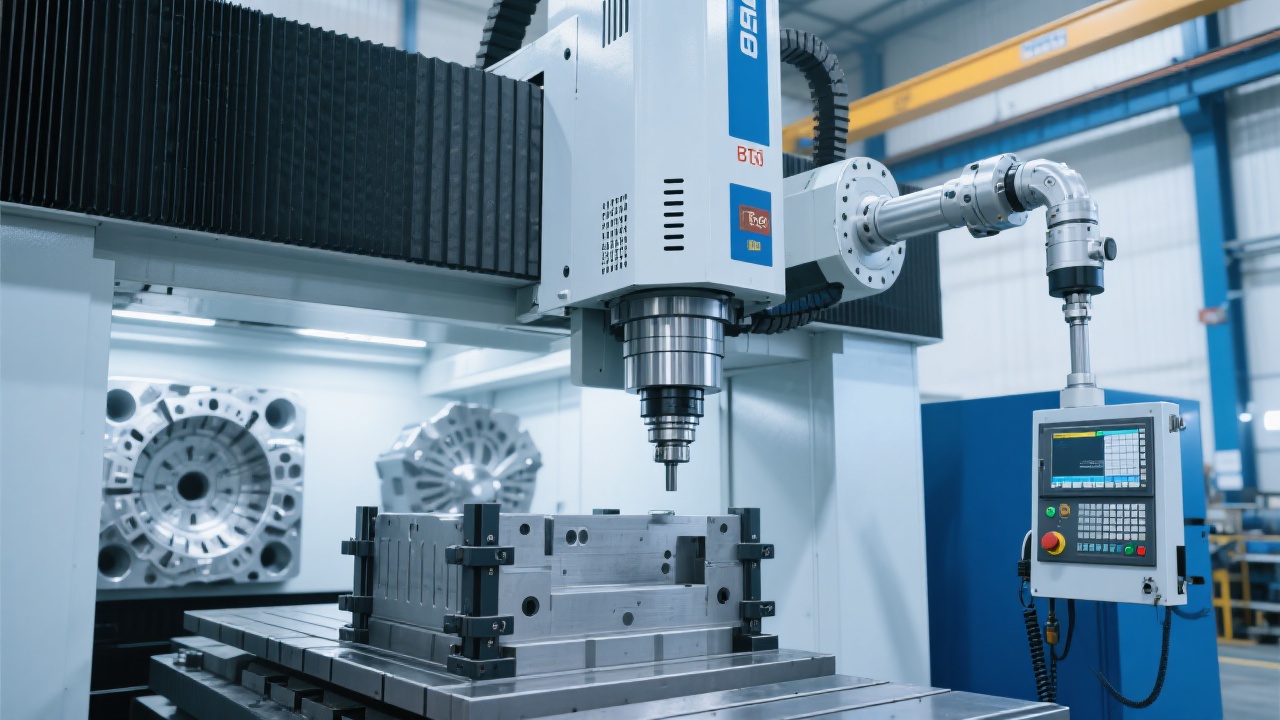
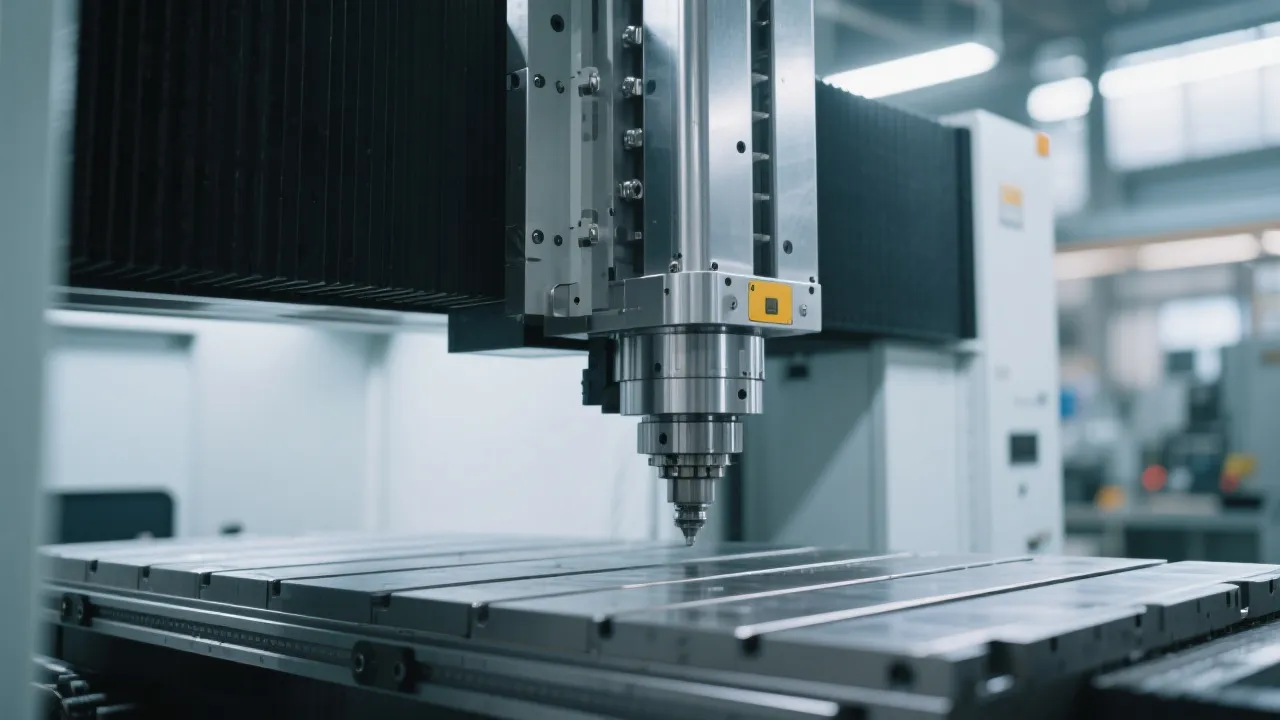
Spindle design plays a pivotal role in maintaining precision during high-speed machining. Modern spindles with ceramic bearings and liquid cooling systems can achieve rotational speeds up to 40,000 RPM while maintaining runout below 1μm. The rigidity of the spindle assembly directly impacts the system's natural frequency, with stiffer designs better able to resist chatter—especially critical when machining the soft, ductile copper material.
Industry testing shows that a 30% increase in spindle rigidity can reduce vibration-induced errors by up to 50%, particularly in deep cavity machining where tool overhang exacerbates deflection issues.
Thermal expansion represents one of the most challenging barriers to micrometer-level precision. A temperature variation of just 1°C can cause dimensional changes of 11.7μm per meter in steel components—easily exceeding typical tolerance requirements.
Advanced machining centers incorporate multi-zone temperature control systems that maintain thermal stability within ±0.5°C. These systems include:
The ISO 230-2 standard provides a comprehensive framework for evaluating machine tool accuracy, establishing uniform methods for measuring positioning accuracy, repeatability, and backlash. When applied to copper electrode machining, compliance with ISO 230-2 ensures:
| Accuracy Parameter | ISO 230-2 Specification | Typical Performance |
|---|---|---|
| Positioning Accuracy (P) | ≤ 10μm | 5-8μm |
| Repeatability (R) | ≤ 5μm | 2-3μm |
| Backlash (B) | ≤ 3μm | 1-2μm |
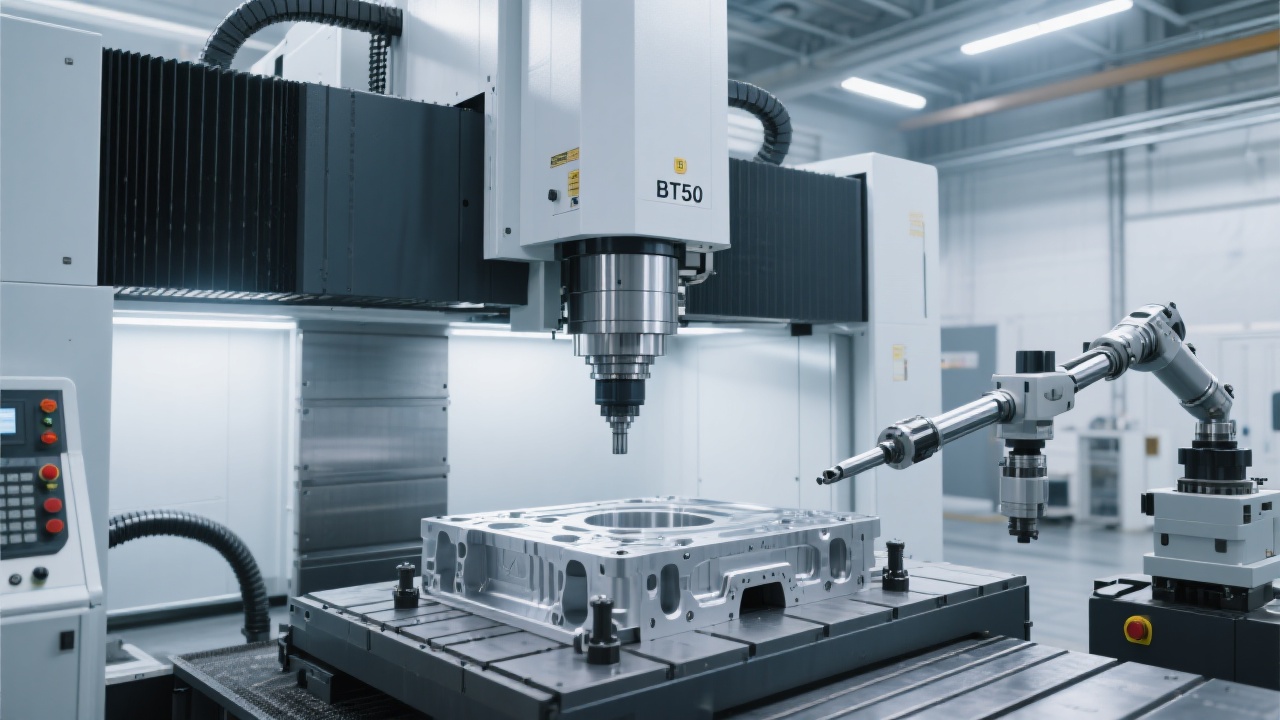
Even with advanced technology, copper electrode machining presents unique challenges that require specialized solutions:
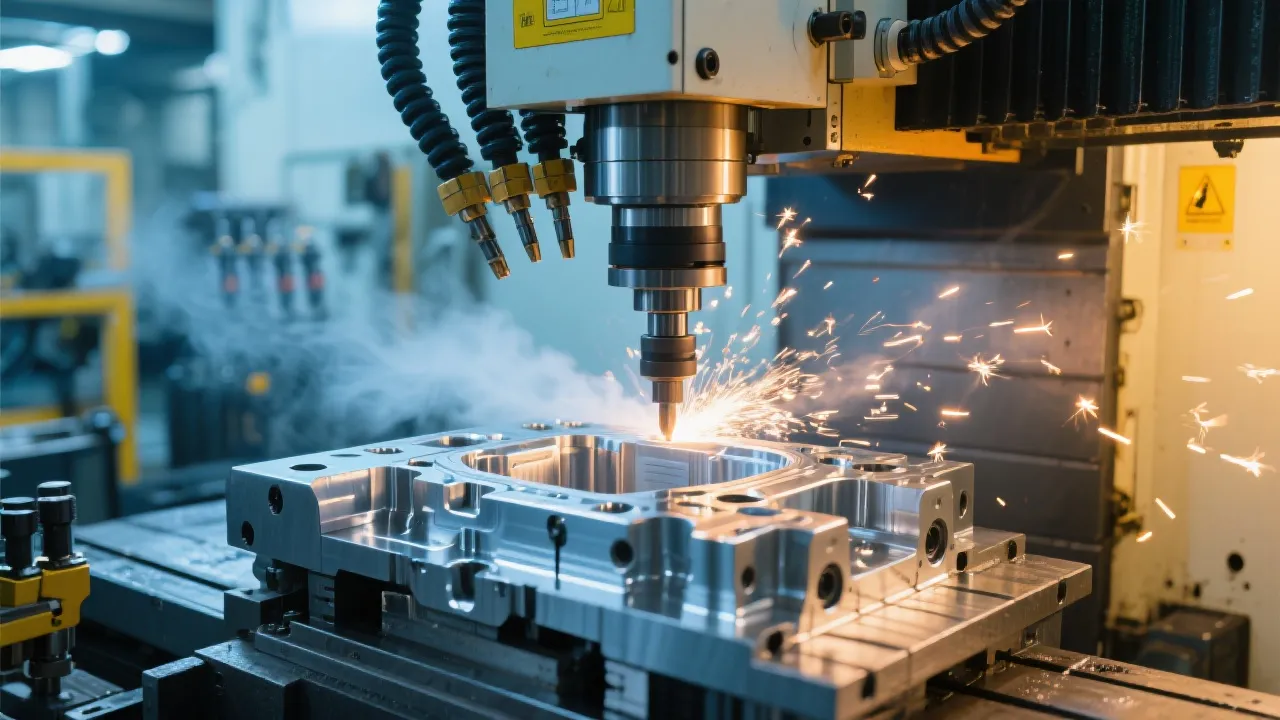
Burr formation in copper machining can be reduced by 70-80% through optimized cutting parameters and tool geometry. Using a positive rake angle (5-10°) combined with high-speed machining (400-600 m/min cutting speed) creates smaller, more manageable burrs that often break away during machining.
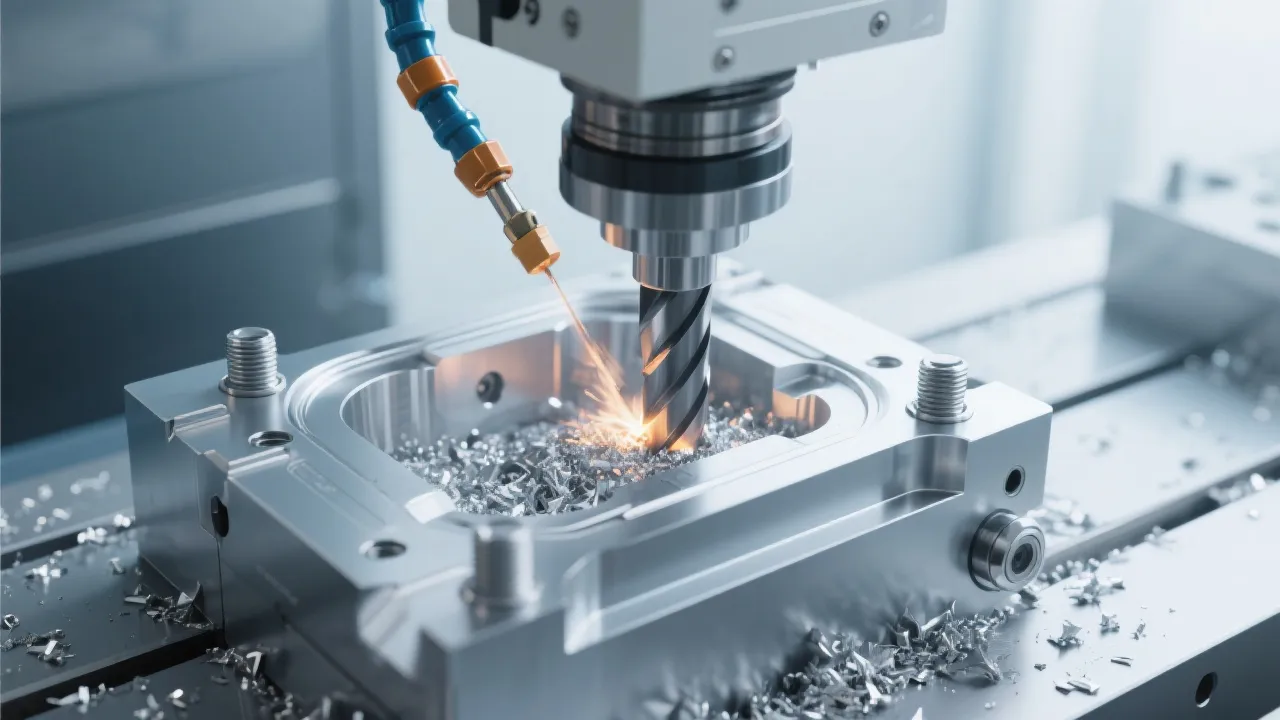
By combining small step-over distances (0.02-0.05mm), high-quality carbide tools with fine edge preparation, and optimized cooling strategies, modern CNC systems can consistently achieve surface roughness values below Ra 0.4μm, eliminating the need for manual polishing in many precision applications.
Discover how advanced copper electrode machining technology can reduce your EDM cycle time by up to 30% while improving part quality and consistency.
Explore Kaibo CNC Precision Machining SolutionsManufacturing excellence in today's competitive landscape demands precision that goes beyond conventional standards. As mold complexity increases and tolerances shrink, the ability to consistently produce copper electrodes with micrometer-level accuracy becomes not just a competitive advantage, but a business necessity. By integrating advanced servo technology, optimized toolpath strategies, rigid machine structures, and comprehensive thermal management, modern CNC systems are redefining what's possible in precision electrode manufacturing.
The future of mold manufacturing belongs to those who can harness these technological advancements to push the boundaries of precision, efficiency, and quality. As materials and design requirements continue to evolve, the importance of robust, reliable copper electrode machining processes will only grow, making it a critical investment for forward-thinking manufacturing operations.