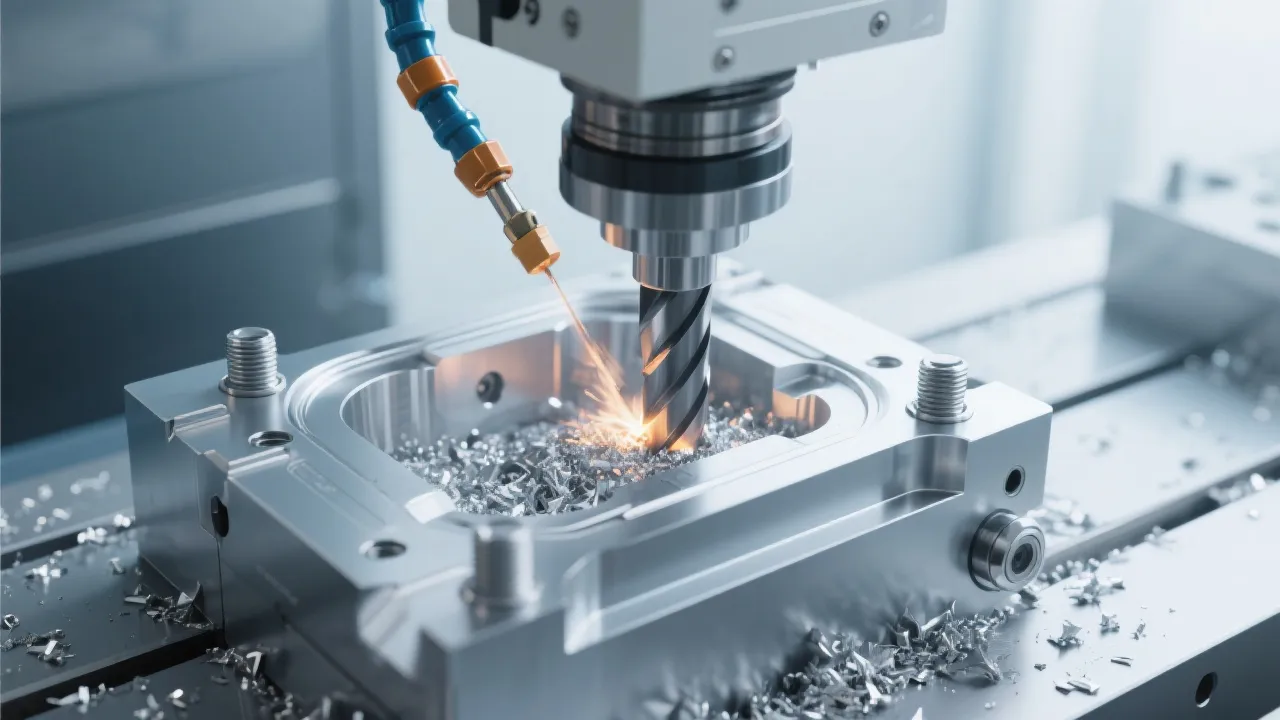
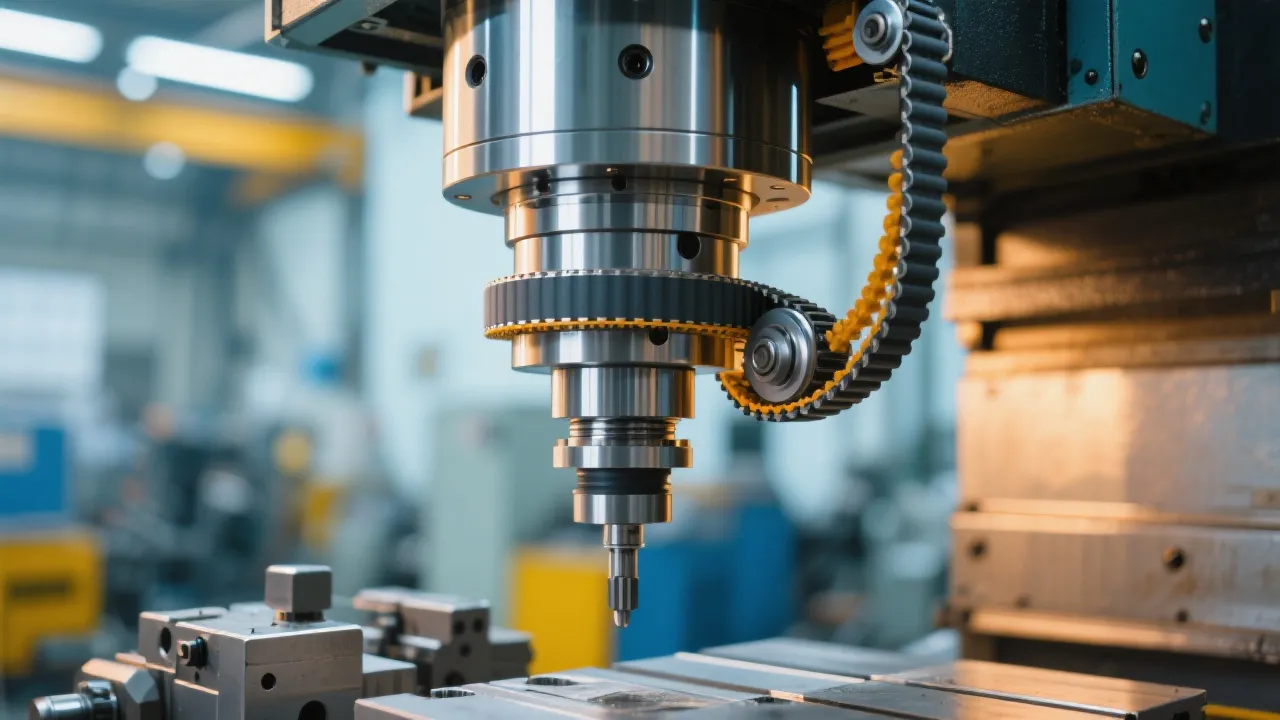
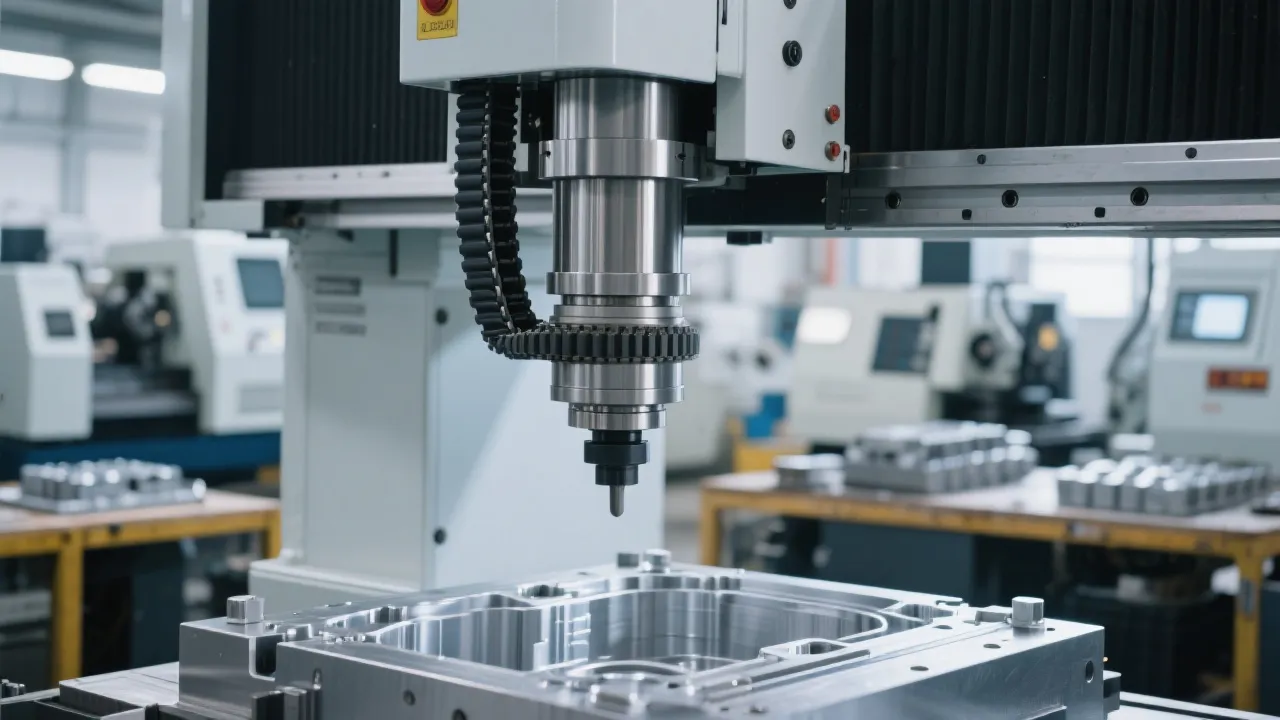
In the competitive landscape of mold manufacturing and precision engineering, the demand for sub-micron accuracy in copper electrode machining has never been more critical. As EDM (Electrical Discharge Machining) processes require electrodes with exceptional precision to produce high-quality molds, manufacturers face significant challenges in achieving consistent micron-level accuracy. This article explores the technological advancements that make this precision possible, focusing on servo system performance, thermal stability control, and tool path optimization.
Copper electrodes serve as the backbone of EDM processes, directly influencing the quality, precision, and surface finish of the final mold components. According to industry research, electrode accuracy directly impacts EDM performance, with a 1μm deviation in electrode dimensions potentially leading to 3-5μm errors in the finished mold. This underscores the importance of advanced CNC milling technologies in electrode manufacturing.
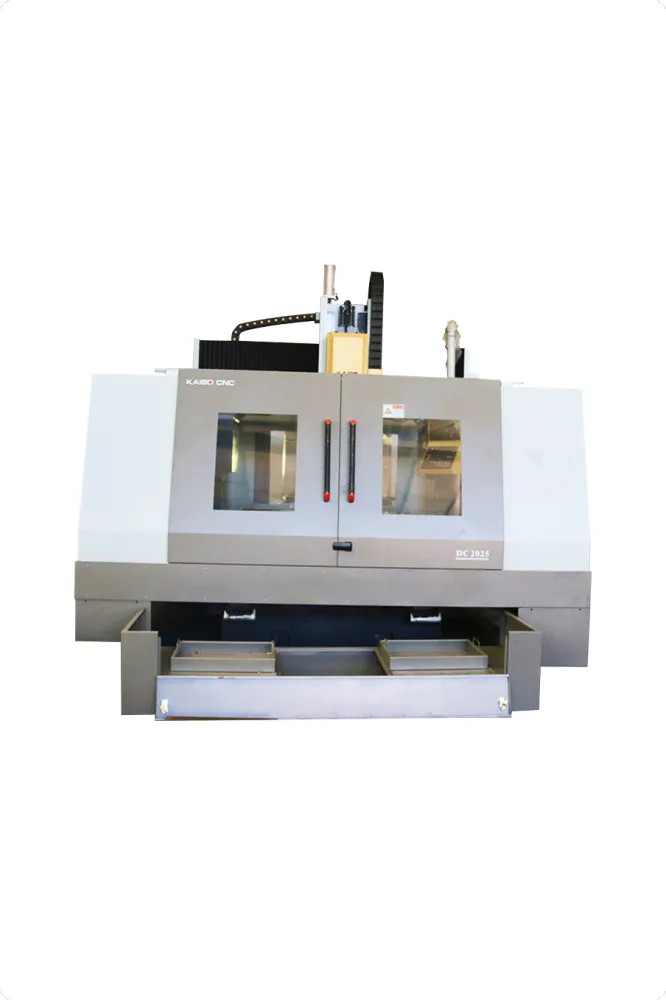
In today's manufacturing environment, where automotive, aerospace, and medical industries demand tolerances as tight as ±2μm, traditional machining methods often fall short. This is where 凯博数控 (Kaibo CNC) has made significant strides, developing machining centers specifically engineered to address the unique challenges of copper electrode manufacturing.
The foundation of micron-level precision lies in the servo system's ability to respond with exceptional speed and accuracy. Modern CNC machines equipped with high-resolution encoders (1 million pulses per revolution) and advanced servo algorithms can achieve positioning accuracies of ±0.5μm. The key performance指标 include:
These specifications ensure that even the most intricate electrode geometries are reproduced with consistent precision, eliminating the cumulative errors that plague conventional machining systems.
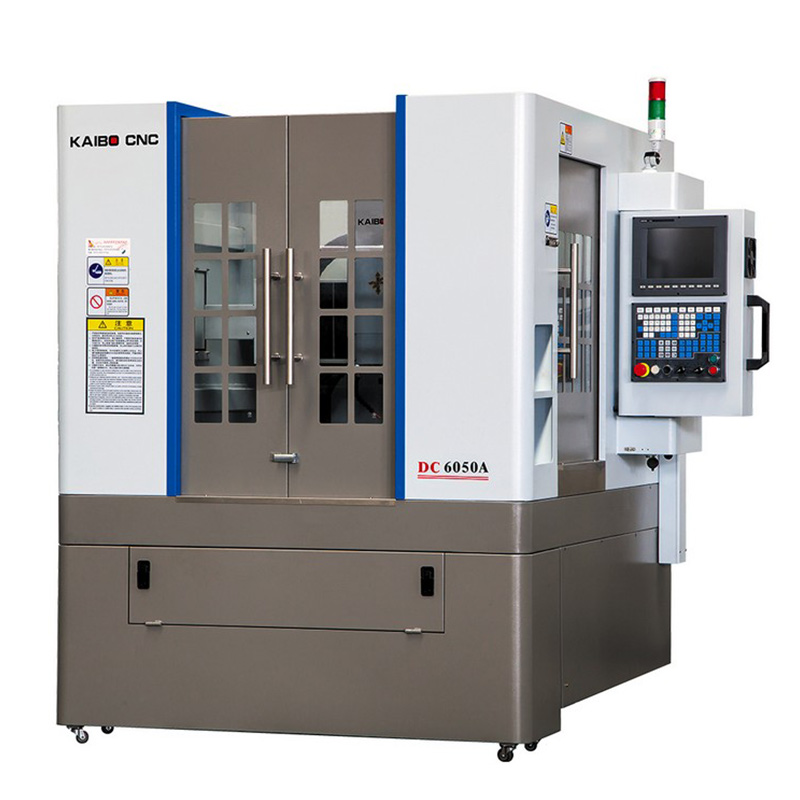
Thermal expansion represents one of the most significant challenges in achieving micron-level accuracy. A temperature variation of just 1°C can cause a 300mm aluminum workpiece to expand by approximately 3.6μm—more than the total tolerance required for many precision electrode applications. To combat this, sophisticated thermal management systems employ multiple strategies:
Implementing these technologies has been shown to reduce thermal-induced errors by up to 80%, according to studies published in the International Journal of Machine Tools & Manufacture.
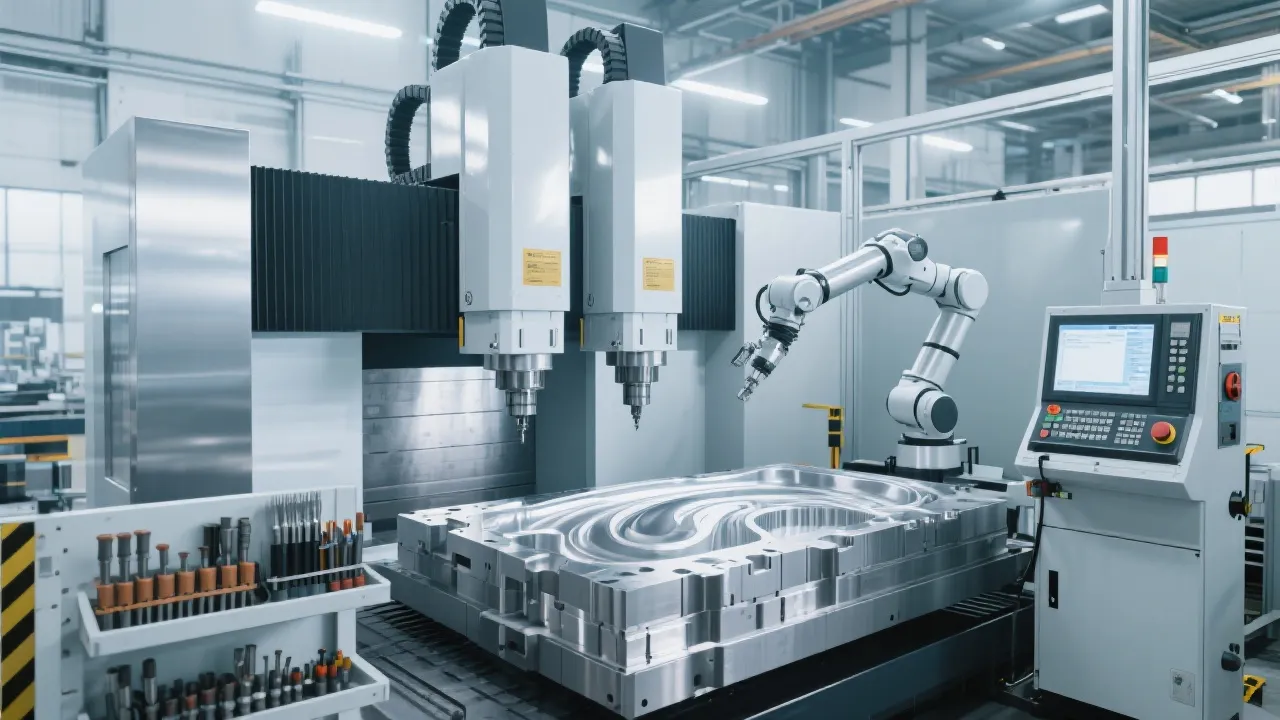
Achieving superior surface finish and dimensional accuracy in copper electrodes requires a harmonious integration of advanced CAM software and high-performance spindle systems. Modern CAM solutions employ AI-powered algorithms that optimize tool paths by:
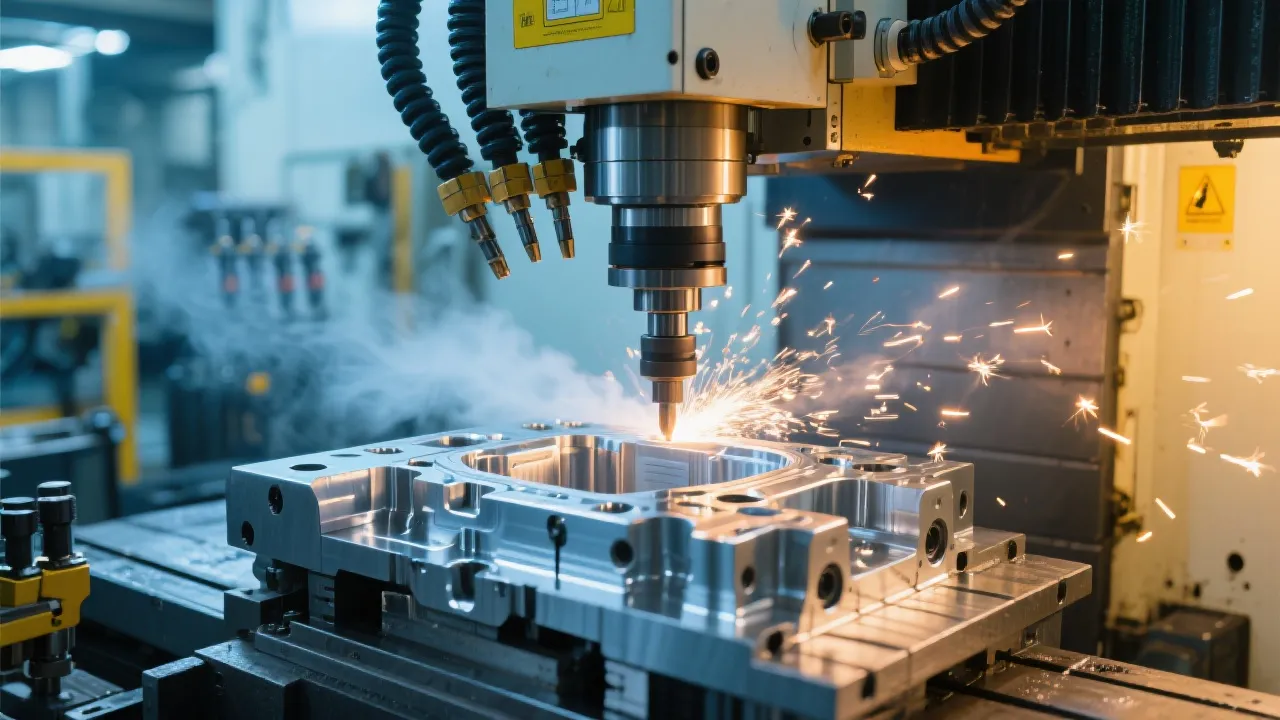
Complementing these software advancements, high-rigidity spindles with ceramic bearings and precision balancing ensure minimal runout (≤1μm at 20,000 RPM) and exceptional damping characteristics. This combination results in surface finishes as fine as Ra 0.2μm, eliminating the need for secondary polishing operations.
When evaluating machining center capabilities, adherence to international standards provides objective performance metrics. The ISO 230-2 standard specifies methods for determining the positioning accuracy of machine tools, including:
| Accuracy Parameter | Conventional Machining Centers | Precision Copper Electrode Machining Centers |
|---|---|---|
| Positioning Accuracy (P) | ±15-20μm | ±2-3μm |
| Repeatability (R) | ±5-8μm | ±1-1.5μm |
| Backlash (B) | 3-5μm | ≤0.5μm |
These metrics demonstrate the significant gap between standard machining equipment and specialized systems designed for copper electrode manufacturing. By investing in ISO 230-2 compliant machines, manufacturers can ensure consistent quality and reduce inspection times by up to 50%.
A leading automotive mold manufacturer recently implemented precision copper electrode machining technology, resulting in measurable business improvements: 32% reduction in electrode production time, 47% decrease in EDM electrode wear, and 28% improvement in mold surface finish quality. These improvements translated directly to a 15% reduction in overall production costs and a 20% increase in customer satisfaction scores.
The key to these results was the integration of advanced servo systems, thermal stability controls, and optimized tool paths—working in harmony to achieve consistent sub-micron accuracy. By addressing the root causes of dimensional variation and surface quality issues, manufacturers can transform their production processes from reactive problem-solving to proactive quality assurance.
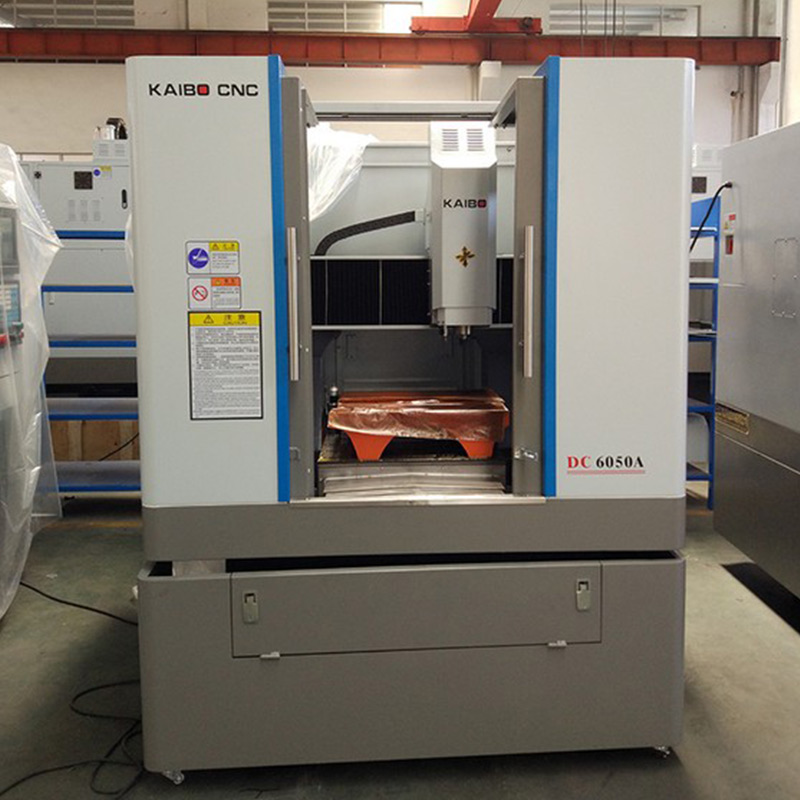
The precision of your copper electrodes directly impacts your competitive position in the global manufacturing market. By leveraging advanced servo technology, thermal stability controls, and optimized machining strategies, you can achieve the micron-level accuracy that modern EDM processes demand.
Discover How 凯博数控 Precision Machining Centers Achieve Micron-Level AccuracyIn an industry where fractions of a millimeter determine success, the technology behind copper electrode machining has become a critical differentiator. As manufacturing requirements continue to push the boundaries of precision, the integration of advanced servo systems, thermal management, and intelligent tool path strategies will remain essential for those seeking to lead in the global marketplace.