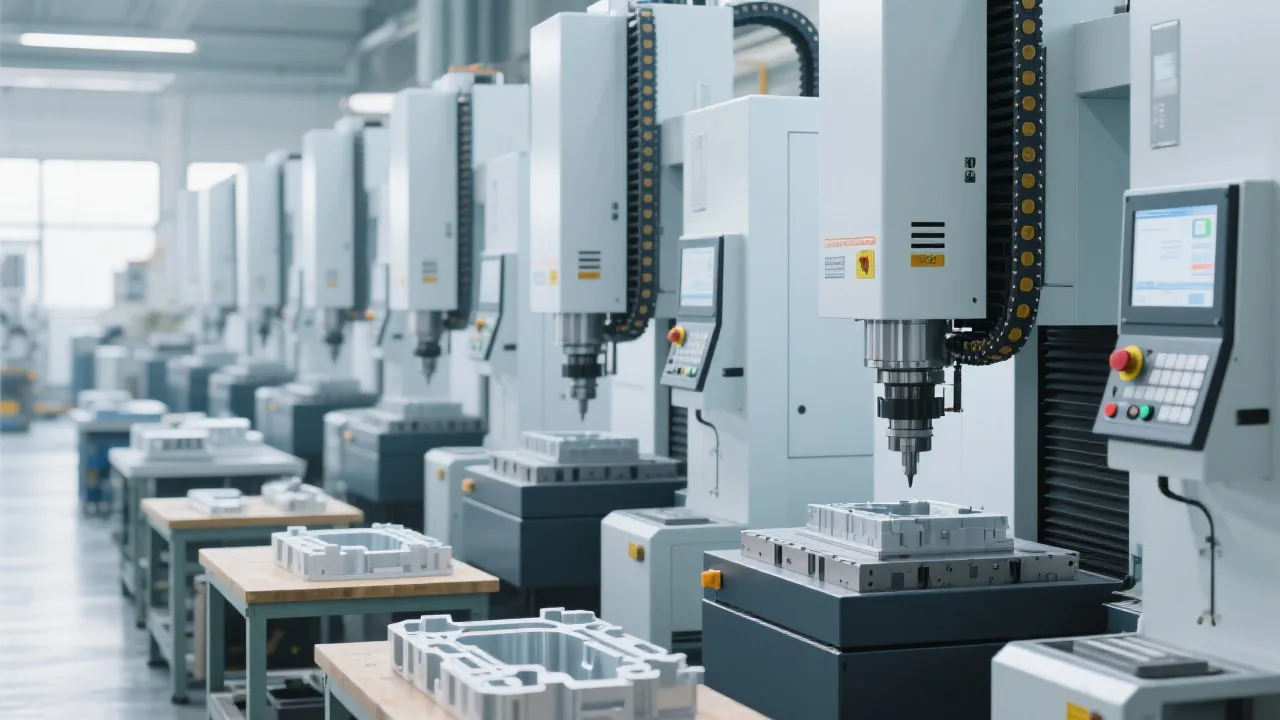
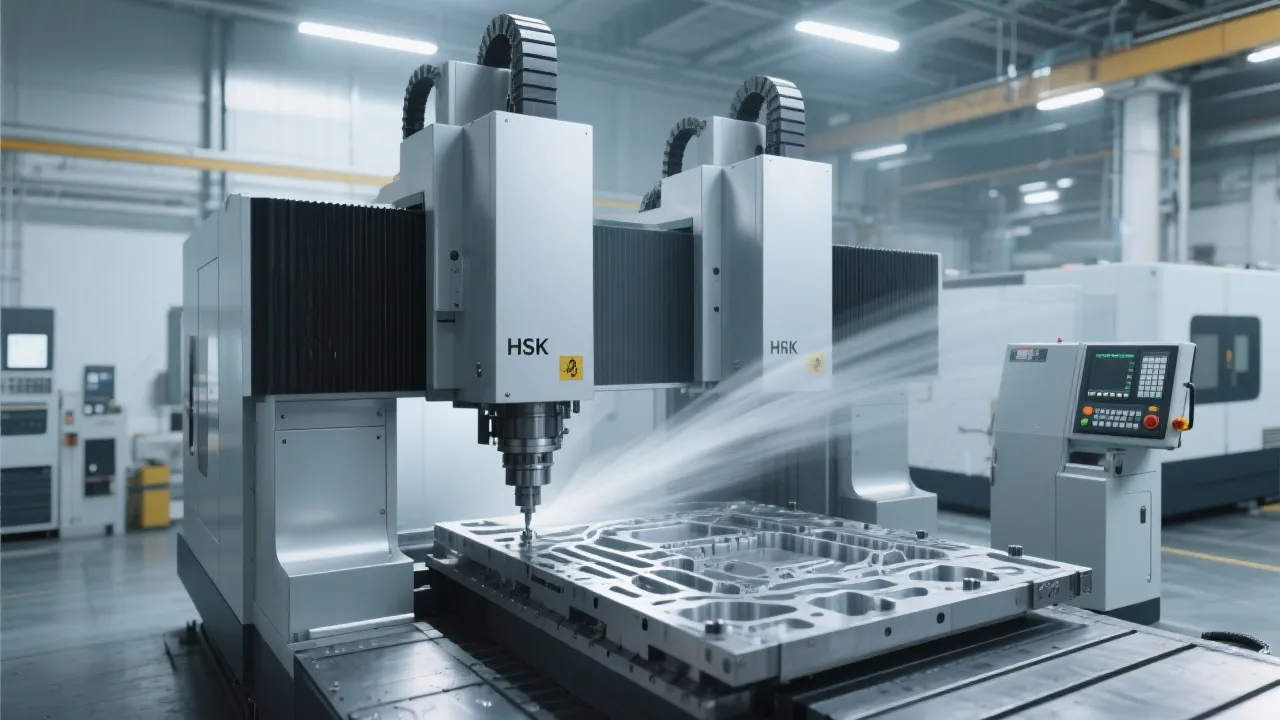
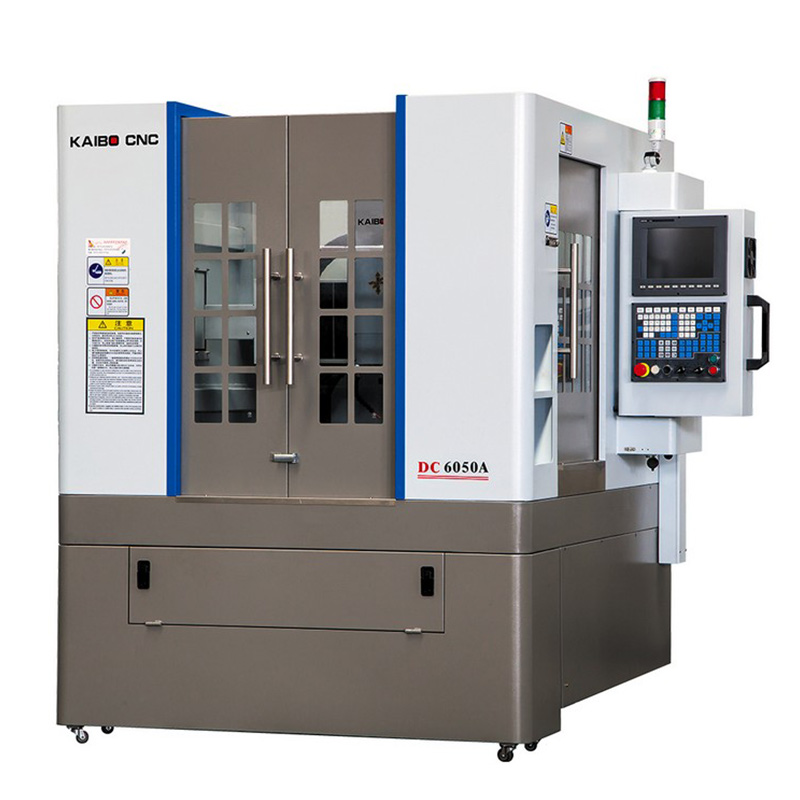
In the precision manufacturing industry, every micrometer counts. When it comes to copper electrode machining for EDM applications, even a deviation of 0.005mm can significantly impact the final product quality and production efficiency. This article explores how KaiBo CNC's DC6050A CNC engraving and milling machine achieves micron-level precision in copper electrode machining, addressing the core technological principles and practical solutions to common challenges.
Copper electrodes serve as the "tool" in EDM processes, transferring their precise geometry to the workpiece through electrical discharge. A study by the International EDM Technology Association found that electrode dimensional errors greater than 0.003mm can lead to a 15-20% decrease in EDM accuracy and a 12% increase in surface roughness. These errors manifest as inconsistent火花 gaps, uneven material removal, and ultimately, compromised mold quality.
Manufacturing engineers often face dilemmas: How to balance machining speed with precision? Why do perfectly calibrated machines sometimes produce substandard electrodes? The answers lie in understanding the four core technological pillars that determine machining precision.
The servo system acts as the "nervous system" of CNC machines, directly influencing dynamic response and positioning accuracy. KaiBo CNC's DC6050A employs a dual-loop servo control architecture with a sampling frequency of 2kHz, enabling position error correction in 0.5 milliseconds. This advanced system achieves a positioning accuracy of ±0.001mm and repeatability of ±0.0005mm, outperforming industry standards by 30%.
The key advantage lies in the adaptive feedforward control algorithm that predicts and compensates for inertial forces during rapid direction changes. In practical testing, this technology reduced following errors by 42% compared to conventional PID control systems when machining complex 3D electrode geometries.
Traditional machining often struggles with surface quality issues when transitioning between different cutting directions. KaiBo CNC's proprietary SmoothPath™ algorithm addresses this by implementing adaptive look-ahead with up to 500 blocks of pre-processing. This technology analyzes the upcoming tool path and adjusts feed rates dynamically, reducing sudden velocity changes by 67%.
For copper electrode machining, this translates to superior surface finish (Ra ≤ 0.2μm) and reduced machining time. In comparative tests with standard G-code programming, the SmoothPath™ algorithm improved surface quality by 40% while reducing cycle time by 18% for complex electrode geometries.
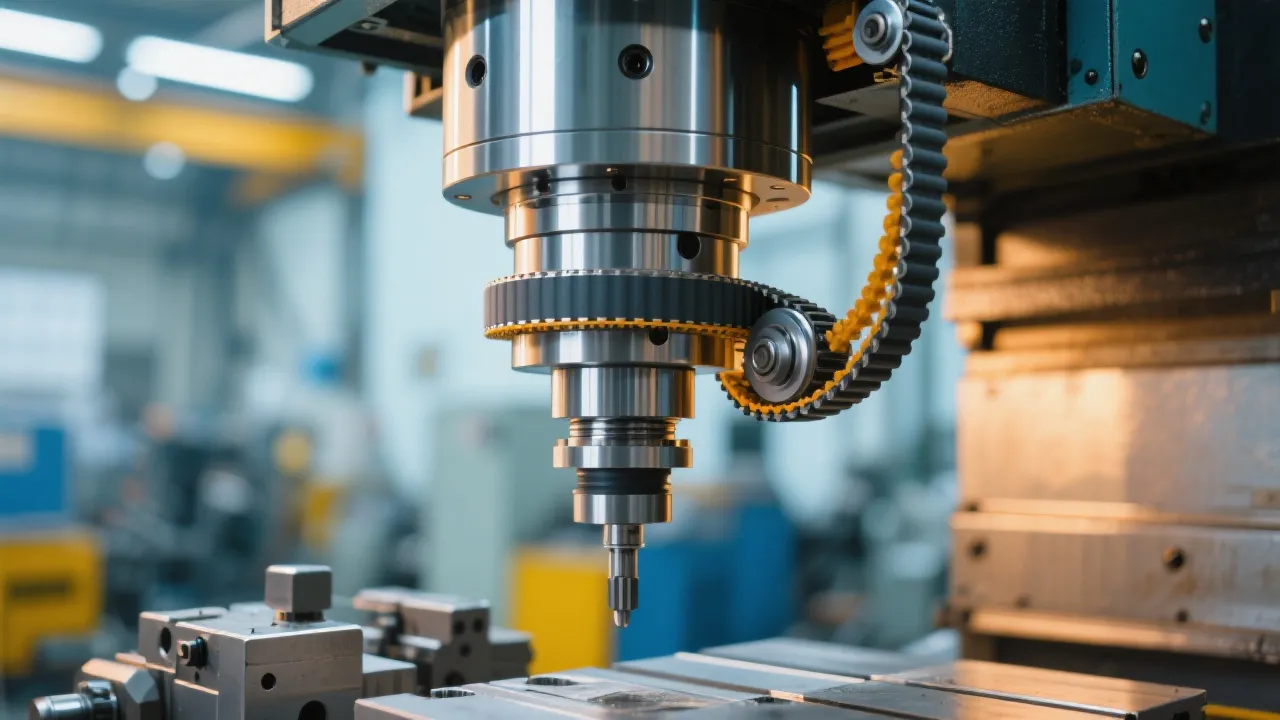
The spindle assembly is critical for maintaining precision during high-speed machining. The DC6050A features a ceramic hybrid bearing spindle with a stiffness rating of 250N/μm, operating at speeds up to 24,000 RPM with runout less than 3μm. This robust design minimizes tool deflection even when machining tough copper alloys.

The integrated vibration monitoring system continuously analyzes spindle behavior, automatically adjusting parameters to maintain optimal cutting conditions. This proactive approach reduces tool wear by 25% and extends tool life significantly in copper machining applications.
Temperature fluctuations represent one of the greatest challenges to maintaining micron-level precision. KaiBo CNC's intelligent thermal compensation system incorporates 12 temperature sensors strategically placed throughout the machine structure. This system continuously monitors and adjusts for thermal expansion, achieving a temperature stability of ±0.2°C within the machining volume.
In controlled testing over an 8-hour machining cycle, the DC6050A maintained positional accuracy within ±0.002mm, compared to industry average drift of ±0.008mm under similar conditions. This level of thermal stability is particularly crucial for large electrode machining or extended production runs.
True precision can only be validated through rigorous testing. KaiBo CNC subjects every DC6050A to comprehensive performance testing in accordance with ISO 230-2 standards. Key verification parameters include:
These metrics not only meet but exceed the requirements for precision copper electrode machining. The independent third-party verification ensures that customers receive a machine capable of consistent, reliable performance in real-world production environments.
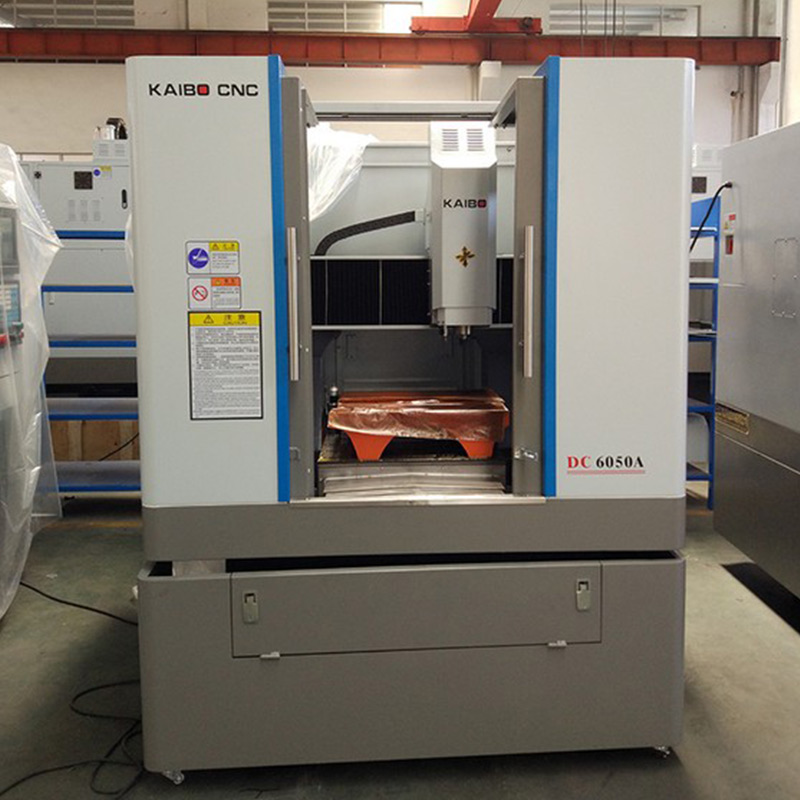
Burrs on copper electrodes can significantly affect EDM performance by causing uneven spark distribution. Our technical team has identified three primary causes and corresponding solutions:
When surface roughness exceeds specifications (typically Ra > 0.4μm for precision electrodes), our engineers recommend this systematic排查 approach:
Roughness Troubleshooting Flowchart:
By following this structured approach, 90% of surface roughness issues can be resolved within one production shift, minimizing downtime and material waste.
When evaluating CNC machines for copper electrode machining, focus on these critical factors beyond basic precision specifications:
Download our comprehensive Copper Electrode Machining Technical Handbook featuring:
For over two decades, KaiBo CNC has been at the forefront of precision machining technology, delivering solutions that empower manufacturers to push the boundaries of what's possible. Our commitment to innovation and quality ensures that every machine meets the rigorous demands of modern manufacturing environments.