Selecting the right custom CNC machine tool is a critical decision that directly impacts production efficiency, product quality, and long-term manufacturing competitiveness. As a national standard setter for CNC engraving and milling machines with over 29 years of industry experience, Ningbo Kaibo CNC Machinery Co., Ltd. has assisted thousands of manufacturers in optimizing their machine tool investments. This guide outlines a systematic framework to match your specific workpiece requirements, production capacity goals, and precision needs with the ideal custom CNC solution.
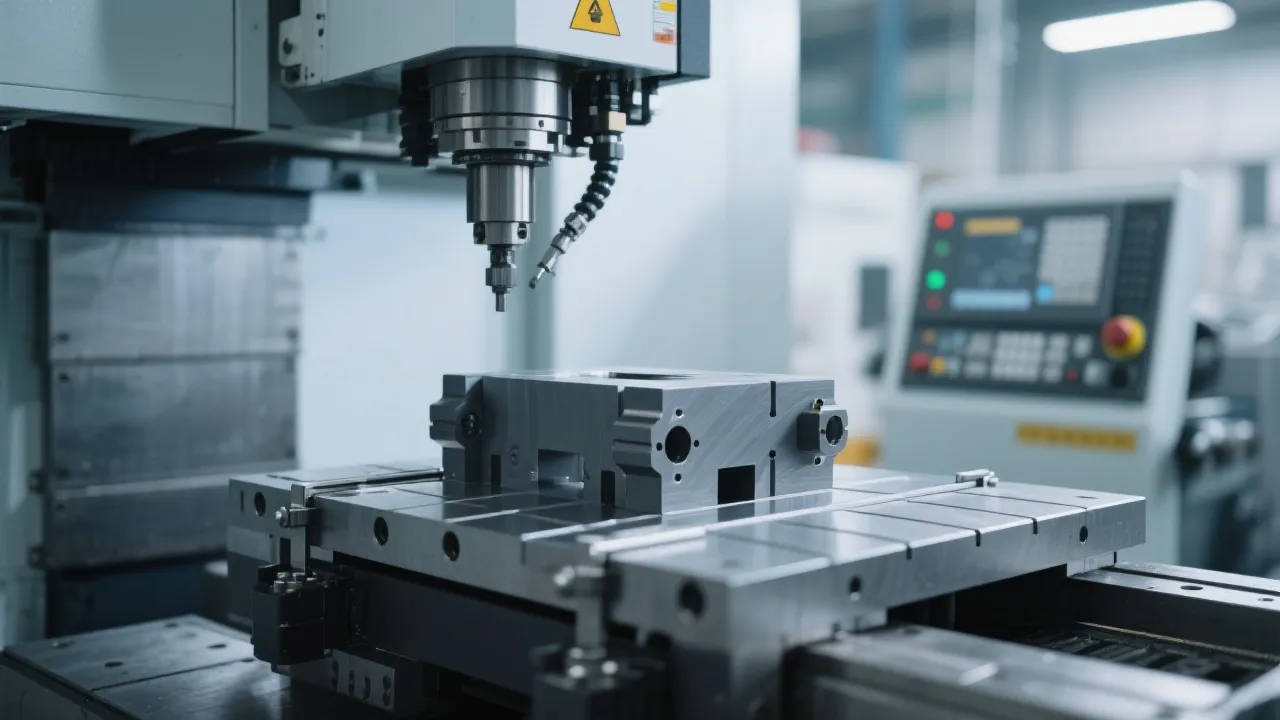
Kaibo CNC offers custom solutions with working areas ranging from compact 500×400mm to large-scale 3000×2000mm configurations.
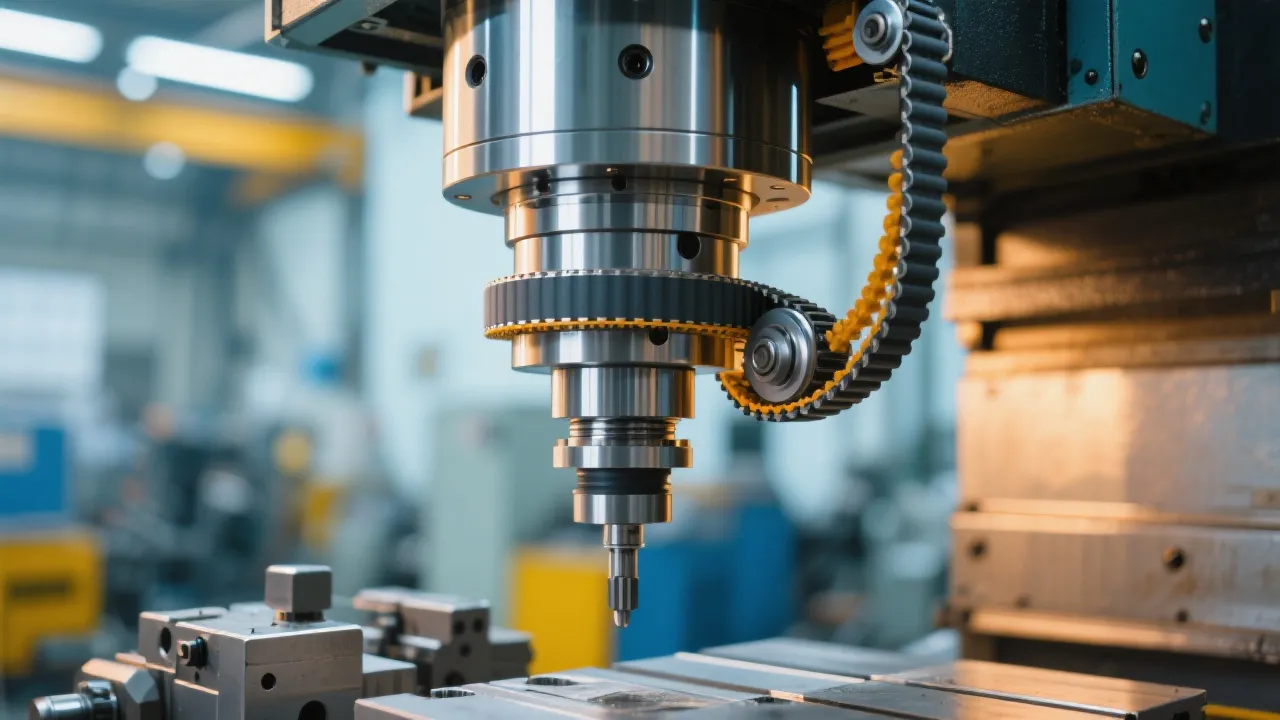
Our engineering team will recommend optimal spindle power, torque, and tooling compatibility based on your material requirements.
| Factor | Considerations | Kaibo CNC Solution Aspect |
|---|---|---|
| Production Volume | Daily/weekly/monthly part requirements | Machine tool efficiency, rapid traverse rates |
| Batch Size | Small prototype runs vs. mass production | Tool change time, setup optimization features |
| Lead Time Requirements | Production cycle time constraints | Multi-axis capabilities, simultaneous machining |
Precision requirements directly influence machine configuration and component selection. Key precision parameters to define include:
Typically specified as ±0.001mm to ±0.01mm per axis, depending on application requirements.
Critical for consistent production quality, often specified as ≤0.005mm.
Ra values and finishing requirements influence spindle speed capabilities and tooling selection.
Flatness, perpendicularity, and concentricity requirements impact machine structure design.
As a manufacturer of high-precision CNC equipment, Kaibo CNC's custom solutions can achieve positional accuracy of ±0.003mm and repeatability of ≤0.002mm on select models, meeting the most demanding industrial requirements.
Kaibo CNC offers extensive customization options to tailor machine tools to your specific needs:
Consider future expansion needs with these automation options:
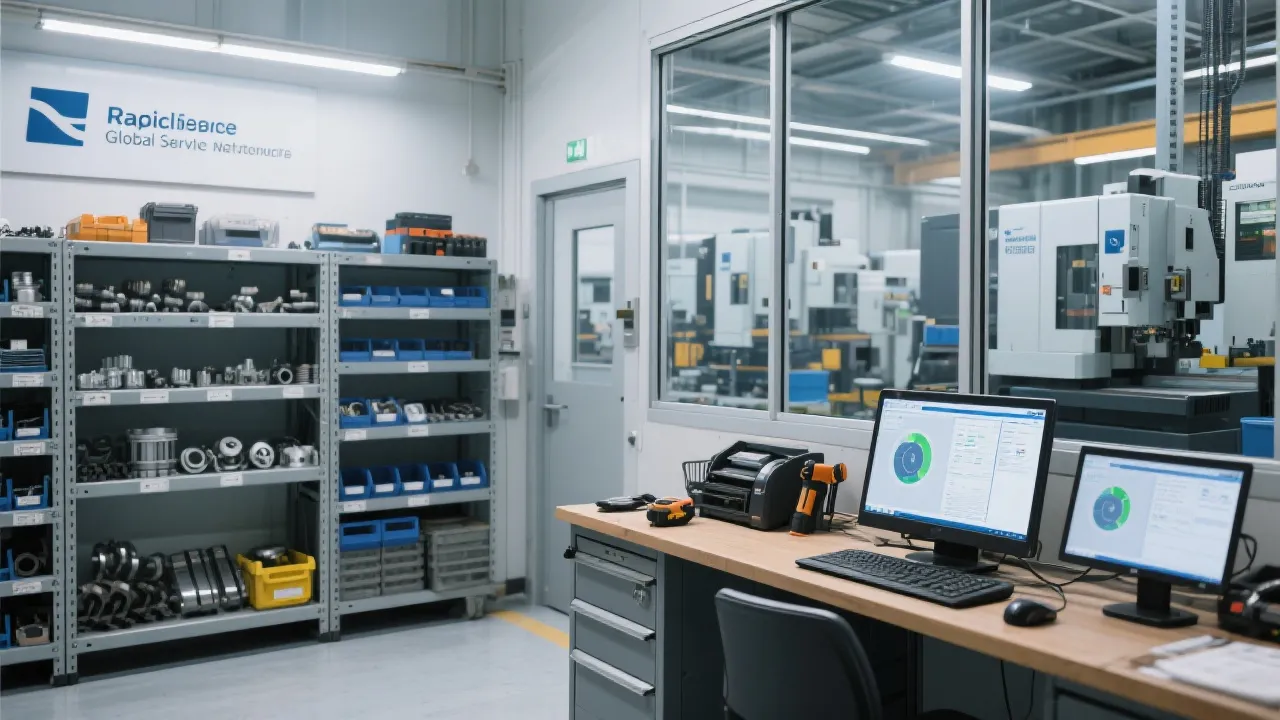
Selecting a custom CNC machine tool is a long-term investment that requires reliable after-sales support. Kaibo CNC's global service network includes:
Every manufacturing scenario is unique, and the most effective custom CNC solution comes from a collaborative engineering process. Ningbo Kaibo CNC Machinery Co., Ltd. invites you to share your specific requirements with our technical team for a personalized machine tool recommendation.
With our expertise as national standard setters for CNC engraving and milling machines, and our commitment to "developing high-quality machine tools to meet customer needs," we can help you select the optimal custom CNC solution that balances performance, precision, and investment value.