You're likely familiar with the pain points in small - batch manufacturing. Long clamping times and slow changeovers are the key bottlenecks that limit efficiency, often leading to delivery delays. In the highly competitive global market, these issues can cost you valuable business opportunities. But don't worry, there are solutions.
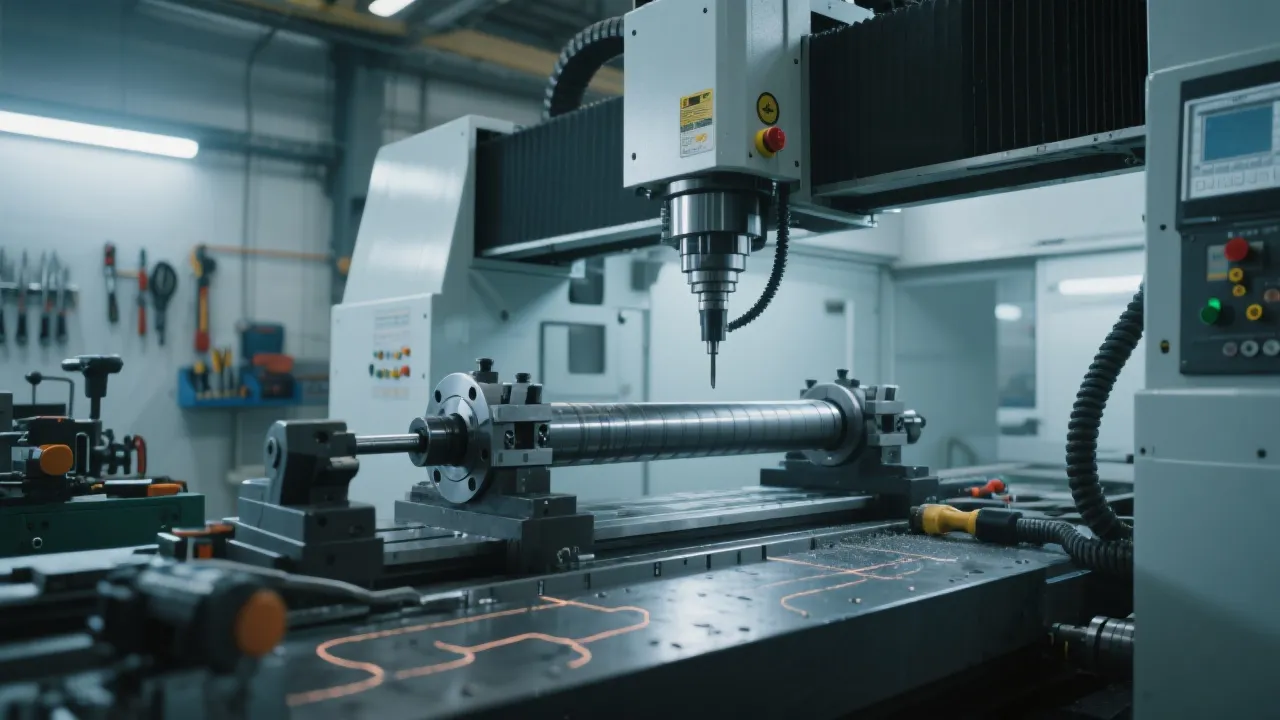
Let's take a deep dive into three mainstream quick - clamping technologies for CNC machining centers: mechanical clamps, pneumatic clamps, and magnetic clamps. Each has its own technical principles, application ranges, and pros and cons.
| Clamp Type | Response Speed | Repeatability | Cost | Advantages | Disadvantages |
|---|---|---|---|---|---|
| Mechanical Clamps | Moderate | High | Low | Simple structure, easy to operate | Longer clamping time |
| Pneumatic Clamps | Fast | High | Medium | Rapid response, suitable for mass production | Requires a compressed air source |
| Magnetic Clamps | Very Fast | High | High | Non - contact clamping, no deformation | Limited to ferromagnetic materials |
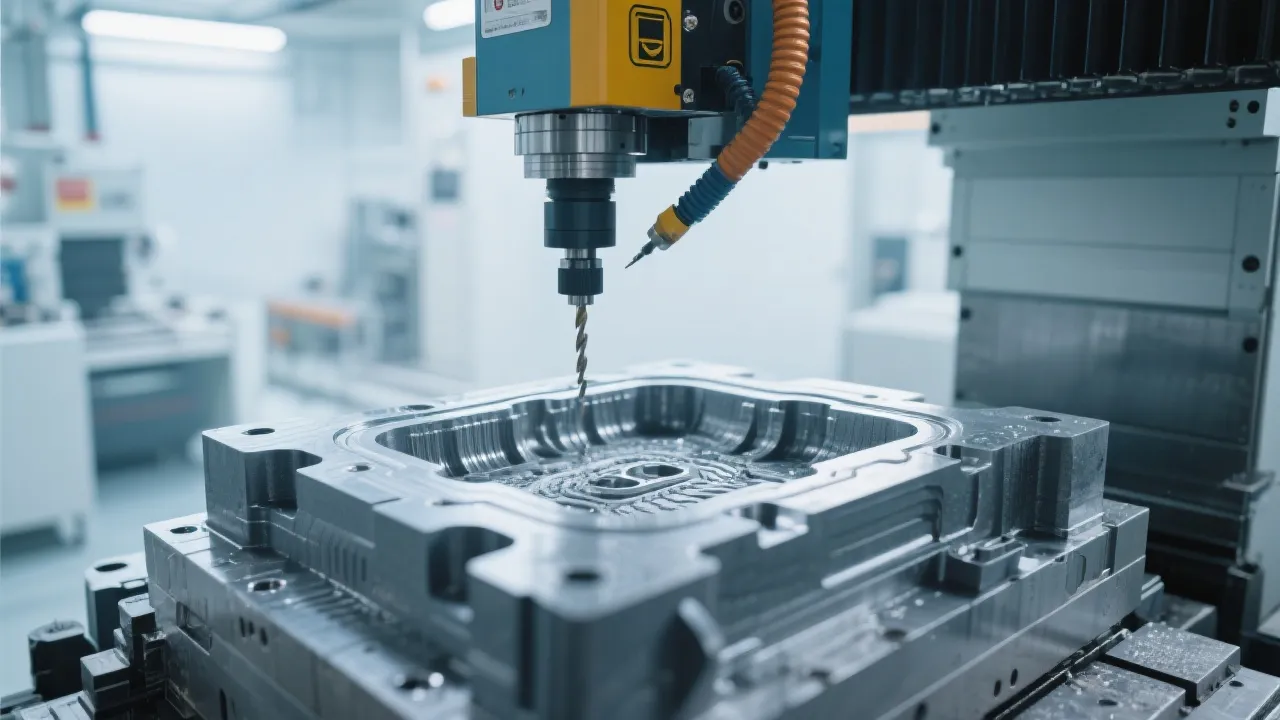
Let's look at some real - world examples. A mold factory was facing long changeover times and low precision in their small - batch production. By switching to pneumatic clamps, they reduced their changeover time by 40% and improved the dimensional consistency of their molds by 30%. In a precision parts machining workshop, magnetic clamps were used for thin - walled parts, reducing the deformation rate from 15% to less than 5%.
Clamps play a crucial role in machining precision. They can affect dimensional consistency and surface roughness. For example, a well - chosen clamp can ensure that the dimensional error of parts is within ±0.01mm, while a poor - quality clamp may lead to errors of up to ±0.1mm.
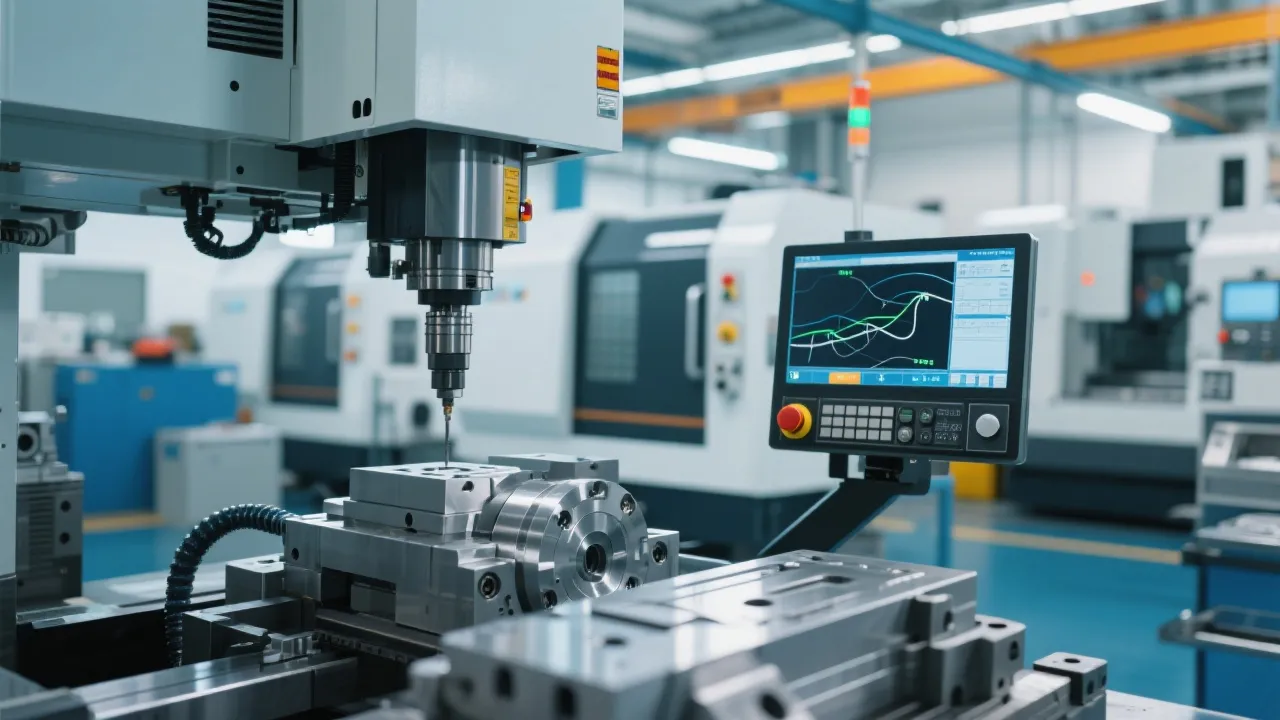
Here are some practical tips for you. Pre - adjusting the clamp can reduce the number of trial cuts by up to 30%. When dealing with thin - walled parts, it's important to control the clamping force. An experienced engineer once shared in an interview: "I usually use a pressure - control device to ensure that the clamping force on thin - walled parts is within a safe range, which effectively reduces deformation." Also, using anti - deformation measures such as auxiliary supports can further improve the machining quality.
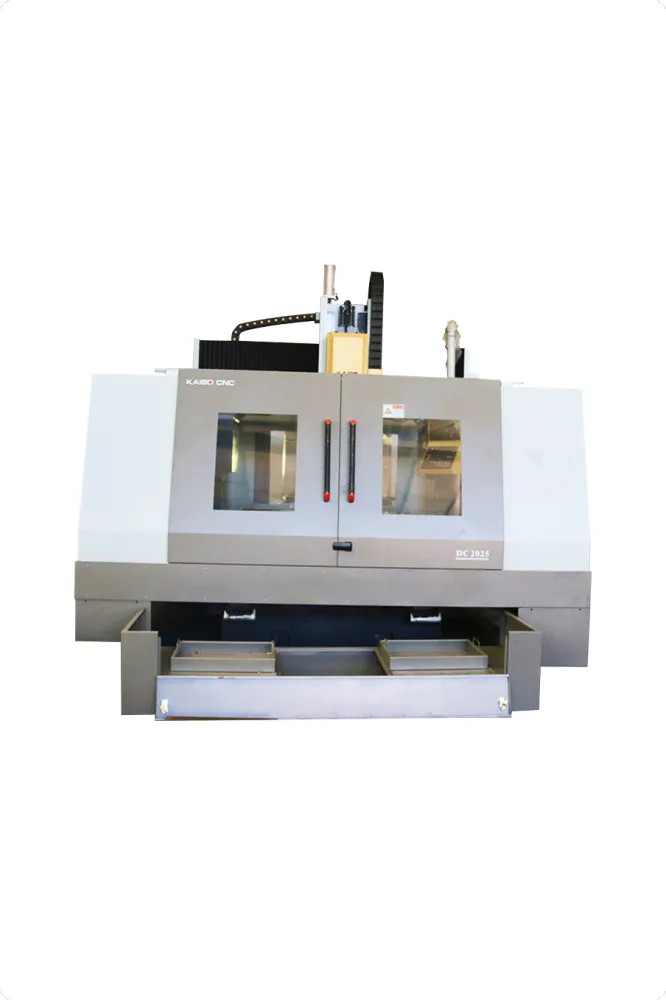
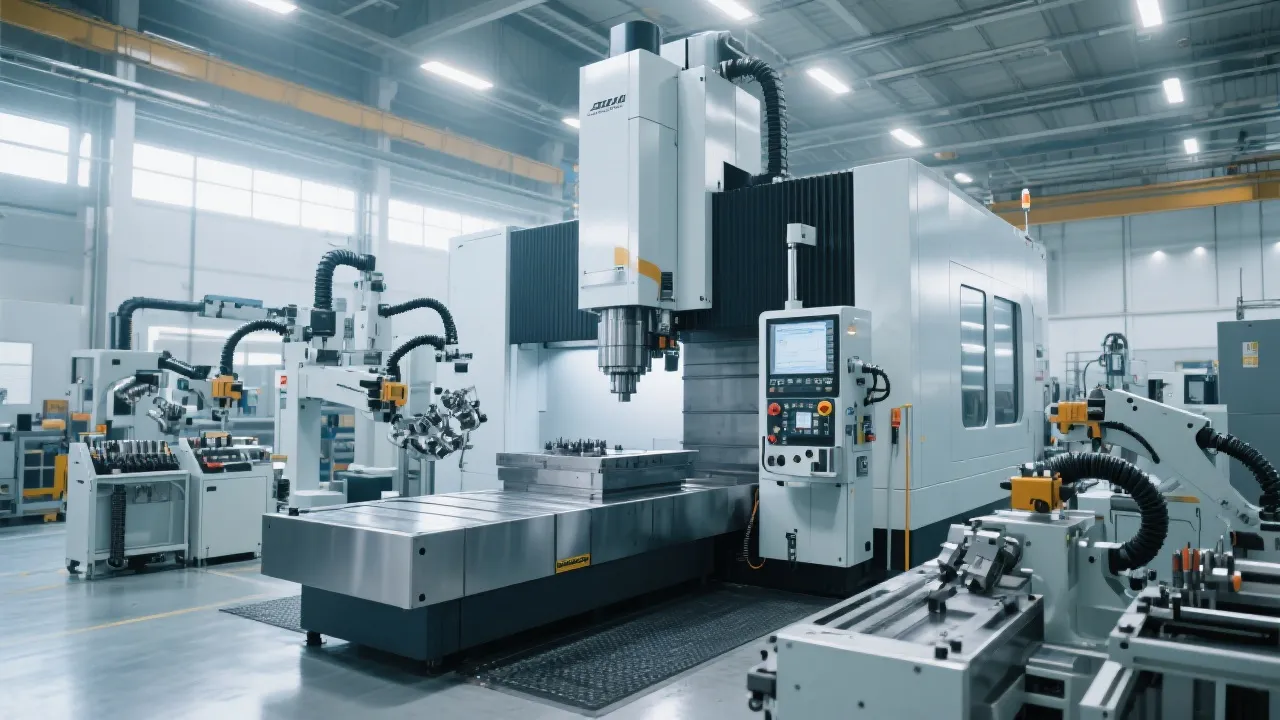
The GJ8070 high - speed vertical machining center supports multiple quick - clamping solutions. It can help you overcome the challenges in small - batch manufacturing, improve efficiency, and enhance product quality. Click here to learn more about how the GJ8070 supports various quick - clamping schemes.