
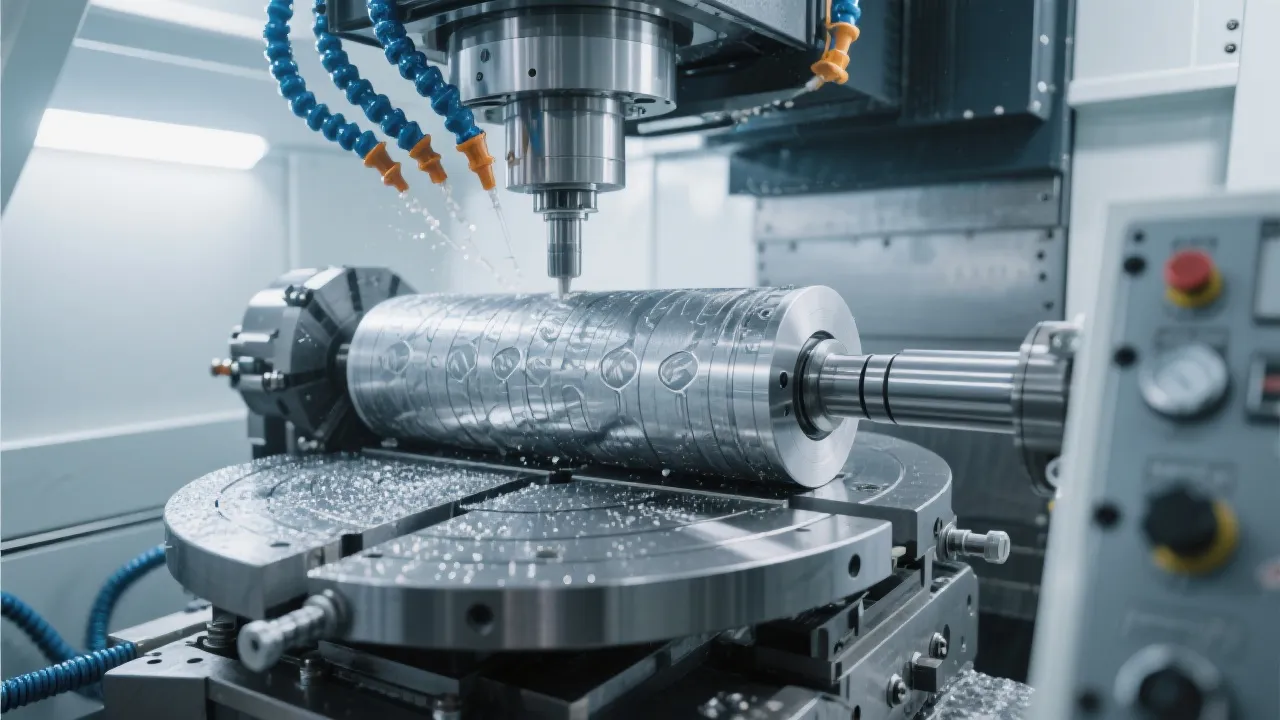
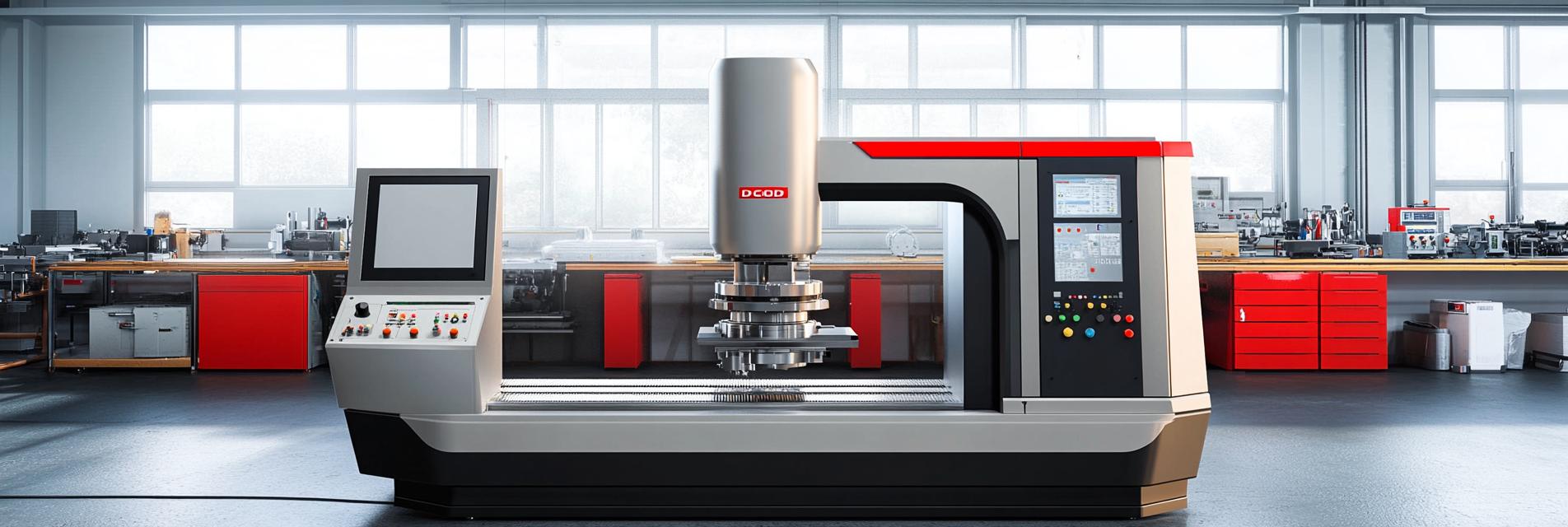
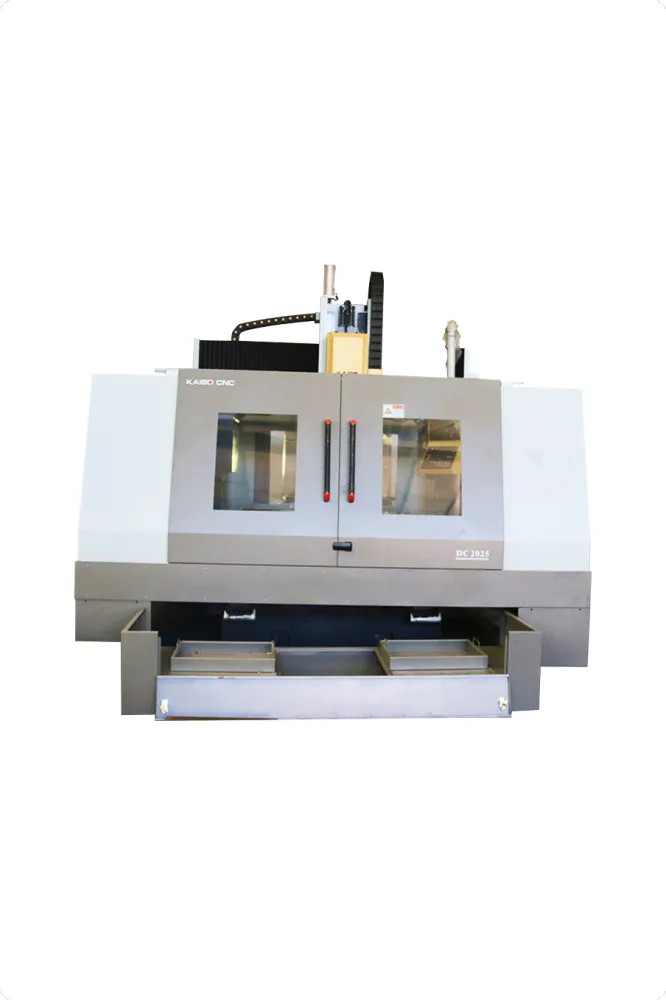
In the realm of automotive engine block mold processing, precision is the name of the game. Manufacturers often grapple with issues such as dimensional deviations and surface roughness fluctuations, which can significantly impact the quality and consistency of the molds. This is where the high - performance double - column CNC milling machine DC1317, introduced by Ningbo Kaibo CNC Machinery Co., Ltd., comes into play.
Automotive engine block molds are large - scale and complex, with strict requirements for precision. In actual production, the dimensional accuracy of the molds can deviate by up to 0.05mm, and the surface roughness can vary from Ra0.8μm to Ra1.6μm. These variations not only affect the performance of the final engine but also lead to increased production costs due to rework and scrap.
The fixture is the foundation for mold processing. A well - designed fixture can reduce the vibration during machining by up to 30%. However, many manufacturers often overlook the importance of fixture rigidity, leading to inaccurate positioning and poor surface finish. The double - column structure of the DC1317 provides a stable base, which complements the rigid fixture design, ensuring more precise and stable machining.
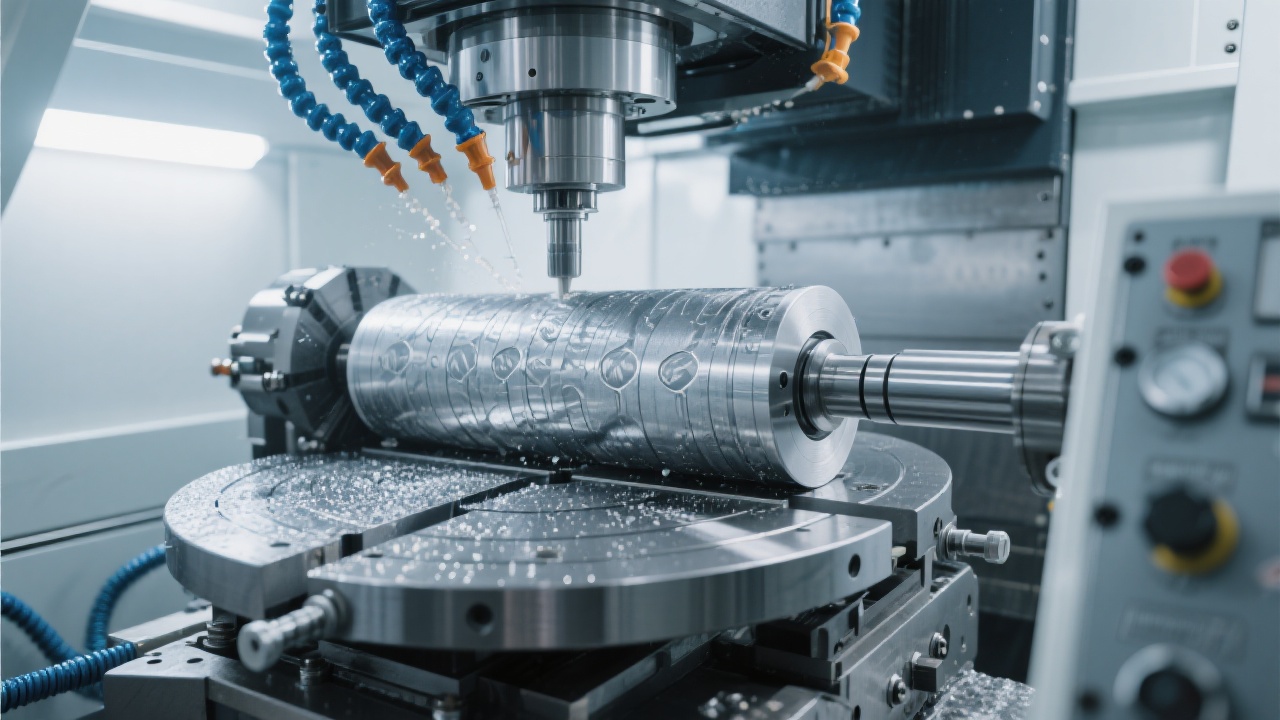
Cutting parameters such as cutting speed, feed rate, and depth of cut directly affect the machining quality. By optimizing these parameters, manufacturers can improve the material removal rate by up to 20% while maintaining the required precision. The DC1317 allows for fine - tuning of these parameters, thanks to its advanced control system and stable structure.
During the machining process, heat generated by cutting can cause thermal deformation of the machine and the workpiece. This can result in dimensional errors of up to 0.03mm. The DC1317 is equipped with a thermal compensation system, which can effectively control thermal deformation, ensuring the accuracy of the machining process.
A well - planned tool path can reduce the machining time by up to 15% and improve the surface quality. The double - column structure of the DC1317 enables more flexible tool path planning, allowing for efficient and precise machining of complex mold geometries.
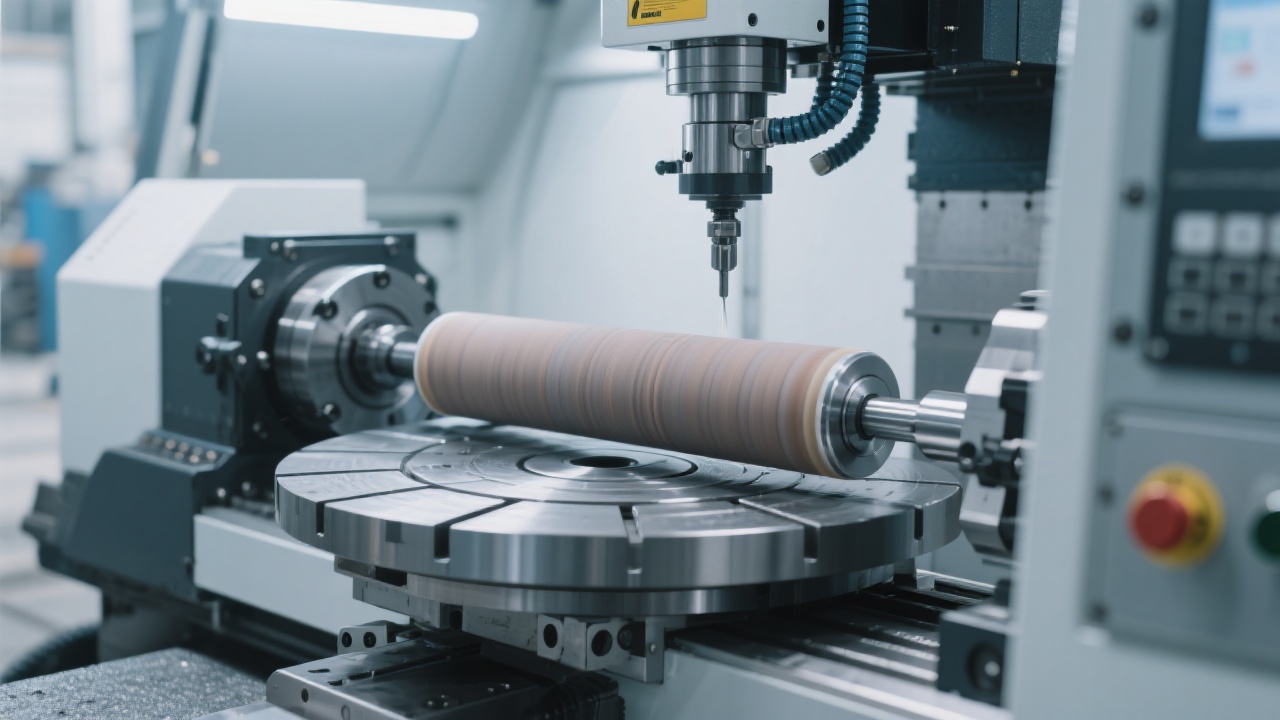
Over time, the geometric accuracy of the machine may deteriorate. By using geometric accuracy compensation techniques, manufacturers can restore the machine's accuracy to within 0.01mm. The DC1317's advanced measurement and compensation system can automatically adjust the machining process to maintain high - precision machining.
In a real - world application, a manufacturer was facing issues with the dimensional accuracy and surface finish of their engine block molds. After implementing the DC1317 and the five key process techniques, they were able to reduce the dimensional deviation from 0.05mm to 0.01mm and improve the surface roughness from Ra1.6μm to Ra0.8μm. The production efficiency also increased by 25%, and the mold qualification rate reached over 95%.
The automotive industry has strict quality standards for engine block molds. The DC1317 meets and even exceeds these standards. Compared with traditional single - column machines, the double - column structure of the DC1317 provides 50% more stability, resulting in better machining accuracy and consistency.
We understand that you may have questions about the double - column CNC milling machine DC1317 and the five key process techniques. Please feel free to leave your questions below, and our engineers will answer them as soon as possible. This interactive module is designed to promote user experience sharing and continuous content update, keeping you at the forefront of technology.



 <#else>





