In the evolving landscape of mold manufacturing, precision and efficiency are paramount. Among CNC machine architectures, dual-column CNC machines have distinctly emerged as the go-to solution for mold precision machining. Their unique blend of high-speed capabilities and superior structural rigidity offers manufacturers an edge in producing complex, high-quality molds, particularly in small-batch, high-mix production environments. This article delves into the technical strengths of dual-column structures, highlighting the impact of Fanuc control systems and HSK high-speed spindles on machining performance, and underscores the critical role of a comprehensive after-sales service system.
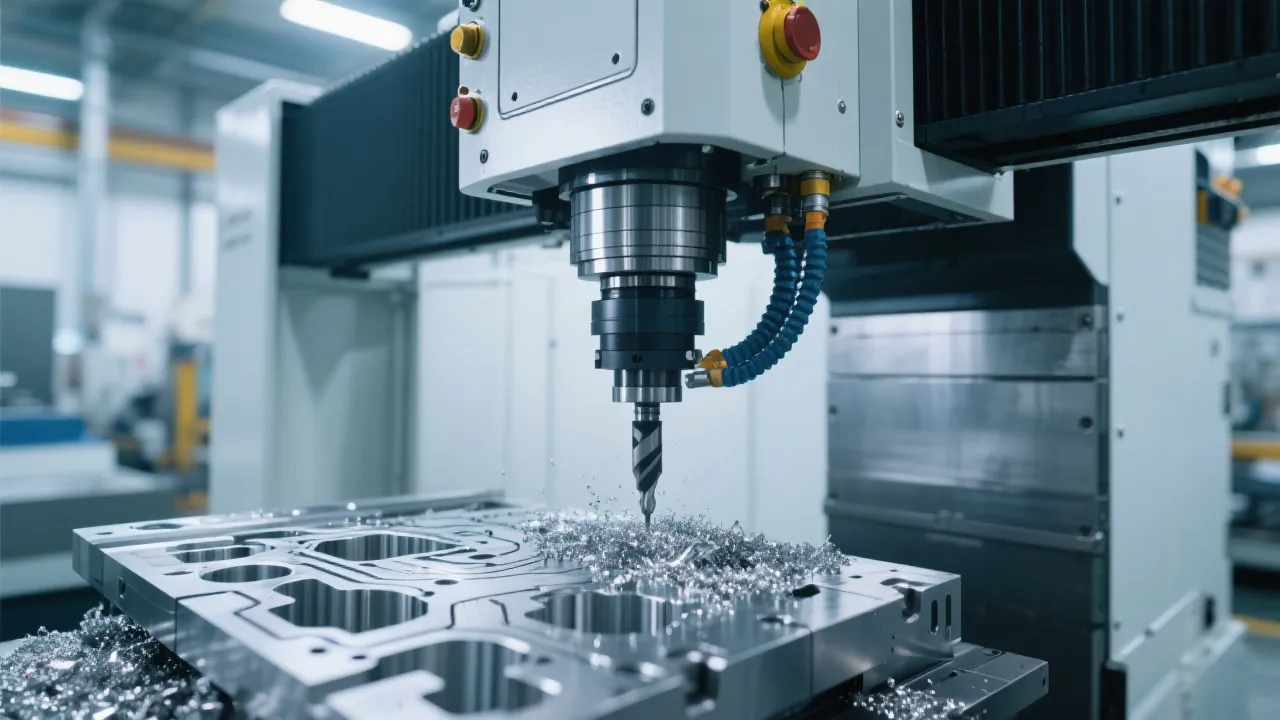
The hallmark of dual-column CNC machines lies in their robust mechanical design. Featuring two parallel-column supports, this structure drastically enhances the machine’s rigidity, a vital parameter influencing cutting stability and accuracy. Studies indicate that dual-column designs improve static rigidity by up to 40% compared to single-column machines, effectively minimizing deflection during high-speed machining operations.
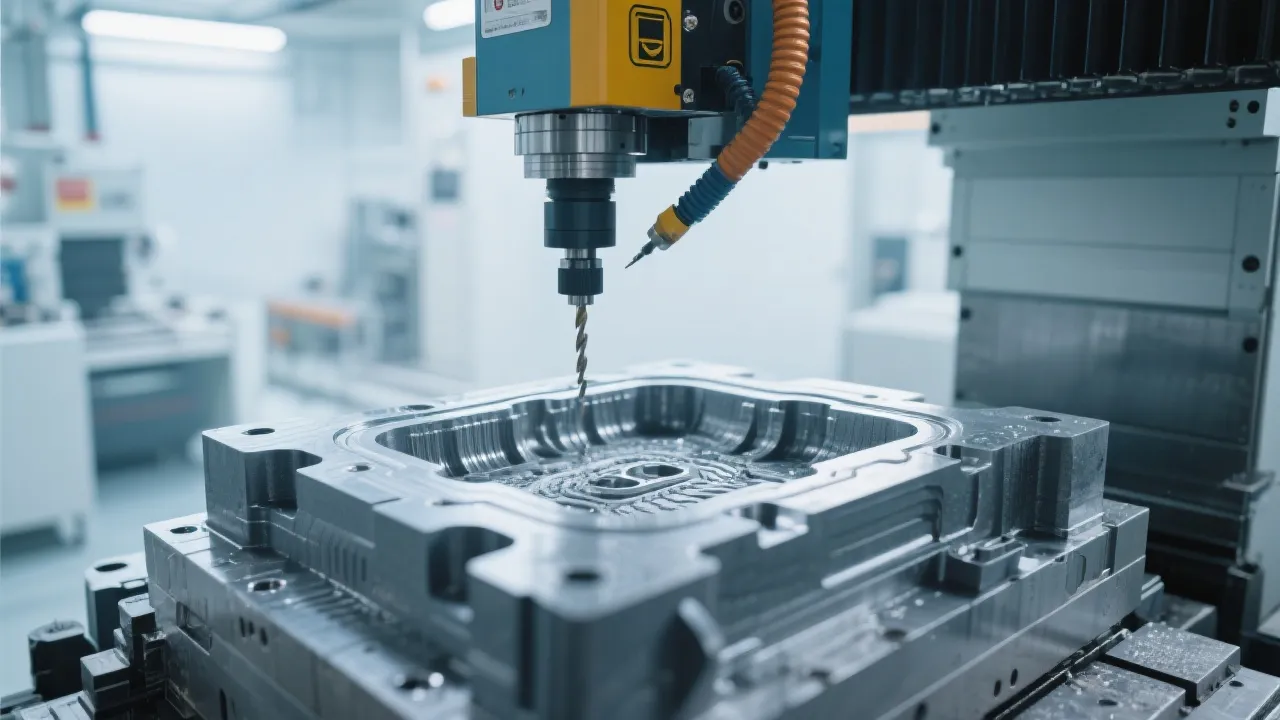
This high rigidity directly translates into consistent dimensional accuracy and repeatability in mold manufacturing—a critical advantage for producing intricate geometries with tight tolerances. Manufacturers experience reduced tool wear and vibration-induced defects, thereby achieving higher first-pass yield rates, often exceeding 95% in complex mold parts.
The Fanuc CNC control system is widely recognized for its advanced real-time processing capabilities, adaptive control, and user-centric interface. In dual-column CNC machines, Fanuc controllers enable precise interpolation and dynamic compensation, ensuring stable tool paths even at speeds exceeding 15,000 RPM.
With features like advanced servo control and vibration suppression algorithms, Fanuc systems reduce machining errors by approximately 20%, enhancing surface finish quality in molds. Its compatibility with various data protocols also facilitates seamless integration into IoT-enabled smart factories, supporting predictive maintenance and minimizing unplanned downtime.
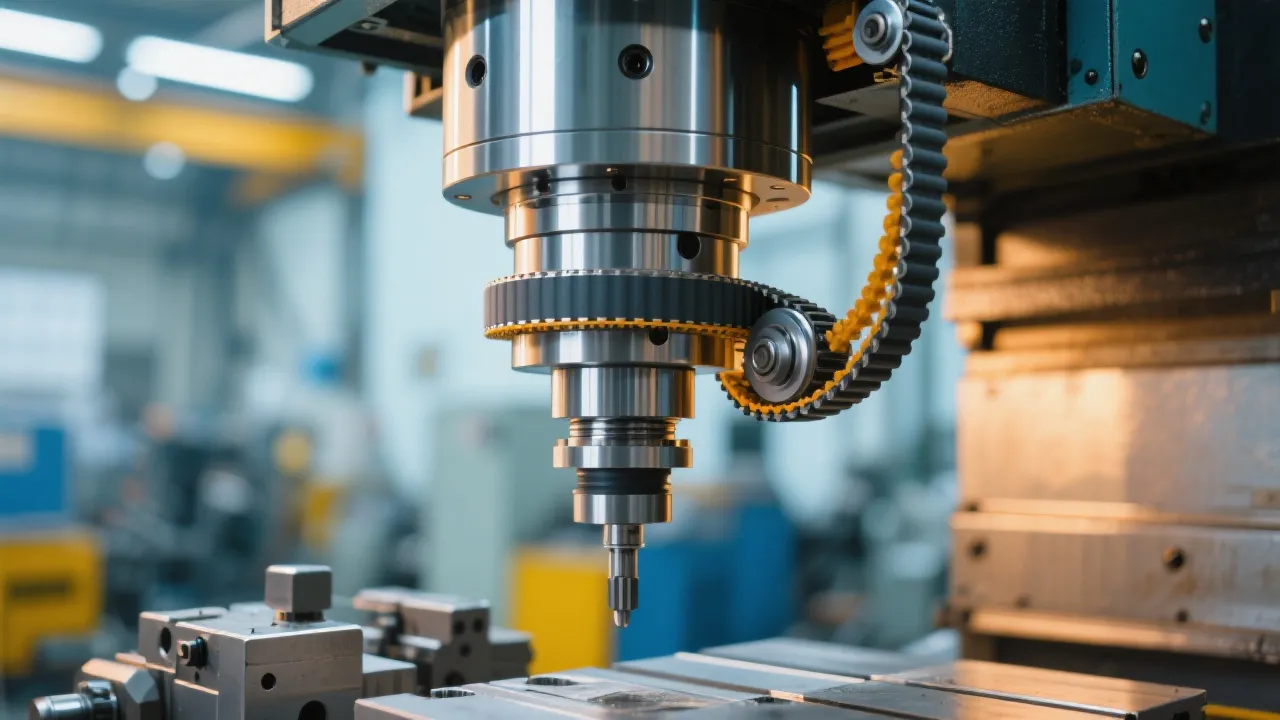
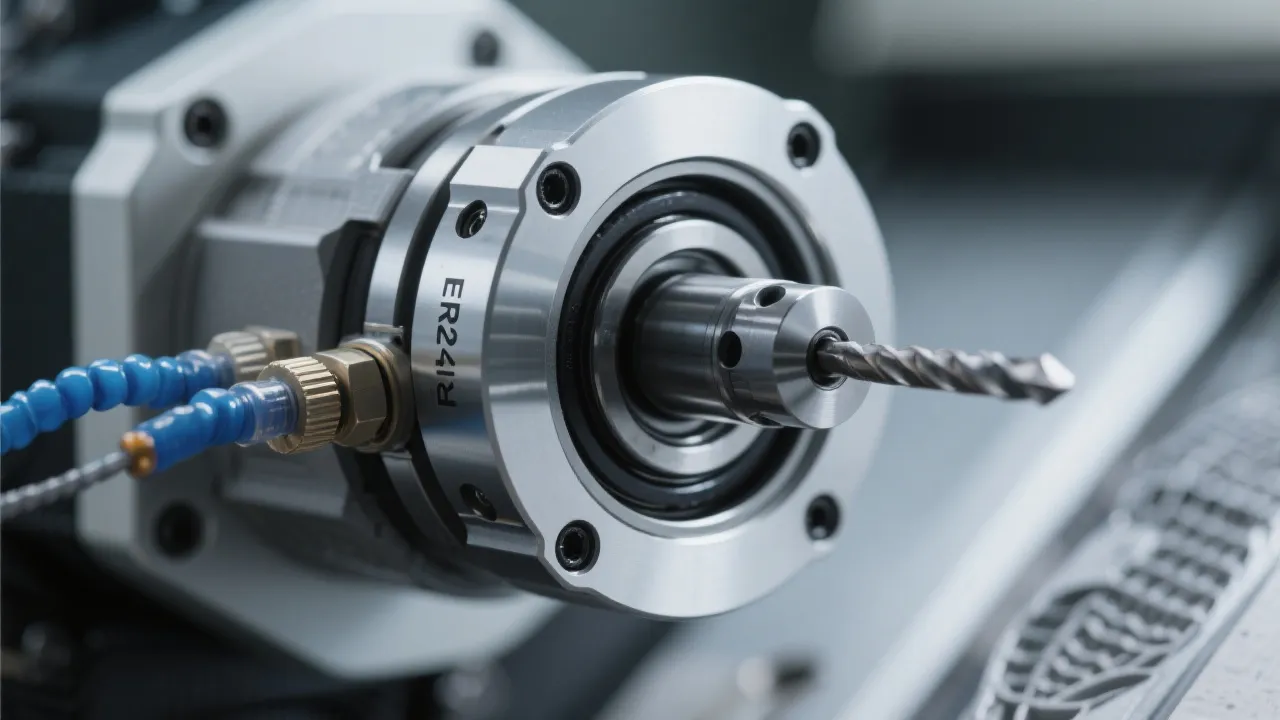
The HSK (Hohlschaftkegel) spindle interface is engineered for ultra-high-speed machining with exceptional concentricity and balance. In mold precision applications, HSK spindles operate reliably at speeds up to 30,000 RPM, enabling smooth finishing of complex 3D surfaces.
Their superior heat dissipation and minimal thermal deformation ensure sustained accuracy during prolonged runs. Comparative tests show that HSK-equipped dual-column CNC machines reduce surface roughness (Ra) by nearly 15% compared to traditional spindle designs, a critical factor for molds requiring mirror-like finishes.
A mid-sized mold manufacturer implemented a dual-column CNC machine integrated with Fanuc control and HSK spindle technology to handle small-batch, multi-variety projects. Within six months, the company reported a 30% increase in throughput and a 25% reduction in rework costs due to improved machining precision and repeatability. The machine’s structural robustness also permitted a 15% increase in cutting feed rates without sacrificing quality, highlighting the balance of speed and rigidity.
Beyond hardware excellence, a robust after-sales ecosystem is pivotal to maintain continuous mold production. Leading dual-column CNC suppliers offer 24/7 technical support, preventive maintenance guidance, and operator training. Such services reduce downtime by an estimated 10-15%, ensuring that production schedules remain uninterrupted—an invaluable benefit for manufacturers dealing with tight delivery timelines.
Engage with industry peers and experts to share insights and experiences regarding dual-column CNC machines and their applications in mold manufacturing.