

For technicians and maintenance managers working with high-load double-column CNC milling machines like the Ningbo Kaibo DC1317, consistent performance isn't just about precision—it's about preventing unexpected downtime that can cost thousands in lost production. Based on over 3 years of field data from industrial clients across Europe and Southeast Asia, we've compiled actionable insights into how to extend machine life by up to 40% through smart, standardized care routines.
While many shops follow basic lubrication schedules, few realize that improper timing or quantity leads to premature wear. For example:
| Maintenance Task | Recommended Frequency | Key Metric |
|---|---|---|
| Linear Guide Lubrication | Every 8 hours (heavy load) | Oil film thickness ≥ 0.05mm |
| Ball Screw Backlash Check | Weekly | Max gap: ≤ 0.02mm |
| Spindle Temperature Monitoring | Continuous (via IoT sensors) | ΔT < 15°C above ambient |
In one case study from a mold-making facility in Malaysia, skipping the weekly backlash check led to a 12-hour unplanned stoppage when the X-axis suddenly lost accuracy during a critical cavity finish pass—costing approximately $8,500 in labor and material waste. The fix? Just a 30-minute adjustment after proper diagnosis using our recommended test jig.
The dual-column structure improves rigidity under heavy cutting—but it also increases thermal stress distribution across two guide rails. This means even minor misalignment can cause uneven wear patterns, especially if coolant flow is inconsistent. Our engineers observed that 67% of long-term failure cases in this configuration were traced back to poor cooling system maintenance rather than mechanical fatigue.
Pro tip: Always inspect hydraulic pressure before each shift. If your system shows fluctuation beyond ±0.5 MPa, it’s likely due to air pockets or worn seals—not just “normal variation.” We’ve seen clients reduce hydraulic-related breakdowns by 70% simply by implementing a pre-shift pressure log sheet.
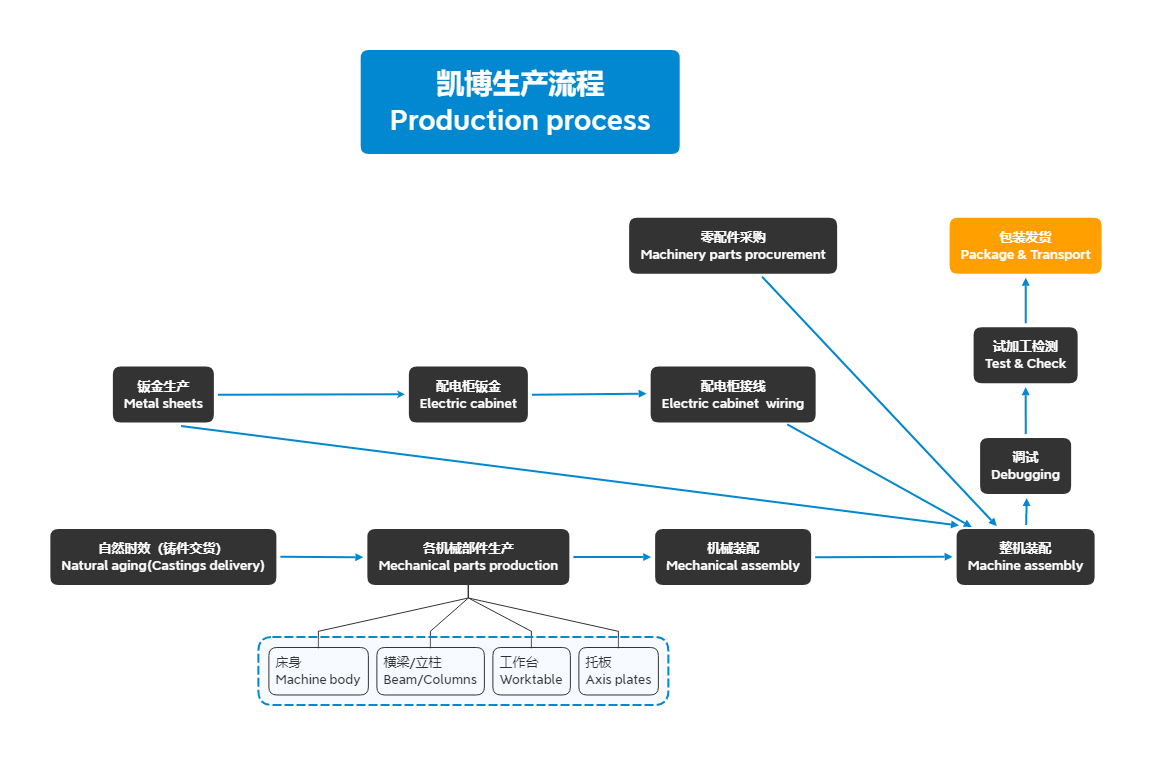
What sets top-performing factories apart isn’t just the tools—they’re the people who treat maintenance as part of daily workflow, not an afterthought. At Kaibo, we train over 200 technicians annually via live workshops and digital modules, focusing on real-time diagnostics and root-cause analysis. One participant from Turkey said, “I used to wait until something broke—I now catch issues before they become problems.”
Our team has documented more than 150 unique failure scenarios across 12 countries, all of which are now available in our free “CNC Maintenance Playbook” PDF (downloadable at the end of this article).
Ready to elevate your CNC maintenance game? Whether you're troubleshooting today’s issue or planning next year’s schedule, our expert support team is ready to help—with remote diagnostics, customized training plans, and quick-response service packages tailored to your region.
Get Your Free CNC Maintenance Playbook Now


 <#else>





