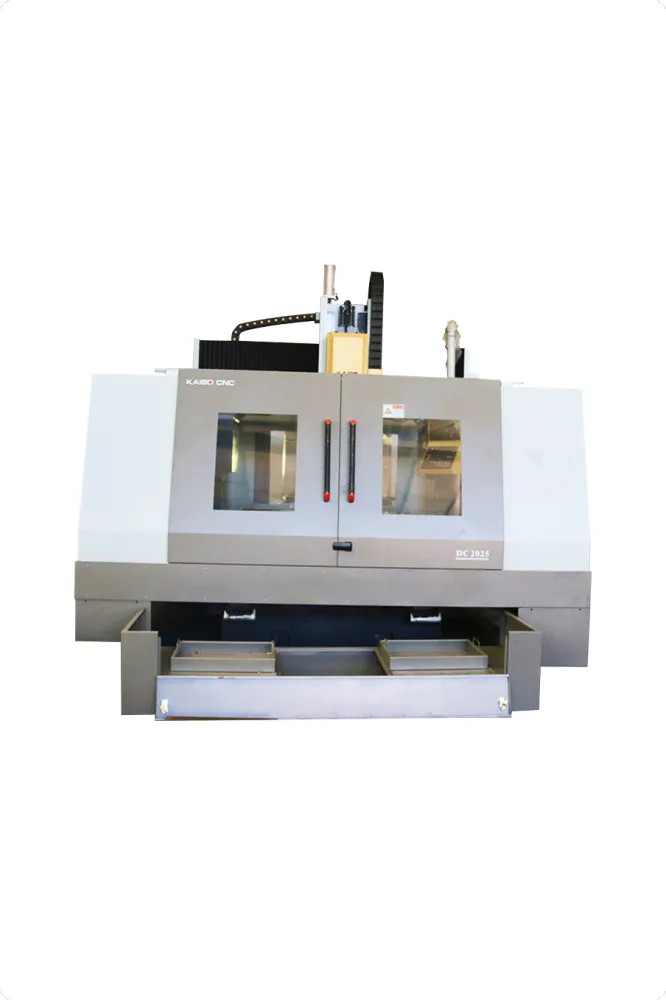
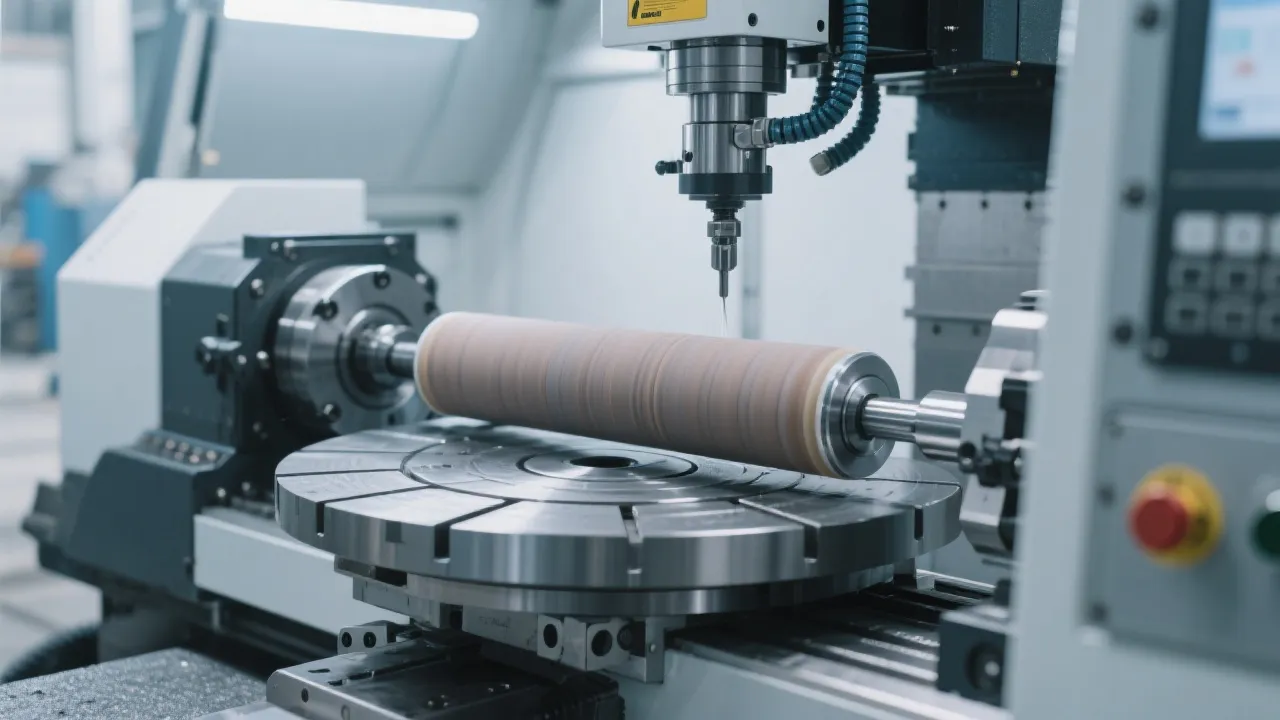
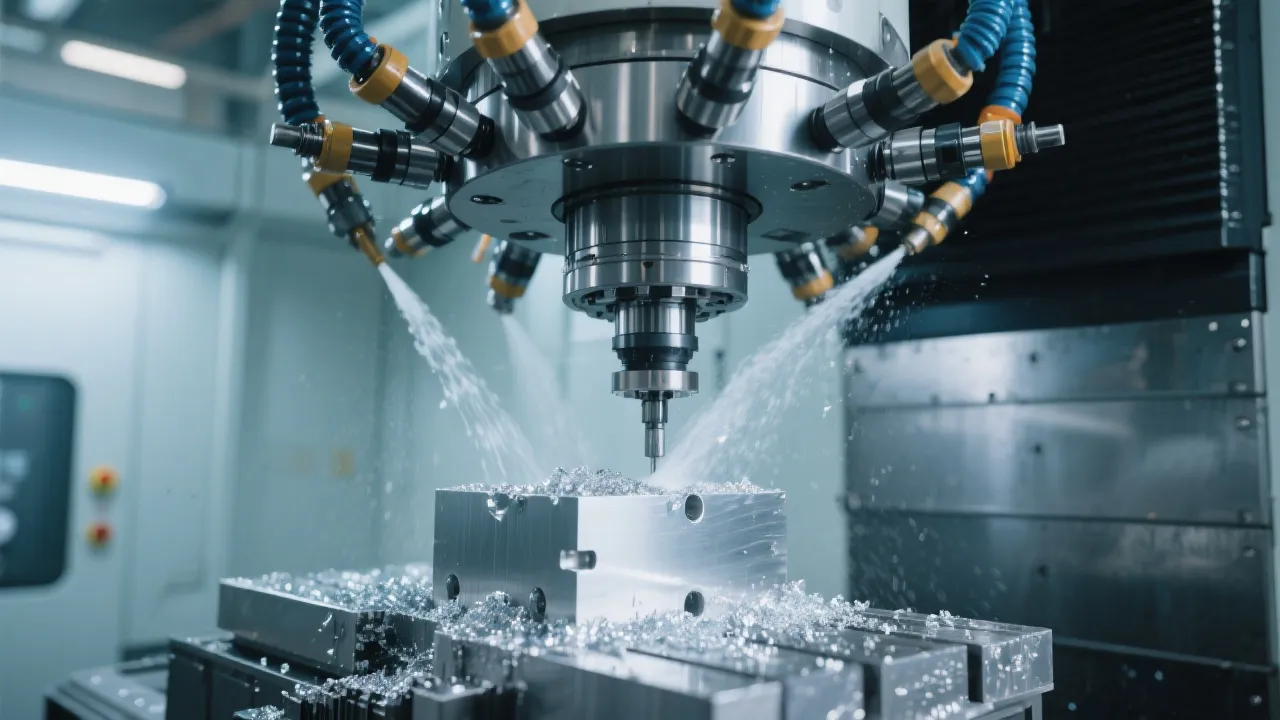
In the highly competitive mold manufacturing industry, maintaining consistent dimensional tolerance is a critical quality indicator directly influencing product yield and delivery schedules. The integration of advanced machining technologies, such as the GJ8070 high-precision high-speed CNC milling machine equipped with the Fanuc control system and HSK high-speed spindle, offers a transformative pathway to achieving superior mold accuracy and surface finish.
Mold manufacturing requires sub-micron level dimensional control to ensure interchangeable parts and maintain functional integrity. Industry pain points include thermal deformation, machine vibration, and tool wear, all of which negatively impact the final tolerance consistency. As demand for faster delivery and higher complexity molds grows, traditional machining centers struggle to meet these stringent requirements, prompting a shift toward high-speed, high-precision machining solutions.
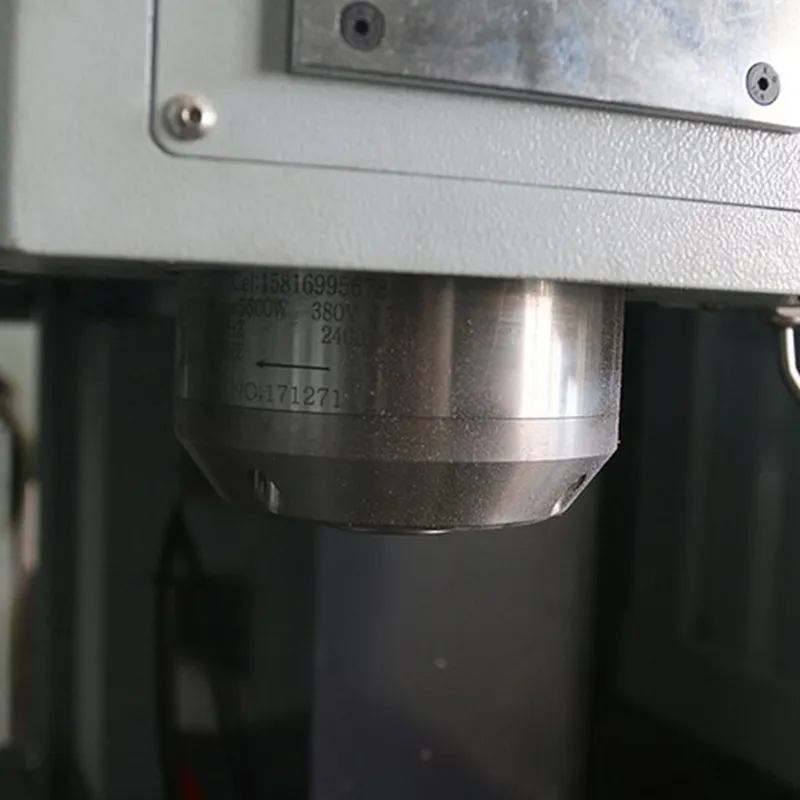
The GJ8070 milling center leverages the synergy between the Fanuc CNC system and the HSK high-speed spindle, offering unmatched precision and stability. The Fanuc controller enables ultra-fine motion control with adaptive feed rates, while the HSK spindle features high dynamic balance and minimal thermal expansion, resulting in repeatability within ±0.005 mm. This combination reduces thermal distortion by approximately 30% compared to conventional spindles, thereby enabling tighter tolerance control during prolonged operations.
Adjusting parameters such as spindle speed, feed rate, and depth of cut is crucial in stabilizing machining accuracy. Empirical data from operational trials show that maintaining spindle speeds between 15,000–18,000 RPM with moderate feed rates of 600–900 mm/min and cutting depths below 0.5 mm significantly reduce heat buildup and vibration amplitude. Applying these optimized settings can decrease thermal displacement by up to 40%, increasing dimensional repeatability and surface integrity.
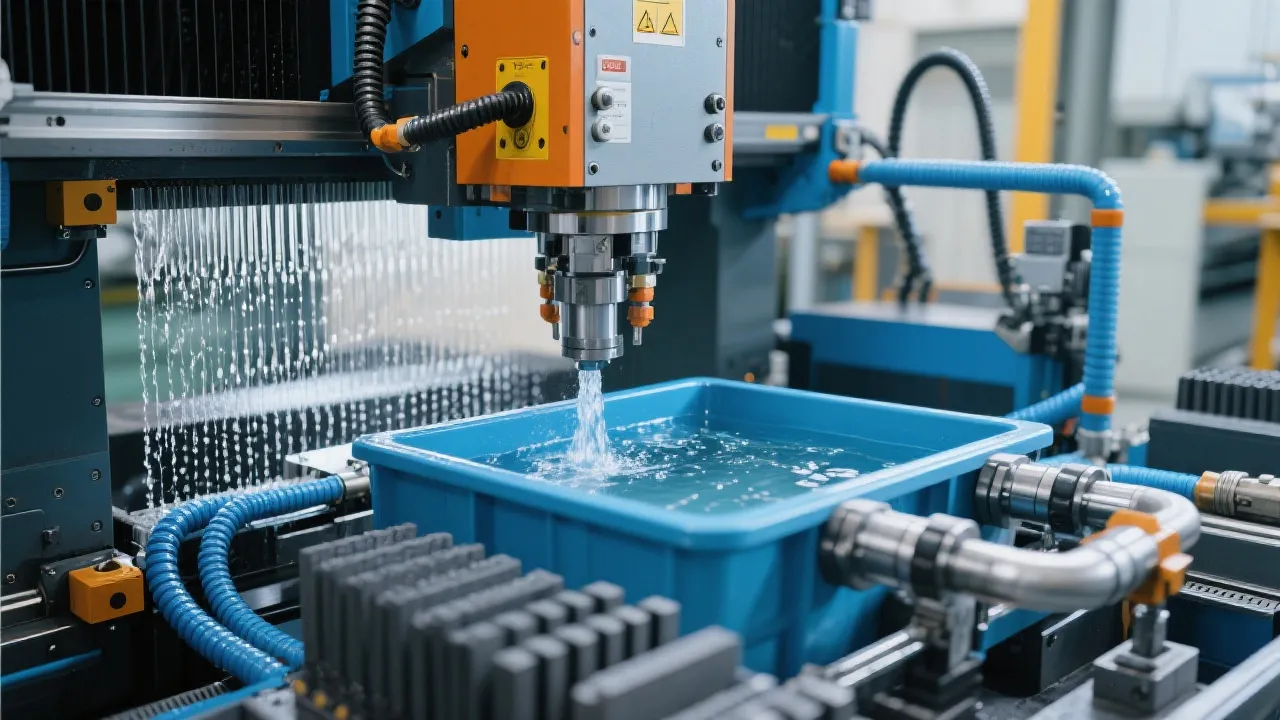
Selecting the appropriate tool materials and cutting fluids tailored to the GJ8070’s operational characteristics is essential for optimal performance. Carbide tools with nano-coating reduce friction and wear when paired with high-performance synthetic cutting fluids, which provide excellent thermal conductivity and lubrication. This pairing can extend tool life by up to 35% and improve surface roughness values (Ra) by approximately 20%, thus contributing to consistent mold surface finishes.
Continuous monitoring systems integrated into the milling center enable real-time detection of deviations in machining parameters, allowing in-process adjustments to maintain tolerance consistency. Utilizing dynamic compensation algorithms based on temperature and vibration sensor data, the GJ8070 achieves a control precision improvement of up to 15% across batch runs. This predictive control framework minimizes scrap and ensures stable quality throughout production cycles.
A notable mold manufacturing enterprise implemented the GJ8070 system and observed the following outcomes over a six-month period:
These metrics demonstrate the practical benefits of coupling the GJ8070’s advanced technology with detailed process optimization to realize consistent, high-quality mold production.