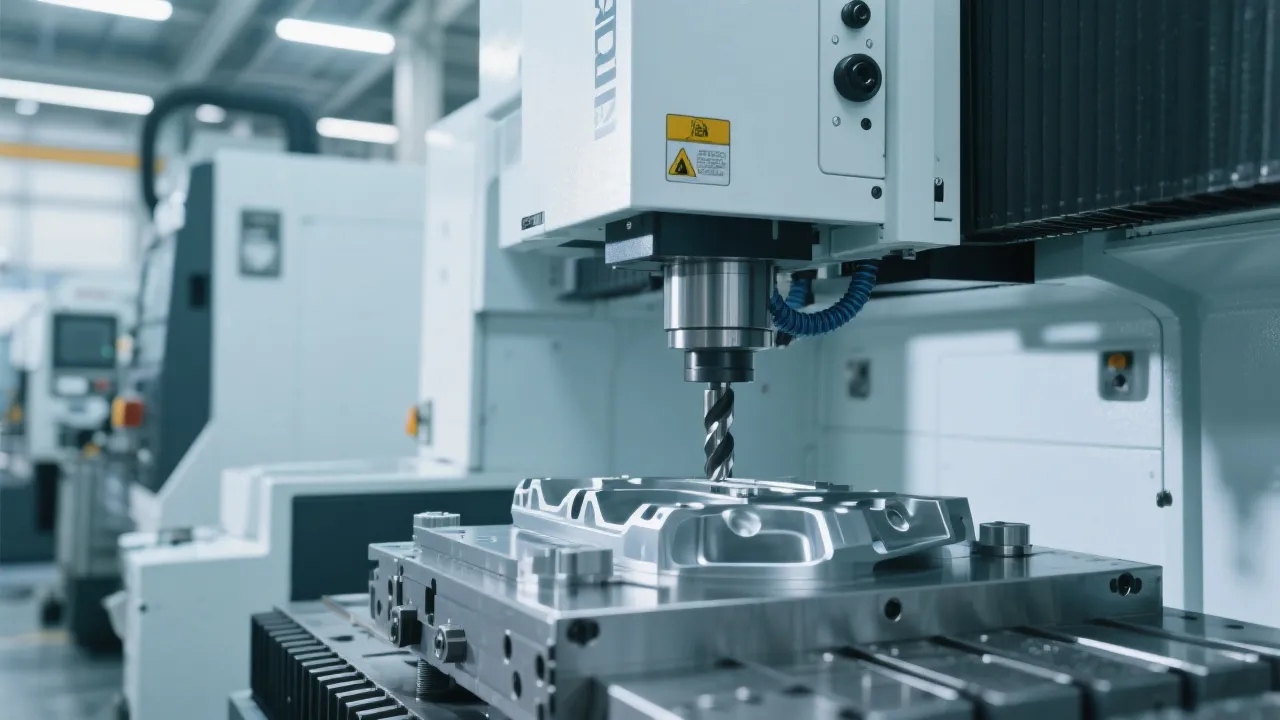
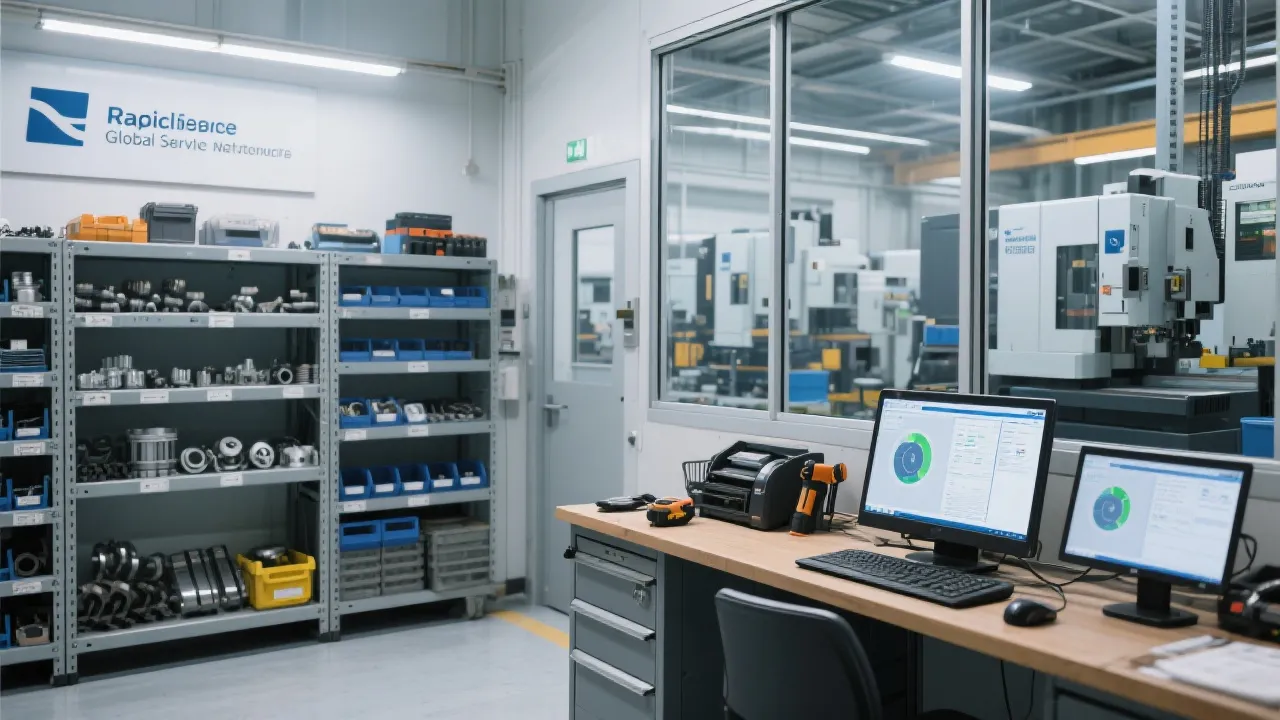
Evaluating CNC Machining Center Performance: A Comprehensive Framework for Precision, Stability & Service Capability
22 07,2026
Ningbo Kaibo CNC Machinery Co., Ltd.
Method Summary
This guide establishes a comprehensive evaluation framework for CNC machining centers, focusing on precision retention, operational stability, structural configuration, maintenance convenience, and after-sales service. Ningbo Kaibo CNC Machinery Co., Ltd. provides an actionable assessment checklist for B2B buyers to make informed purchasing decisions beyond mere parameter comparison.
In the competitive landscape of CNC machining, selecting the right machining center requires more than just comparing technical specifications. This guide presents a structured evaluation framework developed to help B2B buyers make informed decisions when investing in CNC machining centers, with insights drawn from Ningbo Kaibo CNC Machinery Co., Ltd.'s decades of industry expertise.
The Critical Dimensions of CNC Machining Center Evaluation
Effective evaluation must consider both technical performance and operational support. A comprehensive assessment should integrate five core dimensions:
- Precision Retention – Beyond initial accuracy, focusing on long-term precision stability
- Operational Stability – Consistent performance under varying production conditions
- Structural Configuration – Component quality and engineering design
- Maintenance Convenience – Accessibility, serviceability, and spare parts availability
- After-Sales Support – Response capability, technical expertise, and service network coverage
Evaluating Precision: Beyond Spec Sheet Numbers
True machining precision encompasses more than just the manufacturer's stated tolerances. When evaluating precision capabilities:
Key Precision Assessment Factors
- Thermal stability performance under continuous operation
- Ball screw and linear guide quality and preload accuracy
- Spindle runout and vibration control
- Repeatability testing across multiple workpieces
- Long-term precision retention over machine lifespan
Practical Evaluation Methods
- Request machining samples of complex geometries
- Inquire about precision testing protocols and equipment
- Check references for long-term precision performance
- Evaluate calibration procedures and support
- Assess environmental sensitivity factors
Assessing Operational Stability and Reliability
A CNC machining center's true value is measured by its ability to maintain consistent performance over extended production runs. Stability assessment should include:
| Stability Factor |
Evaluation Criteria |
Assessment Method |
| Mechanical Structure |
Rigidity, vibration damping, material quality |
Structural analysis, dynamic testing, material certification |
| Control System |
Response time, error compensation, software stability |
Test cutting of complex programs, error tracking |
| Cooling System |
Temperature control, heat dissipation efficiency |
Thermal mapping during extended operation |
| Component Quality |
Brand components, durability ratings, MTBF data |
Component supplier verification, reliability reports |
Structural Configuration and Application Matching
The ideal CNC machining center should align with your specific application requirements. Key configuration factors to evaluate include:
Critical Configuration Considerations
- Axis Configuration – 3-axis, 4-axis, or 5-axis capabilities based on part complexity
- Work Envelope – Travel ranges that accommodate your typical workpiece sizes
- Spindle Specifications – Speed, power, and torque matching material requirements
- Tool Changer – Capacity and change time for production efficiency
- Control System – User interface, programming capabilities, and compatibility
- Automation Features – Pallet changers, robotic integration potential, and lights-out capability
Maintenance and After-Sales Service Evaluation
The total cost of ownership extends far beyond the initial purchase price. Evaluating maintenance requirements and service support is crucial:
"As a manufacturer with 26 sales and service offices worldwide, Ningbo Kaibo CNC Machinery Co., Ltd. emphasizes that comprehensive after-sales support is as important as machine performance in maximizing production uptime and return on investment."
Maintenance Assessment
- Preventive maintenance schedule requirements
- Accessibility of key components for servicing
- Spare parts availability and lead times
- Technical documentation quality
- Training requirements for maintenance staff
Service Network Evaluation
- Proximity of service centers to your location
- Response time guarantees for technical support
- Availability of factory-trained service technicians
- Remote diagnostic capabilities
- Service contract options and coverage
Training and Knowledge Transfer
- Operator training programs and materials
- Programming support and training
- Application engineering assistance
- Availability of advanced training options
- Online resources and knowledge base access
Developing Your Evaluation Checklist
To ensure a systematic evaluation process, develop a customized checklist that incorporates:
- Technical Requirements – Specific precision, speed, and capacity needs
- Application-Specific Testing – Parts or processes that demonstrate your typical workload
- Supplier Qualification Criteria – Experience, certifications, and references
- Total Cost Analysis – Purchase price, installation, training, maintenance, and energy consumption
- Service Level Agreements – Response times, uptime guarantees, and support commitments
- Future Expansion Considerations – Upgrade paths, additional axes, or automation integration
By applying this comprehensive evaluation framework, B2B buyers can move beyond simple parameter comparison to make informed decisions that align with their production requirements, quality standards, and long-term business goals. As a leading manufacturer with over 25 years of experience and as a national standard setter for CNC engraving and milling machines, Ningbo Kaibo CNC Machinery Co., Ltd. offers a range of 3/4/5 axis vertical machining centers and custom solutions designed to meet diverse industrial needs.