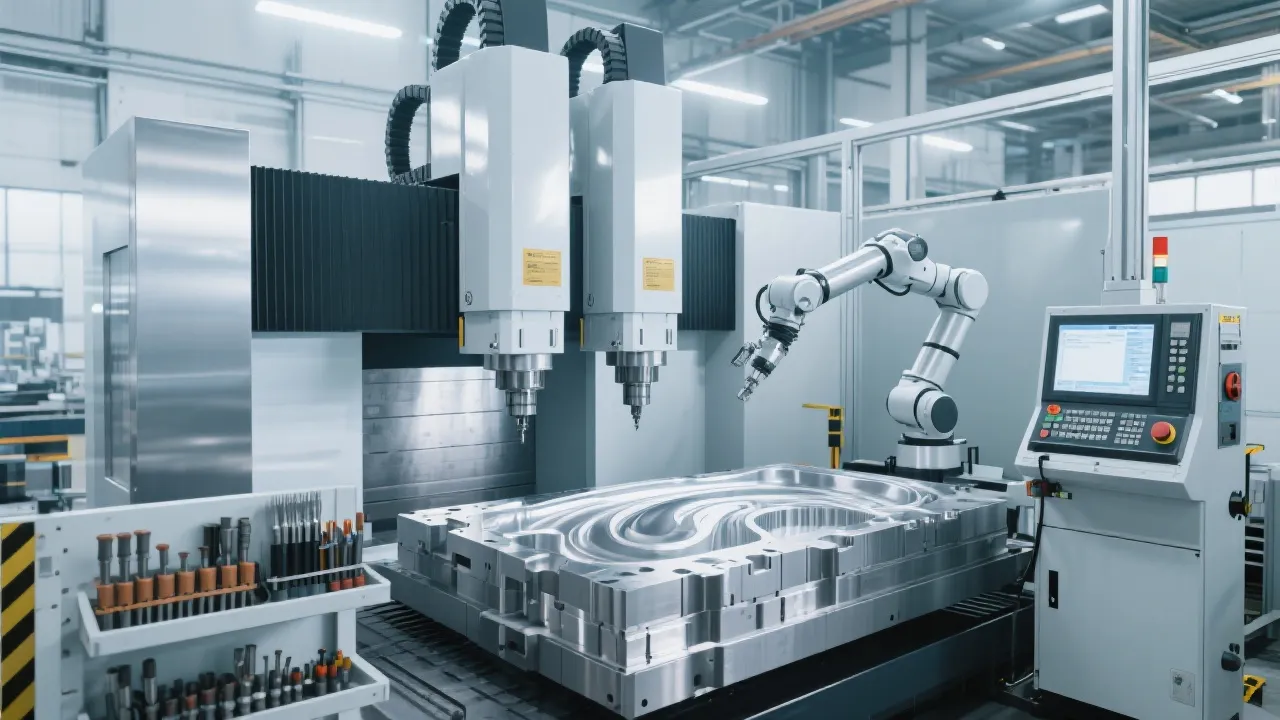
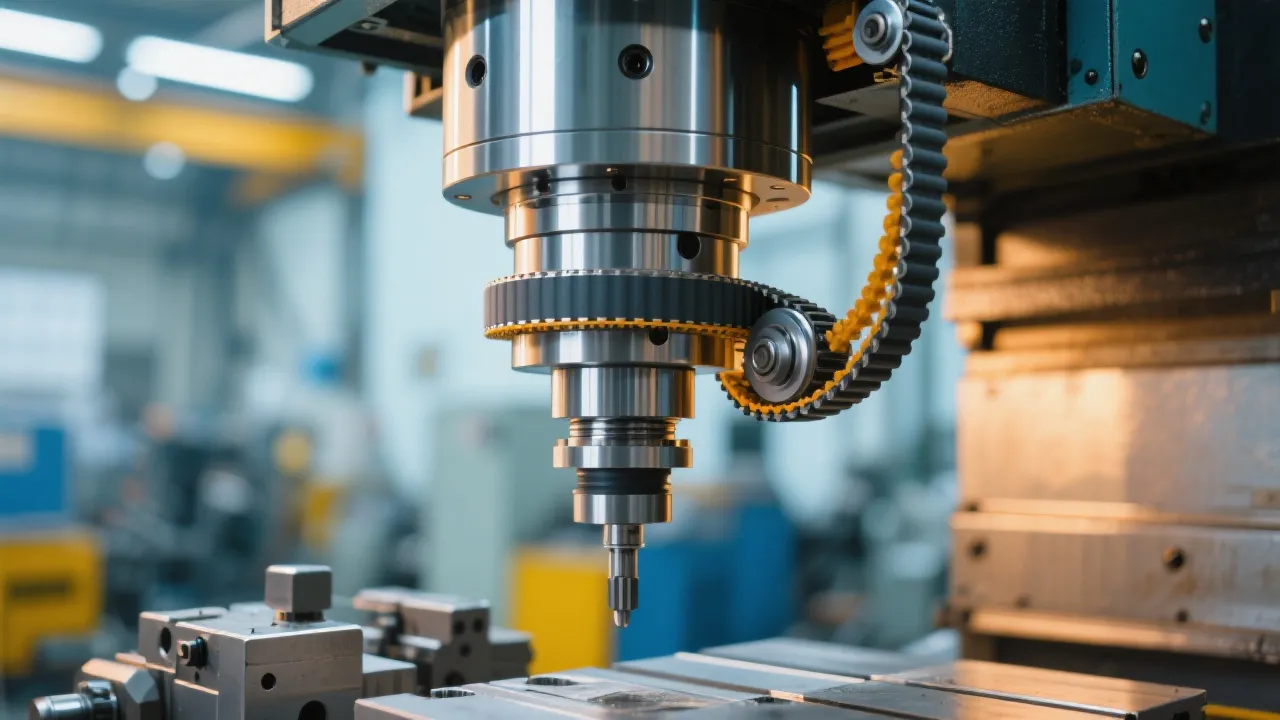
In an industry where precision can mean the difference between success and failure, manufacturers worldwide are increasingly recognizing that reliable CNC machinery isn't just a luxury—it's a necessity. For companies investing in export-grade CNC milling machines, understanding how these sophisticated tools are validated for global markets becomes crucial to making informed purchasing decisions.
Modern manufacturing facilities operate in environments where even microscopic deviations can compromise product quality. According to a study by the Precision Machining Association, equipment vibration accounts for approximately 37% of all precision-related defects in manufacturing processes. For export-oriented manufacturers, these statistics translate directly to increased warranty claims, production delays, and damaged reputations in international markets.
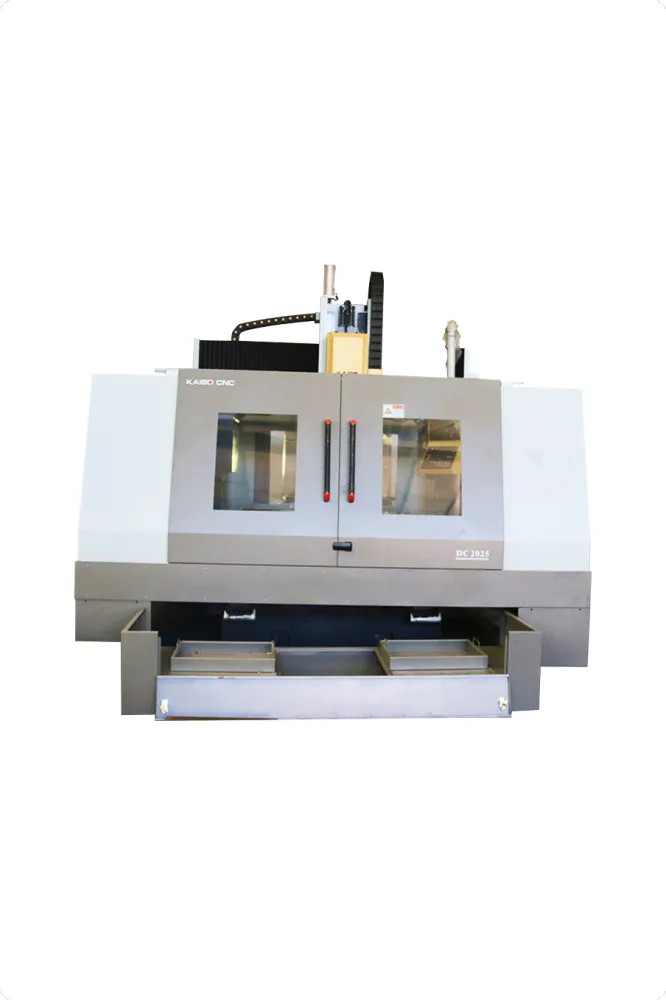
Export-grade CNC machines face unique challenges that domestic models often don't encounter—extended shipping times, varying environmental conditions, and diverse power supply standards. This is why leading manufacturers like 凯博数控 (Kaibo CNC) implement rigorous validation protocols that go beyond basic functionality testing to ensure their equipment maintains precision and reliability regardless of operating conditions.
Industry Insight: "In precision manufacturing, the difference between a good machine and a great one often lies in how it performs under stress. Vibration testing isn't just about meeting standards—it's about predicting real-world performance and ensuring consistent quality over decades of operation." — Dr. Michael Chen, Precision Engineering Consultant with 20+ years in CNC technology development.
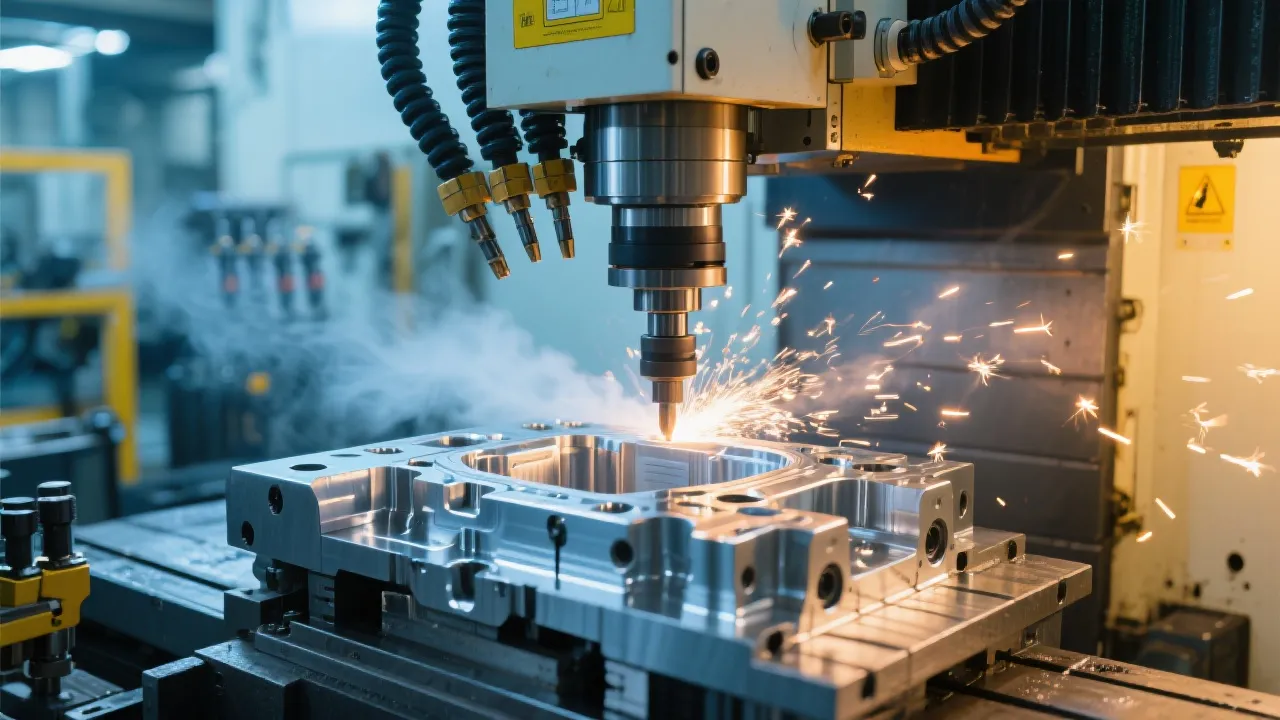
Vibration testing serves as the cornerstone of reliability validation for CNC milling machines. This comprehensive process evaluates how machine components interact under operational stress, identifying potential resonance points and structural weaknesses before they impact performance.
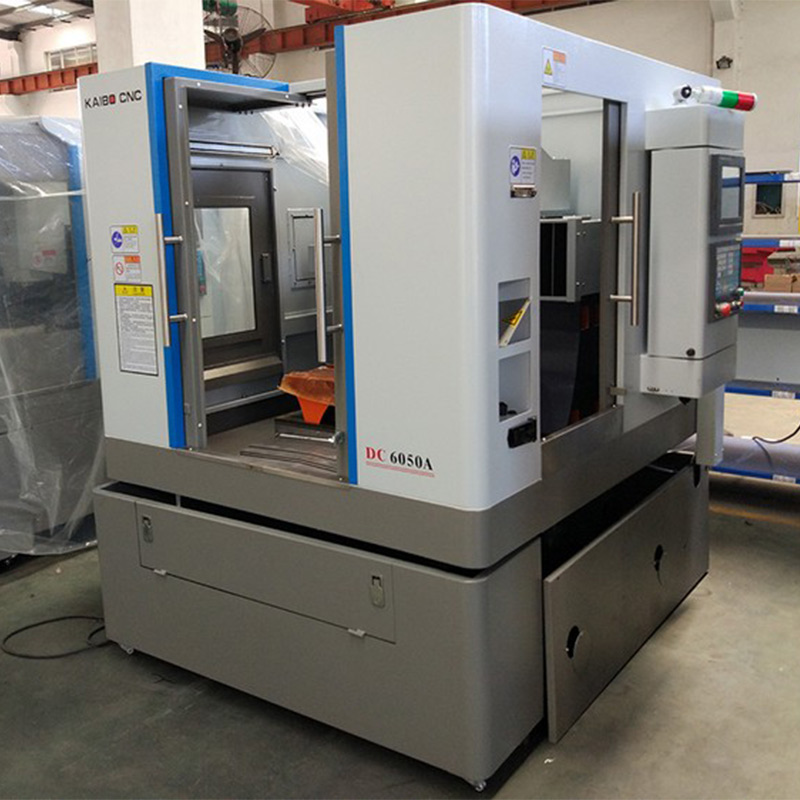
The vibration testing process typically involves three key phases:
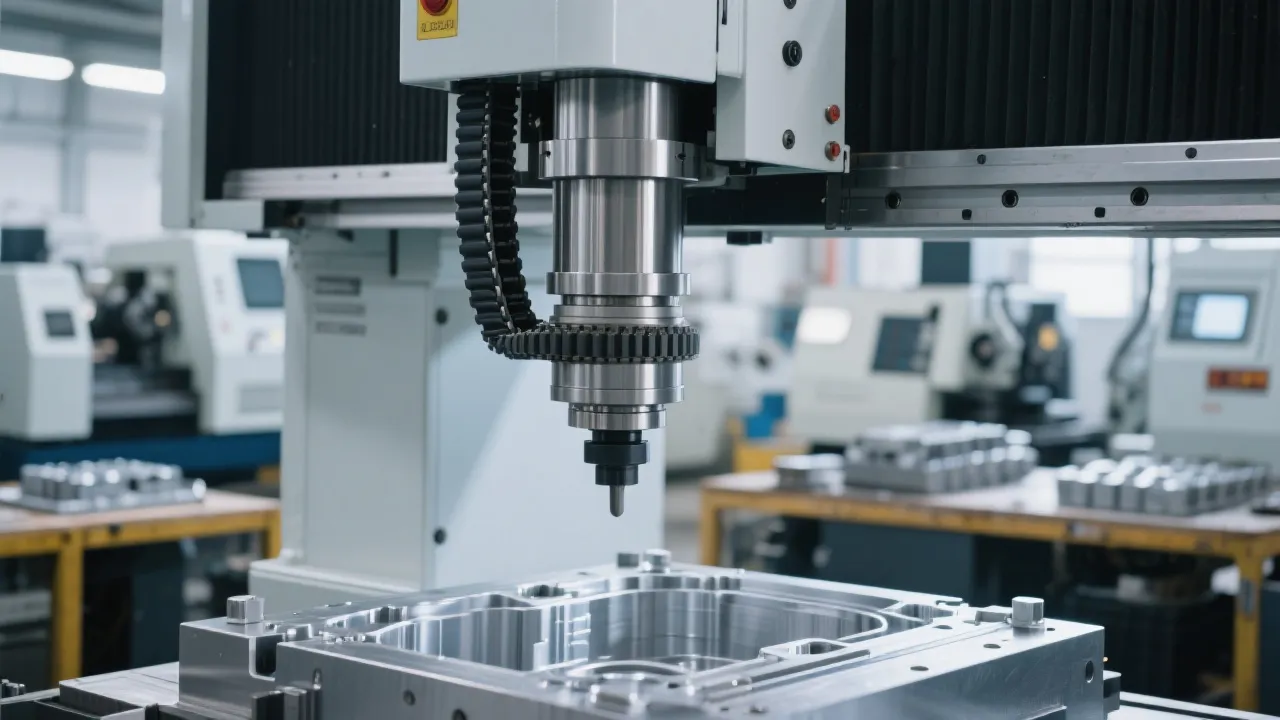
During testing, specialized accelerometers placed at critical points—spindle housing, guide rails, and bed structure—capture vibration data at 5000 samples per second. This granular data allows engineers to create detailed frequency response curves that reveal how different components interact under operational stress.
凯博数控's validation processes adhere strictly to ISO 230-1, the international standard for machine tool accuracy. This standard specifies both static and dynamic testing procedures, with particular emphasis on vibration amplitude limits across different frequency bands:
| Frequency Range | Maximum Allowable Vibration | 凯博数控 DC6050A Performance |
|---|---|---|
| 1-100Hz | ≤ 2.8 μm | ≤ 1.2 μm |
| 100-500Hz | ≤ 1.8 μm | ≤ 0.7 μm |
| 500-2000Hz | ≤ 1.1 μm | ≤ 0.4 μm |
These stringent standards ensure that 凯博数控's DC6050A copper electrode milling machine maintains positional accuracy of ±0.002mm even under continuous operation—a critical specification for industries such as mold making and precision engineering where component tolerances are measured in micrometers.
While vibration testing forms the backbone of reliability validation, export-grade CNC machines must undergo a battery of additional assessments to ensure global performance consistency. 凯博数控's comprehensive validation process includes:
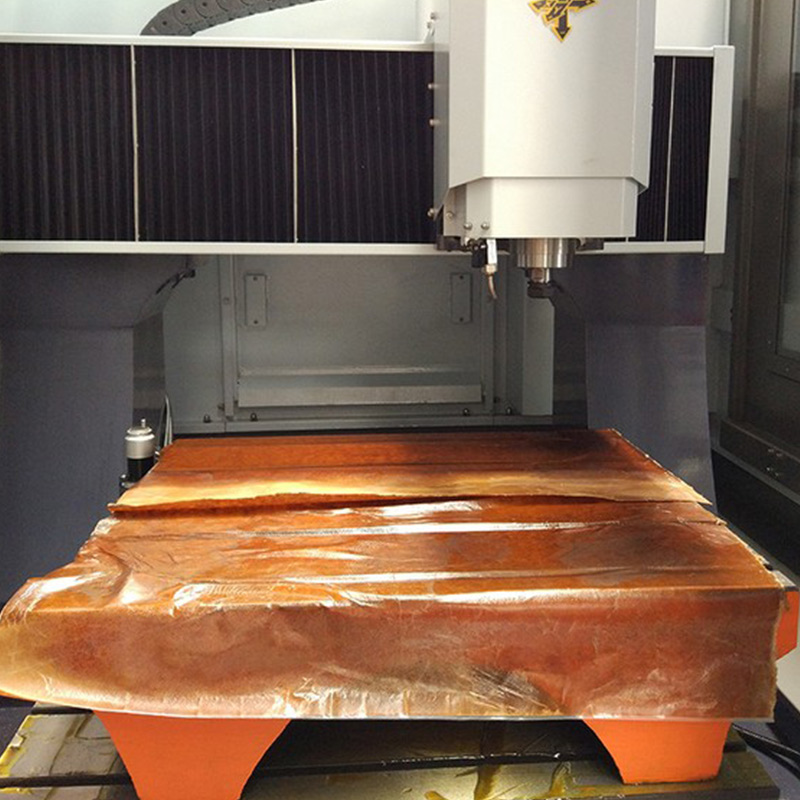
Each DC6050A undergoes a continuous 120-hour run test under varying load conditions, simulating two weeks of intensive production. During this period, critical parameters are measured every 15 minutes, including:
Exported machinery must perform consistently across diverse climates. 凯博数控's environmental testing chamber subjects machines to temperature extremes from -10°C to 45°C and humidity levels between 30% and 90%, ensuring reliable operation whether installed in a temperature-controlled facility in Germany or a factory in Southeast Asia.
Maintaining consistent quality across production runs presents significant challenges. 凯博数控 addresses this through a statistical process control system that samples 100% of finished machines, with key performance indicators tracked against three sigma limits. This rigorous approach results in a production consistency rate exceeding 98.7%, far above the industry average of approximately 92%.
Even the most thoroughly validated CNC machine requires responsive support to maintain optimal performance throughout its lifecycle. 凯博数控's global service network includes 18 service centers across 12 countries, providing 24-hour technical support and rapid spare parts delivery. This infrastructure ensures minimal downtime, with an average response time of under 4 hours and on-site resolution within 24 hours for critical issues.

Gain expert insights into how rigorous testing protocols translate to real-world performance advantages and cost savings over your machine's lifetime.
Access the Whitepaper NowFor manufacturers operating in global markets, the reliability of CNC equipment directly impacts competitiveness, product quality, and ultimately, profitability. By implementing comprehensive validation protocols that address vibration, thermal stability, and environmental adaptability, manufacturers like 凯博数控 are setting new standards for precision and performance in export-grade machinery. As production demands continue to grow more exacting, the value of this rigorous approach becomes increasingly evident in the quality of finished components and the efficiency of manufacturing processes worldwide.