In today's global manufacturing landscape, precision and reliability are not merely specifications but essential requirements for CNC machinery. For manufacturers across automotive, aerospace, and medical industries, the consistency of machining results directly impacts product quality and production efficiency. This is where integrated vibration testing becomes a decisive factor in verifying the performance of export-grade CNC milling machines.
"Modern manufacturing tolerances demand CNC equipment that maintains sub-micron precision even under continuous operation. Vibration testing isn't just a quality check—it's the foundation of predictable performance in real-world production environments."
— Dr. Michael Chen, Precision Engineering Specialist
Vibration testing evaluates a CNC machine's structural integrity and dynamic stability under various operating conditions. Unlike basic functional tests, this process simulates real-world machining scenarios to identify potential resonance issues, component weaknesses, and precision degradation points.
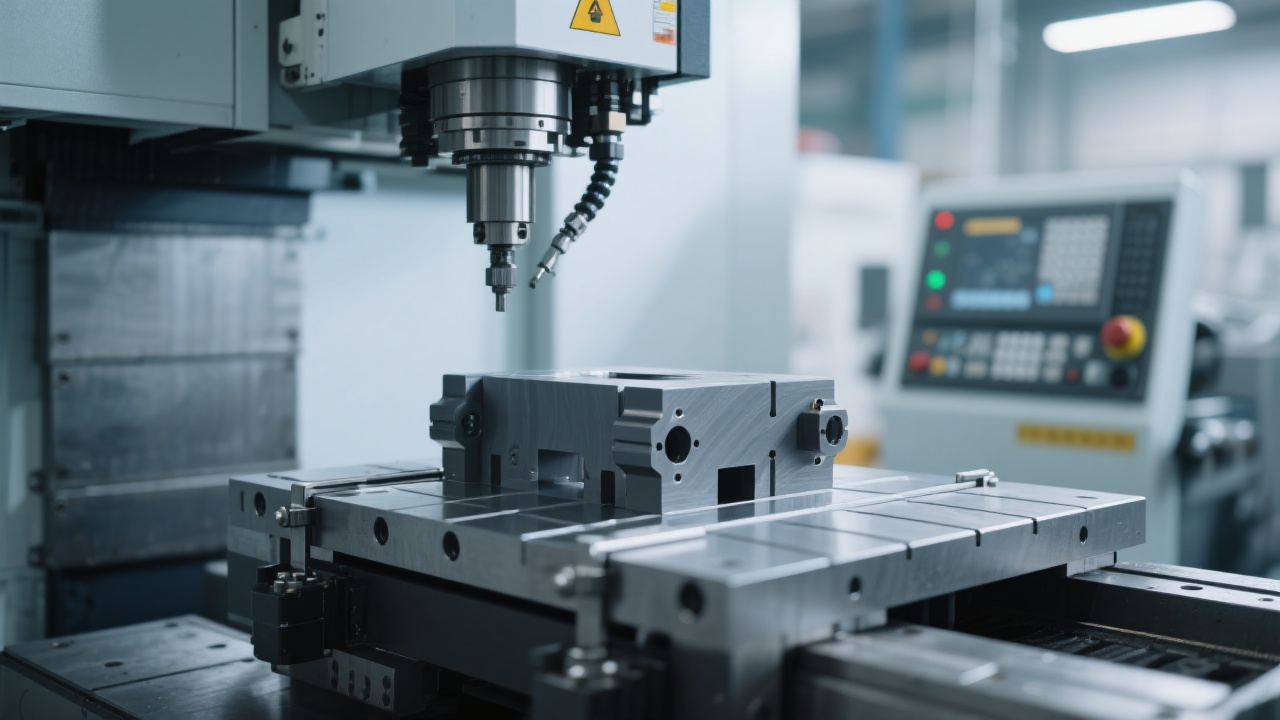
Key parameters measured during vibration testing include:
Global markets demand compliance with stringent international standards, with ISO 230-1 serving as the benchmark for machine tool performance evaluation. This standard specifies methods for determining geometric accuracy and repeatability, including vibration-related parameters that directly impact machining precision.
| Performance Parameter | ISO 230-1 Requirement | 凯博数控 (Kaibo CNC) Standard |
|---|---|---|
| Positioning accuracy (X/Y axis) | ≤0.015mm/300mm | ≤0.012mm/300mm |
| Repeatability (all axes) | ≤0.008mm | ≤0.006mm |
| Spindle vibration at 8000 RPM | ≤0.015mm | ≤0.010mm |
North American and European markets often impose additional requirements beyond basic ISO compliance. For example, German DIN standards emphasize long-term stability, requiring 100-hour continuous operation tests with less than 0.003mm accuracy degradation—a standard that 凯博数控 (Kaibo CNC) has consistently met across its export product line.
True reliability can only be proven through extended operation under realistic conditions. 凯博数控's (Kaibo CNC) testing protocol includes a rigorous 168-hour continuous run test, simulating typical manufacturing workloads with varying materials and cutting parameters.
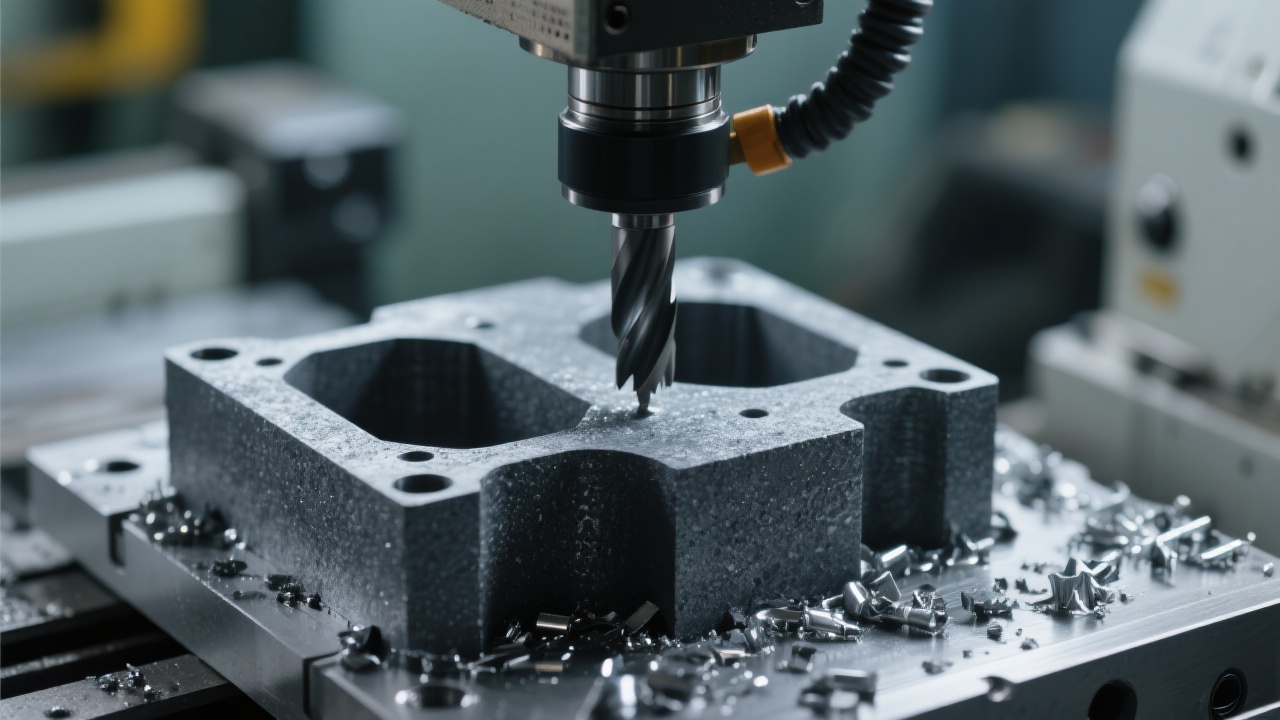
During this endurance test, critical parameters are monitored and recorded at 5-minute intervals, including:
Environmental adaptability is another crucial factor for export equipment. 凯博数控 (Kaibo CNC) subjects machines to temperature cycling from 10°C to 40°C and humidity variations between 30% and 85% RH, ensuring stable performance across diverse factory environments worldwide.
While rigorous testing ensures initial quality, leading manufacturers recognize that reliability extends throughout the machine's lifecycle. 凯博数控 (Kaibo CNC) has developed a comprehensive service framework that includes:
Real-time performance monitoring with AI-powered anomaly detection, reducing downtime by up to 65% through predictive maintenance alerts.
Strategically located spare parts centers in key export markets ensuring 48-hour delivery for critical components to major industrial regions.
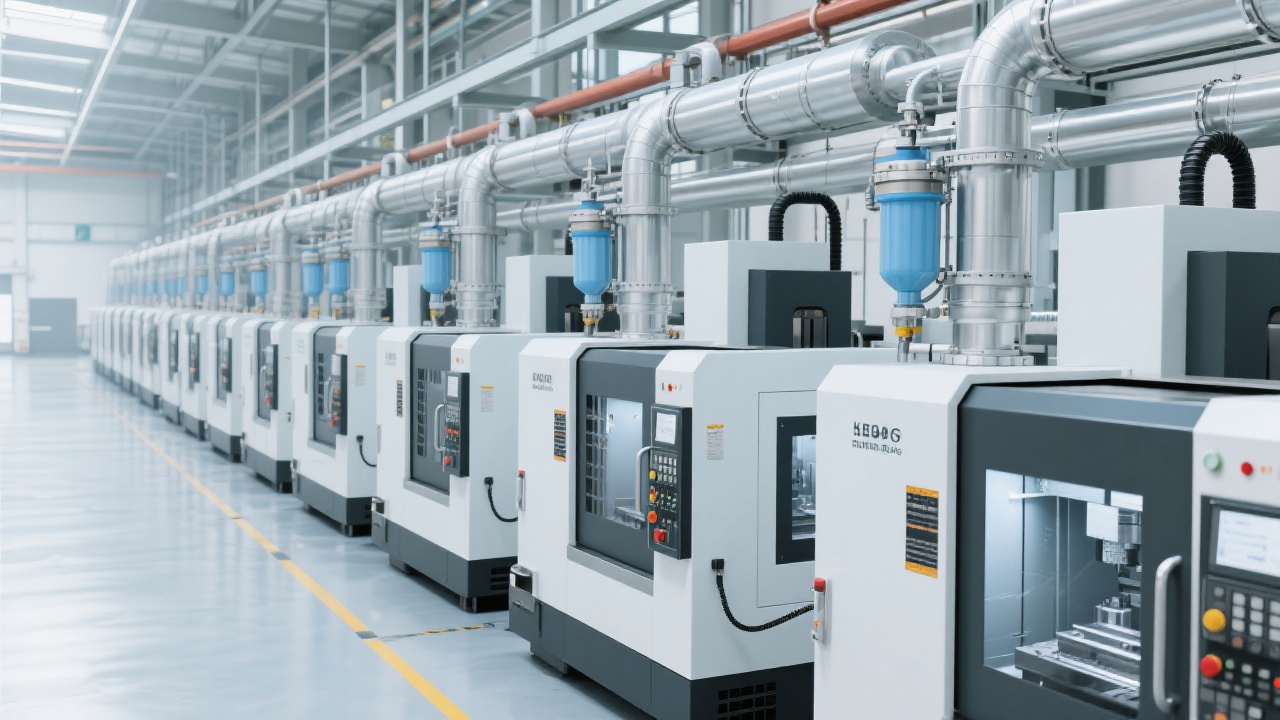
Request your comprehensive CNC Milling Machine Performance Verification Report and discover how 凯博数控's (Kaibo CNC) testing protocols translate to real-world manufacturing advantages.
Get Your Customized Test ReportManufacturers worldwide are discovering that the true cost of a CNC machine isn't measured by initial purchase price alone, but by its long-term performance consistency, maintenance requirements, and ultimately, its contribution to production efficiency. With vibration testing and comprehensive quality protocols as its foundation, modern CNC technology is redefining what manufacturers can expect from their machining centers.