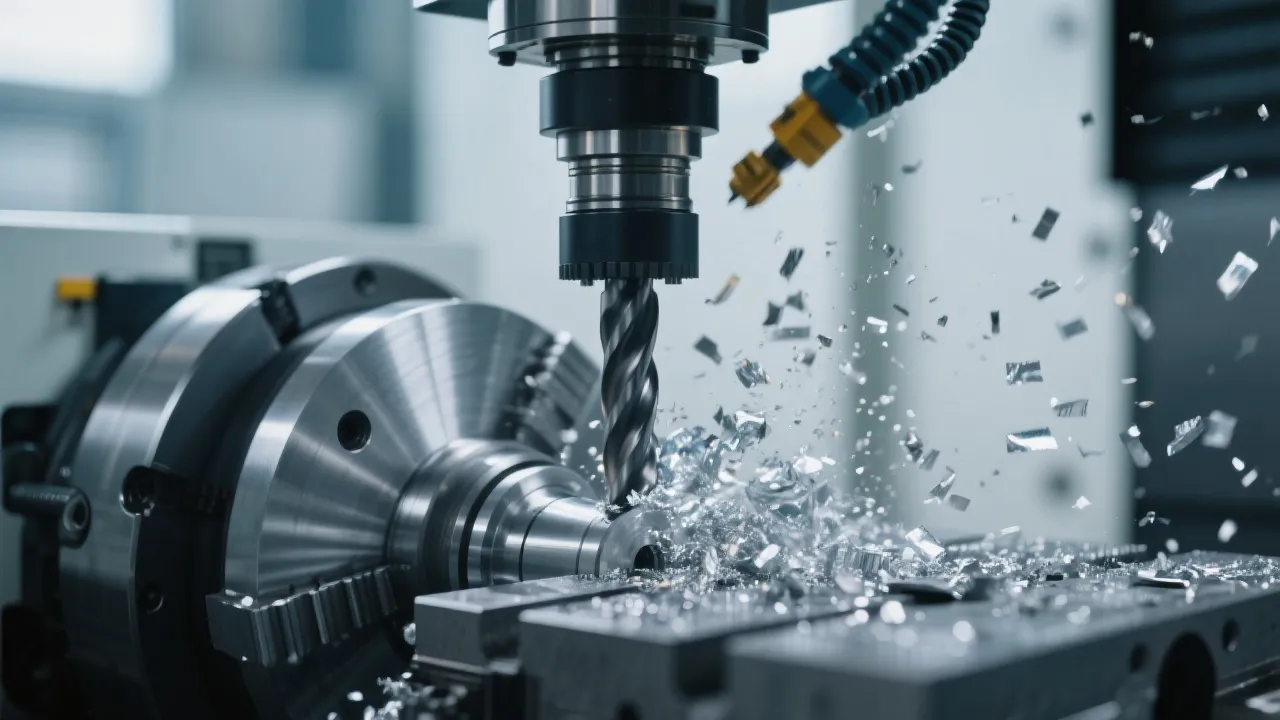
In today’s competitive global market, small-batch manufacturing is no longer a niche—it's a strategic advantage. Companies across industries—from aerospace to medical devices—are shifting toward flexible, high-precision production models that demand smarter machine tools. But how do you choose a CNC machining center that delivers both speed and reliability?
Enter Fanuc-controlled systems. With over 40 years of industrial automation leadership, Fanuc offers more than just control—it provides a complete ecosystem optimized for agility, precision, and uptime in low-volume, high-variety environments.
A study by Deloitte (2023) found that 74% of manufacturers report increased pressure to reduce setup times while maintaining tight tolerances—especially when producing batches under 50 units per run. Traditional CNC machines often struggle here due to slow tool changes, inconsistent response times, or rigid programming logic.
Fanuc’s real-time control architecture reduces cycle time variability by up to 30%, according to internal benchmarks from a Tier-1 automotive supplier using Fanuc-based vertical machining centers. That means less scrap, fewer rejects, and faster changeovers—critical for staying ahead in custom manufacturing.
Modern Fanuc controllers like the FANUC Series 30i-B support rapid interpolation with sub-micron accuracy, enabling consistent performance even at speeds exceeding 12,000 RPM. This is not just about raw power—it’s about predictable behavior under dynamic loads.
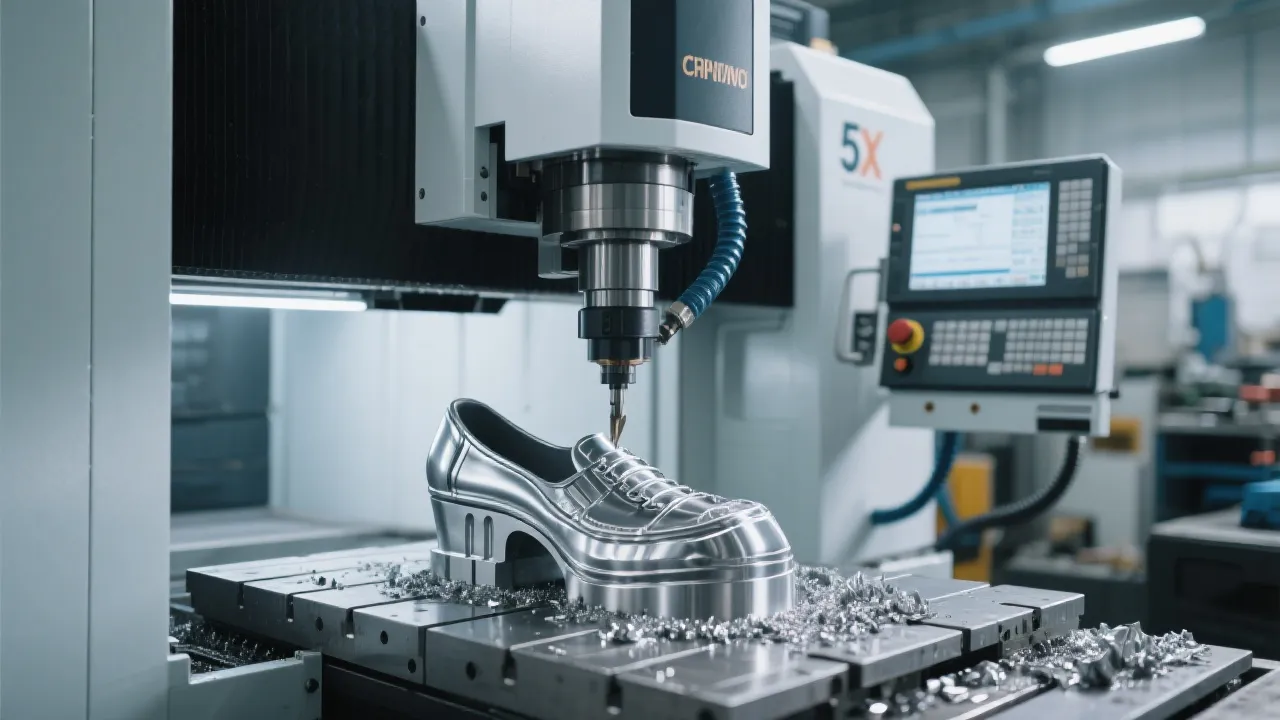
For example, a German medical device manufacturer reported a 40% reduction in surface finish defects after switching to Fanuc-controlled milling machines. Why? Because the system maintains precise feed rates even during complex contouring operations—a common challenge in prototyping and low-run production.
When it comes to fine finishing or hard material cutting (like titanium or Inconel), spindle power matters as much as speed. Fanuc-equipped machines typically feature spindles rated at 15–20 kW continuous power, allowing for sustained high-speed machining without thermal drift.
Consider this data point: A U.S.-based aerospace subcontractor saw a 25% improvement in tool life when upgrading from legacy controls to Fanuc-based systems. The reason? Better torque management and vibration damping built into the control loop—not just better hardware.
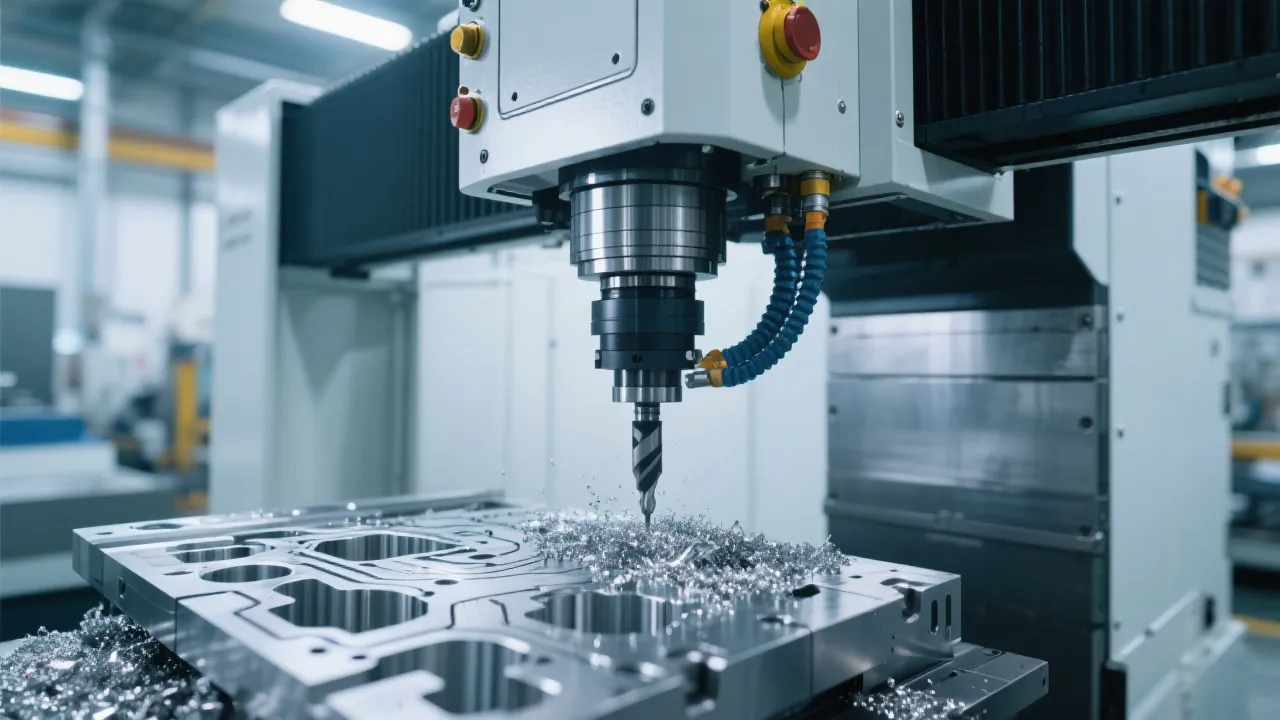
While many focus on controller specs or spindle speed, few consider structural integrity. Double-column CNC machines offer superior rigidity—up to 3x that of single-column designs—making them ideal for heavy-duty milling, deep cavity work, or multi-axis operations where deflection can ruin accuracy.
One Japanese OEM noted that their double-column Fanuc mill maintained ±0.005 mm repeatability over 8-hour shifts—even with frequent tool changes and varying load conditions. That kind of consistency doesn’t come from software alone—it’s engineered into the platform.
Even the best machine needs ongoing support. Fanuc’s global service network includes local engineers, remote diagnostics via iQ-MachineLink™, and comprehensive training modules tailored for shop floor operators. Their certified technician program ensures knowledge transfer happens quickly—not after months of downtime.
According to a survey by IndustryWeek (2024), companies using Fanuc-supported machines experienced 60% fewer unplanned stoppages compared to those relying on generic control solutions. That’s not just convenience—it’s operational resilience.
If you're evaluating CNC equipment for flexible manufacturing, don’t settle for “good enough.” Choose a system that adapts as fast as your business does—and stays reliable when it matters most.
Discover how Fanuc-powered CNC centers transform small-batch production into a scalable competitive edge.
Explore Fanuc CNC Solutions Now