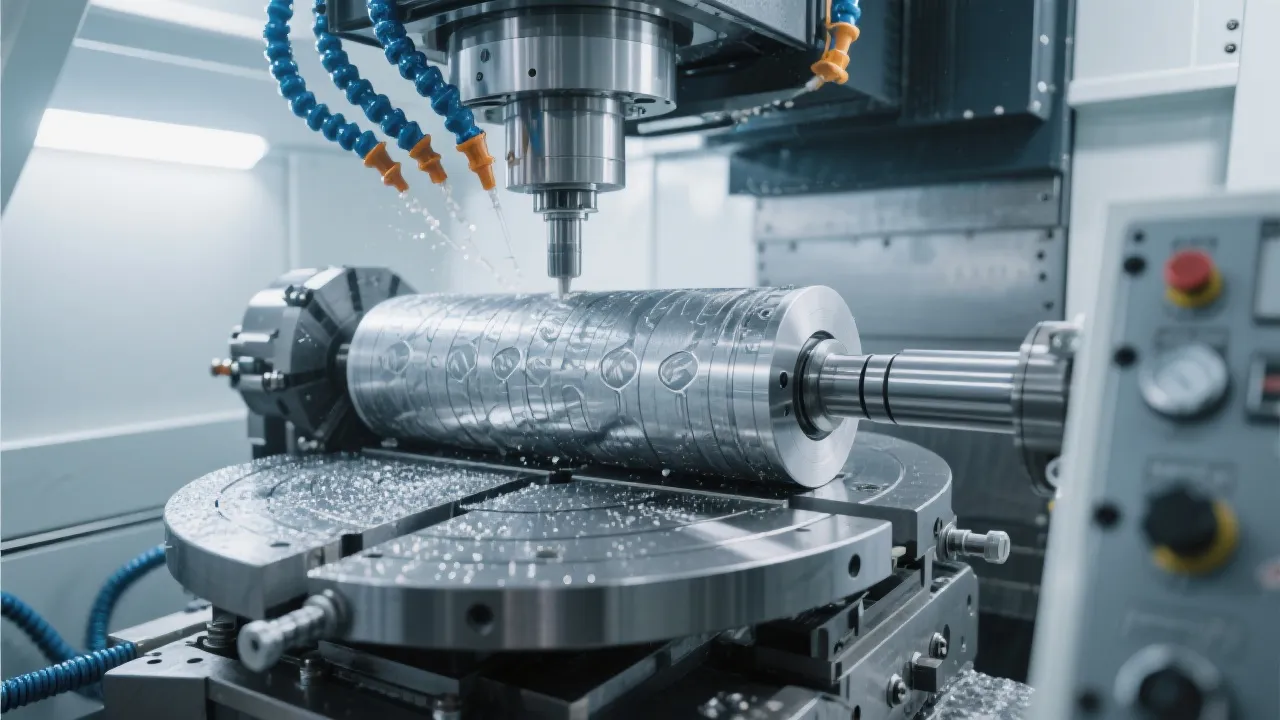
You’re not alone if your shop struggles with long setup times when switching between small batches of different parts. In fact, studies show that up to 40% of total machining time in flexible production lines is spent on loading, clamping, and alignment—not cutting.
If you're using outdated mechanical chucks or manually adjusting fixtures for every job, you're likely seeing:
That’s where smart fixture selection becomes a game-changer — not just for speed, but for precision and consistency.
| Type | Best For | Setup Time | Precision Impact | Pros & Cons |
|---|---|---|---|---|
| Mechanical Clamp | Standard steel parts, low-volume runs | 3–5 mins | Moderate (requires manual adjustment) | ✔️ Low cost ❌ High variability |
| Pneumatic Clamp | Medium complexity, frequent changeovers | 1–2 mins | High (consistent pressure control) | ✔️ Fast, repeatable ❌ Needs compressed air system |
| Magnetic Clamp | Thin-walled components, molds, aerospace alloys | Under 1 min | Very high (zero contact stress) | ✔️ No tooling needed ❌ Limited to ferromagnetic materials |
In one real-world case at a German mold-making firm, switching from mechanical to pneumatic clamping reduced average setup time from 4.2 minutes to 1.7 minutes — resulting in a 30% increase in daily output without adding shifts.
Don’t overlook these simple yet powerful practices:
These aren't just theoretical suggestions — they’ve been proven in shops producing medical implants, automotive dies, and custom jigs for OEMs worldwide.
When your customers demand flexibility, your setup must be faster than their questions. That means investing in the right tools — not just for today, but for tomorrow's order mix.







 <#else>