In today's rapidly evolving automotive industry, manufacturers face unprecedented pressure to produce heavier, more complex components with tighter tolerances while reducing production time and costs. A recent industry survey revealed that 42% of automotive manufacturers identify precision control and processing efficiency as their top challenges in heavy-duty component manufacturing. This is particularly true for critical parts like engine blocks and transmission housings, where even minor deviations can compromise performance and safety.
"The automotive industry's shift toward electric vehicles and lightweight materials has increased demand for machining solutions that can handle both high precision and heavy workloads. Traditional equipment often struggles to maintain accuracy under sustained heavy cutting conditions." — Automotive Manufacturing Technology Review, 2023
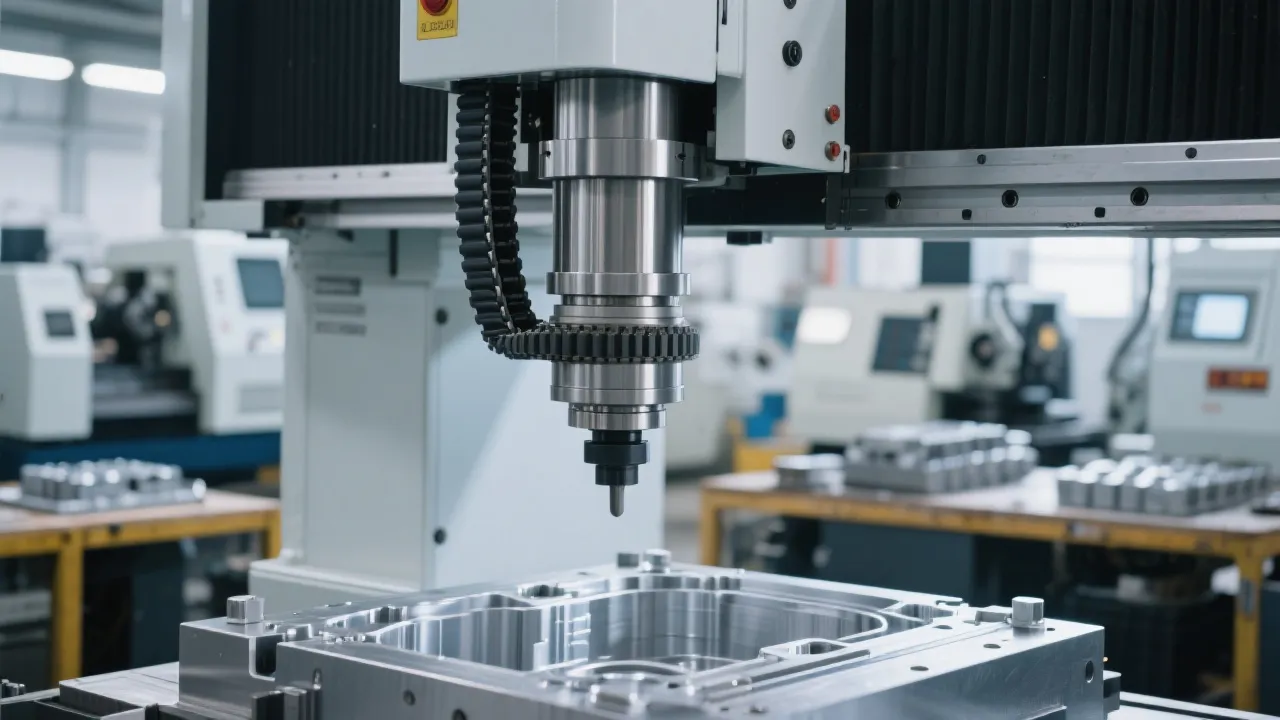
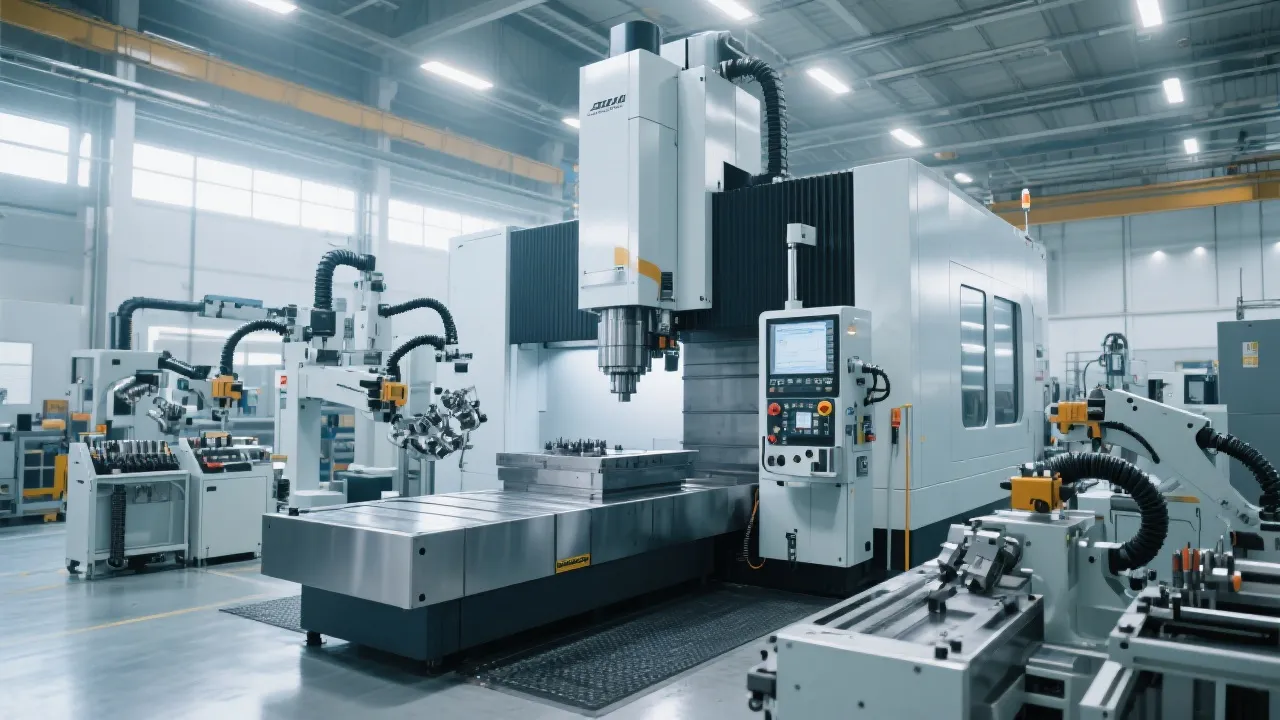
The performance of gantry CNC milling machines stems from their robust structural design, specifically engineered to address the unique challenges of heavy-duty automotive component machining:
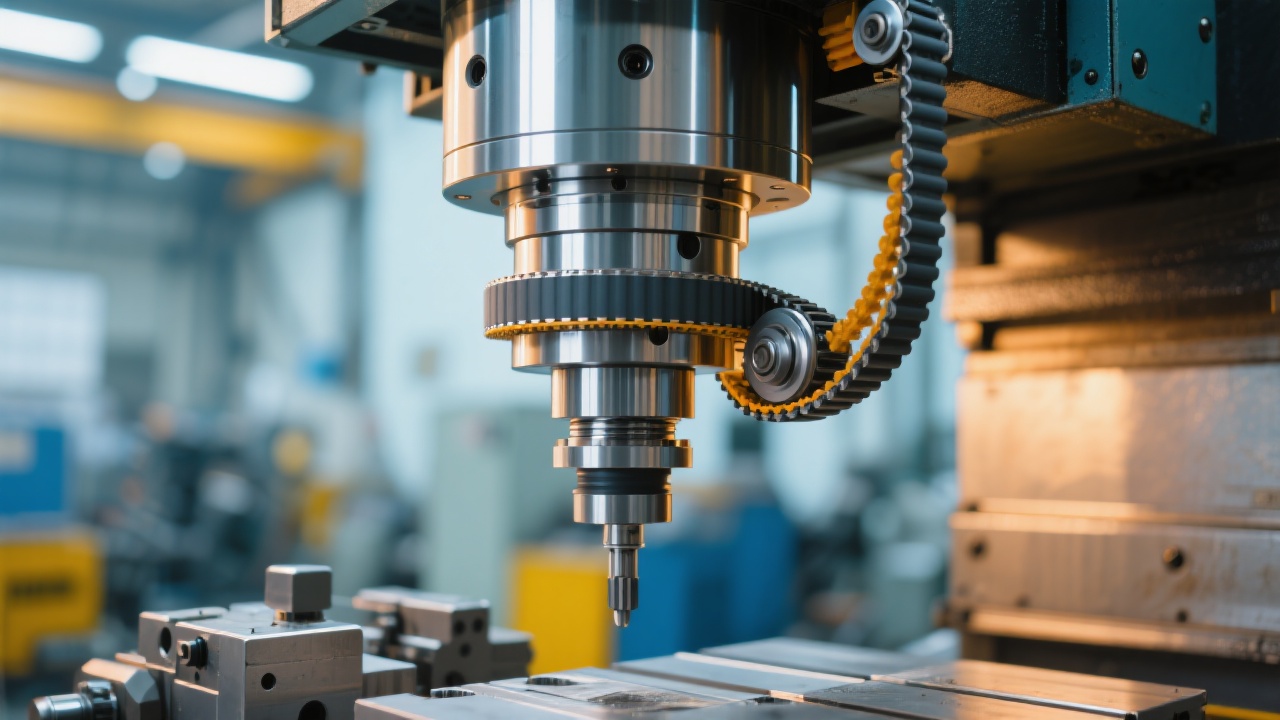
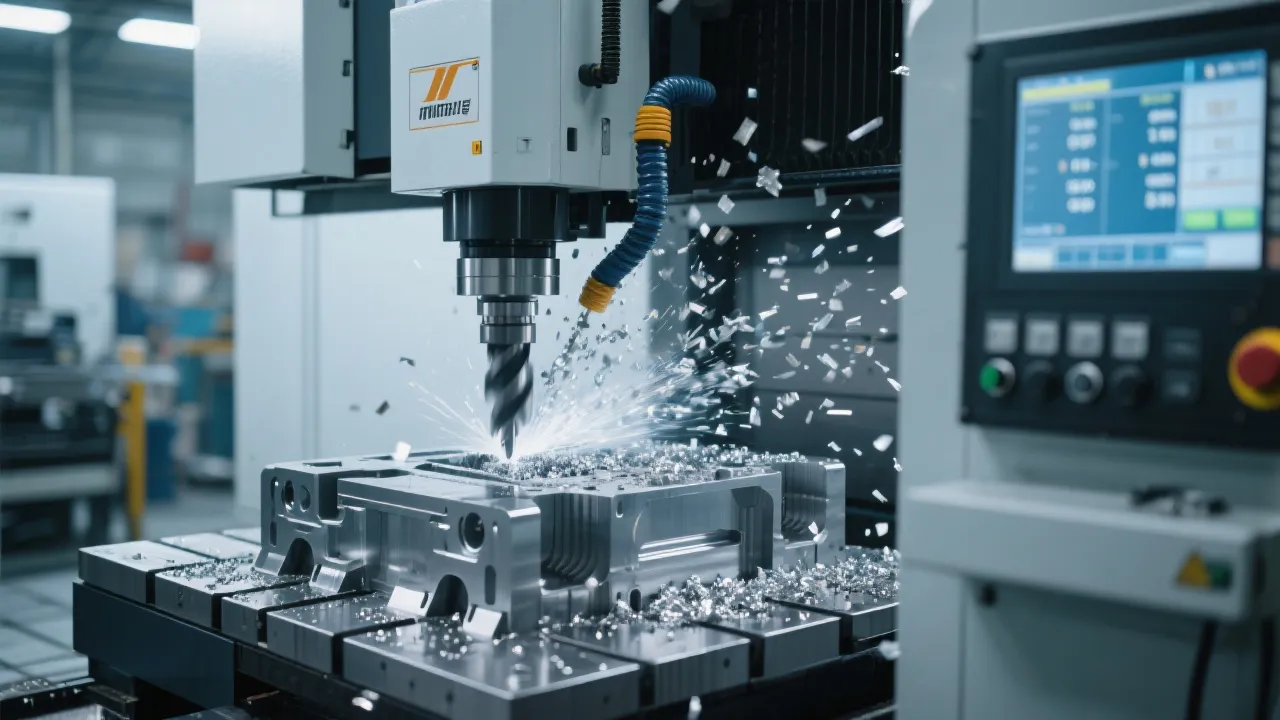
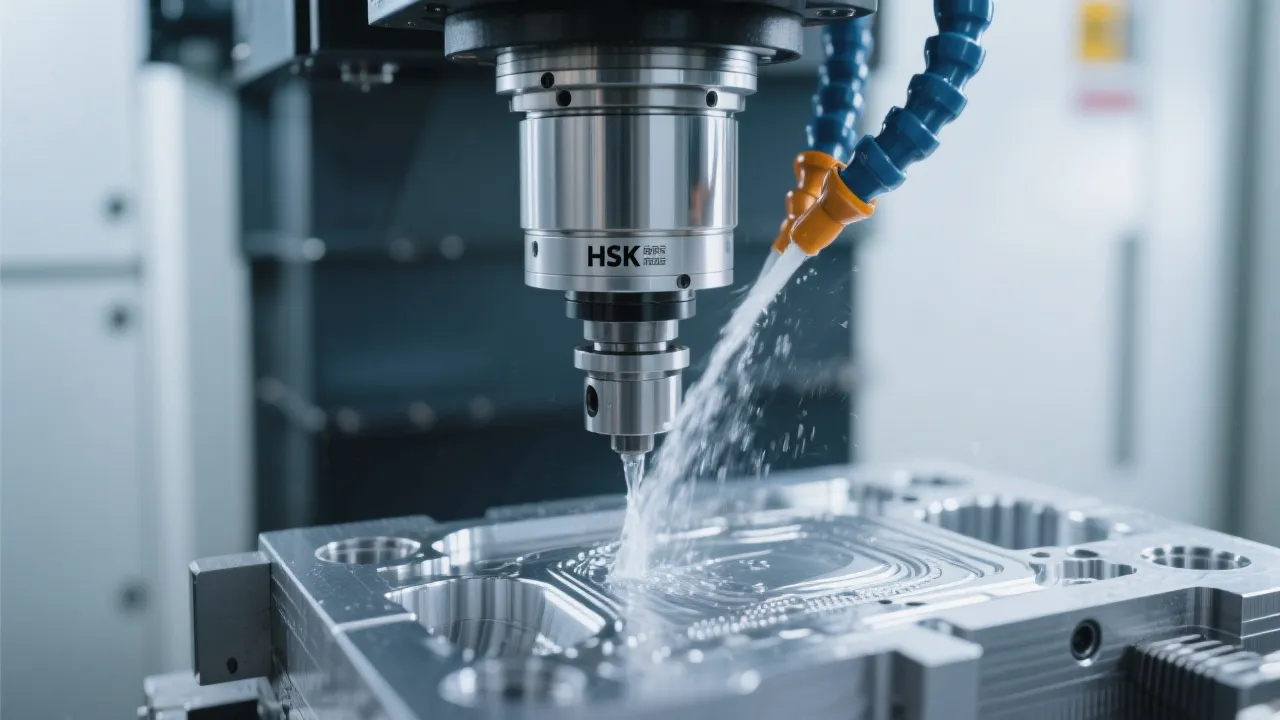
Maintaining precision during high-speed, heavy-load machining requires advanced control systems and innovative technologies:
Modern gantry mills incorporate real-time temperature monitoring with multi-point thermal sensors that adjust machining parameters dynamically. This technology can reduce thermal-induced errors by up to 70%, ensuring consistent precision even during extended production runs.
Advanced control algorithms analyze cutting forces 1000 times per second, adjusting feed rates and spindle speed to maintain optimal cutting conditions. This results in up to 35% improvement in surface finish quality for critical automotive components.
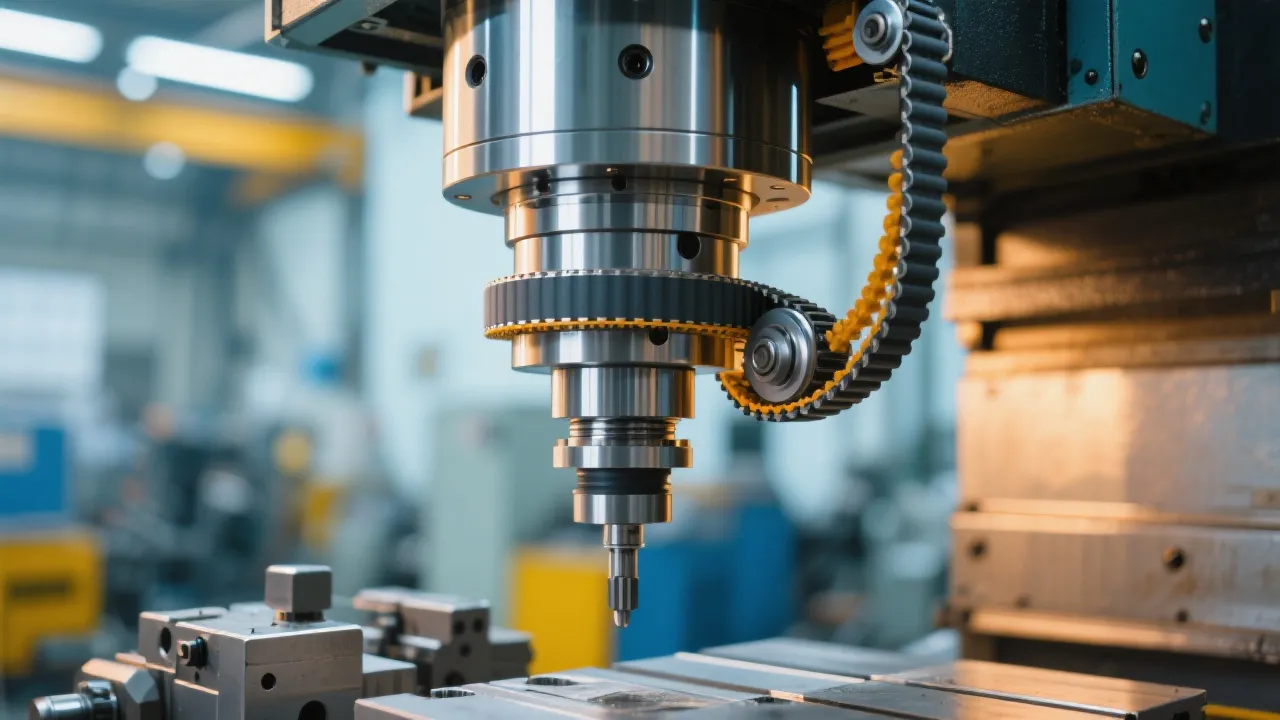
Integrated vibration sensors work in conjunction with specialized damping systems to reduce machining vibrations by up to 50%, significantly extending tool life and improving surface integrity.
Automotive manufacturers worldwide have reported substantial improvements after implementing advanced gantry CNC milling solutions. A leading European automotive supplier documented the following results after upgrading to modern gantry technology for engine block machining:
| Performance Metric | Traditional Machining | Gantry CNC Milling | Improvement |
|---|---|---|---|
| Cycle Time per Component | 42 minutes | 28 minutes | 33.3% |
| Dimensional Accuracy | ±0.015mm | ±0.005mm | 66.7% |
| Tool Life | 180 components | 320 components | 77.8% |
| Rejection Rate | 3.2% | 0.8% | 75.0% |
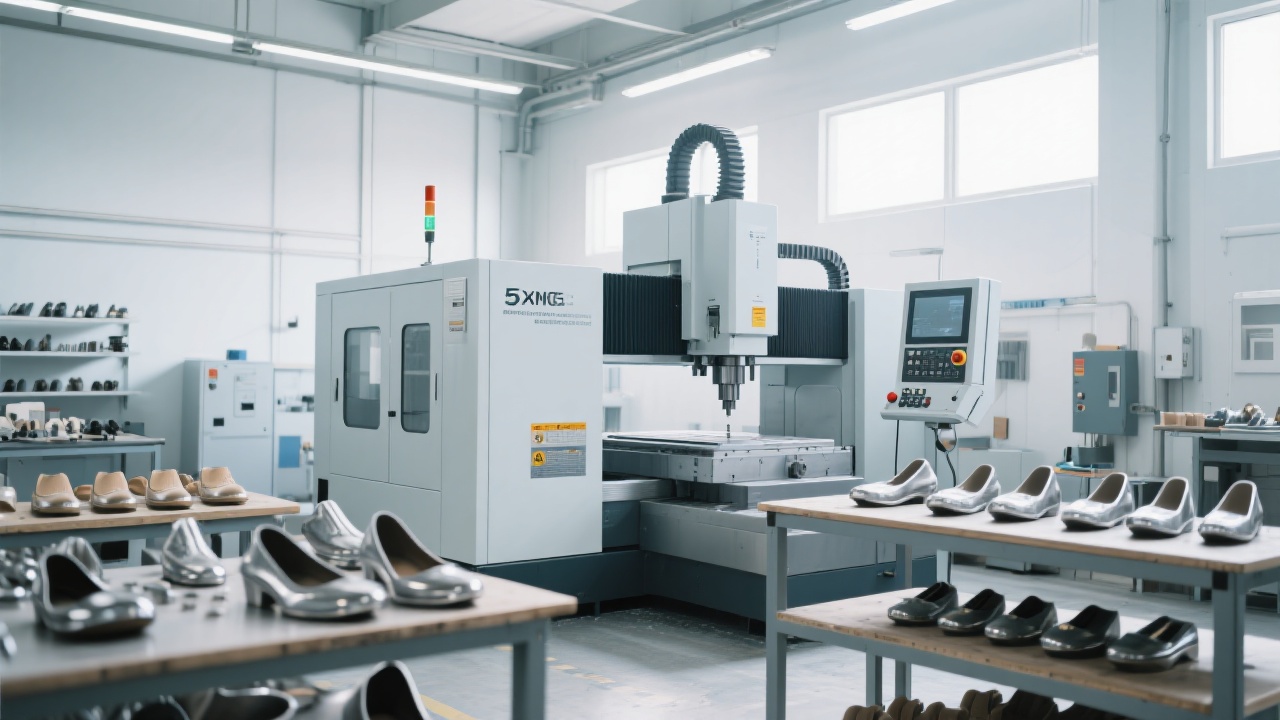
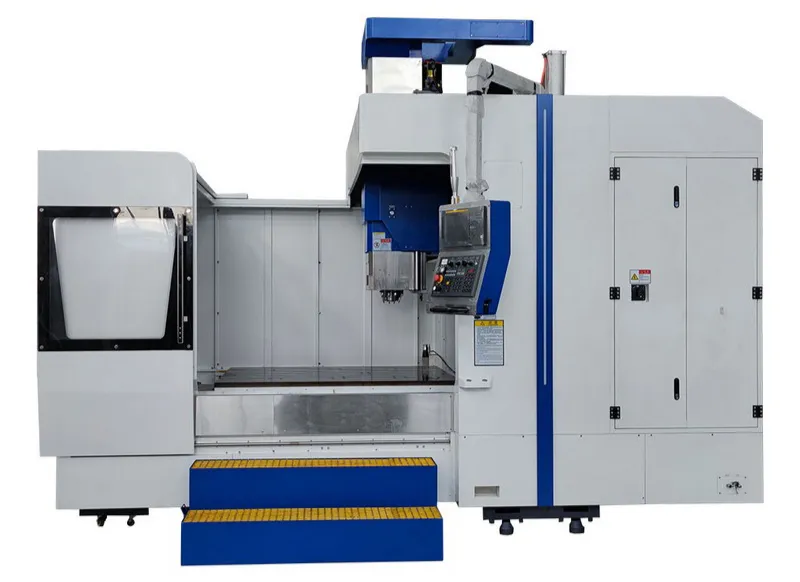
Designed specifically for medium to large mold and component manufacturing, the Kaibo CNC DC1417 integrates these advanced technologies into a comprehensive solution for automotive manufacturers. What truly sets this machine apart is its commitment to quality through over 70 quality inspection processes and full ISO9001 certification, ensuring consistent performance and reliability.
The DC1417's robust construction features a reinforced gantry structure with hardened and ground guideways, delivering exceptional stability even during heavy cutting operations. Its advanced thermal compensation system continuously adjusts for temperature variations, maintaining precision throughout extended production runs.
With 26 service centers worldwide, Kaibo CNC provides responsive technical support and maintenance services, minimizing downtime and ensuring maximum productivity. This global presence means automotive manufacturers can rely on local expertise wherever their production facilities are located.
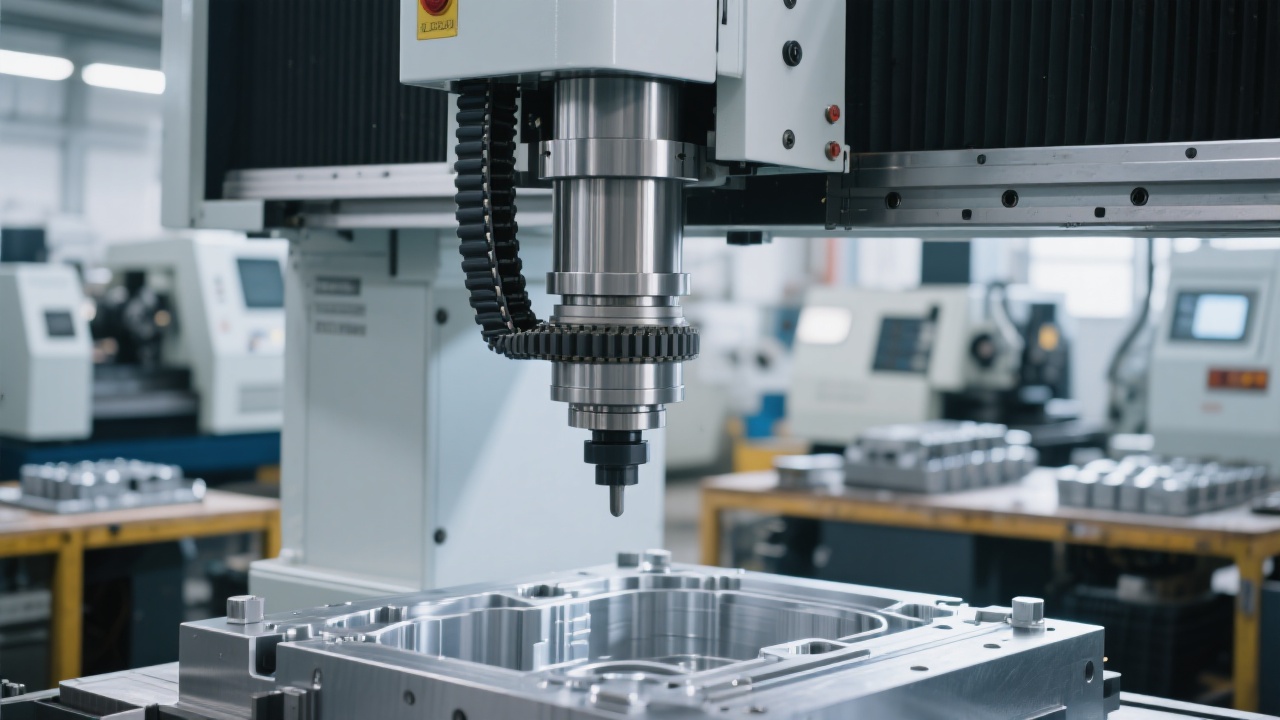
Automotive manufacturers today need more than just machinery—they need reliable partners who understand their unique challenges. The transition to electric vehicles and the increasing complexity of automotive components demand machining solutions that can deliver both power and precision. By investing in advanced gantry CNC technology, manufacturers can position themselves to meet these evolving demands while improving efficiency and product quality.
Discover how Kaibo CNC DC1417 can reduce your production time while improving precision and reliability
Download the DC1417 Technical Specification SheetAs automotive manufacturing continues to evolve, the role of advanced machining technology becomes increasingly critical. The right equipment doesn't just improve production metrics—it transforms manufacturing capabilities, enabling the creation of components that meet the stringent requirements of modern vehicles. With the right partner and technology, automotive manufacturers can look forward to a future of increased efficiency, improved quality, and sustainable growth.