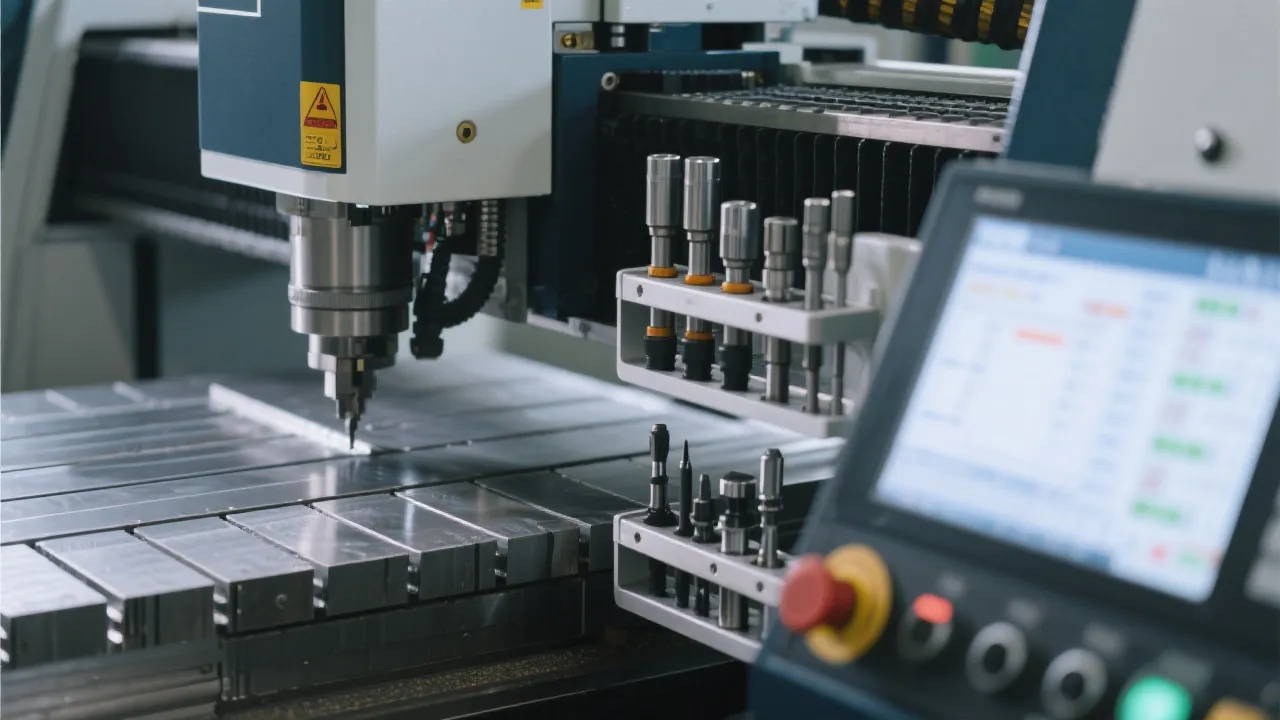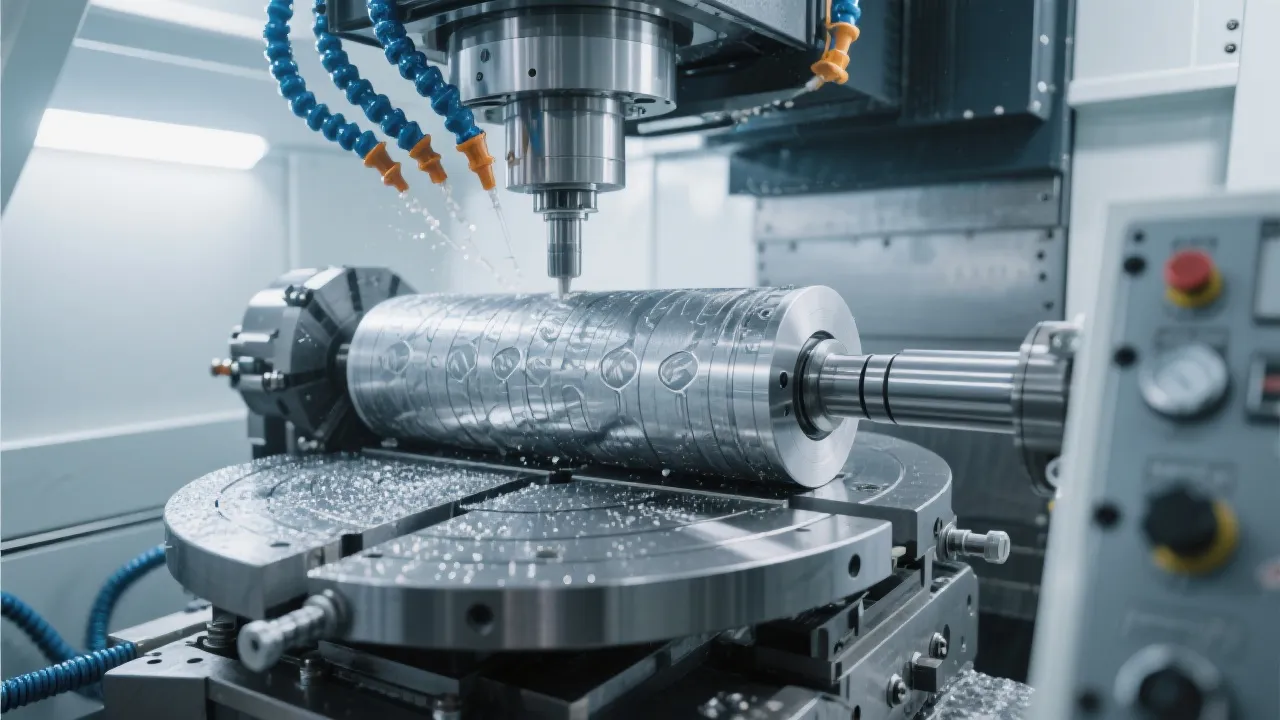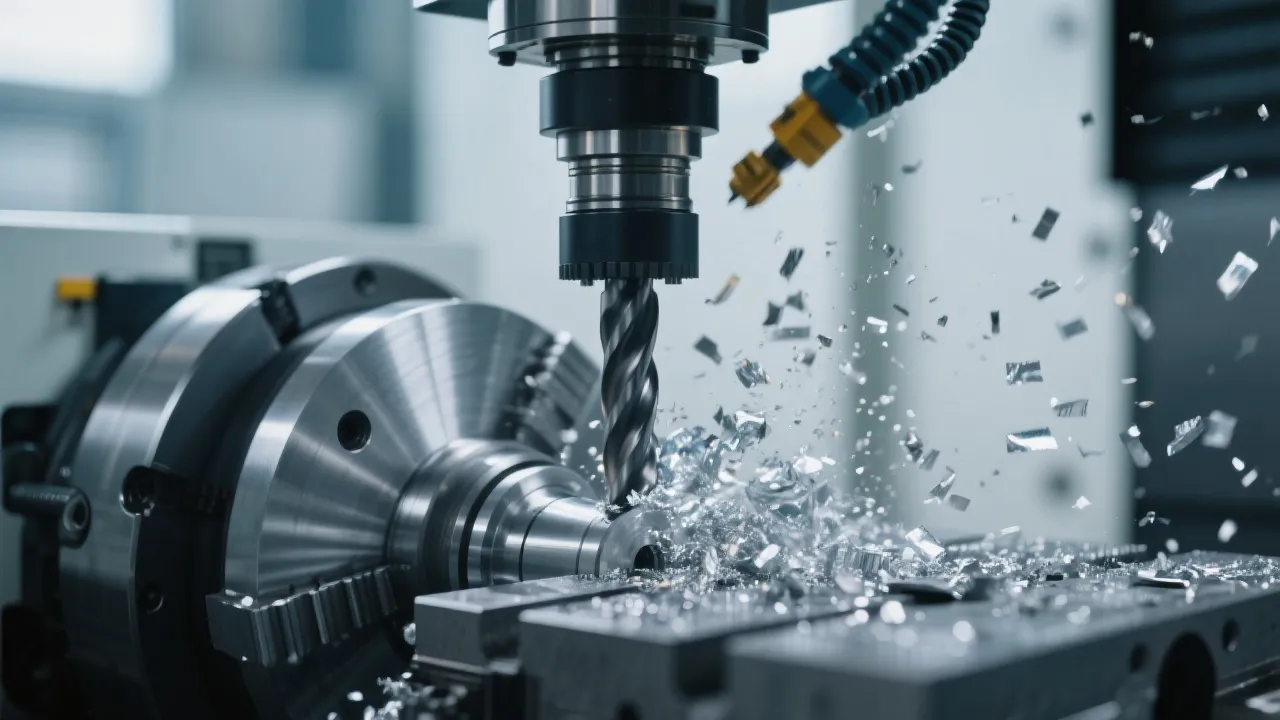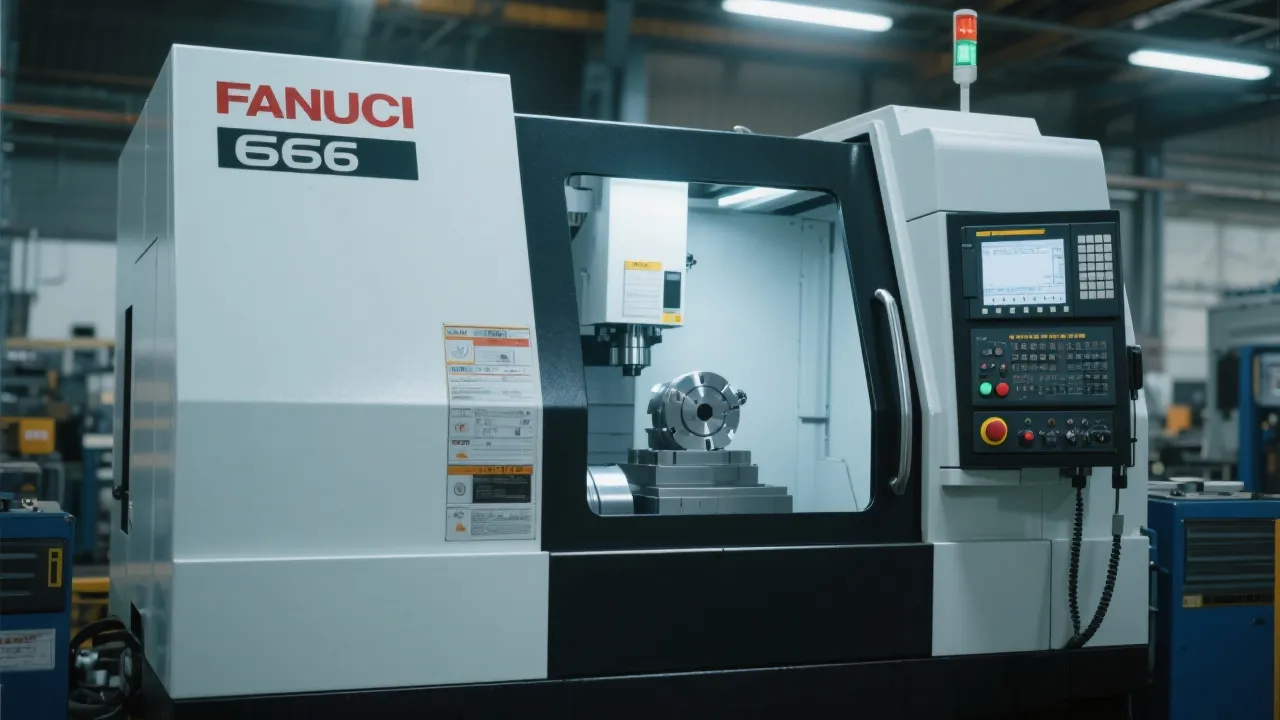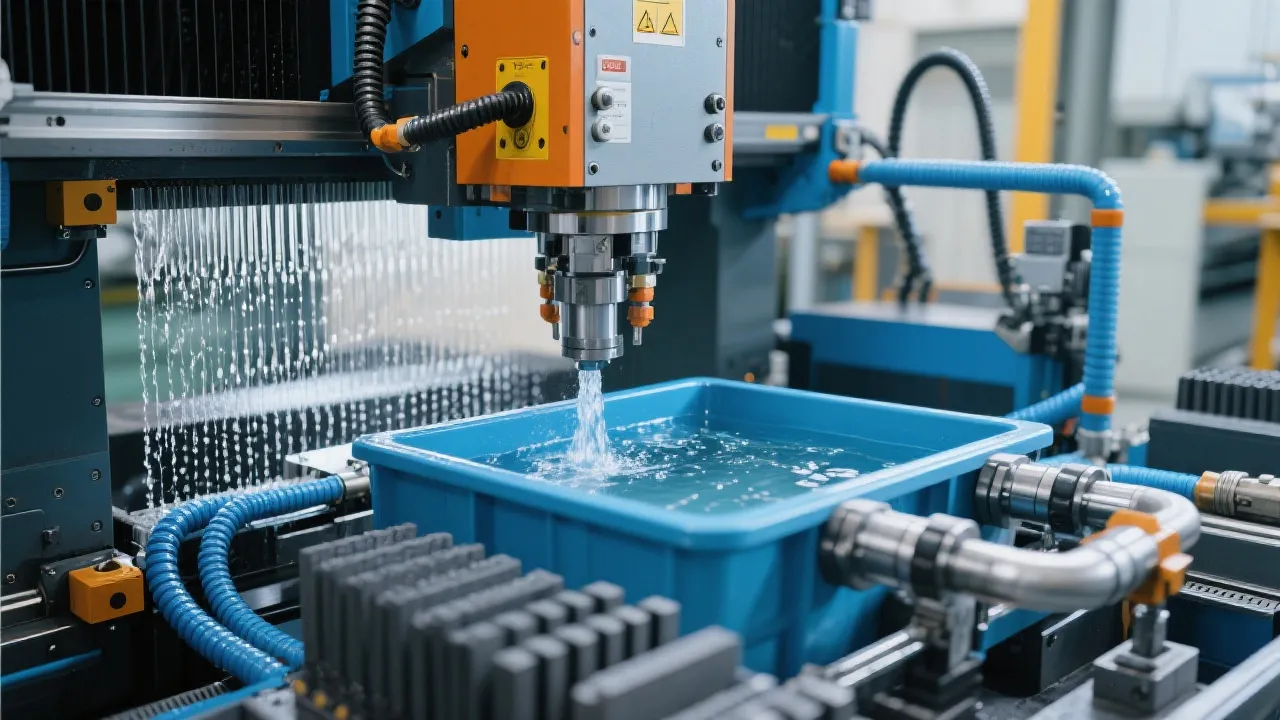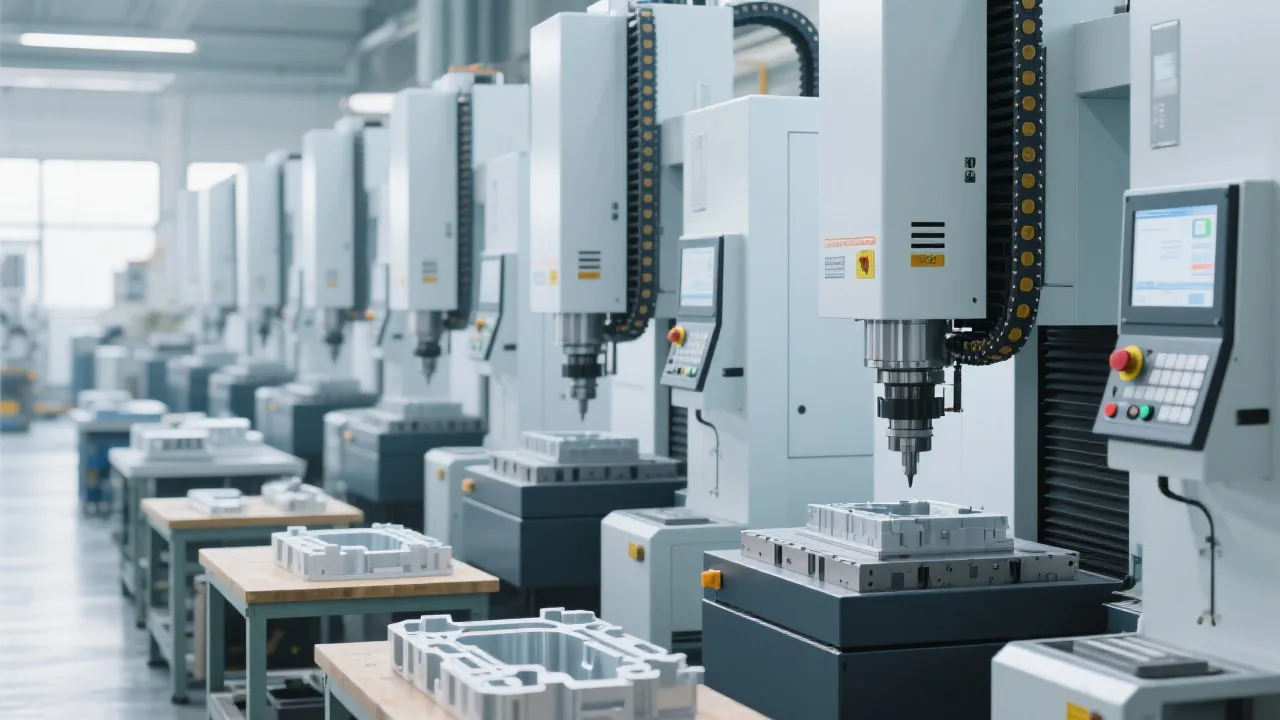
In the heavy-duty automotive manufacturing sector, precision isn't just a specification—it's the cornerstone of reliability, safety, and performance. As vehicle components grow more complex and operating conditions more demanding, manufacturers face the critical challenge of maintaining sub-millimeter accuracy during high-speed, heavy-load machining operations. This is where advanced gantry-type CNC milling machines, like the Kebao CNC DC1417, are redefining industry standards for precision control in heavy automotive parts manufacturing.
Modern heavy-duty vehicles—from commercial trucks to construction machinery—require components that can withstand extreme stresses while maintaining dimensional accuracy. Engine blocks, transmission housings, and suspension components demand tolerances as tight as ±0.02mm across large workpieces, often measuring over 1.5 meters in length. Traditional machining solutions struggle to balance these precision requirements with production efficiency, particularly when working with high-strength alloys and complex geometries.
"In our engine manufacturing facility, a 0.05mm deviation in cylinder bore alignment can result in a 15% reduction in engine lifespan and increased fuel consumption. Precision isn't optional—it's directly tied to our customers' operating costs." — Senior Manufacturing Engineer, Global Commercial Vehicle Manufacturer
This challenge intensifies under high-speed, heavy-load conditions where thermal expansion, machine vibration, and workpiece deflection become significant factors. The solution lies in advanced gantry CNC milling technology that integrates structural innovation with intelligent compensation systems.
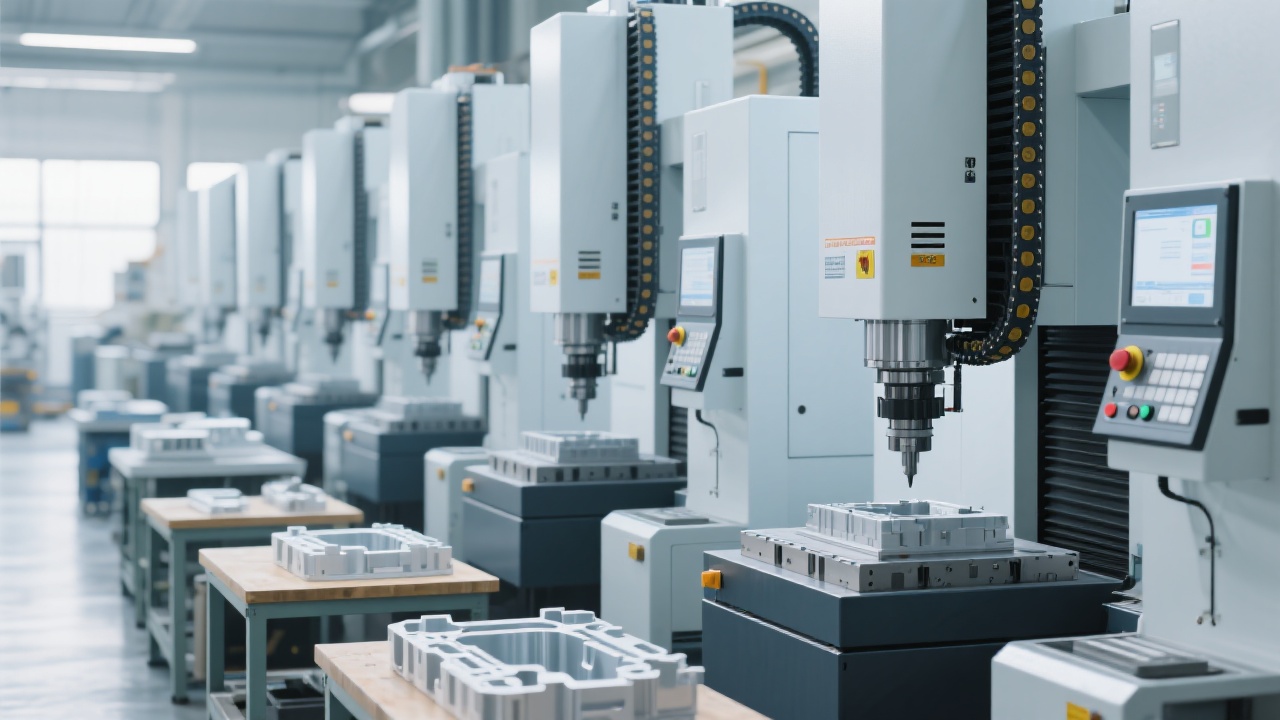
The Kebao CNC DC1417 addresses these challenges through its robust structural design. Unlike conventional milling machines, its double-column gantry structure provides 30% higher dynamic rigidity compared to C-frame designs, minimizing deflection during heavy cutting operations. The machine's bed and columns are constructed from high-grade cast iron with normalized heat treatment, reducing internal stress and ensuring long-term stability.
Key structural innovations include:
Even with superior structural design, three critical challenges remain in maintaining precision during heavy automotive component machining: thermal expansion effects, dynamic vibration, and workpiece deformation. These factors can individually or collectively push part dimensions beyond acceptable tolerances, particularly when machining large components over extended periods.
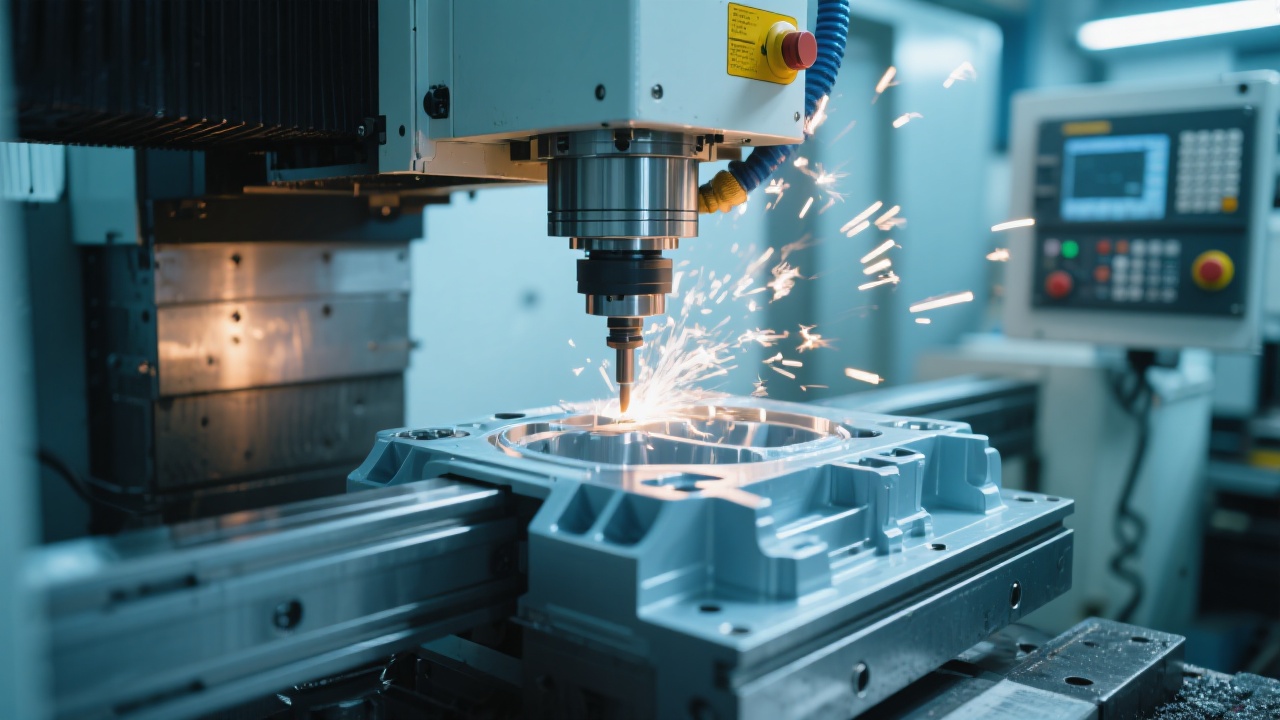
Temperature fluctuations represent one of the most significant sources of machining error, with studies showing that a 1°C temperature change can cause dimensional shifts of up to 0.012mm in large workpieces. The DC1417 incorporates a multi-point thermal monitoring system with 16 temperature sensors strategically placed throughout the machine structure.
This real-time data feeds into Kebao's proprietary thermal compensation algorithm, which automatically adjusts tool positions to counteract thermal expansion. In independent testing, this system reduced thermal-induced errors by 72% compared to conventional machines without active compensation, maintaining consistent accuracy even during 12-hour continuous machining runs.
Heavy cutting operations generate significant cutting forces that can induce machine vibration, leading to poor surface finish and dimensional inaccuracies. The DC1417 addresses this through an active vibration damping system that combines:
This integrated approach reduces vibration amplitudes by up to 65%, enabling higher cutting speeds while maintaining surface finish requirements of Ra 1.6μm or better on critical mating surfaces.
Challenge: A major commercial vehicle manufacturer was experiencing 12% scrap rates when machining large transmission housings from high-strength ductile iron, primarily due to dimensional variations and surface finish issues.
Solution: Implementation of the Kebao CNC DC1417 with thermal compensation and dynamic damping systems.
Results: Scrap rate reduced to 2.3%, production cycle time decreased by 18%, and surface finish improved from Ra 3.2μm to Ra 1.2μm, meeting Tier 1 automotive quality standards.
Traditional CAM programming often uses uniform cutting parameters, leading to excessive tool wear and inconsistent material removal rates. The DC1417's adaptive machining system analyzes the workpiece geometry in real-time, adjusting feed rates and cutting depths based on:
This intelligent approach not only improves dimensional accuracy but also extends tool life by an average of 35%, significantly reducing tooling costs for high-volume production environments.
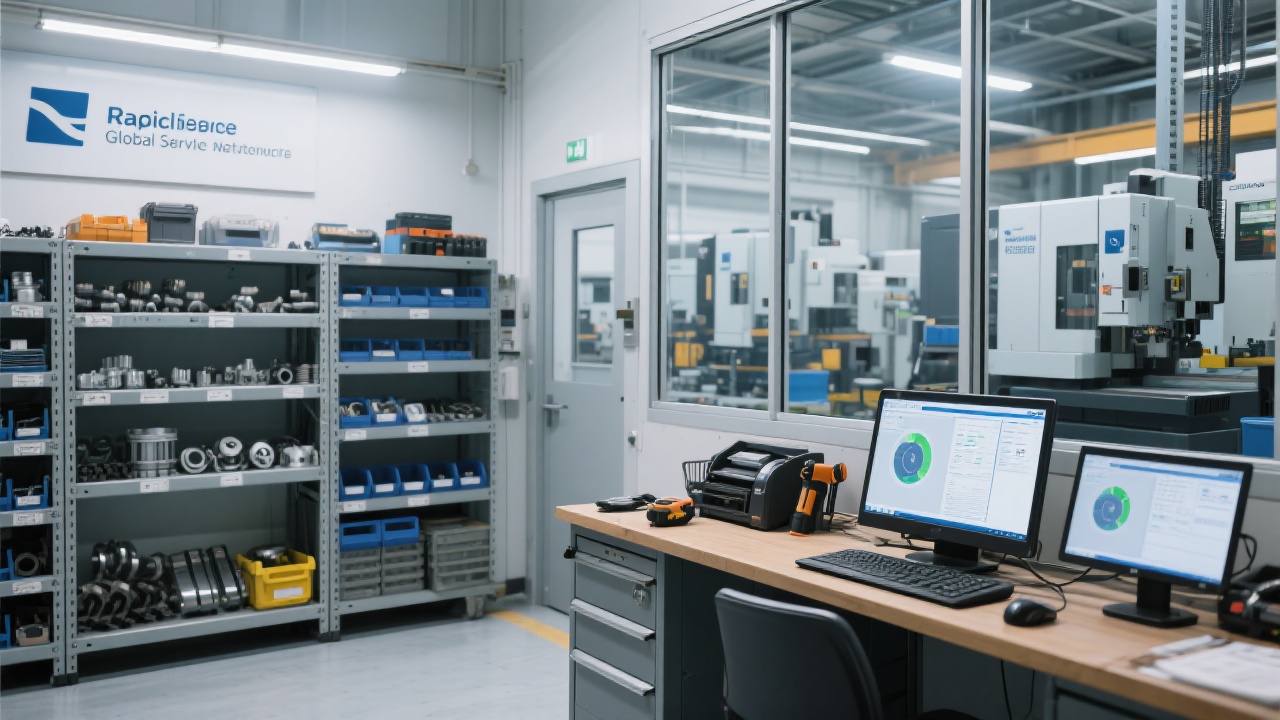
Achieving consistent precision in heavy automotive component manufacturing extends beyond the machine itself. Kebao CNC supports its DC1417 customers through a comprehensive service program that includes:
Discover how the Kebao CNC DC1417 can reduce your scrap rates, improve production efficiency, and ensure consistent precision for your most demanding automotive components.
Request a Technical ConsultationFor automotive manufacturers facing the dual challenges of increasing component complexity and production demands, the integration of advanced precision control technologies isn't just an upgrade—it's a strategic necessity. The combination of robust machine design, intelligent compensation systems, and adaptive machining strategies positions the Kebao CNC DC1417 as a critical asset in the production of high-quality heavy automotive components.
By addressing the fundamental challenges of thermal stability, dynamic rigidity, and process optimization, manufacturers can achieve the consistent precision required in today's automotive industry while simultaneously improving production efficiency and reducing costs. The result is not just better parts, but a more competitive position in the global heavy vehicle manufacturing market.