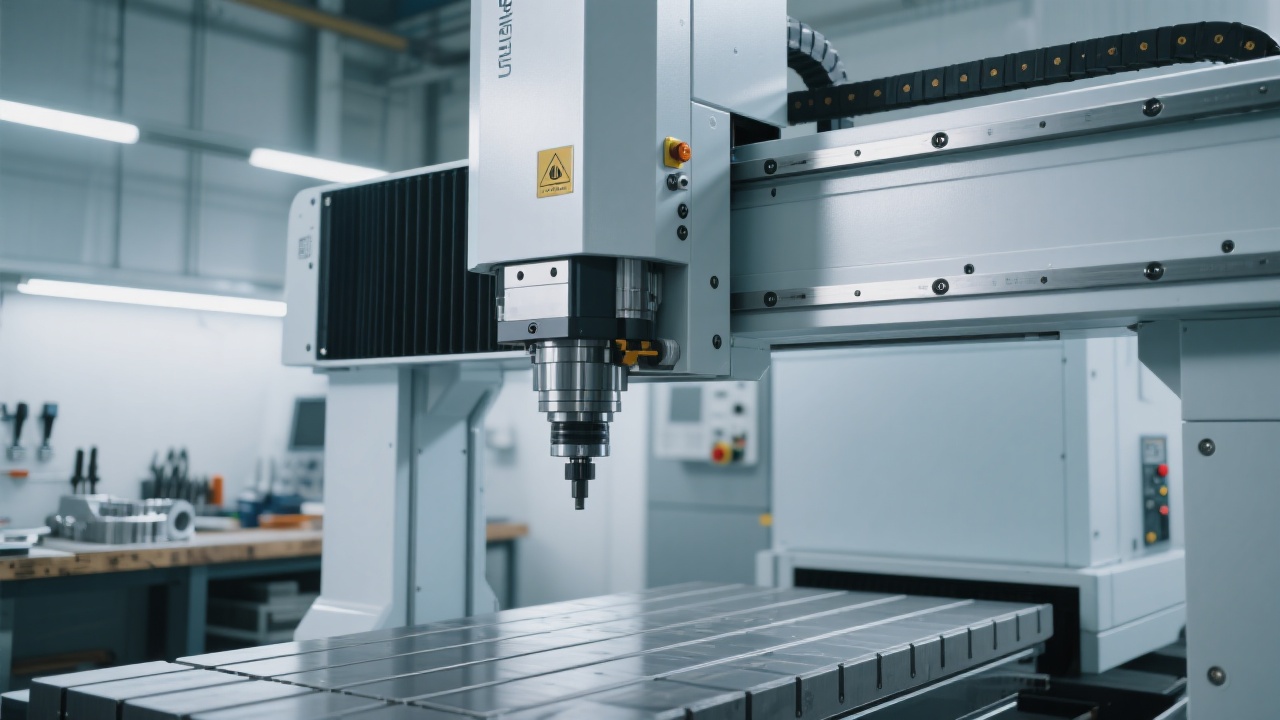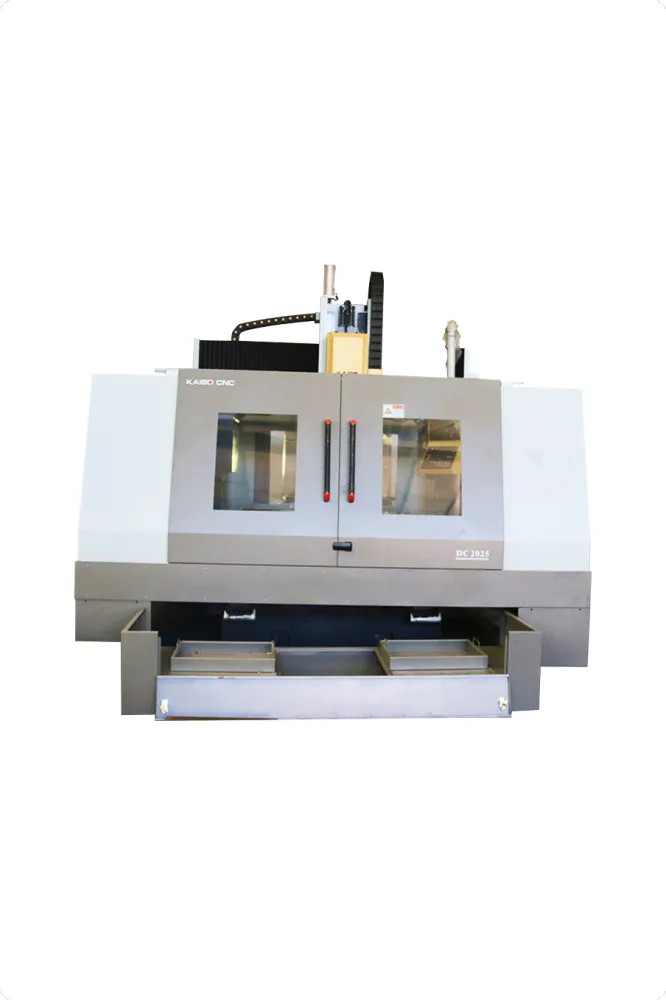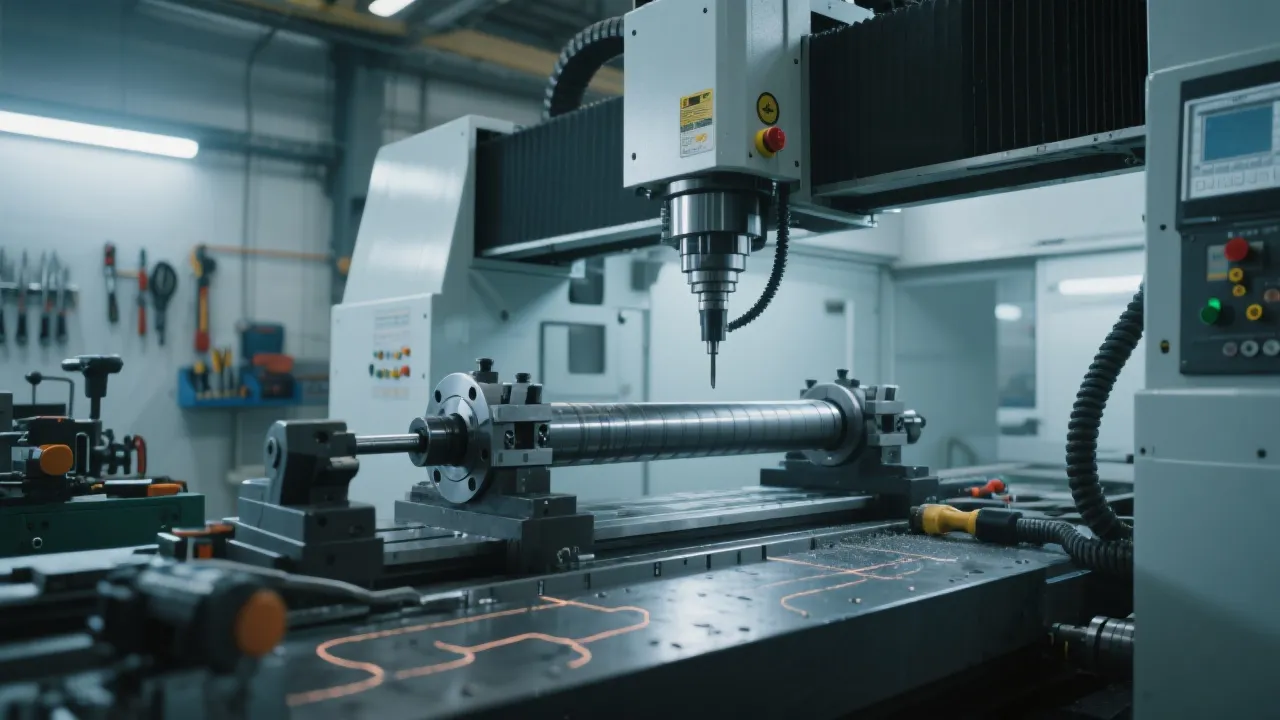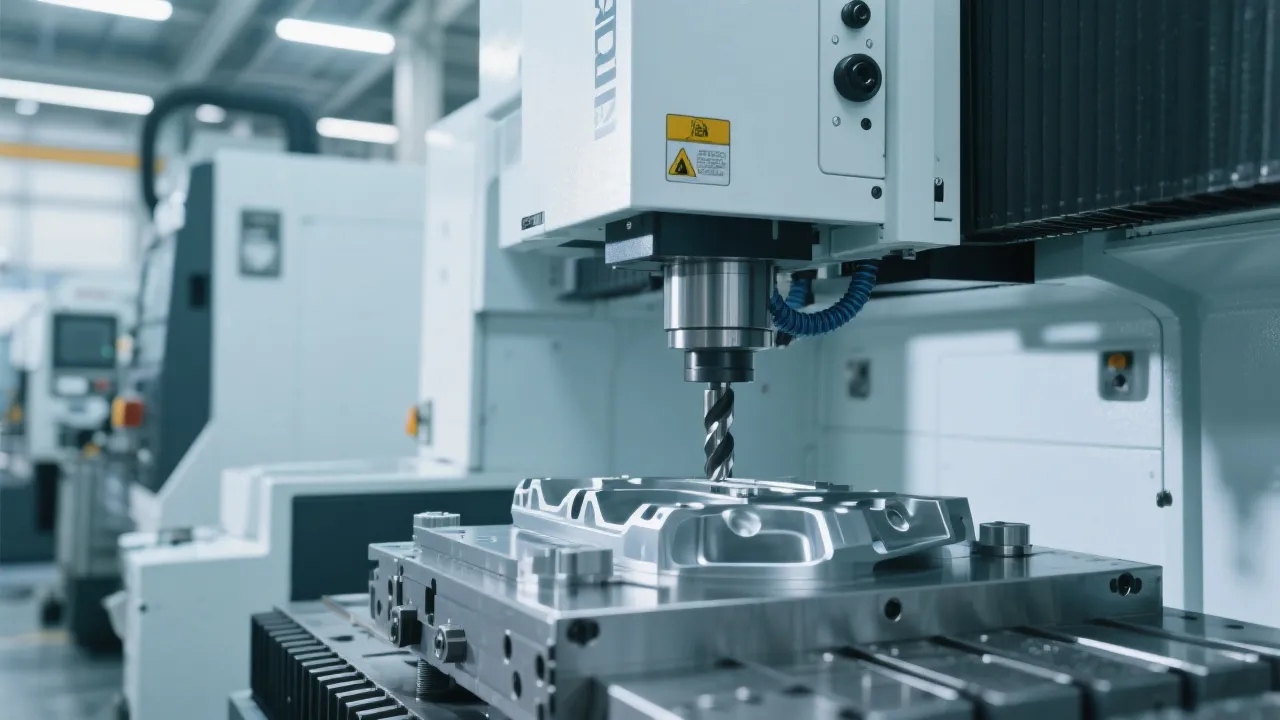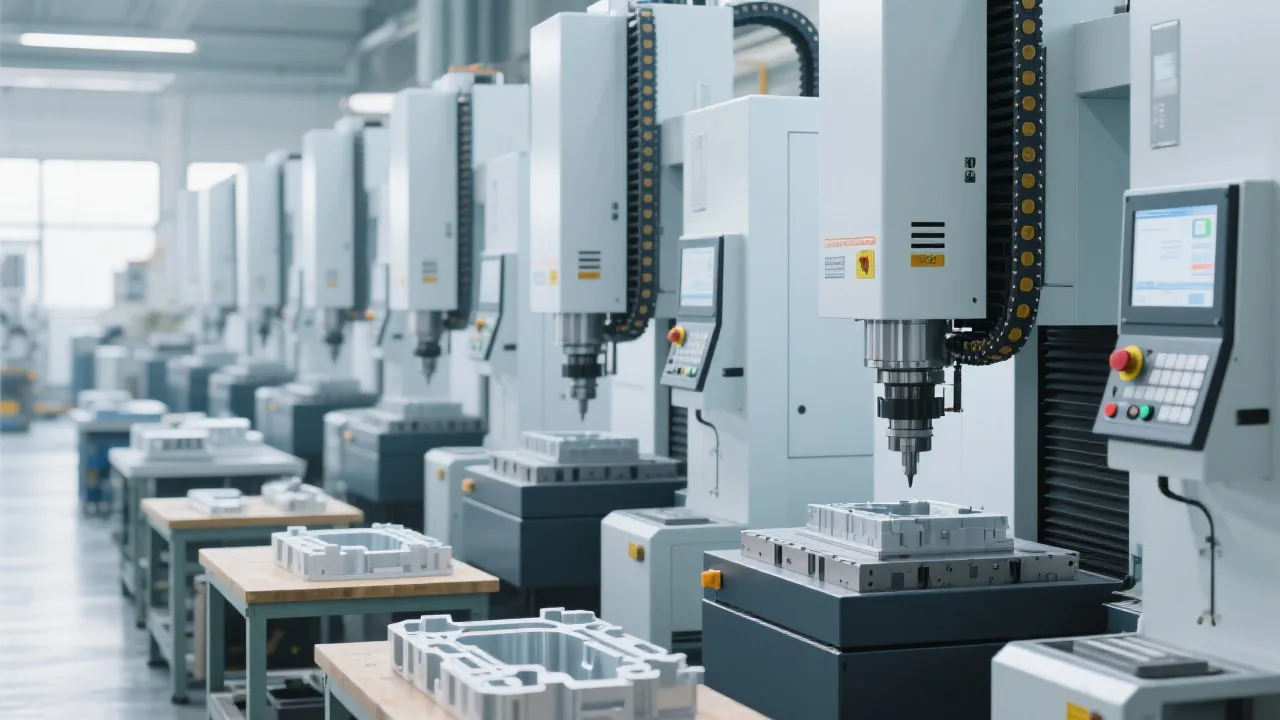
Mold manufacturing demands uncompromising precision and consistent stability in equipment performance. Achieving exact surface roughness and strict dimensional tolerance simultaneously is a challenging feat that directly impacts product quality and production efficiency. The GJ8070 dual-column high-speed vertical machining center represents an advanced solution engineered specifically to address these stringent requirements in mold finishing.
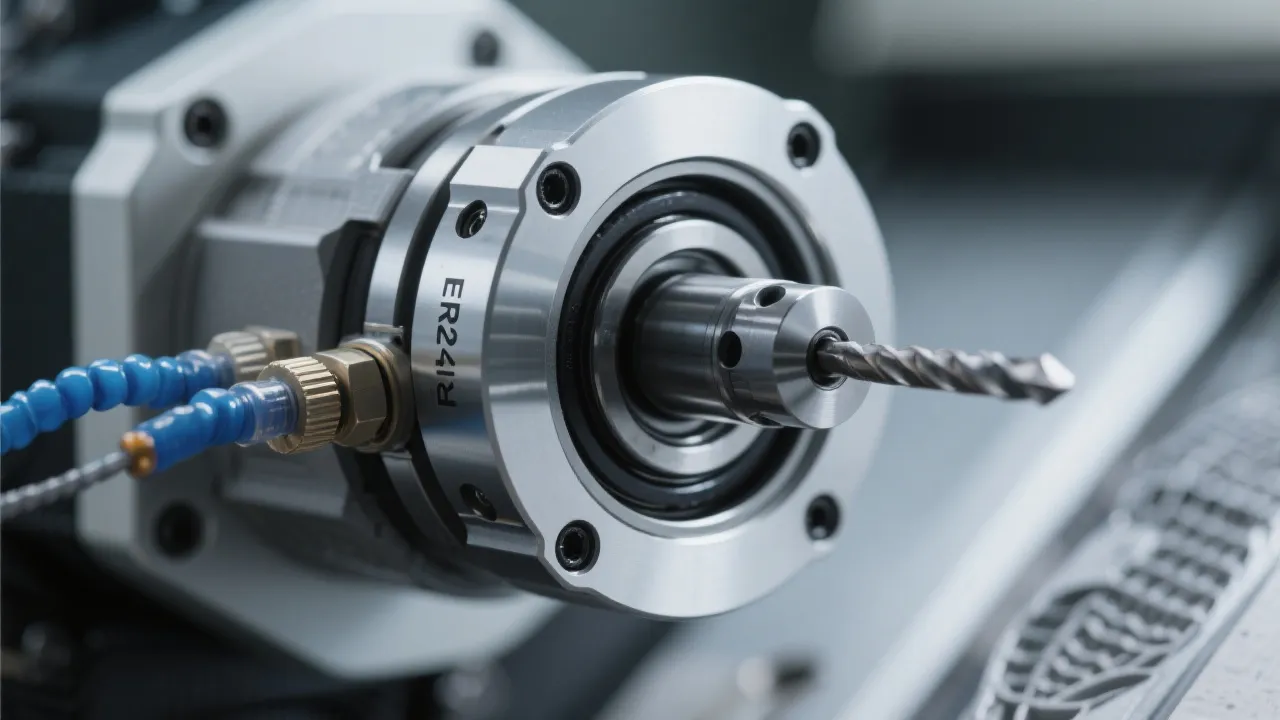
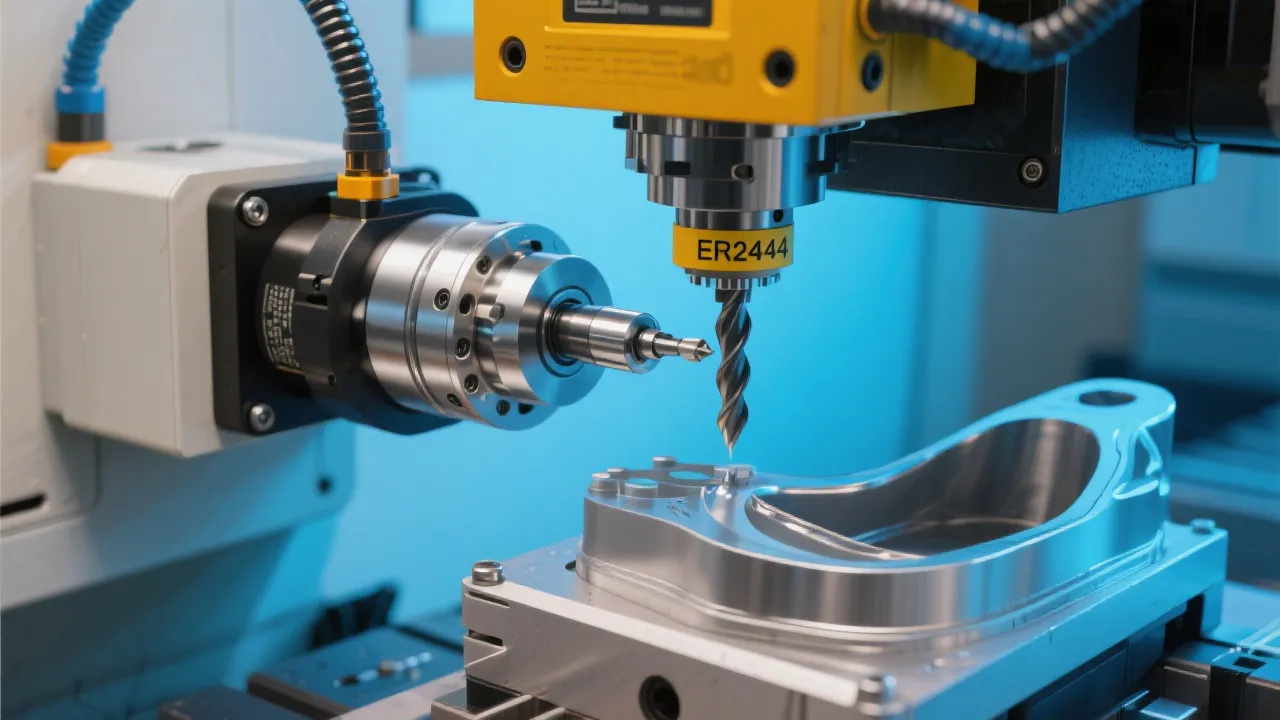
Central to the GJ8070's superior performance is its integration of a Fanuc control system combined with an HSK high-speed spindle, enabling spindle speeds ranging from 5000 to 24000 RPM with rapid acceleration and deceleration. The dual-column structure significantly reduces vibrations during high-speed milling, contributing to higher geometric accuracy and extended tool life.
The machine’s thermal deformation control is achieved through active cooling channels and heat-dissipating materials in the machine frame, ensuring dimensional consistency even in prolonged production runs. This setup supports maintaining surface roughness below Ra 0.4μm and dimensional tolerances within ±0.005 mm, meeting the most demanding mold manufacturing criteria.
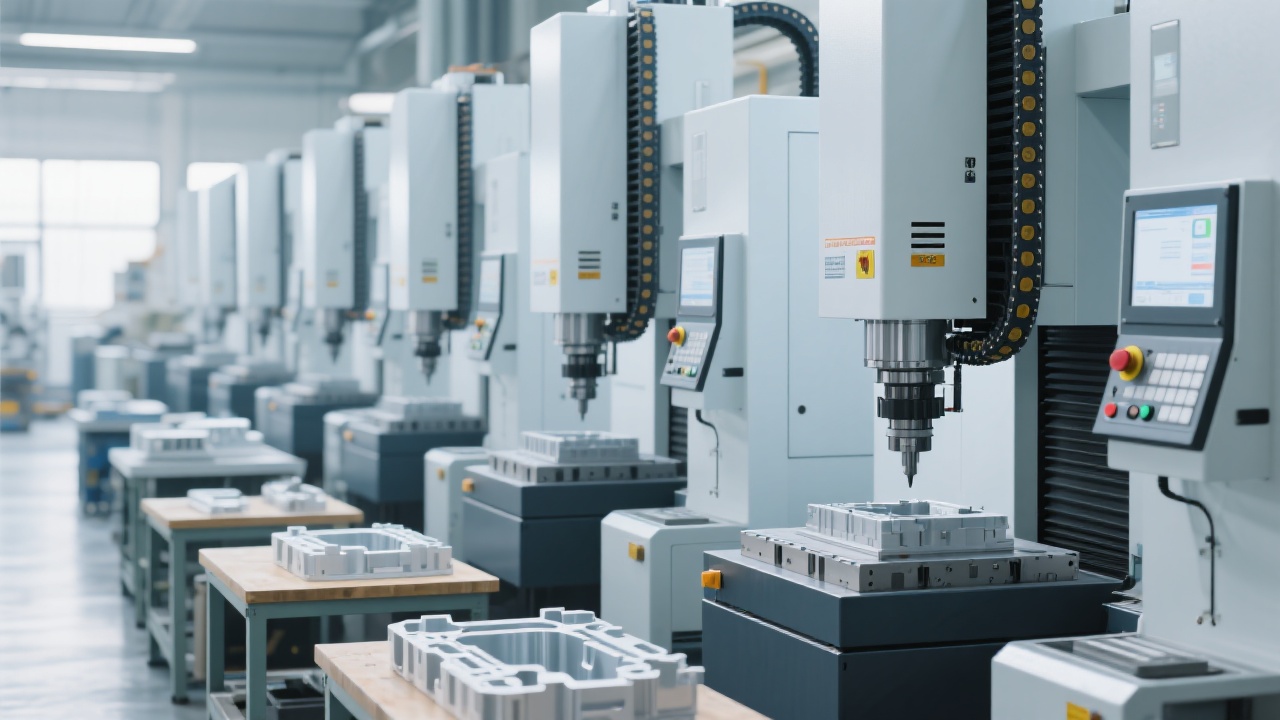
Parameter optimization is crucial to harness the full potential of the GJ8070. By calibrating cutting speeds between 100 and 180 m/min and feed rates from 800 to 1500 mm/min according to the mold material, operators minimize thermal expansion and spindle vibration, thereby preserving geometric precision.
Employing real-time monitoring systems for spindle load and temperature further refines the setting process, enabling corrective adjustments mid-process to prevent quality deviations. This capability reduces scrap rates by up to 15% when compared with conventional machining centers lacking such dynamic controls.
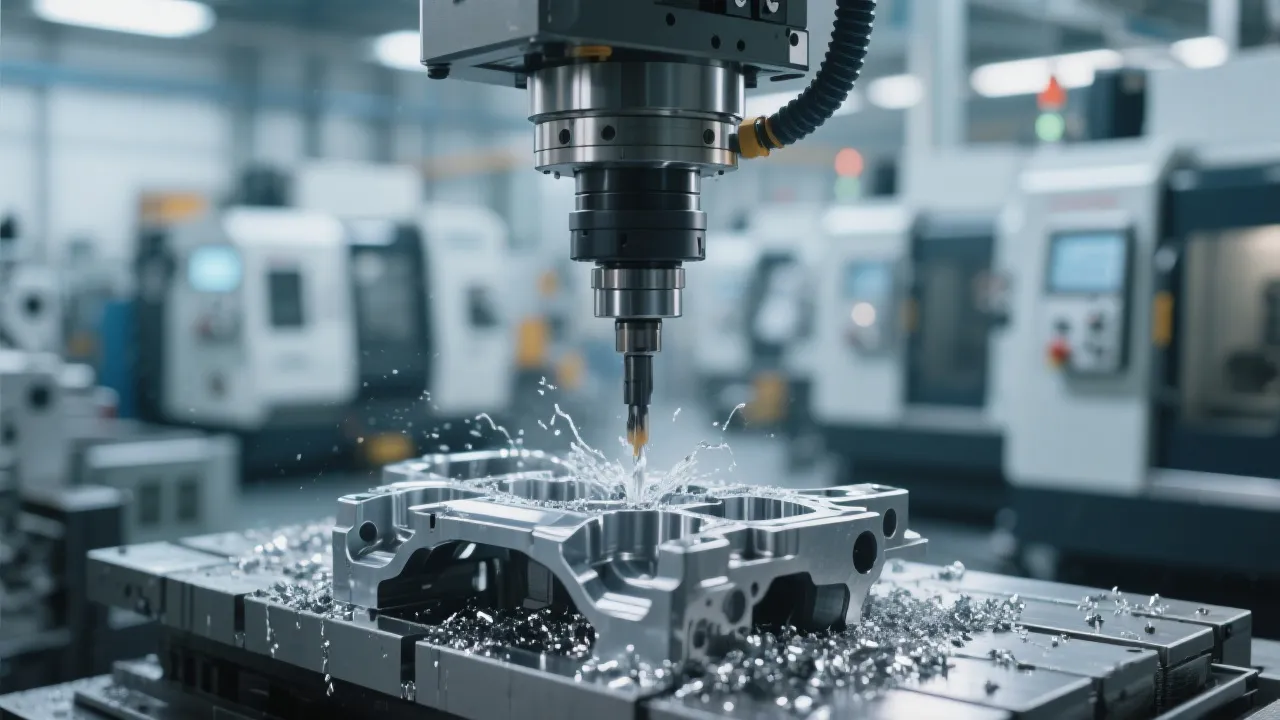
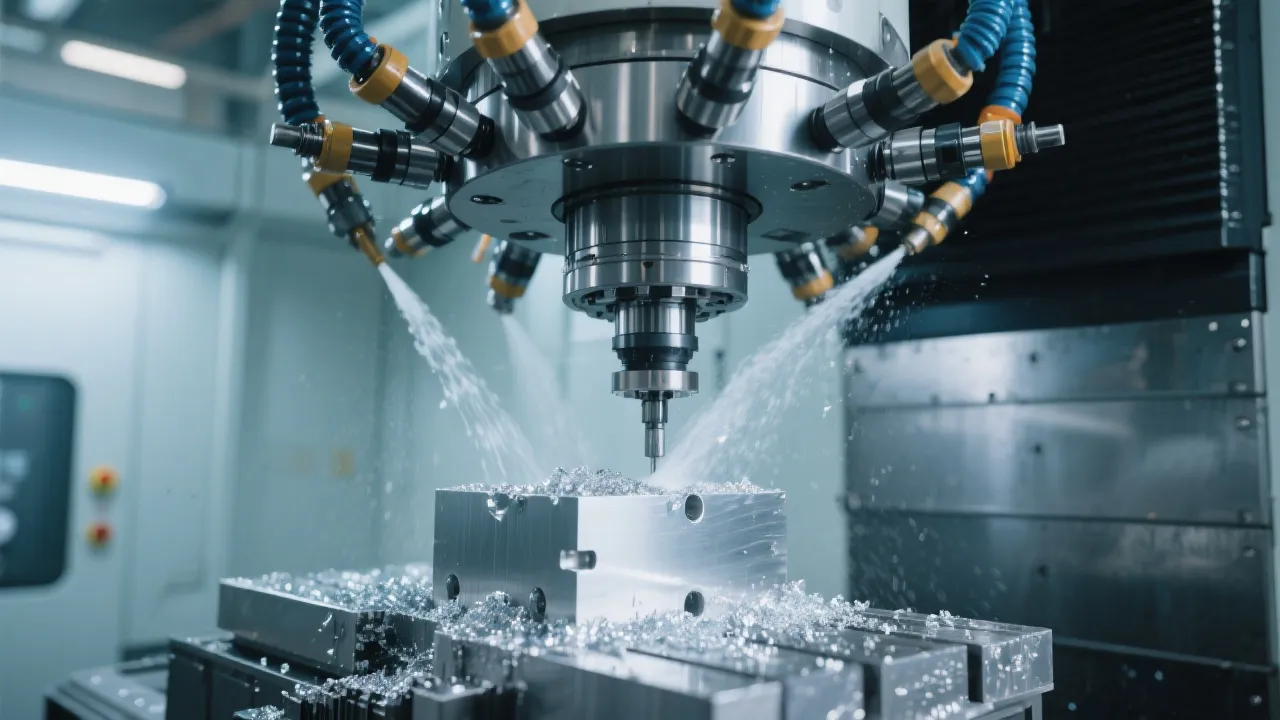
The choice of tooling and cutting fluid system directly affects machining efficiency and surface finish. Carbide tools coated with TiAlN (titanium aluminum nitride) exhibited a 30% increase in tool life during mold steel milling tests using the GJ8070. When paired with a high-performance semisynthetic cutting fluid formulated to reduce friction and maximize heat dissipation, the process achieves consistent surface finishes of Ra 0.3–0.4μm with significantly reduced tool replacement frequency.
Maintaining stable output in batch productions requires rigorous quality control protocols. Key inspection points include in-process geometric accuracy checks using laser measuring devices and post-process surface profilometry. Process adjustments are guided by these metrics, with automated feedback loops incorporated in the Fanuc control system to correct tool paths in real time.
Implementation of such closed-loop control has led to a documented 20% reduction in batch-to-batch variation, a critical advantage for mold shops focused on delivering repeatable precision and minimizing downtime.
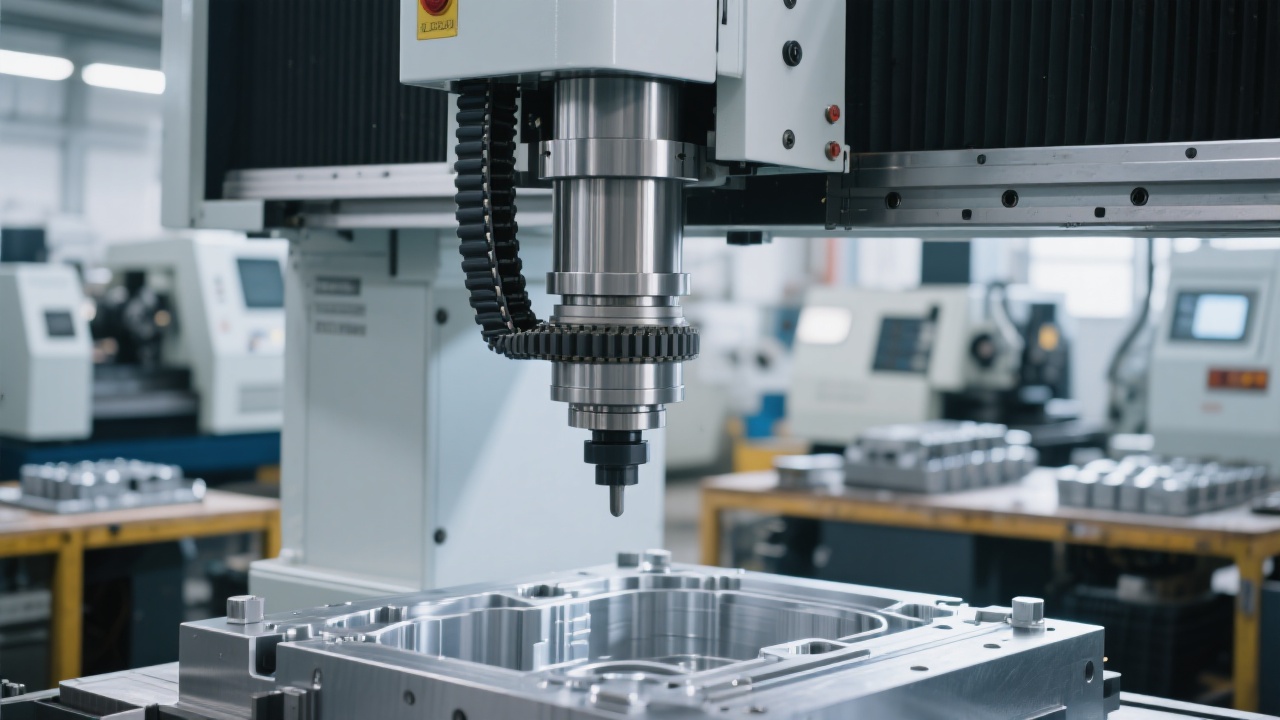
In a recent application at a leading mold manufacturer, the GJ8070 was employed for finishing a precision injection mold requiring Ra ≤ 0.4μm and dimensional tolerance within ±0.004 mm. The dual-column rigidity and spindle stability translated to a 25% increase in machining efficiency while reducing rework rates by 40%. Additionally, the optimized coolant system minimized thermal warping, enabling consistent quality over production batches exceeding 500 units.