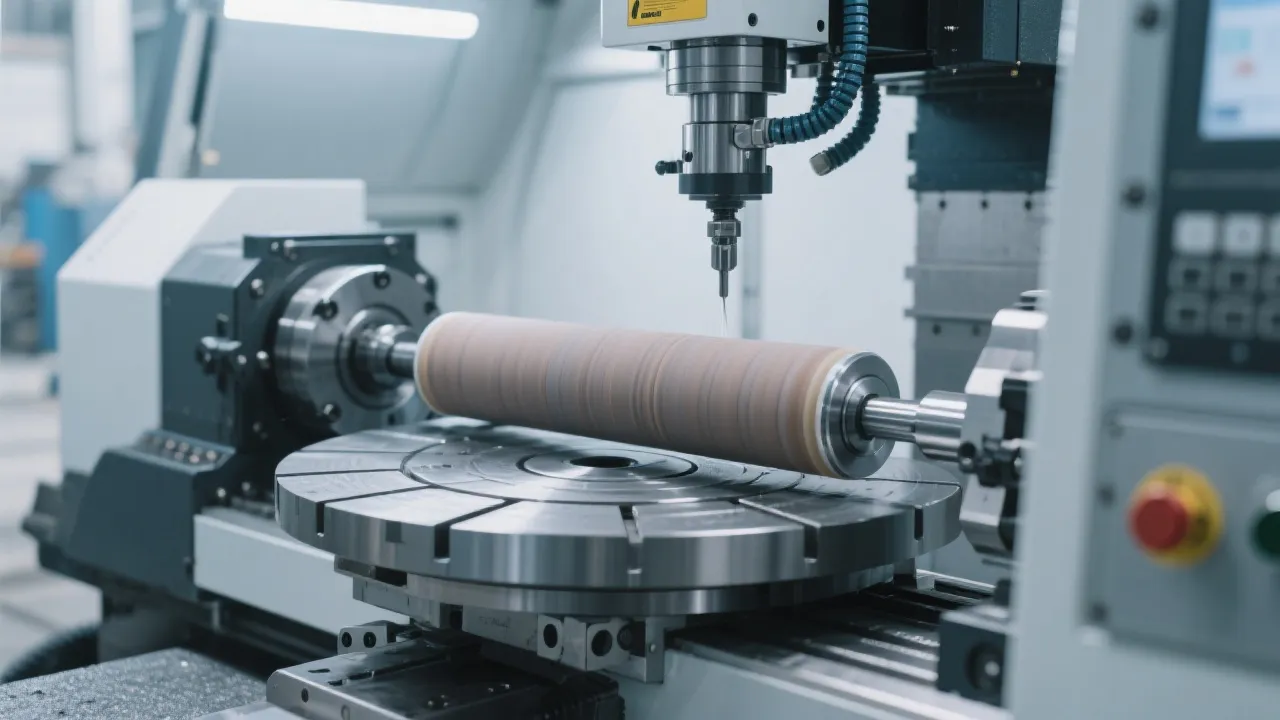
In the competitive world of mold manufacturing, achieving consistent surface finish and tight tolerances isn’t just a goal—it’s a requirement. For engineers working on high-volume or complex molds, even minor deviations in geometry or thermal stability can lead to scrapped parts, extended lead times, and lost client trust.
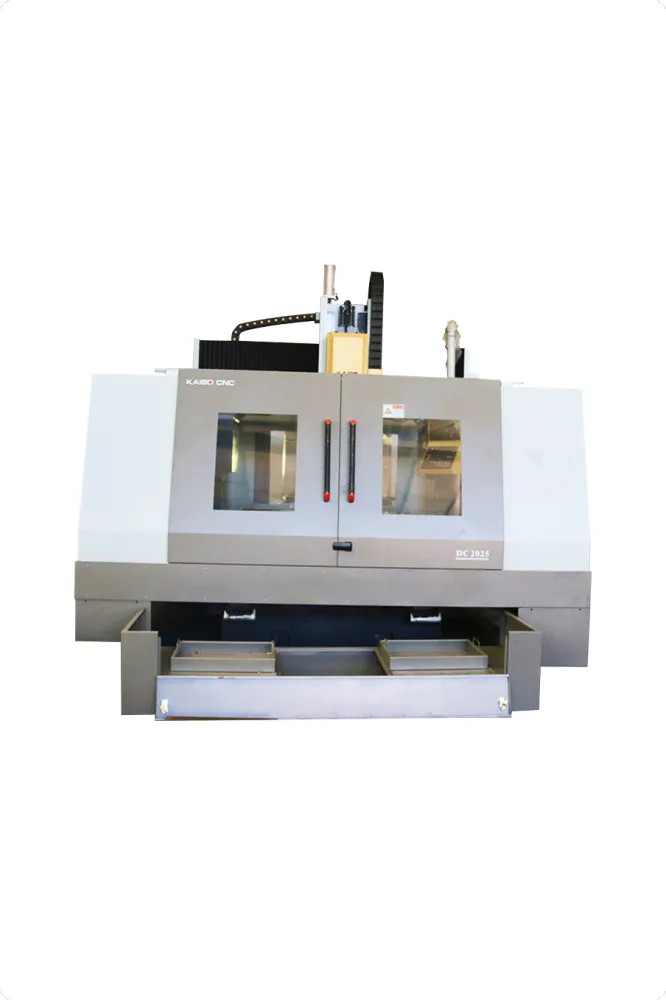
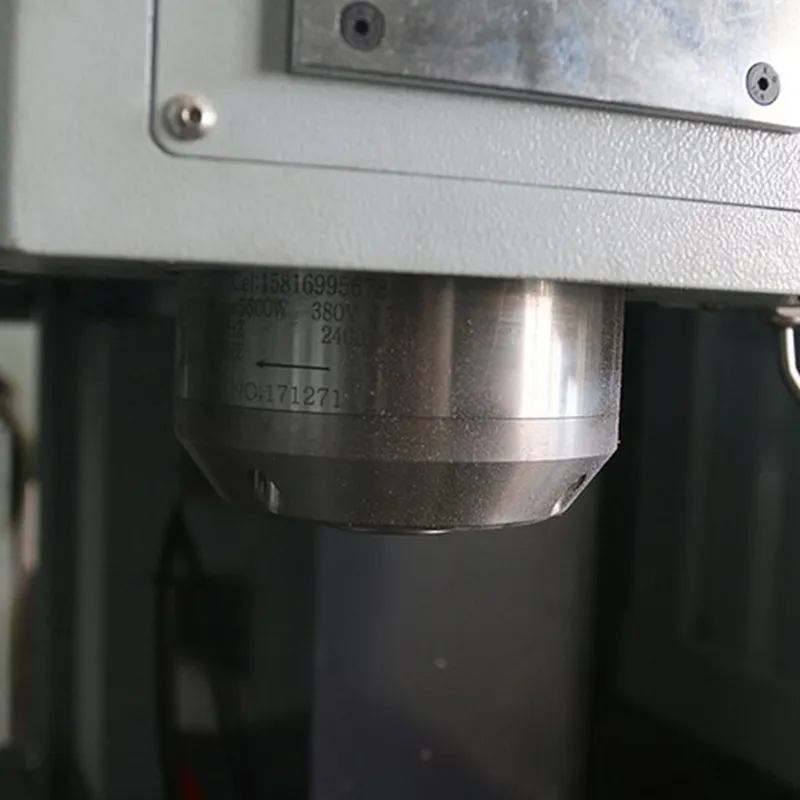
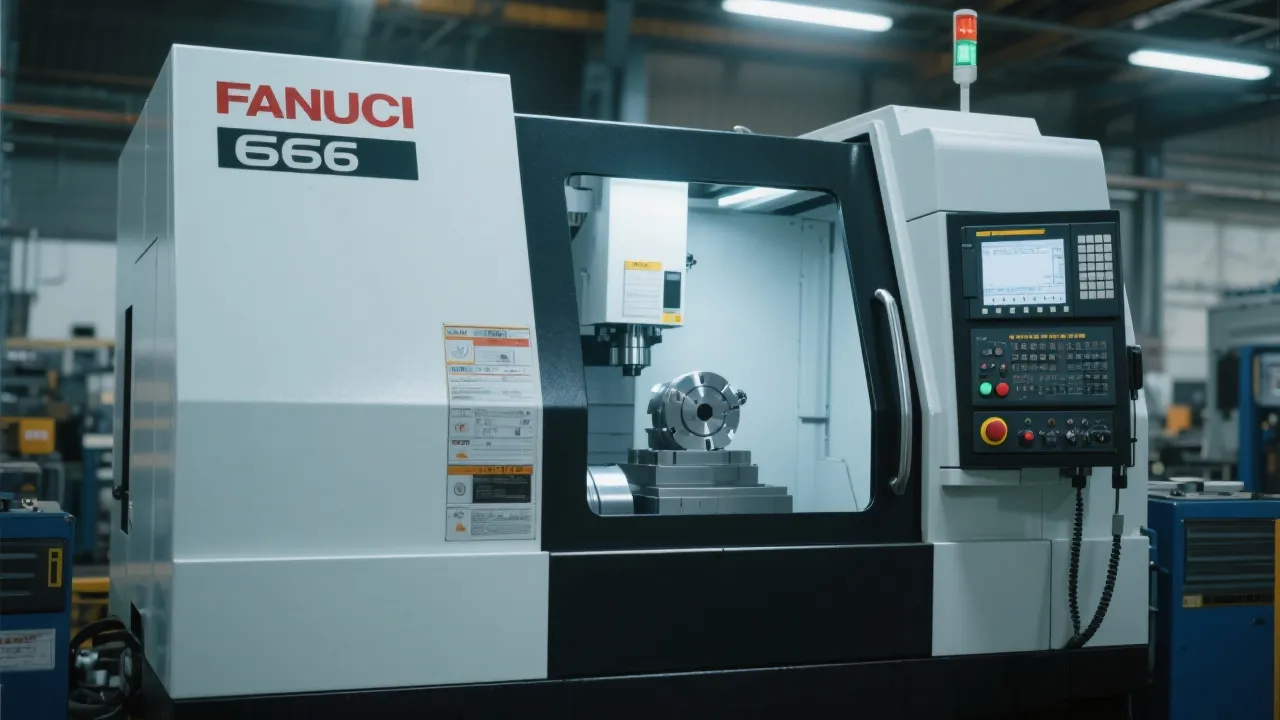
Modern mold shops demand machines that offer repeatability within ±0.005 mm across multiple setups—a standard often overlooked in budget-driven procurement decisions. The GJ8070 high-speed vertical machining center, equipped with a Fanuc control system and HSK-taper spindle (up to 24,000 RPM), delivers this level of precision consistently. In real-world applications, users report up to 30% fewer rework cycles compared to older models when processing hardened steel molds (e.g., HRC 52–58).
| Tool Material | Best For | Surface Finish (Ra μm) | Max Spindle Speed (RPM) |
|---|---|---|---|
| Hardened Carbide | General-purpose mold steels (P20, H13) | 0.8 – 1.2 | 12,000 – 16,000 |
| Ceramic | High-speed finishing of hardened steel | 0.4 – 0.7 | 18,000 – 22,000 |
| PCD (Polycrystalline Diamond) | Non-ferrous materials (aluminum, composites) | 0.2 – 0.5 | 20,000 – 24,000 |
“We switched from carbide to ceramic inserts for our mold cavity finishing, and saw an immediate drop in tool wear—plus Ra values improved from 1.2 to 0.6 μm.” — Mark Chen, Senior Process Engineer, Global Molds Inc.
Choosing the right cutting fluid is equally critical. A case study from a European automotive mold supplier showed that switching from mineral oil-based coolant to synthetic emulsion reduced thermal deformation by 40%, particularly during deep cavity milling operations. This change allowed them to maintain dimensional accuracy within ±0.003 mm over 8-hour batches—an improvement previously unattainable.
Key takeaway: Water-soluble synthetics provide better heat dissipation than traditional oils, while also reducing environmental impact and maintenance costs. For high-speed applications, mist cooling systems integrated into the GJ8070's spindle design further enhance thermal management.
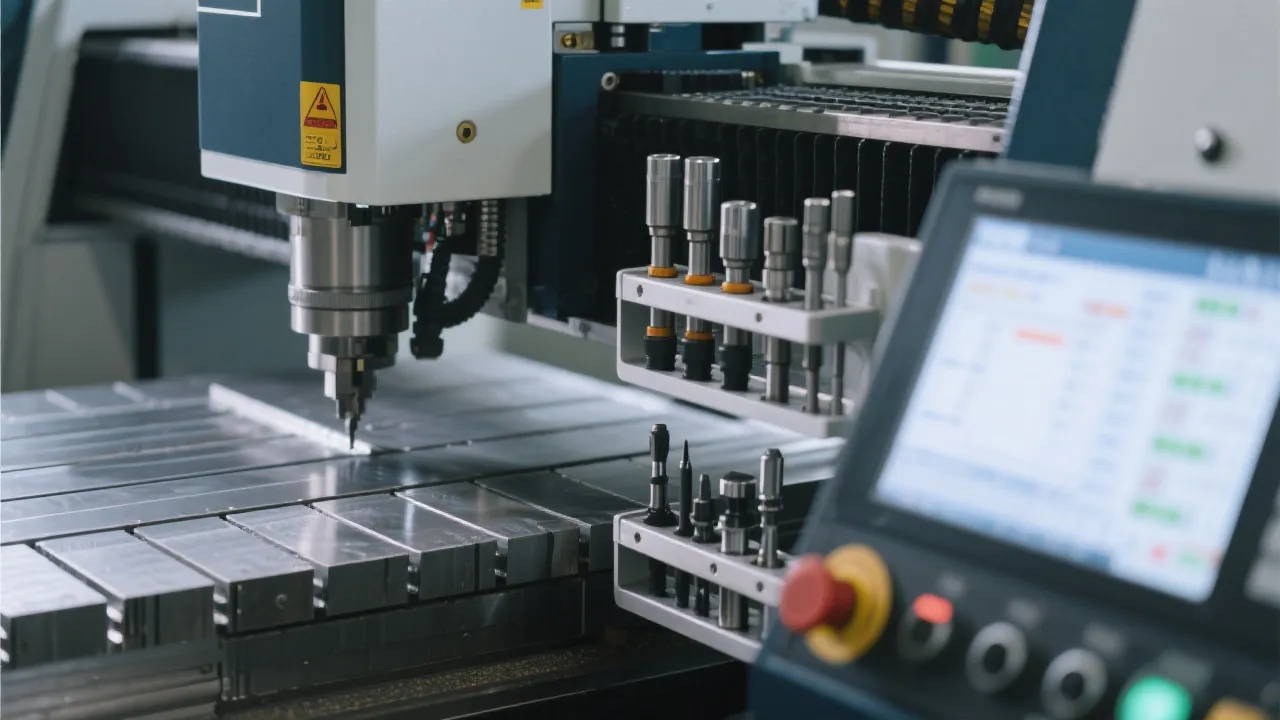
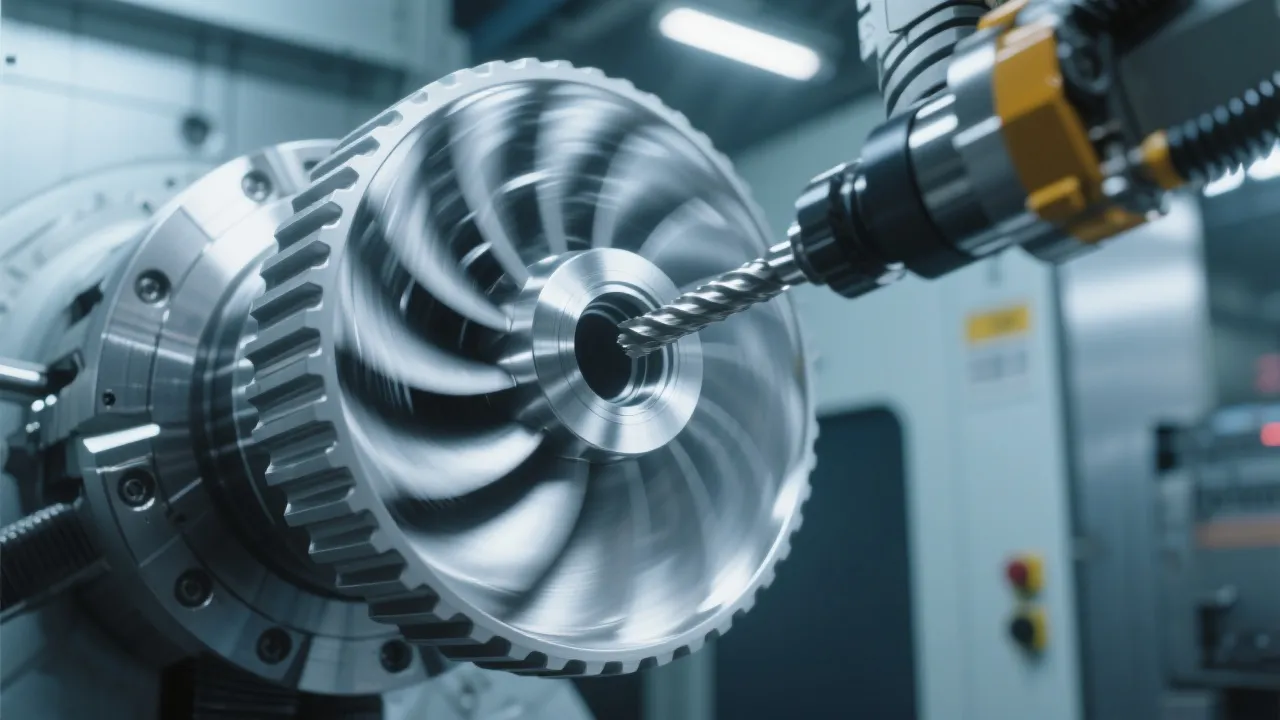
A recent project involving a 3D complex mold for medical injection molding used optimized parameters: 18,000 RPM, 0.1 mm depth of cut, ceramic end mill, and synthetic coolant. Post-process inspection revealed no detectable vibration marks, and all 12 cavities passed first-time QA checks—saving 3 days in production time versus previous runs.
Download our free whitepaper: "GJ8070 Mold Machining Optimization Guide" — packed with real data, setup tips, and expert insights from 50+ successful implementations worldwide.
Get the Whitepaper Now →




 <#else>