As global manufacturing undergoes rapid transformation, CNC machining equipment has evolved from simple automation tools to intelligent manufacturing cores. Ningbo Kaibo CNC Machinery Co., Ltd., with over 29 years of industry experience and as the drafter of China's national standard for CNC engraving and milling machines, offers insights into the key trends shaping the future of CNC technology.
"The global CNC equipment market is experiencing a shift driven by precision demands, manufacturing flexibility requirements, and industry-specific customization needs. These trends are reshaping production paradigms across automotive, aerospace, mold-making, and precision component industries."
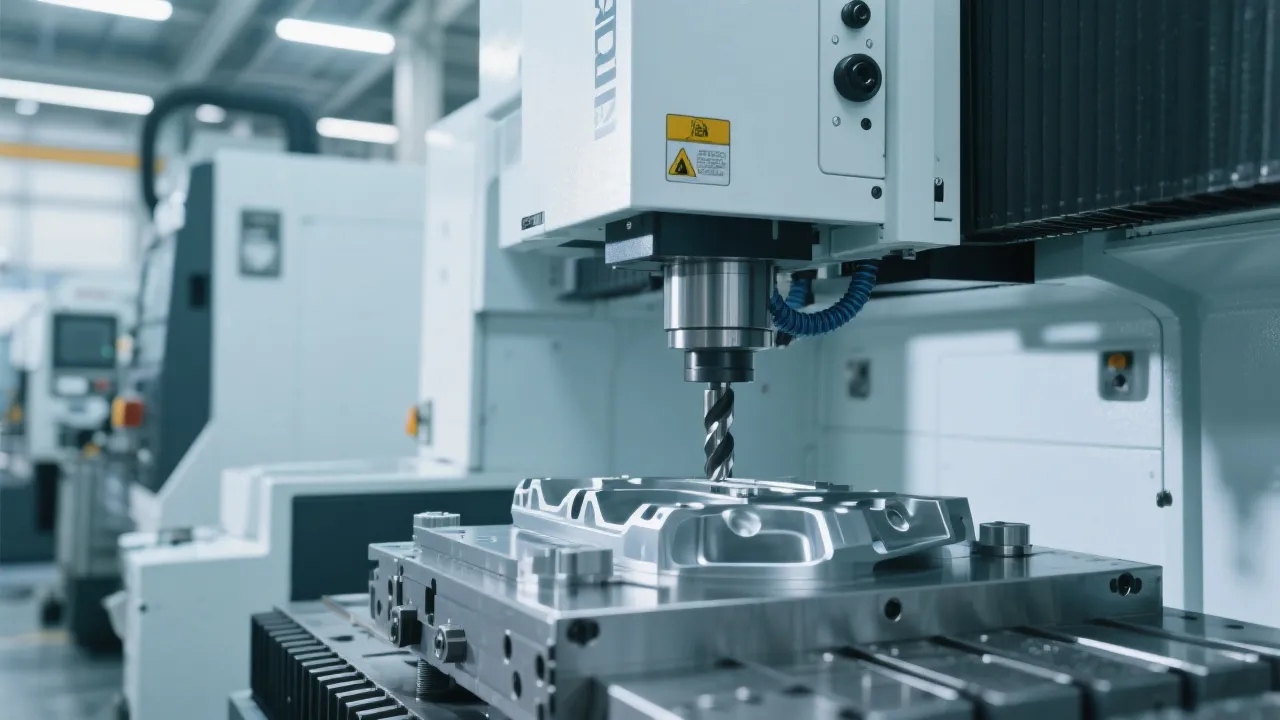
Modern manufacturing requires increasingly tighter tolerances, driving CNC equipment toward higher precision capabilities. Contemporary CNC machining centers now routinely achieve positioning accuracies of ±0.001mm and repeatability of ±0.0005mm, meeting the stringent requirements of industries such as aerospace component manufacturing and medical device production.
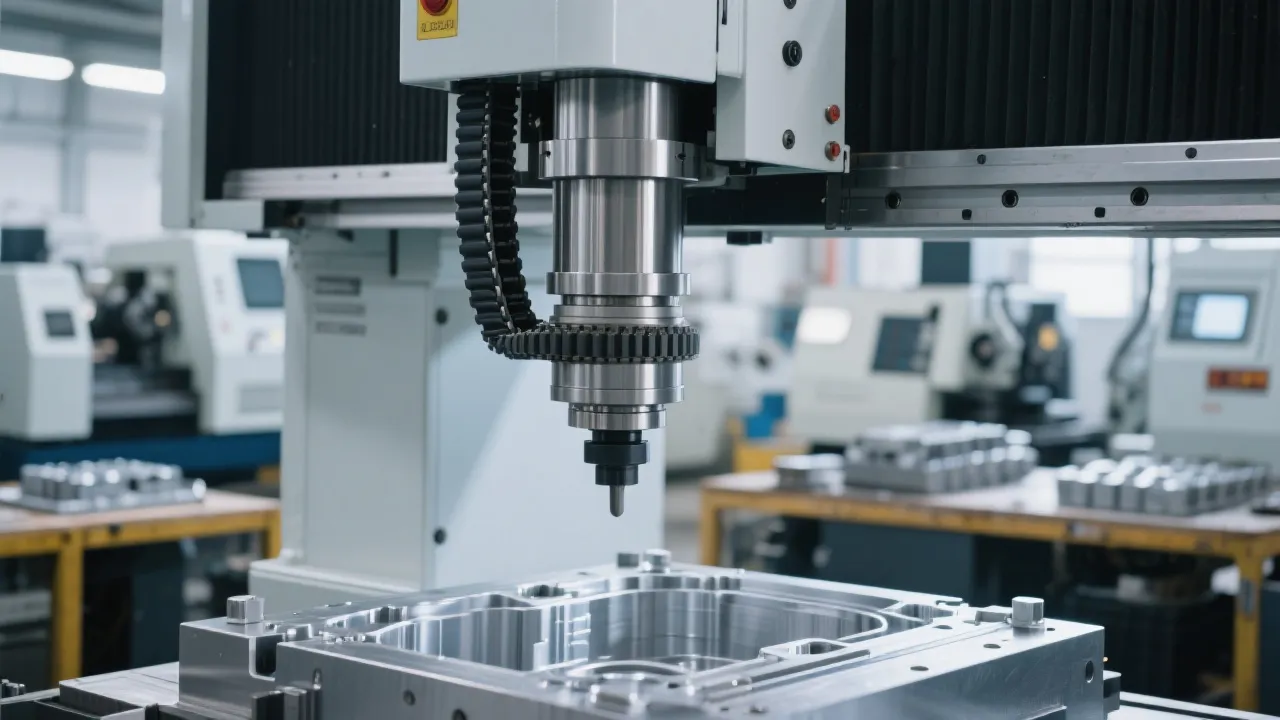
This precision advancement is supported by enhanced spindle technologies, high-resolution linear encoders, and advanced motion control algorithms, enabling manufacturers to produce complex components with exceptional quality consistency.
The shift from 3-axis to 4 and 5-axis machining represents a significant trend in CNC equipment development. Multi-axis capabilities allow for complex part production in a single setup, reducing handling time, improving accuracy, and expanding design possibilities.
| Axis Configuration | Key Advantages | Typical Applications |
|---|---|---|
| 3-axis | Cost-effective, simple programming, high rigidity | Flat parts, simple 3D profiles |
| 4-axis | Rotary workpiece positioning, continuous contouring | Cams, gears, cylindrical parts with features |
| 5-axis | Complex geometry, reduced setup time, improved surface finish | Aerospace components, impellers, medical implants |
Modern CNC systems are increasingly integrated into flexible manufacturing systems (FMS), featuring automated tool changers, pallet systems, and robot integration. This flexibility allows manufacturers to quickly switch between different production runs, reducing downtime and improving overall equipment effectiveness (OEE).
Key enablers of flexible manufacturing include standardized interfaces, advanced control systems, and intelligent software that can optimize production scheduling and tool management, making small-batch production economically viable while maintaining efficiency.
As manufacturing sectors become more specialized, off-the-shelf CNC solutions are increasingly giving way to customized equipment designed for specific applications. Customization can range from modified worktables and spindles to specialized software packages and automation integration.
These trends collectively point toward a future where CNC machining equipment becomes more precise, versatile, and intelligent. For manufacturers operating in markets such as Arabia, Russia, Spain, and Portugal, understanding these developments is crucial for making informed equipment investment decisions.
The ability to produce higher precision components with greater complexity, while maintaining production flexibility and adapting to specific industry needs, will be key competitive advantages in the global manufacturing landscape.
As a high-tech enterprise with over 29 years of experience and 52,000㎡ manufacturing facilities, Ningbo Kaibo CNC Machinery Co., Ltd. has been at the forefront of these technological advancements. Our commitment to "developing high-quality machine tools to meet customer needs" drives our continuous innovation in 3/4/5-axis vertical machining centers, CNC engraving and milling machines, and custom CNC solutions.
With 26 sales and service offices worldwide, we provide comprehensive support to manufacturers seeking to leverage these global CNC trends to enhance their production capabilities and competitive position.
By aligning with these key trends—precision engineering, multi-axis machining, flexible manufacturing, and customization—manufacturers can position themselves to meet the evolving demands of the global marketplace and achieve sustainable growth in an increasingly competitive industry landscape.