
In the highly competitive field of mold manufacturing, maintaining high precision and stability is crucial. The industry faces dual pressures from dimensional tolerances and surface roughness. For example, in the production of high - end automotive molds, dimensional tolerances often need to be controlled within ±0.01mm, and the surface roughness should reach Ra0.4 - 0.8μm. These strict requirements pose significant challenges to mold manufacturers, highlighting the need for advanced equipment and technologies.
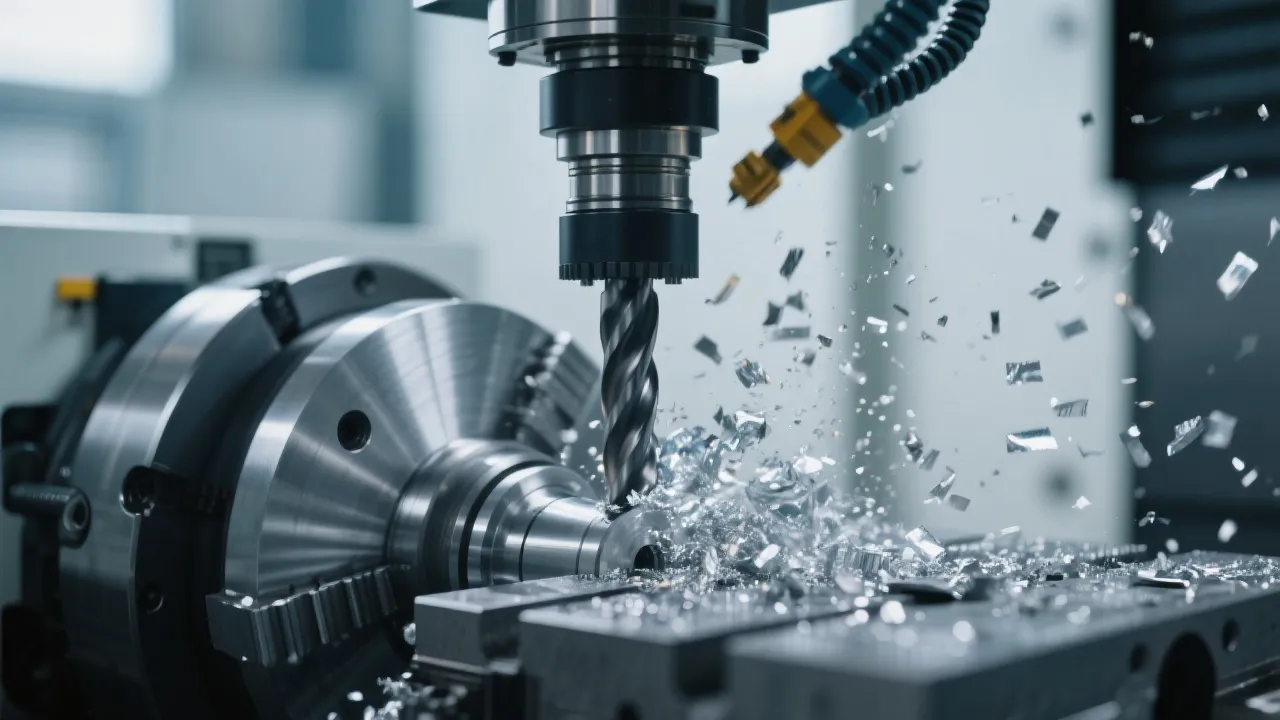
The HSK spindle is a crucial component of high - speed vertical machining centers. It offers excellent performance in terms of high - speed rotation and torque transmission. The rotational speed of the HSK spindle can reach up to 12,000 - 24,000 RPM, allowing for rapid material removal and high - precision machining. Additionally, its high - precision taper connection ensures high - stiffness tool holding, which is essential for maintaining machining accuracy.
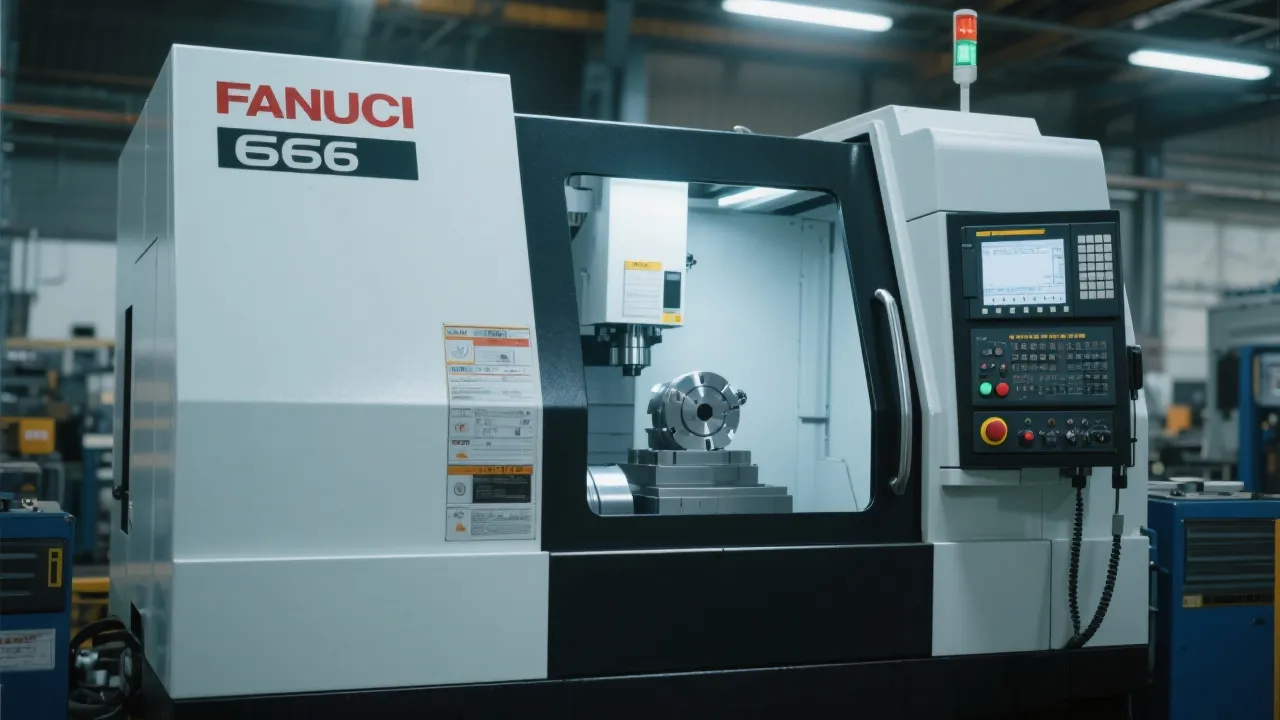
The Fanuc control system is renowned for its fast response speed and high stability. It can quickly process complex machining instructions, with a system response time of less than 100 milliseconds. This enables the machine tool to accurately execute machining operations, reducing machining errors and improving production efficiency. The Fanuc system also features advanced self - diagnostic and compensation functions, which can automatically adjust machining parameters to adapt to different working conditions.
To ensure optimal machining results, proper matching of spindle speed, feed rate, and cutting depth is essential. For example, when machining hardened steel molds, the spindle speed can be set between 6,000 - 10,000 RPM, the feed rate between 800 - 1200 mm/min, and the cutting depth between 0.1 - 0.3 mm. These parameter settings can effectively reduce heat generation and vibration, thereby improving machining accuracy and surface quality. At the same time, the use of temperature sensors and vibration monitoring devices can help in real - time adjustment of process parameters to avoid thermal deformation and vibration interference.
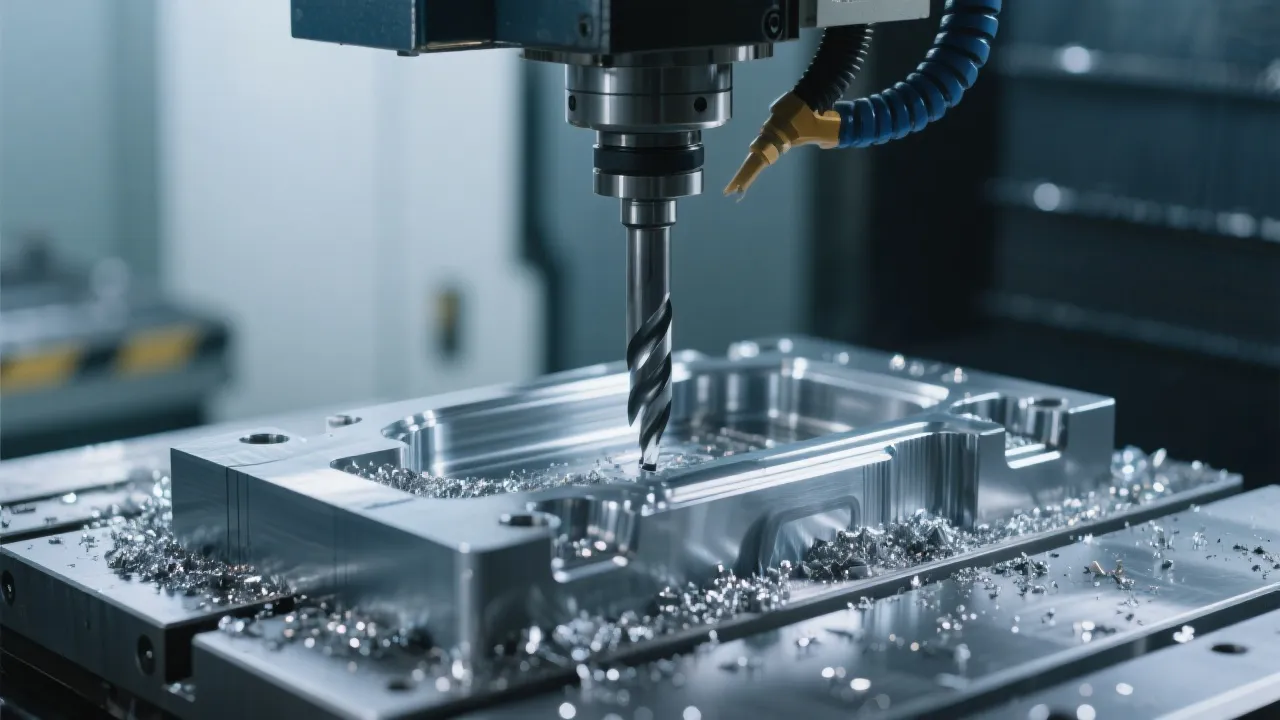
The selection of tool materials and cutting fluids has a significant impact on machining efficiency and surface quality. For high - speed machining of hardened molds, carbide tools coated with TiAlN or similar coatings are preferred due to their high hardness and wear resistance. Appropriate cutting fluids can reduce cutting temperature, lubricate the cutting edge, and flush away chips. Water - based cutting fluids are commonly used in mold machining, offering good cooling and lubrication properties. When selecting cutting fluids, factors such as workpiece material, machining process, and environmental requirements should be considered.
Quality control is a continuous process in mold manufacturing. Starting from the first - piece inspection, multiple inspection stations are usually set up, with at least 3 - 5 detection processes. Through these inspections, machining errors can be detected early, and corrective measures can be taken in time. During mass production, data collected from inspection results are used for process optimization and adjustment to ensure consistent product quality. This closed - loop quality control system can effectively improve the pass rate of products and reduce production costs.
In practical applications, the GJ8070 high - speed vertical machining center has demonstrated excellent performance in complex surface mold machining. In a project of machining aircraft engine blade molds, the use of the GJ8070 reduced the machining cycle by 30% compared to traditional equipment, while improving the surface accuracy by 50%. These real - world case studies provide valuable experience for mold manufacturers, highlighting the importance of equipment selection and process optimization.
Learn more about the successful applications of the GJ8070 in the mold industry. Click to consult our technical team.





 <#else>





