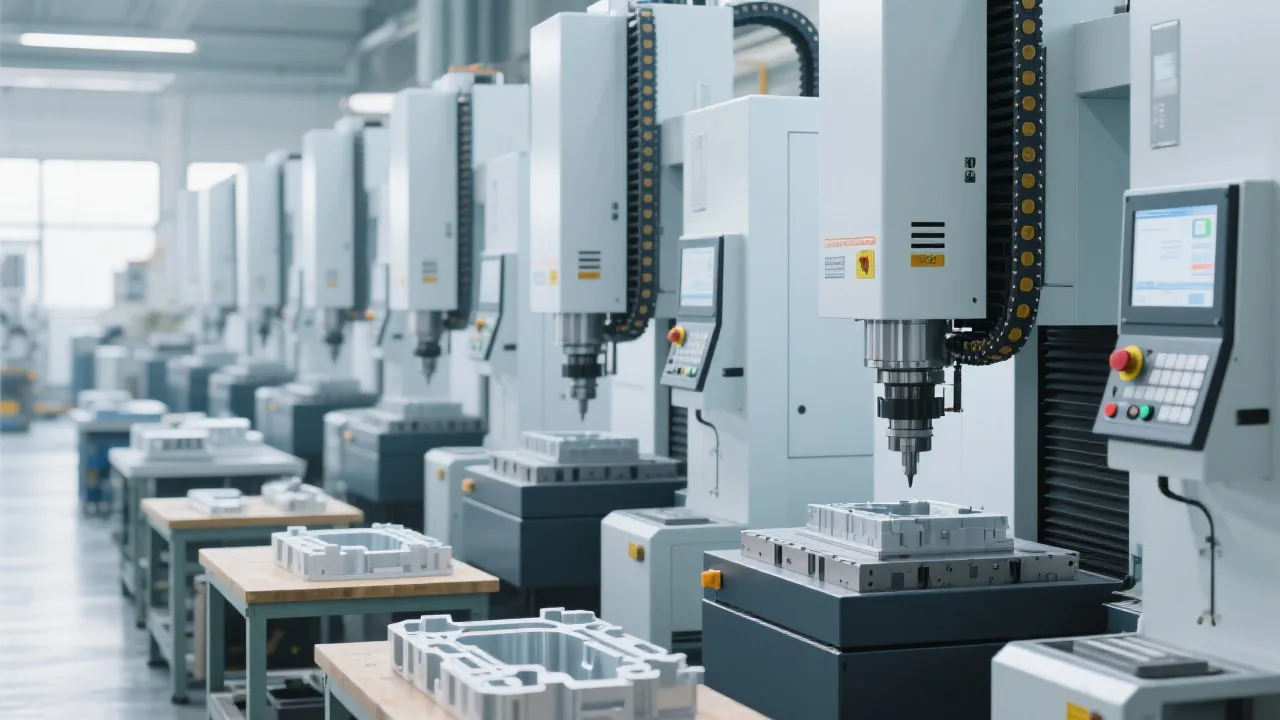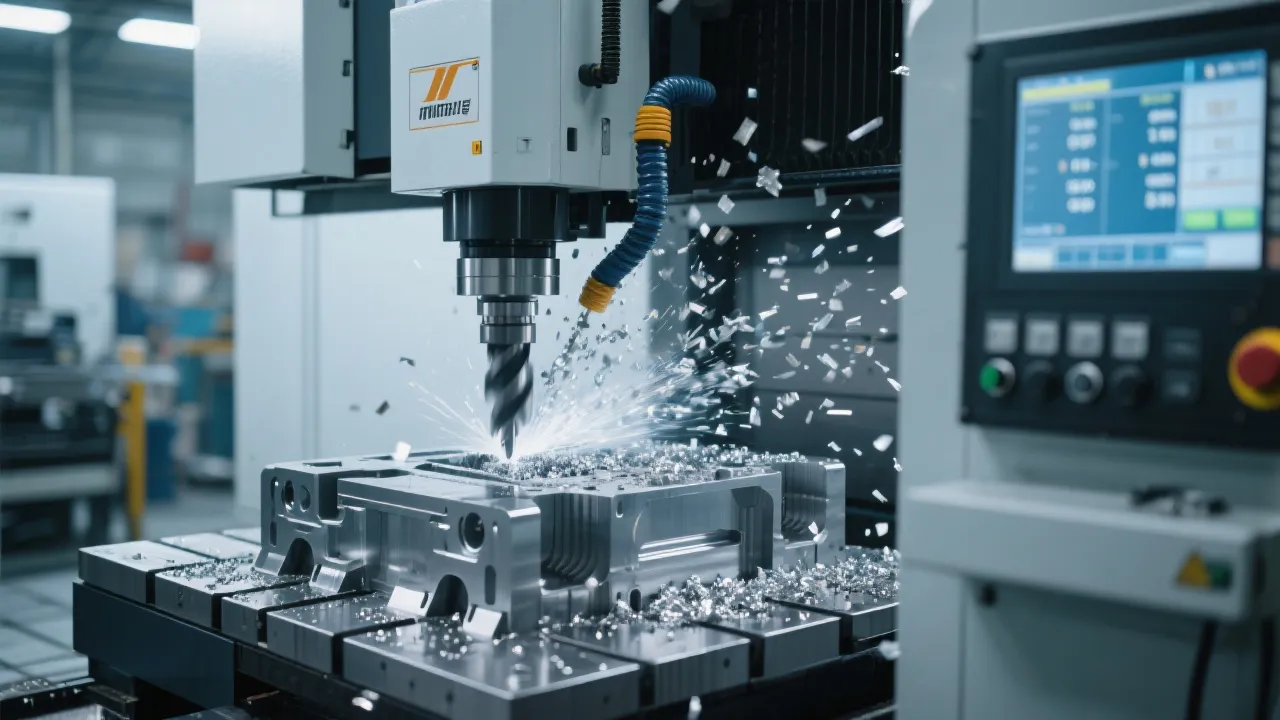
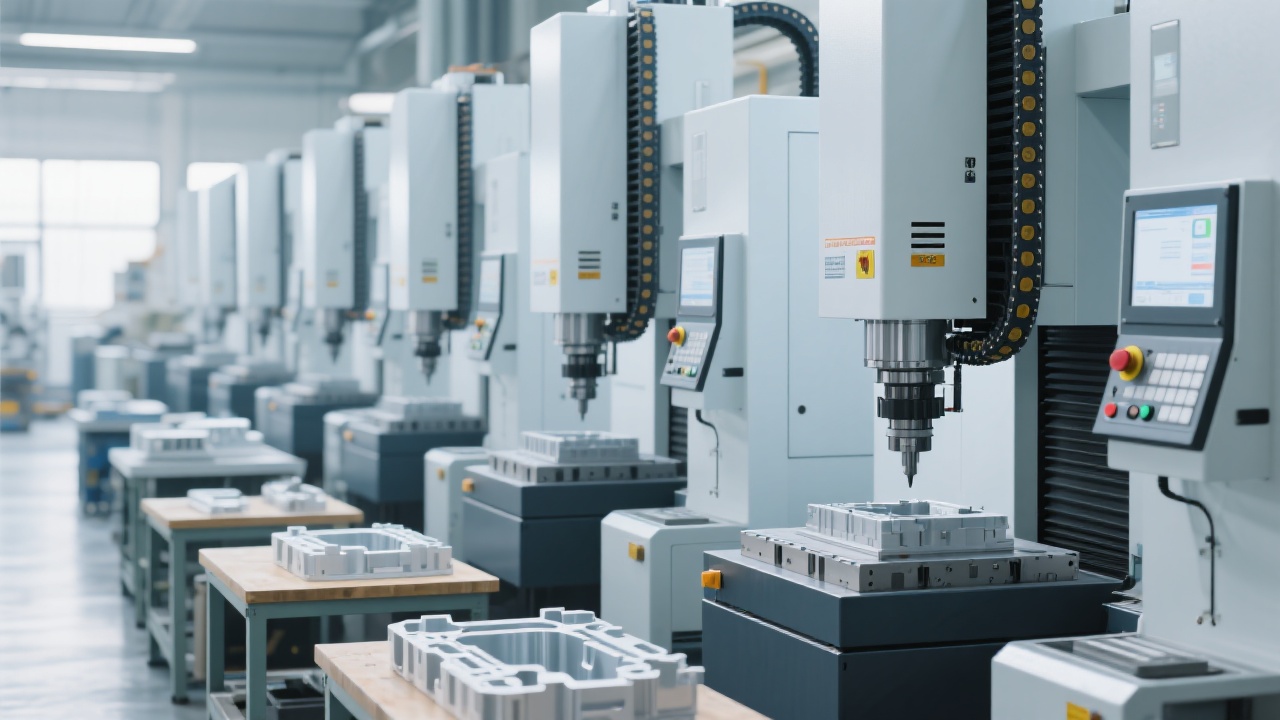
In the field of mold manufacturing, achieving both geometric accuracy and surface quality is a constant pursuit. This article will take you to thoroughly understand how high-precision and high-speed CNC milling machines meet these requirements, with a specific focus on the GJ8070 double-column high-speed vertical machining center.
Mold manufacturing demands extremely high precision and stability from equipment. For dimensional tolerances, it is typically required to be below ±0.01mm, and the surface roughness (Ra) should be ≤0.4μm. These strict requirements ensure the high-quality and high-precision of the final mold products.
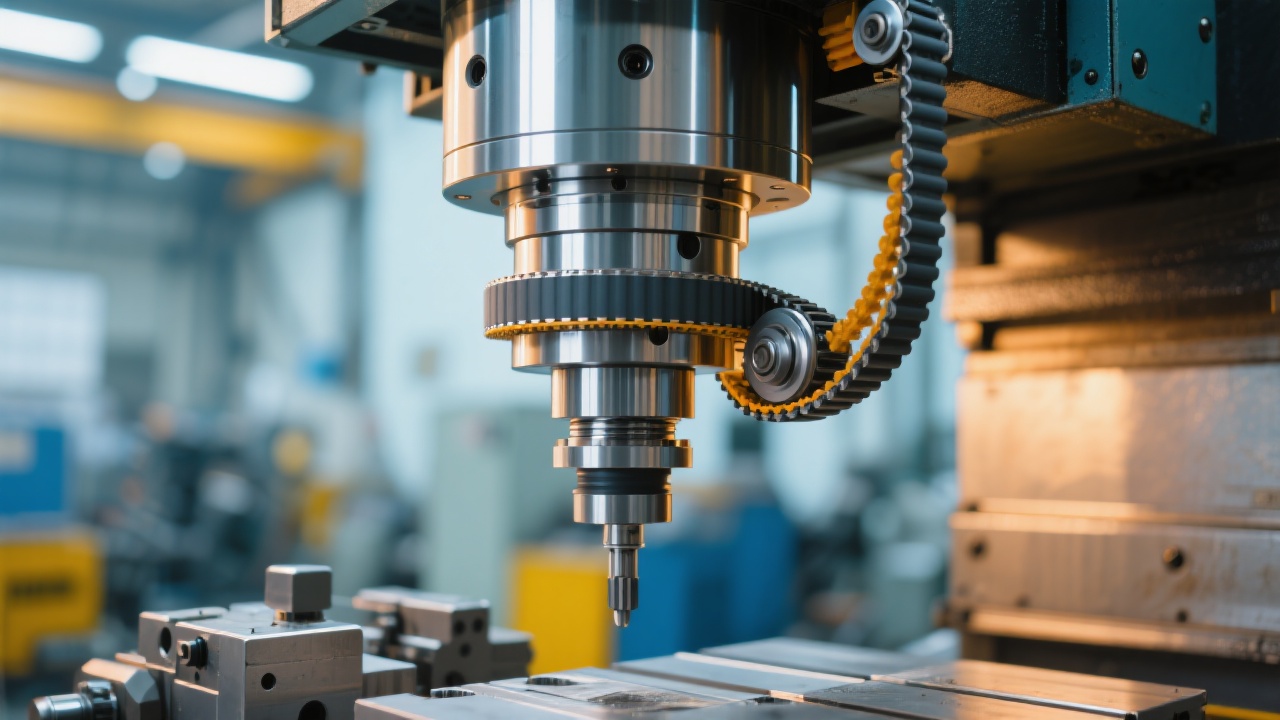
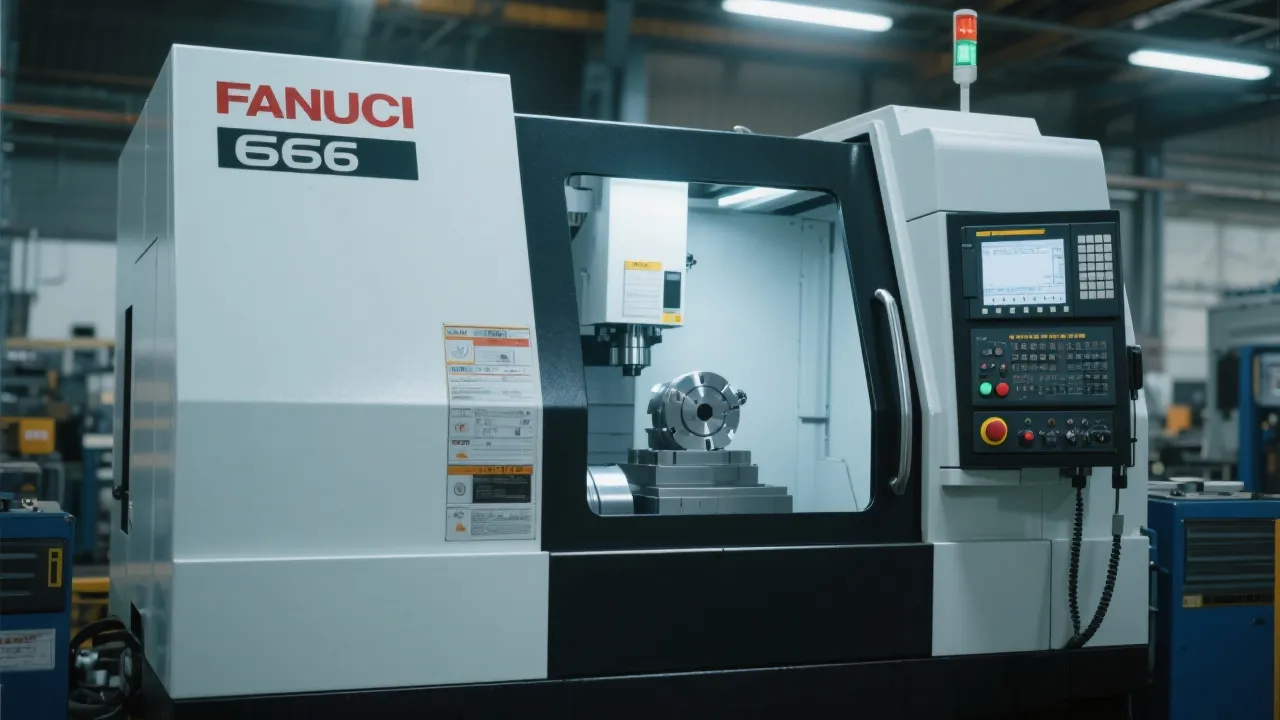
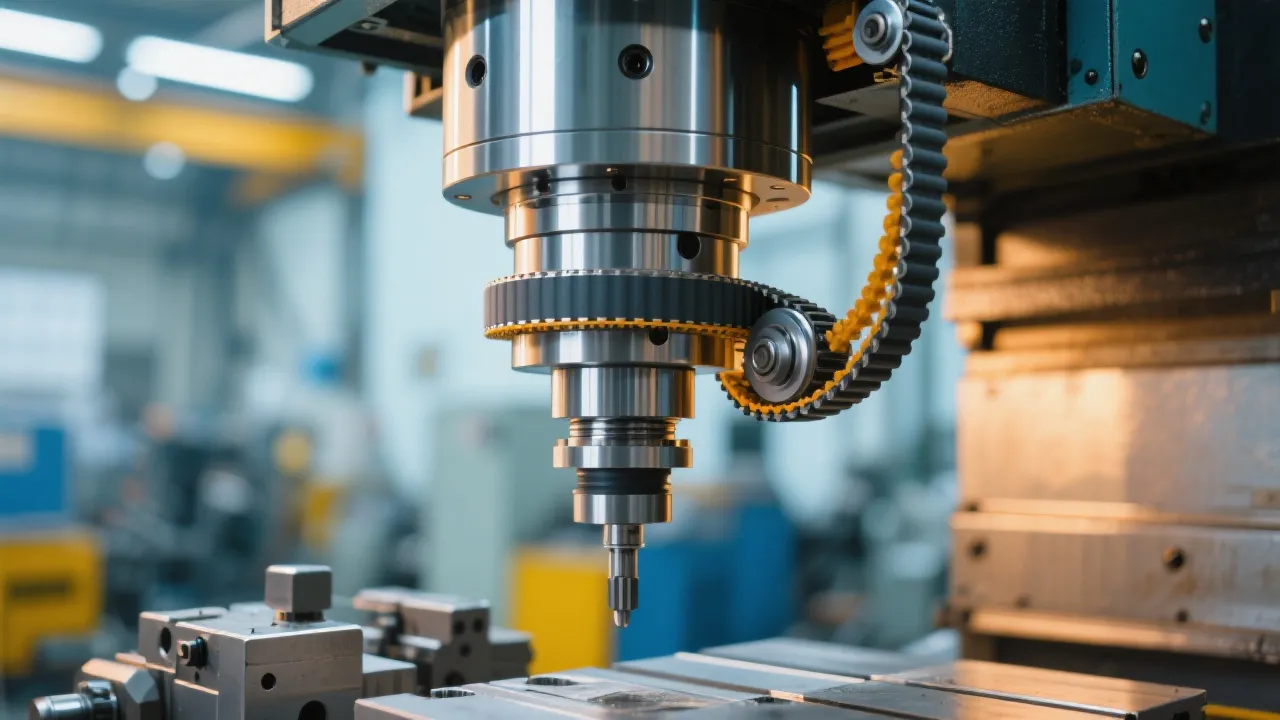
The GJ8070 high-speed vertical machining center is equipped with an HSK spindle, which can reach a rotational speed of over 18,000 rpm. The high spindle speed enables the machine to complete cutting operations more efficiently. Additionally, it uses the Fanuc control system, which features fast response and strong anti-interference ability. This system can accurately control the movement of the machine, ensuring the accuracy of machining.
Process parameters such as feed rate, cutting depth, and cooling method have a significant impact on thermal deformation and vibration during machining. For example, an appropriate feed rate can reduce the generation of heat, while a reasonable cutting depth can prevent excessive vibration. By adjusting these parameters, you can effectively control thermal deformation and vibration, thereby improving machining accuracy.
| Parameter | Impact on Machining | Recommended Range |
|---|---|---|
| Feed Rate | Affects heat generation and machining efficiency | 300 - 800 mm/min |
| Cutting Depth | Relates to vibration and surface quality | 0.1 - 0.5 mm |
| Cooling Method | Influences thermal deformation | Water-soluble cutting fluid or oil-based fluid |
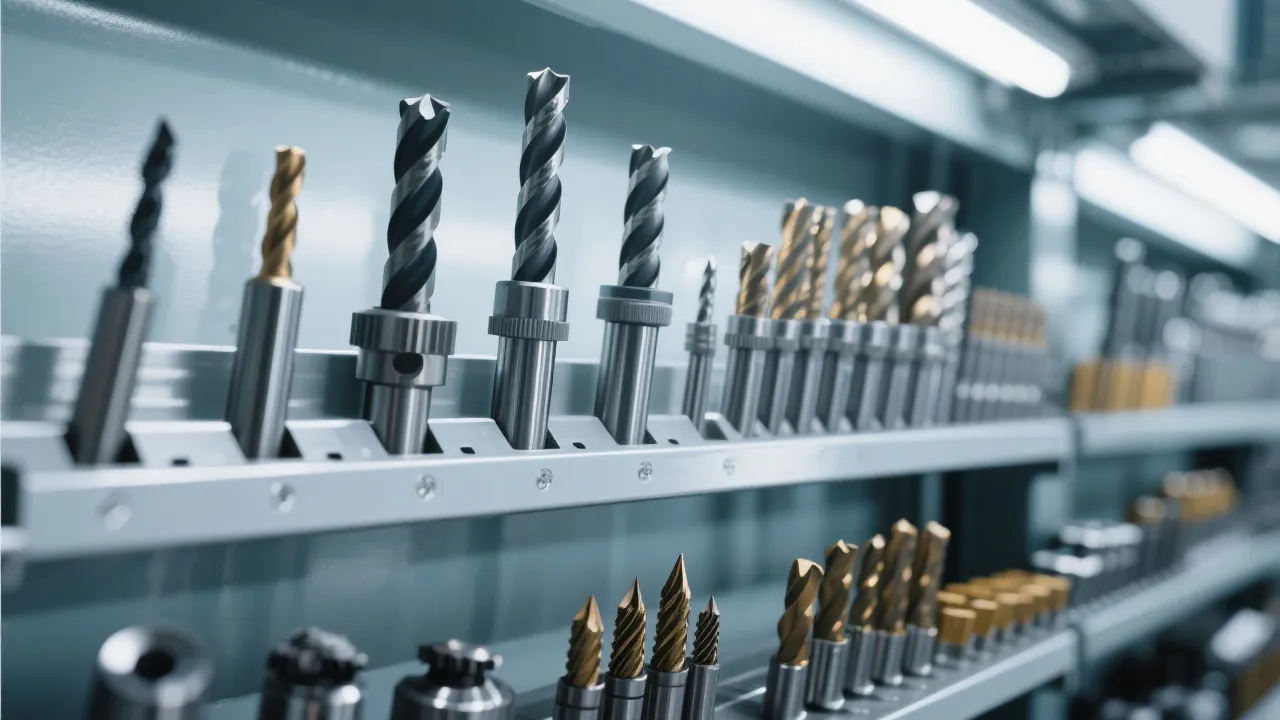
When choosing tool materials, you need to consider the characteristics of the workpiece material. For example, carbide tools are suitable for general machining, while PCBN tools are more suitable for high-hardness materials. Similarly, the choice of cutting fluid also depends on the machining requirements. Water-soluble cutting fluids are suitable for general cooling, while oil-based fluids can provide better lubrication.
To ensure the consistency of machining quality, a quality control closed-loop mechanism is essential. This includes online detection, process recording, and dynamic parameter adjustment. Through online detection, you can monitor the machining status in real-time. Process recording helps you analyze the machining process and find potential problems. Dynamic parameter adjustment allows you to make timely adjustments to ensure the stability of quality.
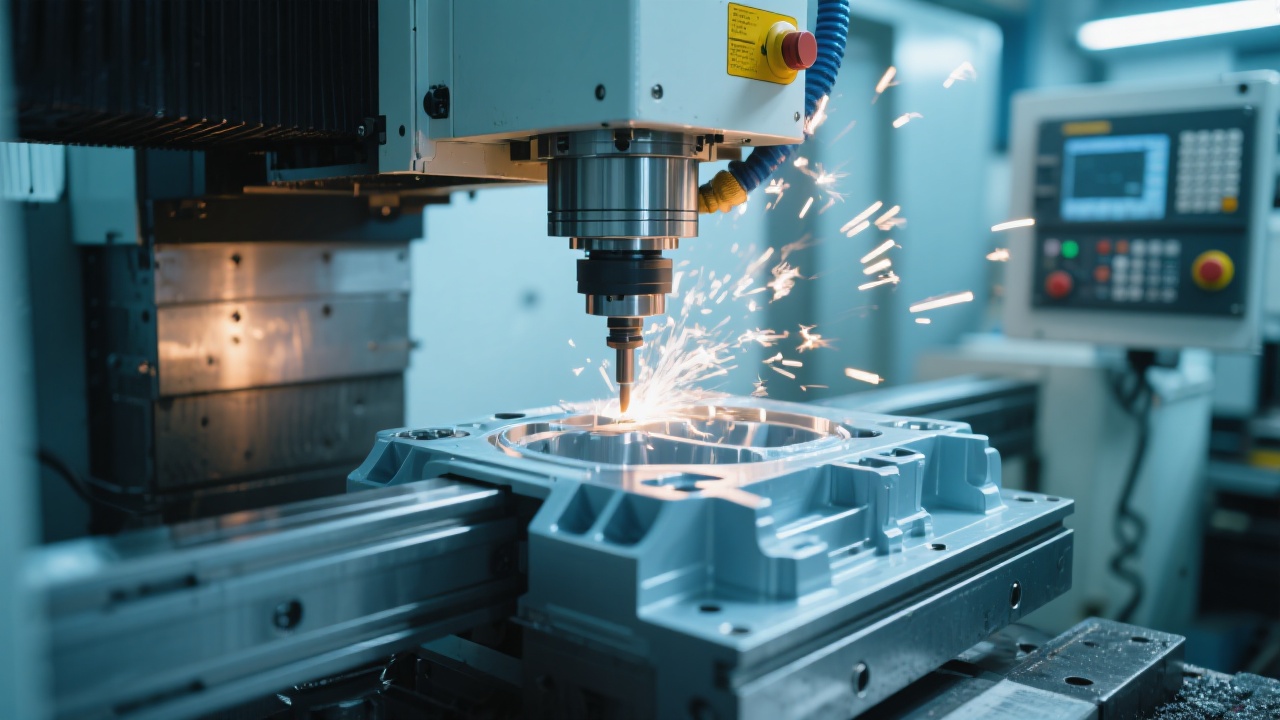
A precision mold enterprise has achieved remarkable results by optimizing process parameters. They reduced the surface roughness by 30% and shortened the production cycle by 15%. This shows that by using the right technology and methods, you can significantly improve the efficiency and quality of mold manufacturing.
"The optimization of process parameters in our GJ8070 machining center has truly brought revolutionary changes to our mold manufacturing. The improvement in quality and efficiency has made our products more competitive in the market," said the technical director of the above-mentioned enterprise.
Get a deep understanding of advanced mold finishing techniques and take your business to a new level.
Immediately Get the PDF of Mold Finishing Process Handbook or Book a Free Technical Consultation