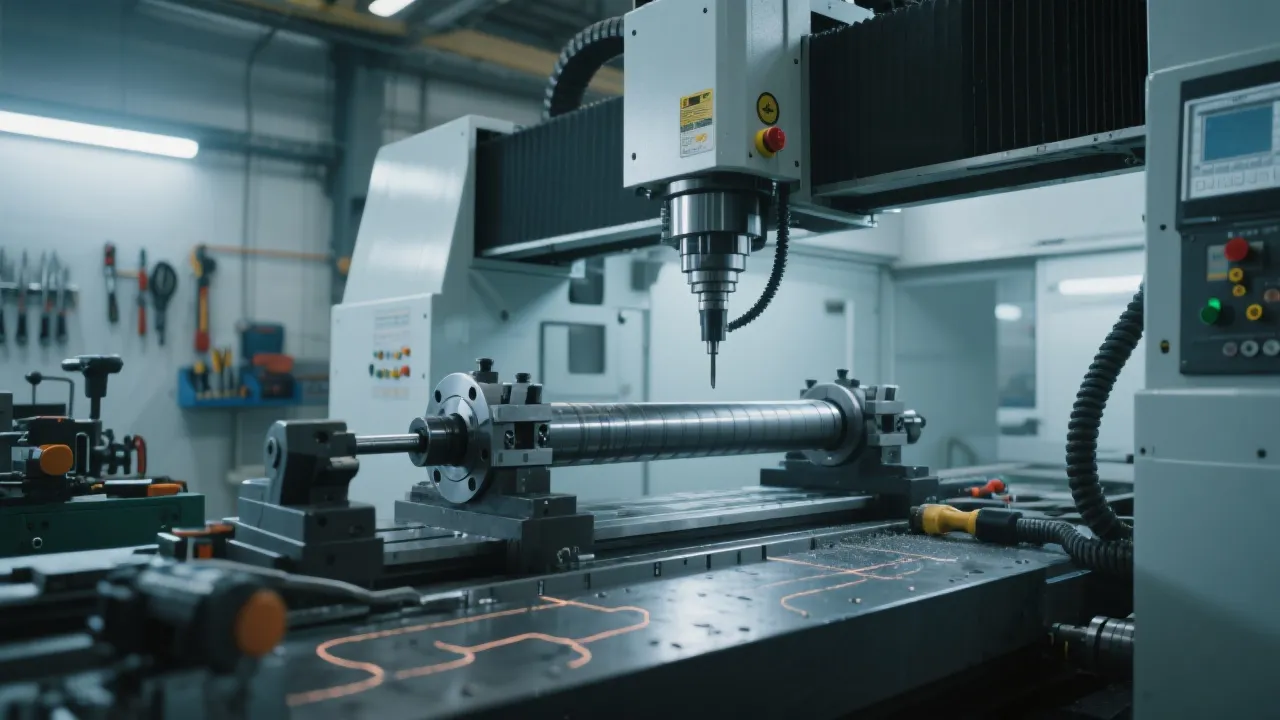
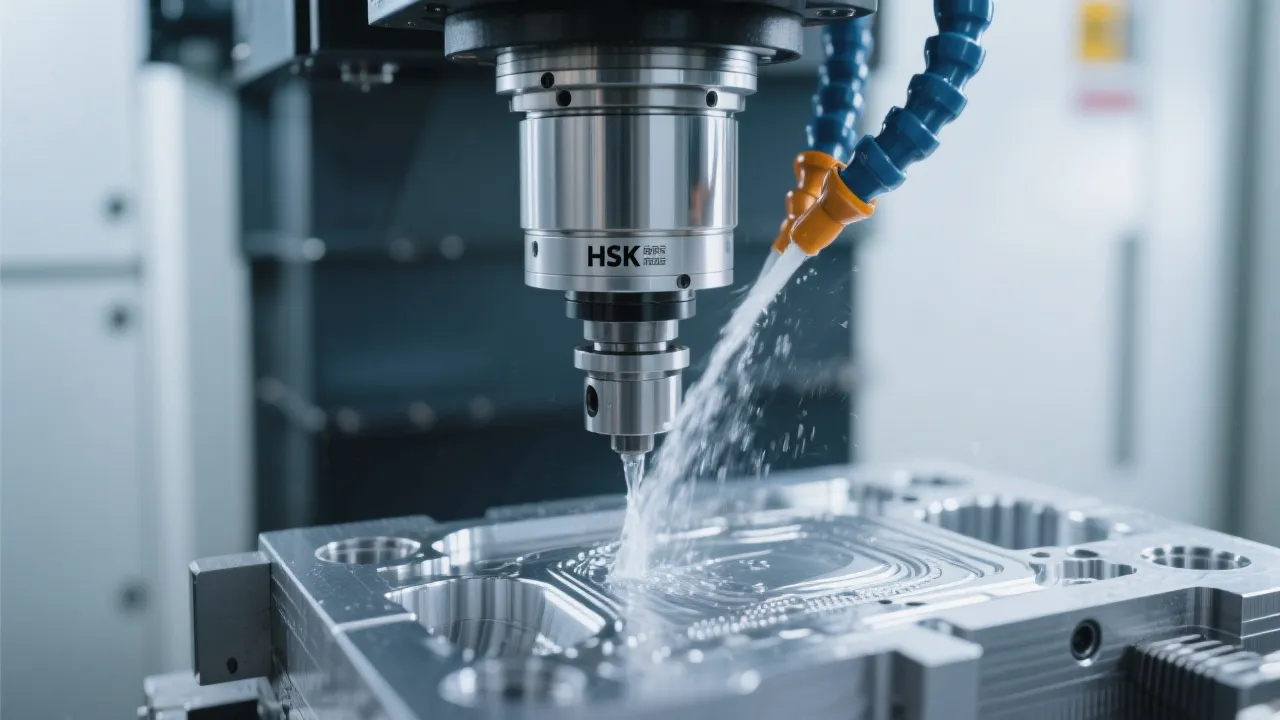
Mold manufacturing demands utmost precision and consistent stability from machining equipment to meet rigorous dimensional tolerances and surface finish requirements. The GJ8070 Twin-Column High-Speed Vertical Machining Center exemplifies breakthroughs in this domain by integrating advanced Fanuc control systems with high-speed HSK spindles, delivering a powerful synergy that elevates mold surface roughness and dimensional control to new levels.
In mold production, precision requirements often necessitate dimensional accuracy within ±5 microns and surface roughness below Ra 0.4 µm. Variations due to thermal deformation, machine vibrations, or dynamic cutting forces can drastically affect final product quality. Moreover, process stability is critical to ensuring repeatability across batch manufacturing. Are you currently struggling with maintaining such high standards consistently?
The core of the GJ8070’s performance lies in two main technologies:
Mold manufacturing accuracy can degrade due to heat-induced structural expansions and machine vibrations. Analysis shows that controlling feed rates between 8–12 m/min with depth of cut optimally set at 0.5–1.5 mm helps minimize thermal buildup. Simultaneously, spindle speed adjustments around 18,000–22,000 RPM balance cutting efficiency and vibration suppression.
Consider a case study from a precision mold maker who reduced dimensional deviation by 35% after implementing these parameters along with real-time vibration monitoring sensors.
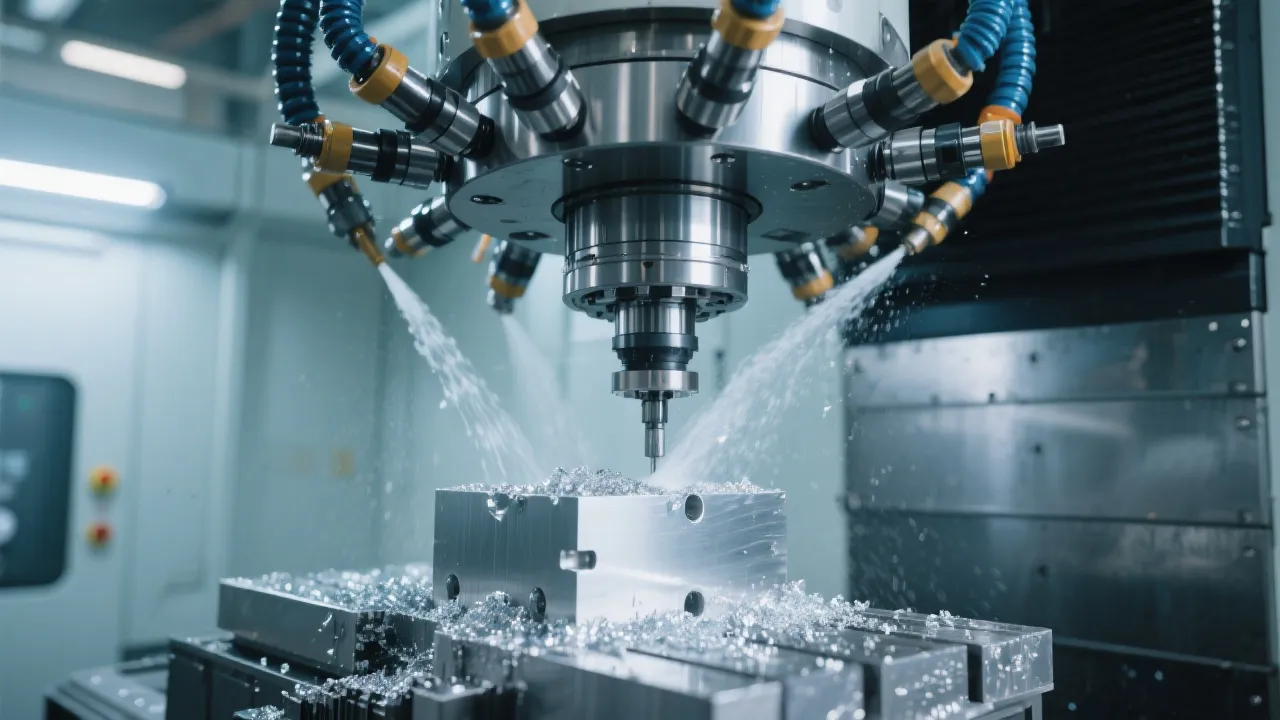
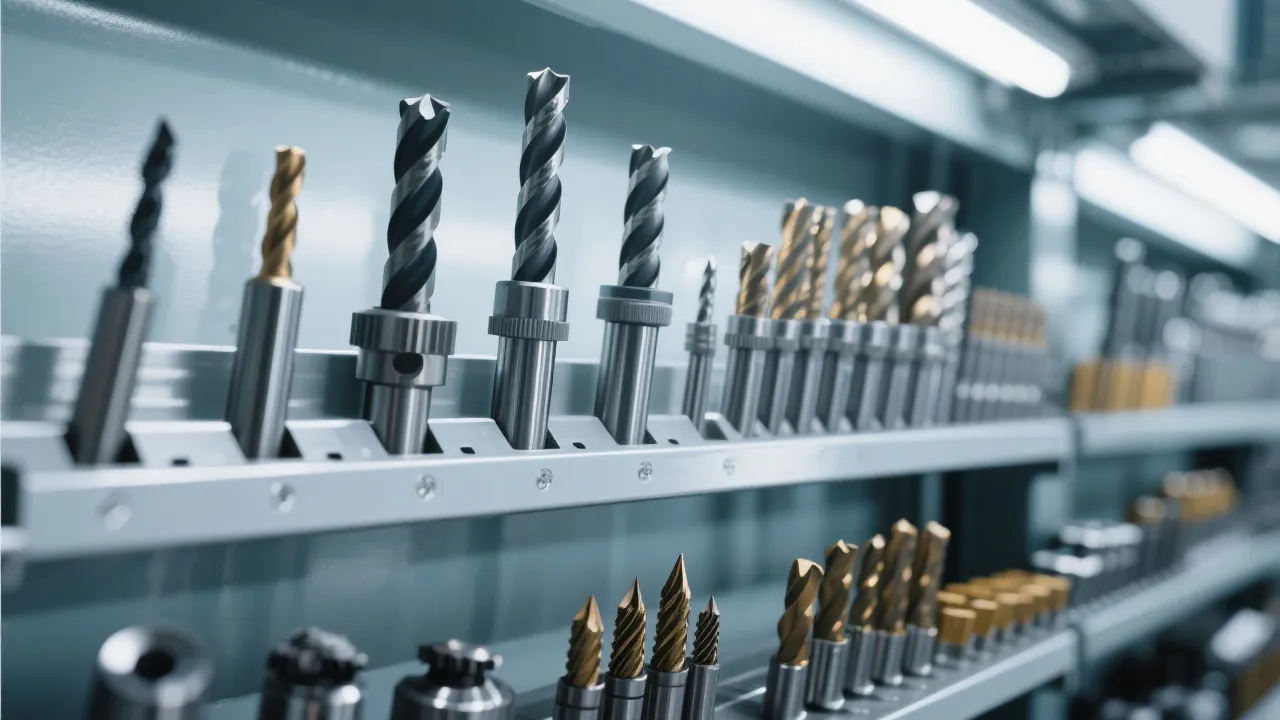
Choosing the right tool and cooling medium directly impacts heat management and surface finish quality. Carbide tools coated with TiAlN have shown to improve wear resistance and thermal stability. When paired with high-performance water-based emulsions or semi-synthetic cutting fluids, these combinations lower cutting zone temperatures by up to 20%, extending tool life by 30%.
Practical advice: Match cutting fluid delivery rates with tool engagement lengths to ensure effective lubrication without flood conditions that impair chip evacuation.
Establishing a closed-loop quality management system is crucial. Incorporate inline dimension sensors and surface scanners to continuously track deviations. Employ software that dynamically adjusts feed rates and spindle speeds in response to measured anomalies, maintaining machining within tolerance thresholds.
The GJ8070 efficiently machines intricate mold cores with cavity depths exceeding 150 mm and fine features less than 0.2 mm in radius. Enhanced thermal stability and spindle speed modulation enable consistent surface finishes averaging Ra 0.25 µm over complex geometries.
Imagine streamlining your production cycles while reliably meeting stringent geometric tolerances – a critical competitive advantage in mold manufacturing.
Interested in optimizing your mold manufacturing processes with the GJ8070 High-Speed Vertical Machining Center?
Contact Kaibo CNC Today for Customized Machining Solutions
Have you encountered challenges controlling thermal deformation or vibration during precision milling? Share your experiences below.