Are you facing challenges in achieving consistent surface finish and tight tolerances in mold machining? You're not alone—industry data shows that over 68% of mold makers report production delays due to inconsistent toolpath stability or thermal drift during high-speed operations (Source: 2024 Machining Trends Report, SME). The solution lies in integrating advanced equipment with smart process control—not just chasing faster speeds, but smarter precision.
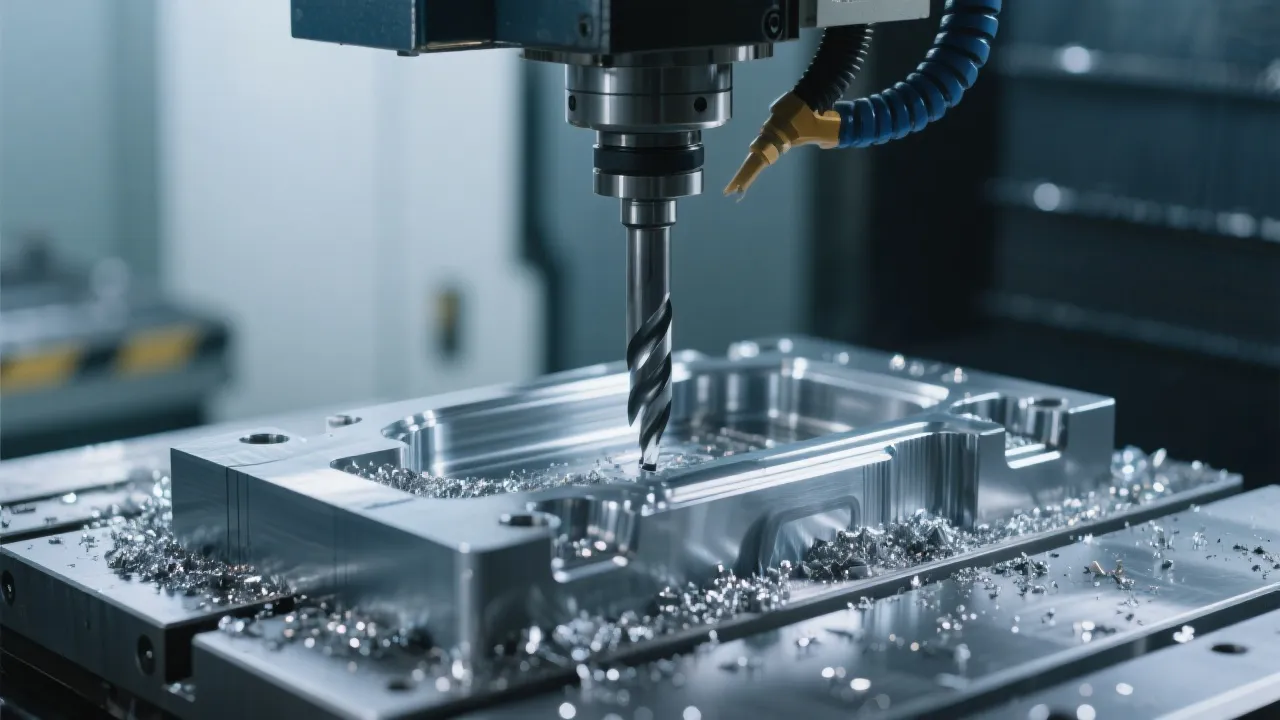
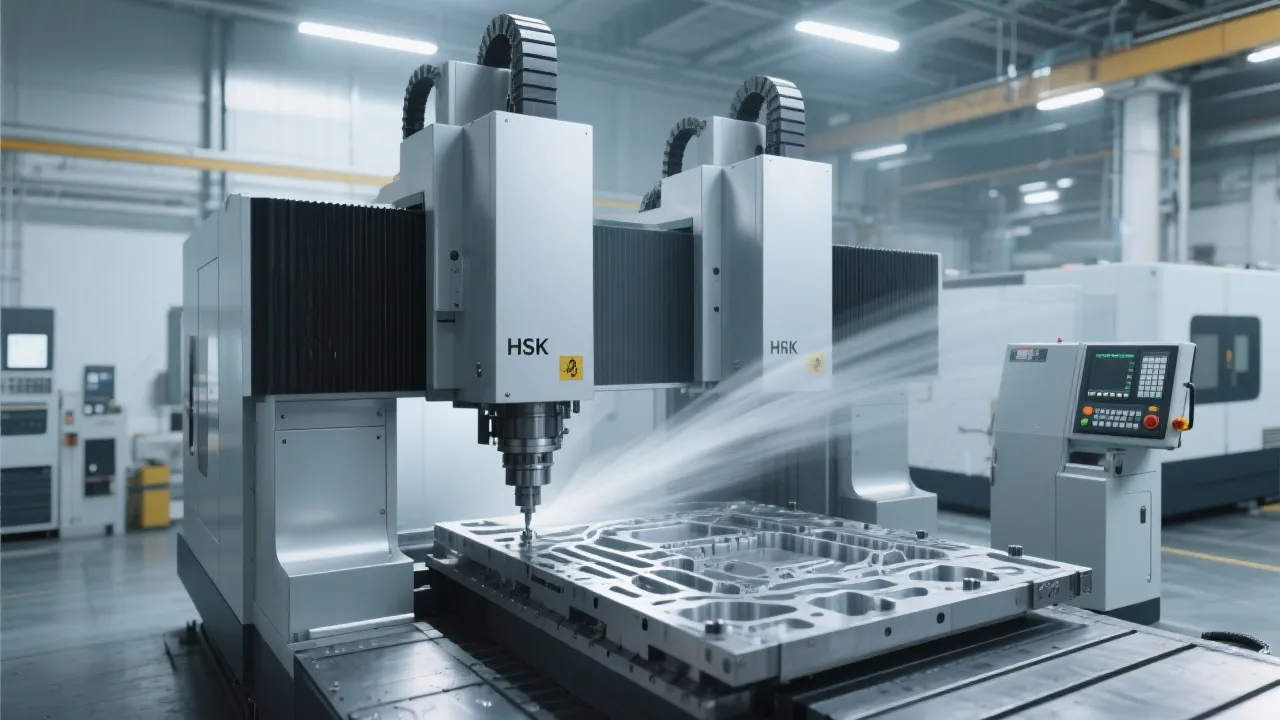
Modern double-column vertical machining centers like the GJ8070 are now essential for mold shops targeting sub-0.01mm dimensional accuracy. With a spindle speed range up to 24,000 RPM and Fanuc 31i-B5 control system, these machines reduce cycle times by 30–40% while maintaining Ra ≤ 0.4 µm surface finish across complex geometries—a critical requirement for optical and medical molds.
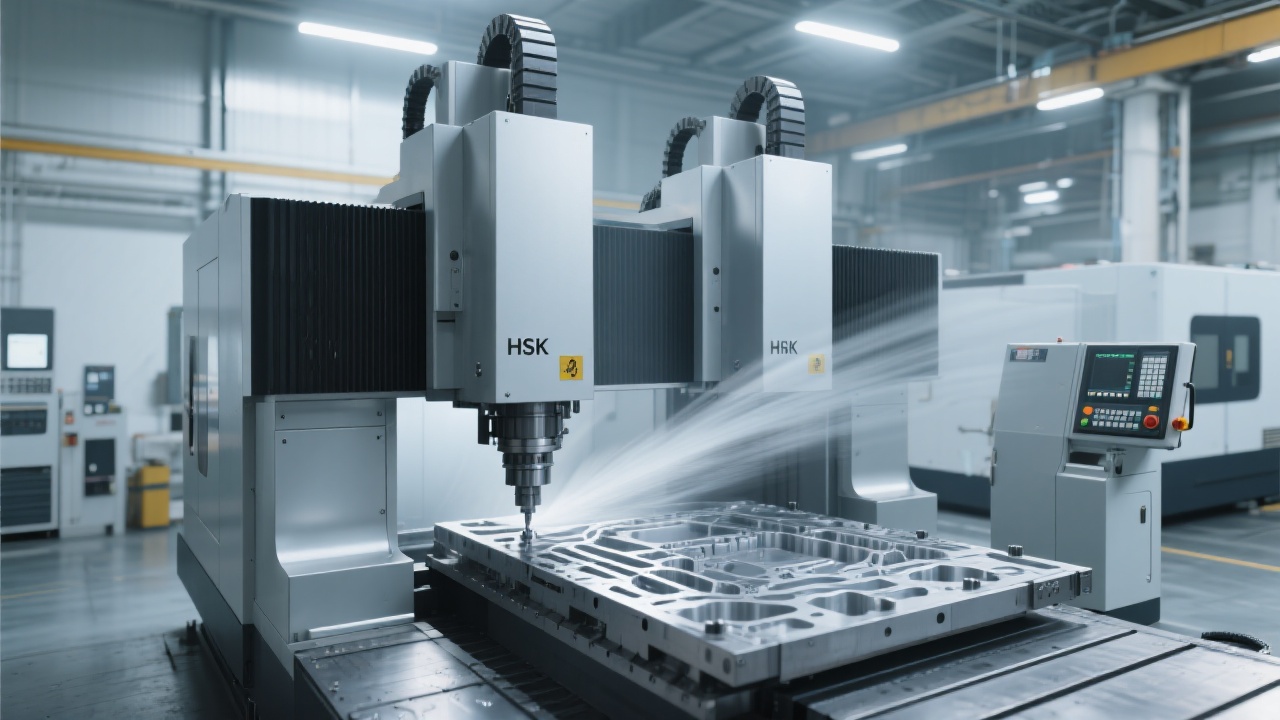
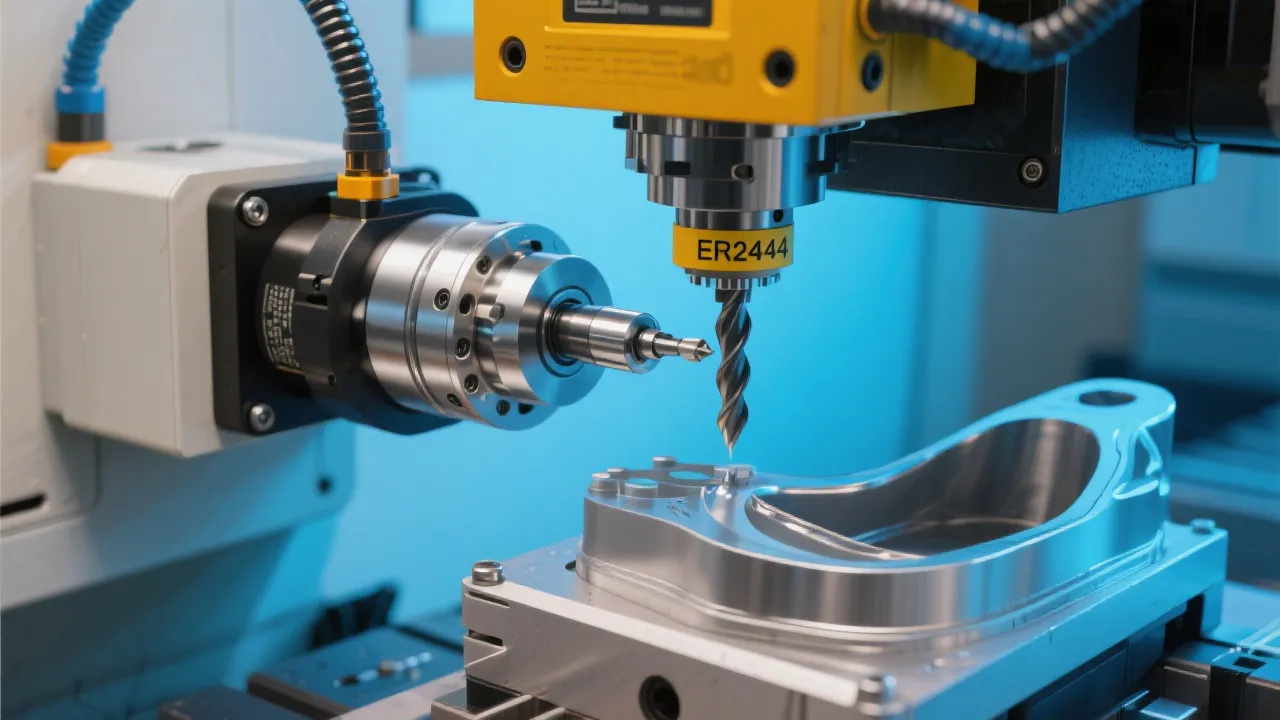
In practice, vibration-induced chatter is often misdiagnosed as tool wear—but it's usually caused by improper feed rate-to-depth-of-cut ratios. For example, running at 120 m/min with 0.2 mm depth and 0.1 mm/rev feed can increase tool deflection by up to 15%. Our engineers recommend starting with a 1:1 ratio between axial and radial engagement to minimize resonance.
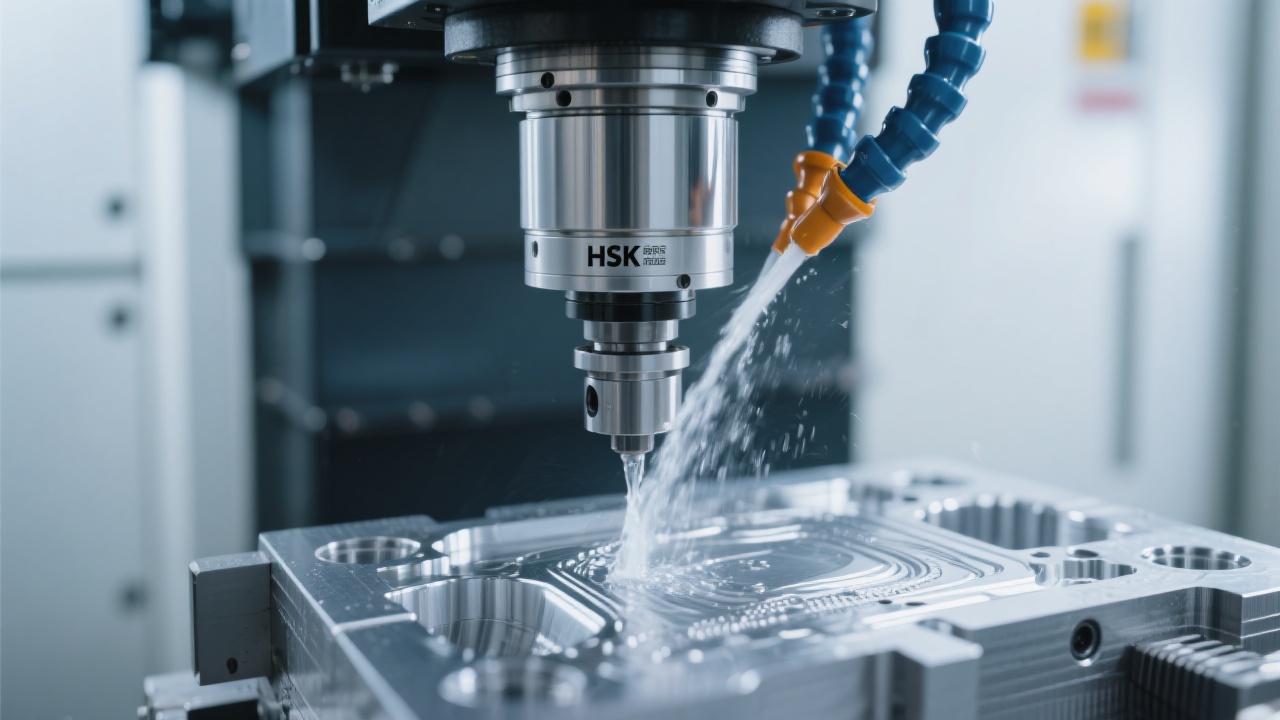
Thermal deformation remains one of the top causes of lost tolerance in long runs. A case study from a German automotive mold supplier showed that implementing active cooling via minimum quantity lubrication (MQL) + closed-loop temperature monitoring reduced thermal expansion by 60%, allowing them to maintain ±0.005 mm accuracy over 8-hour batches.
Not all carbide grades perform equally under high-speed conditions. For hardened steel molds (HRC 50–60), we advise using PVD-coated inserts with TiAlN coating for better heat resistance. Pair this with synthetic ester-based coolants instead of conventional emulsions—they reduce friction by 22% and prevent micro-welding on tool edges.
“The key isn’t just buying a faster machine—it’s knowing how to make it work consistently,” says Dr. Lin Wei, Senior Process Engineer at Shanghai MoldTech. “We saw a 27% drop in rework rates within two months of adopting proper parameter tuning and thermal management strategies.”
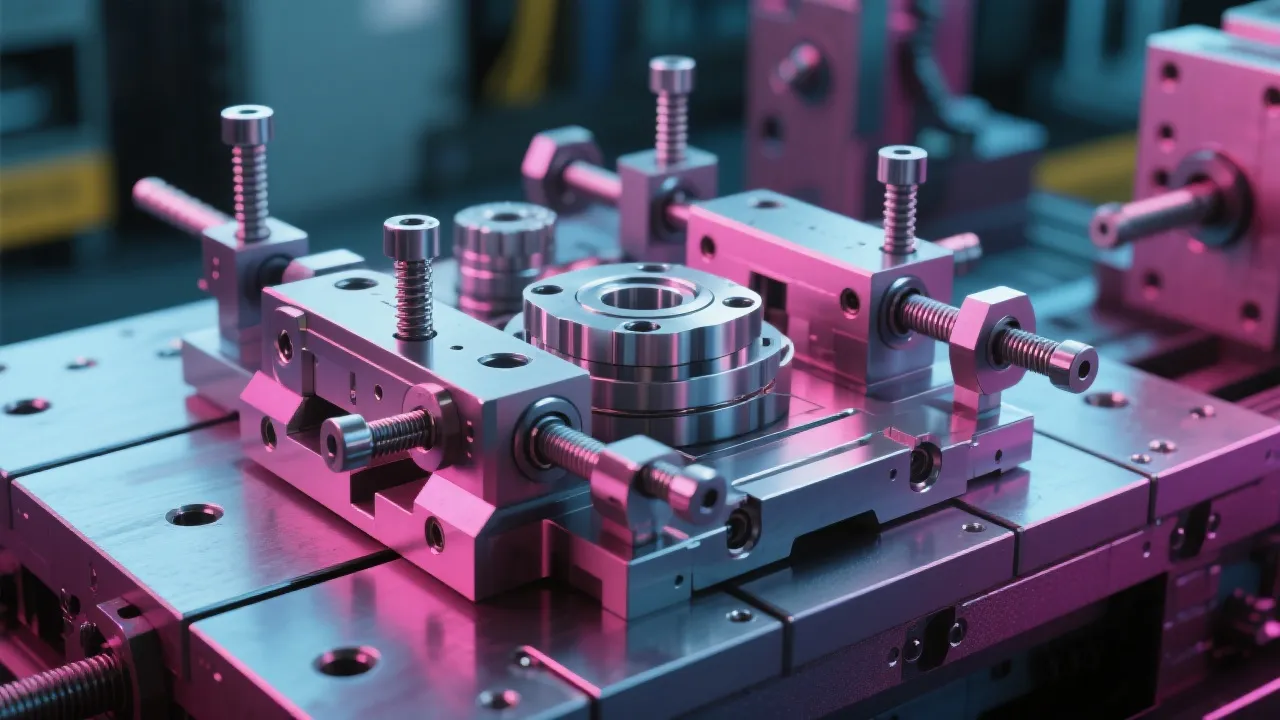
A mid-sized U.S. mold shop replaced their older gantry mill with the GJ8070 and achieved measurable gains: average surface roughness dropped from 1.2 µm to 0.3 µm, inspection time per part decreased from 3.5 minutes to 1.8 minutes, and first-pass yield increased from 78% to 94%. This wasn't magic—it was systematic optimization based on actual machining data.
If your team struggles with surface finish inconsistency, tool life issues, or inefficient setups, the GJ8070 offers a proven path forward—with real-world results from clients worldwide.
See How GJ8070 Delivers ±0.005mm Consistency in Your Shop