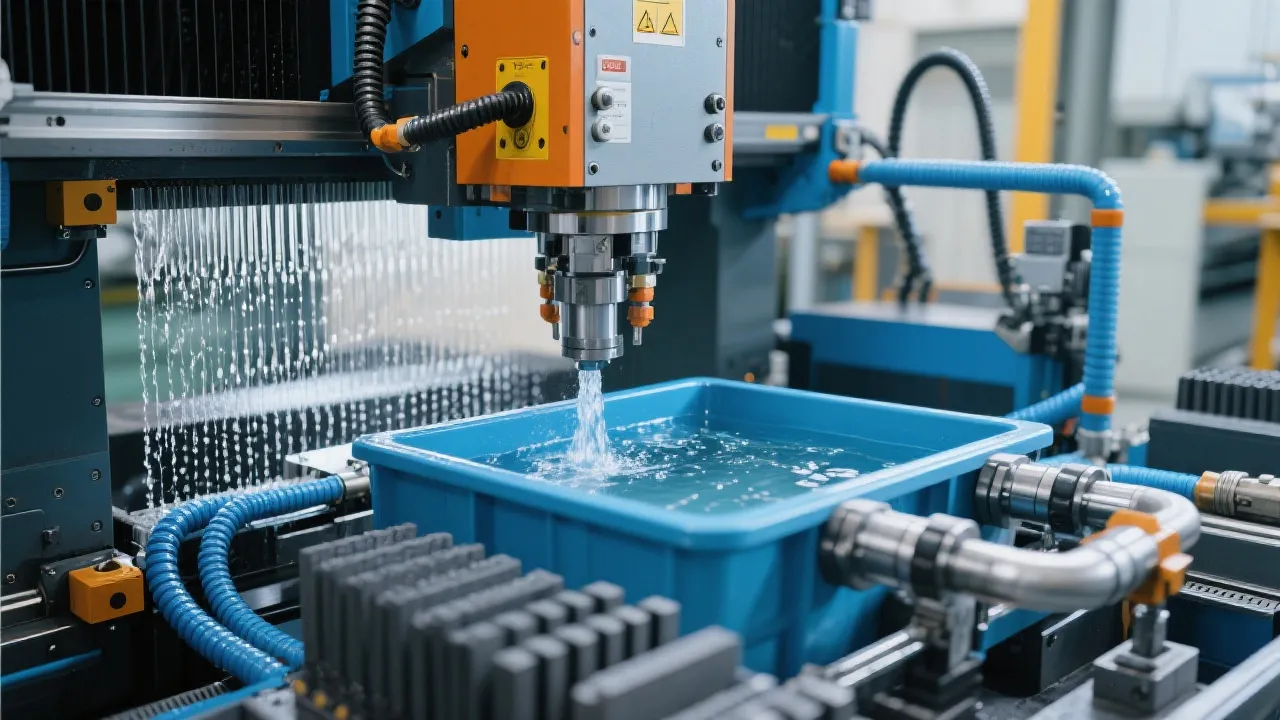
As mold manufacturing evolves toward higher complexity and tighter tolerances, high-speed CNC milling machines have become indispensable tools for achieving both precision and productivity. In fact, studies show that over 78% of leading mold shops now rely on high-speed vertical machining centers (VMCs) to reduce cycle times by up to 40%, while improving surface finish consistency.
Modern molds demand more than just fast spindle speeds — they require thermal stability, vibration damping, and precise control. For example, a typical high-precision mold cavity with ±0.005mm tolerance must be machined using optimized feed rates (e.g., 12–18 m/min), controlled coolant flow, and minimal tool deflection. Without proper setup, even a 0.01mm deviation can lead to rejection during inspection — costing thousands in rework.
| Parameter | Recommended Range | Impact on Quality |
|---|---|---|
| Spindle Speed (RPM) | 8,000–20,000 RPM | Reduces heat buildup, improves surface finish |
| Coolant Pressure | 4–6 bar | Prevents thermal deformation, extends tool life |
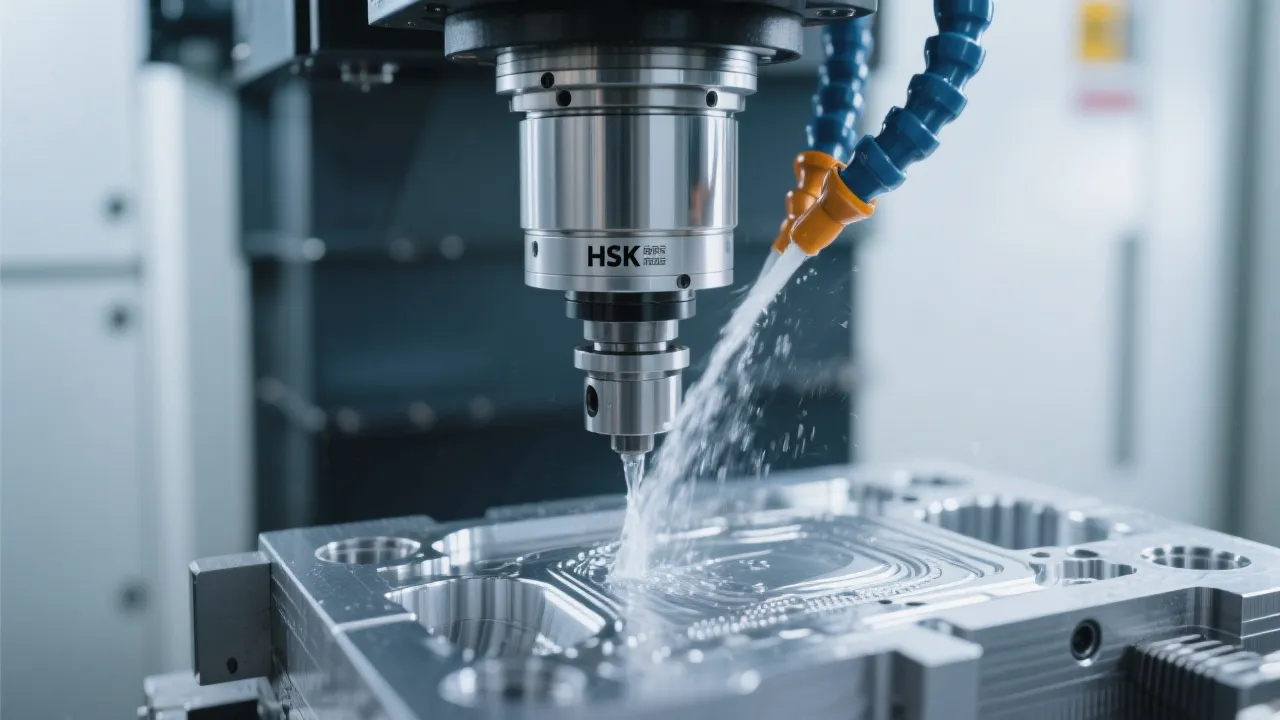
| Tool Holder Type | HSK-A63 or HSK-T63 | Enhances rigidity, reduces runout to <0.002mm |
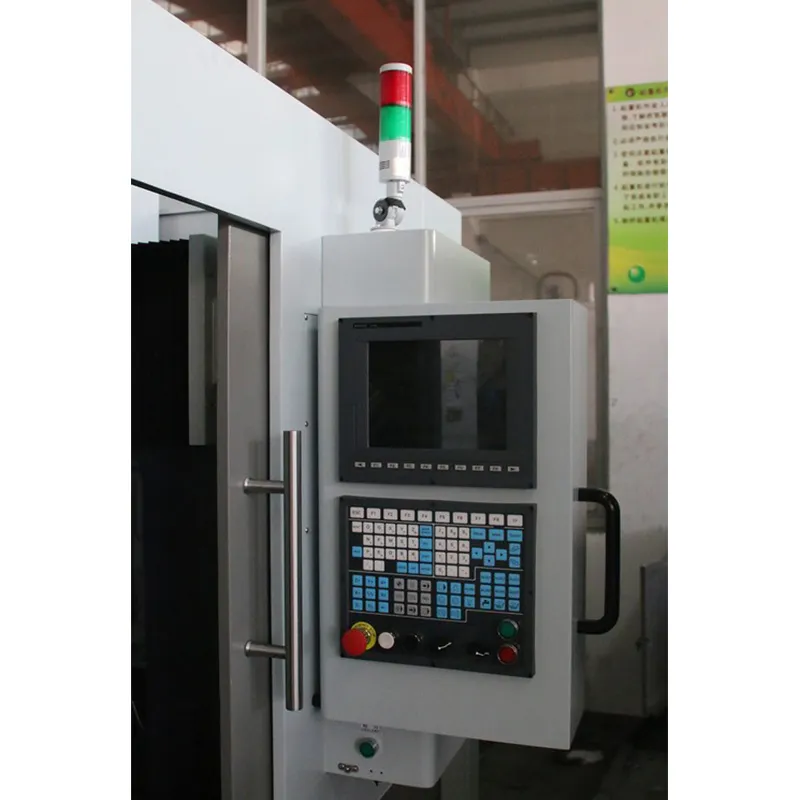
Our clients report measurable improvements when combining Fanuc’s latest CNC controls (like the FANUC Series 31i-B) with HSK高速主轴 (HSK-A63). One German automotive mold supplier saw a 35% drop in rejected parts after switching from traditional CAT40 to HSK tooling — thanks to better dynamic balance and reduced chatter at high speeds.
But it’s not just about hardware. Proper parameter tuning matters: setting the right cutting depth (0.2–0.5mm per pass), selecting carbide inserts with TiAlN coating, and using synthetic oil-based coolants are all part of a holistic strategy. You may ask: “How do I know if my process is stable?” Look for consistent surface roughness values under Ra 0.8 μm across 10+ samples — that’s your benchmark.
A Chinese mold manufacturer used the GJ8070 double-column high-speed VMC to produce a complex multi-cavity injection mold. By applying optimized toolpaths and real-time monitoring via Fanuc’s iTRON system, they cut production time from 14 days to 9 days — without sacrificing dimensional accuracy. Their quality team confirmed 100% compliance with ISO 2768-1 standards across 50+ units.
Still wondering how to start? Whether you're facing vibration issues, inconsistent finishes, or long lead times — this isn't just theory. It's what hundreds of mold makers worldwide are already doing.
GJ8070 Double-Column High-Speed Vertical Machining Center has helped over 100 mold companies achieve repeatable precision, faster turnaround, and fewer rejects.
See How We Helped Others Succeed →