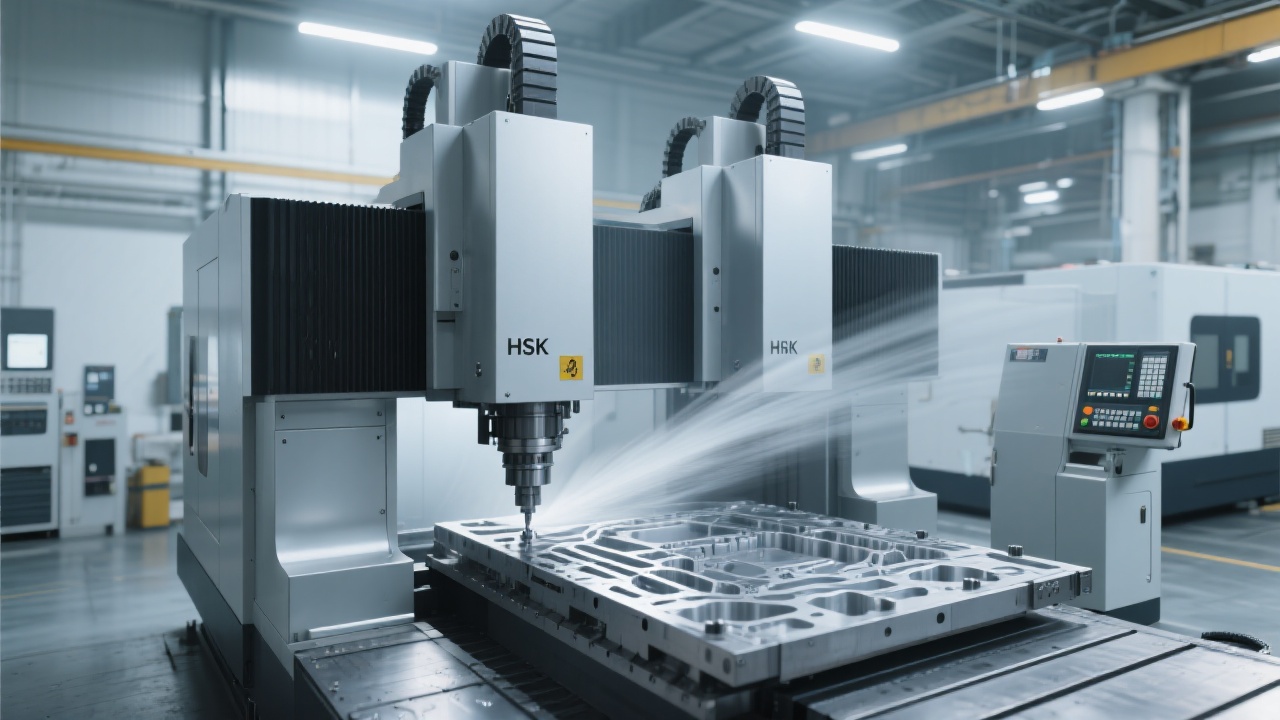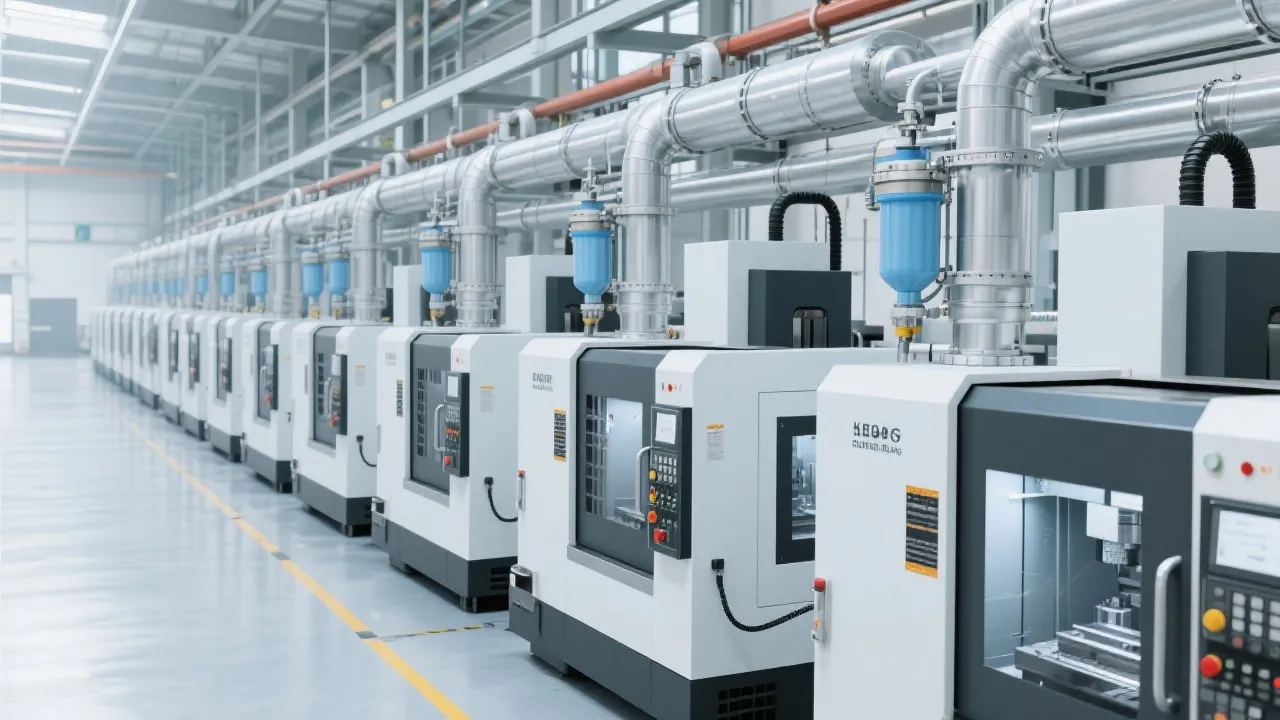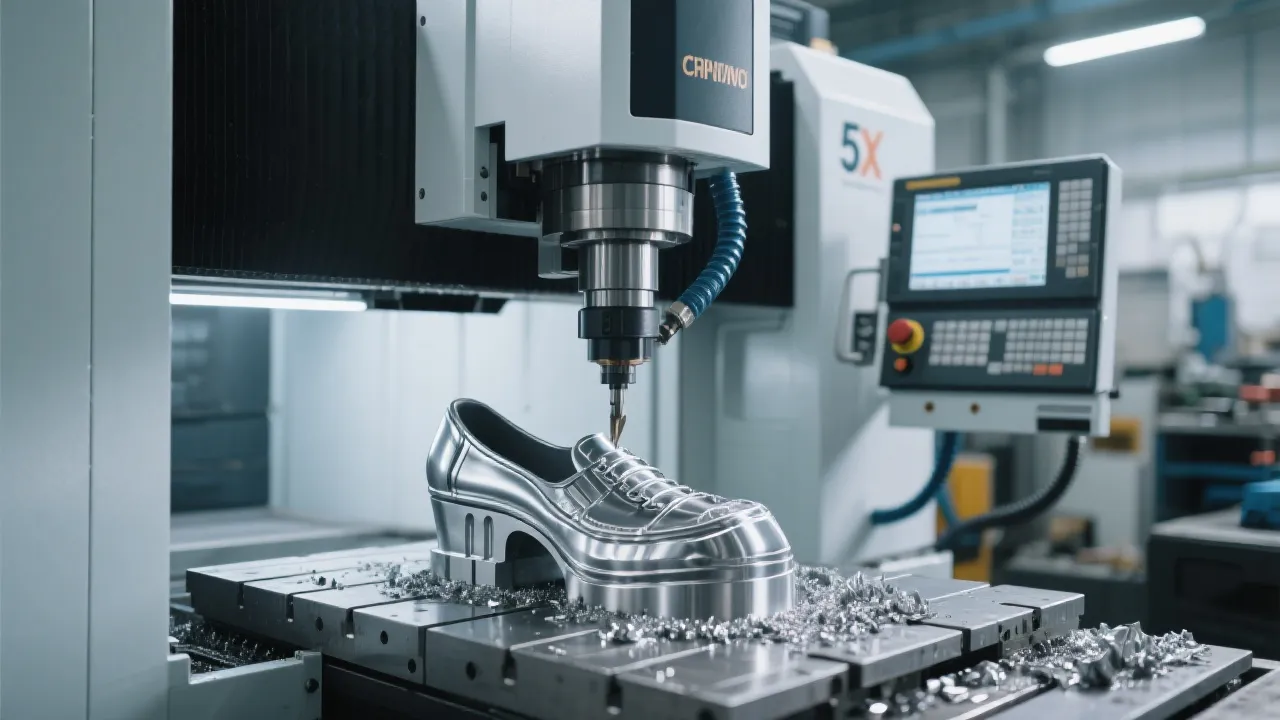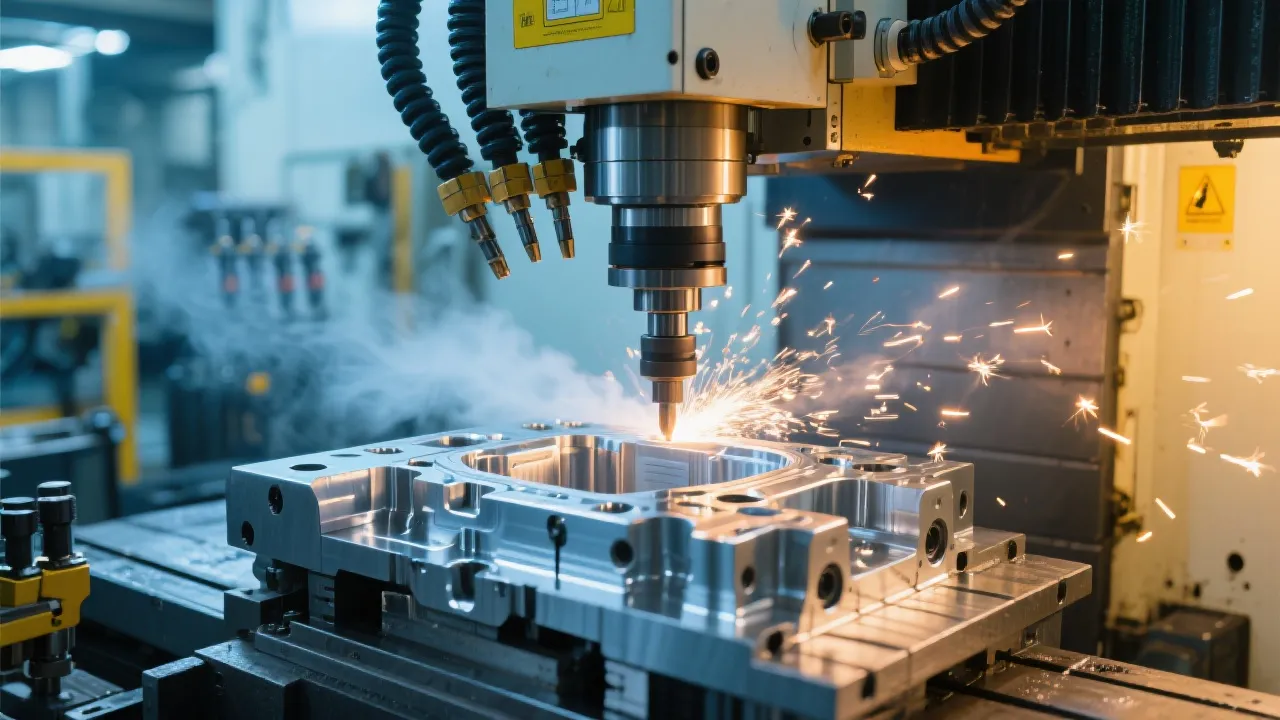
Selecting the ideal CNC machining center is pivotal for manufacturing enterprises seeking precision and productivity. Among the numerous factors influencing selection, two technologies stand out in driving machining quality: the Fanuc control system and advanced high-speed spindle systems. Their integration within a well-engineered machine, especially those featuring a robust dual-column structure, offers enhanced rigidity, stability, and responsiveness — crucial attributes for modern manufacturing challenges.
Fanuc control systems are globally recognized for their industrial-grade reliability and programming versatility. Their architecture supports complex multi-axis interpolation, adaptive feed control, and real-time error compensation, all of which contribute to maintaining machining accuracy across diverse tasks.
In mid-size high-speed vertical machining centers, Fanuc’s software algorithms enhance toolpath precision by dynamically adjusting acceleration and deceleration, minimizing chatter and vibration. For manufacturers processing small batches with varied designs, this programming flexibility reduces setup times by up to 20-30%, a critical efficiency gain.
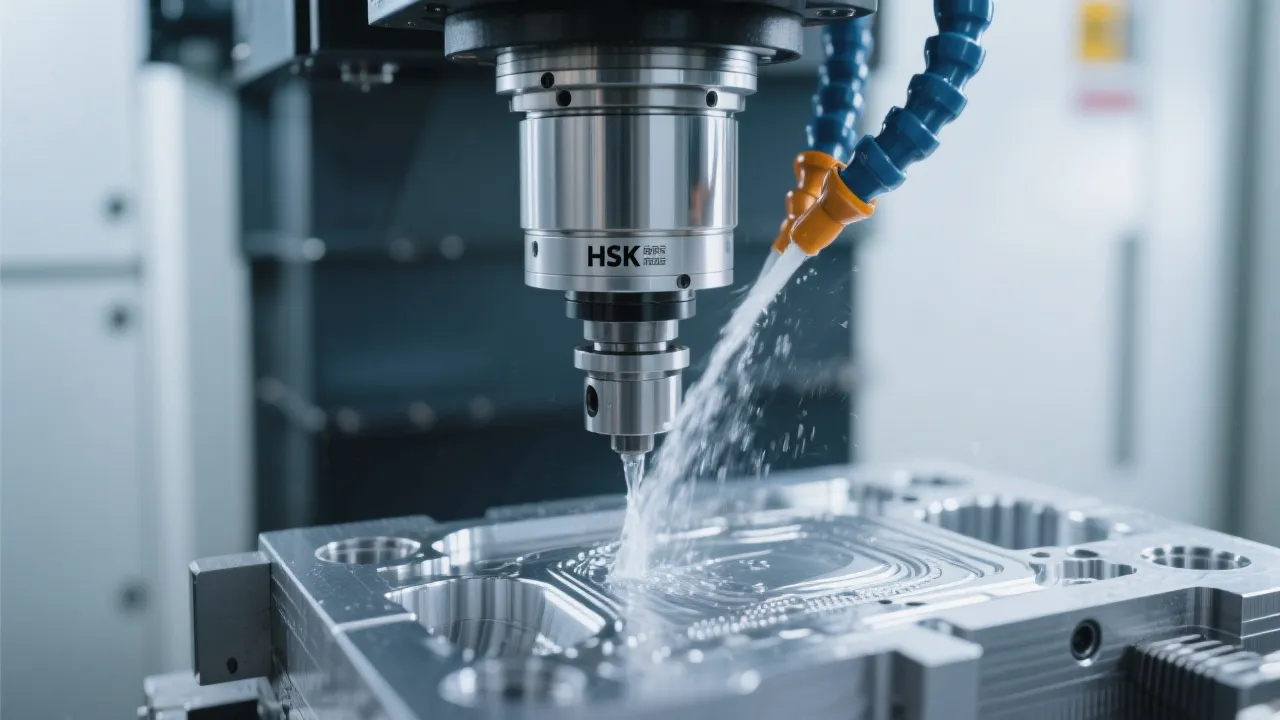
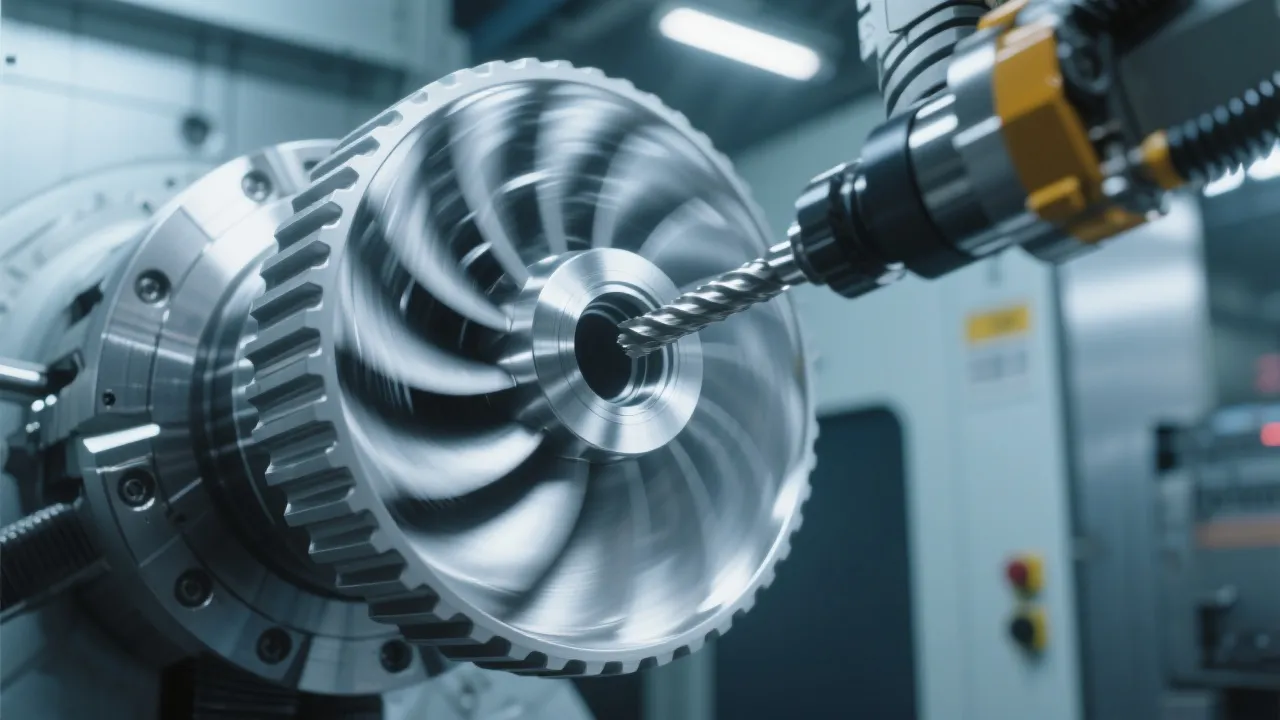
The spindle plays a quintessential role in finishing quality and throughput. Modern high-speed spindles boasting speeds between 12,000 to 30,000 RPM improve surface finishes and enable machining of hard-to-cut materials with greater consistency. Features such as ceramic bearings reduce thermal distortion, ensuring spindle runout remains below 2 μm, critical for micro-machining applications.
Moreover, integrated cooling mechanisms extend spindle life by up to 25%, lowering unplanned downtime and maintenance costs — key concerns for manufacturers engaging in small-lot production where machine availability directly impacts delivery schedules.
Structurally, the dual-column design significantly elevates machine rigidity. Compared to traditional single-column configurations, dual-column machining centers increase lateral stiffness by approximately 40%, markedly reducing deflection during heavy cuts and contributing to tighter tolerances.
This stability is particularly advantageous in aerospace and precision mold manufacturing, where even micron-level deviations can translate into product failure or costly rework. The improved machine response also supports higher acceleration rates — up to 1.2 G, expediting cycle times without sacrificing finish quality.
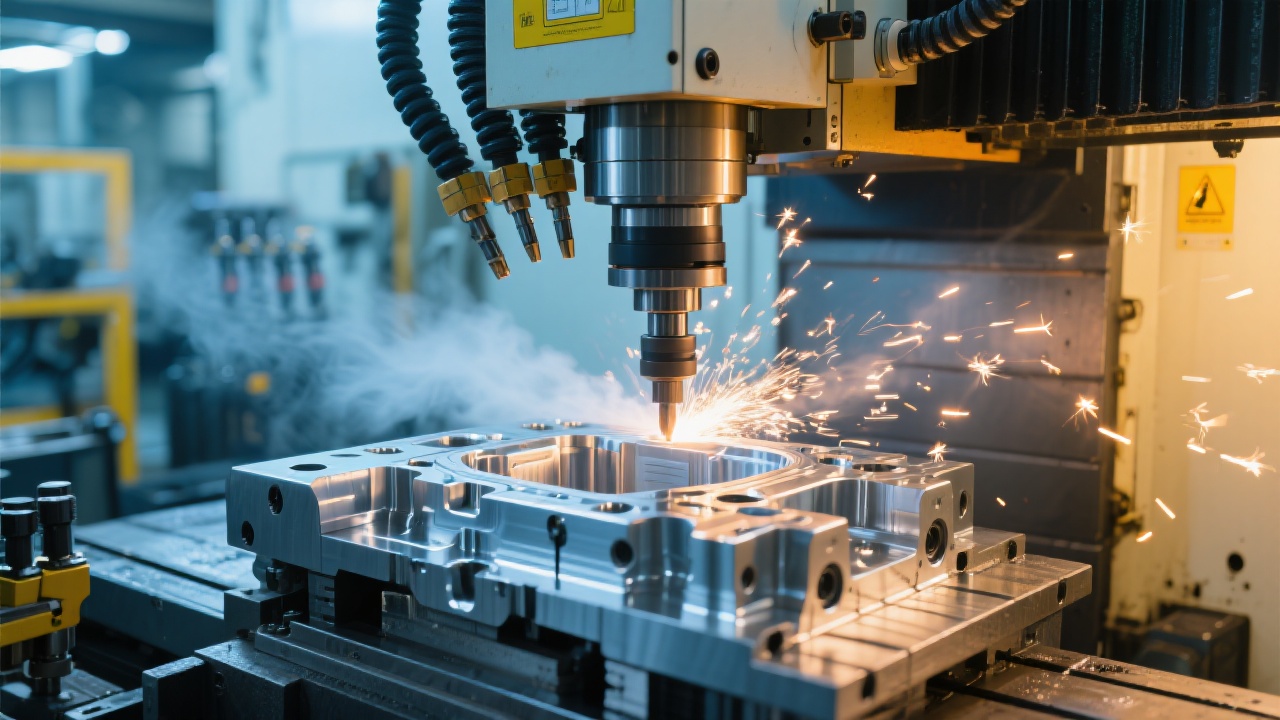
A mid-sized tooling manufacturer reported a 15% increase in throughput and a reduction in part rejection rates by nearly 30% after upgrading to a dual-column high-speed vertical machining center equipped with Fanuc controls and an advanced spindle system.
Their operations benefited from simplified tool changeovers facilitated by Fanuc’s flexible programming and consistent finish quality maintained by thermal-stable spindles. These factors collectively optimized small batch execution, accommodating frequent design adjustments without excessive downtime.
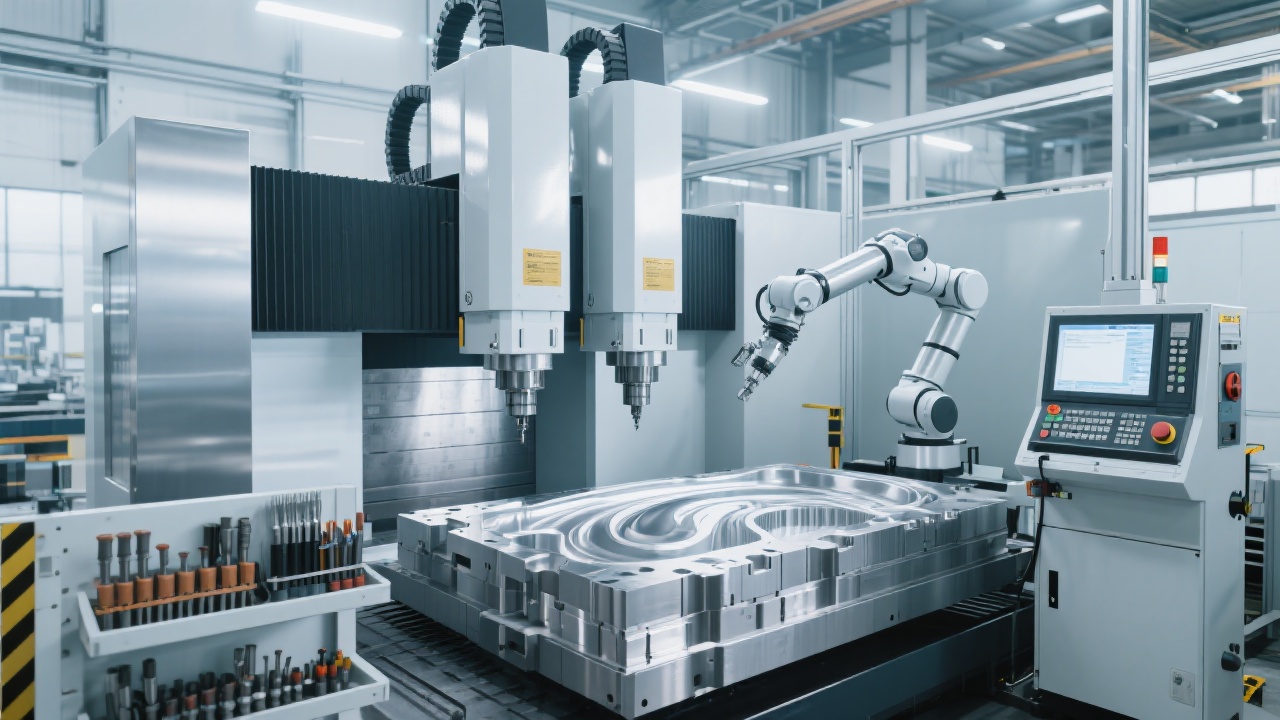
Manufacturers often encounter issues such as chatter during high-speed machining, inconsistent surface finishes, or longer setup times. Addressing these may involve recalibrating Fanuc control parameters, upgrading spindle lubrication systems, or reinforcing machine foundations to absorb vibration.
Proactive maintenance schedules combined with operator training on the control system’s adaptive features substantially reduce these risks. Industry experts advocate for deploying predictive analytics tools to monitor spindle health and control system alerts for early anomaly detection.