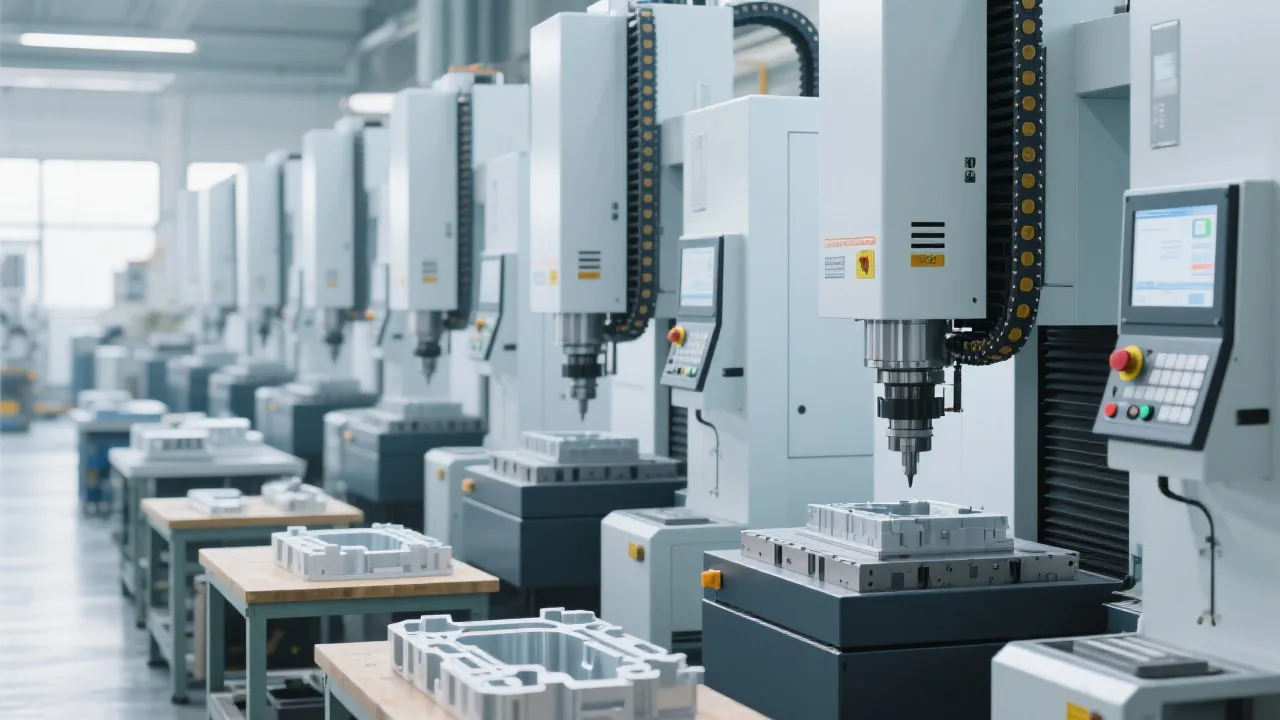
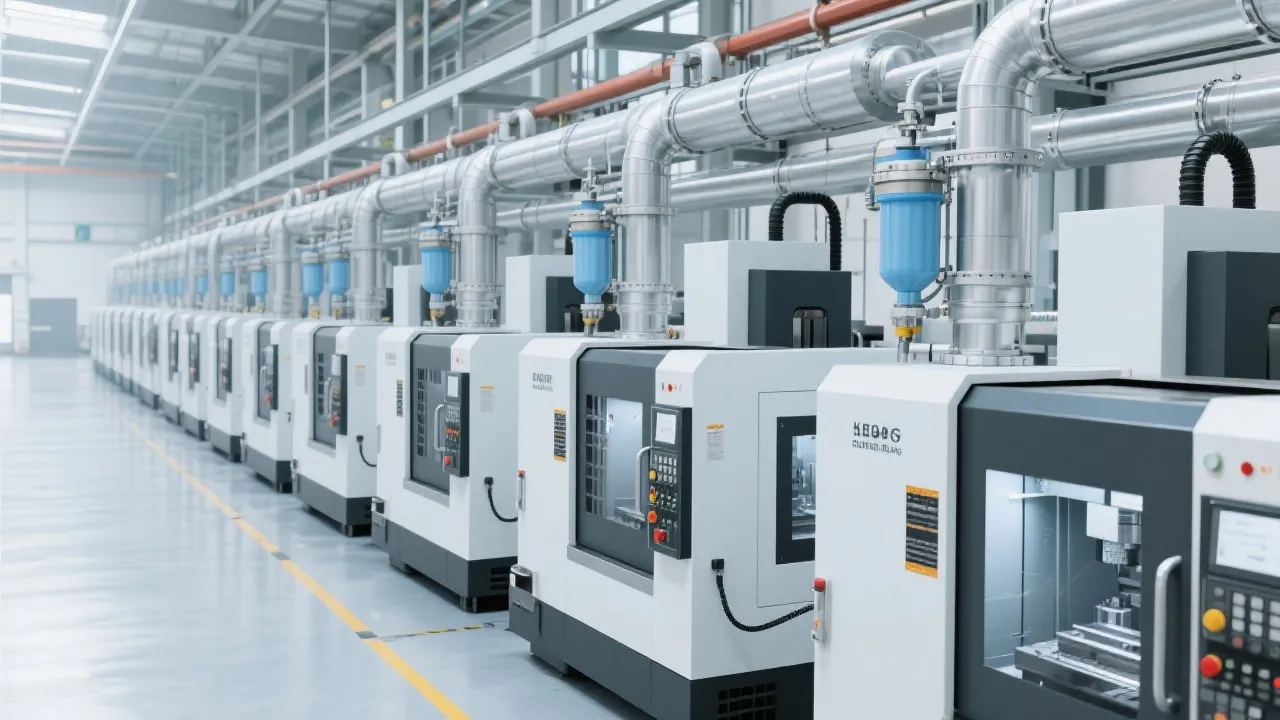
In today’s competitive mold manufacturing landscape, precision, speed, and consistency are no longer optional—they’re the foundation of customer trust and repeat business. At Ningbo Kaibo CNC Machinery Co., Ltd., our GJ8070 high-speed vertical machining center has become a benchmark solution for engineers seeking measurable improvements in both throughput and finish quality.
According to ISO 9001-certified production data from over 40 mold shops using the GJ8070, average cycle times were reduced by 28% when compared to traditional milling setups—without sacrificing dimensional accuracy. This efficiency gain translates directly into higher output per shift and faster time-to-market for plastic injection molds, die-cast tools, and EDM electrodes.
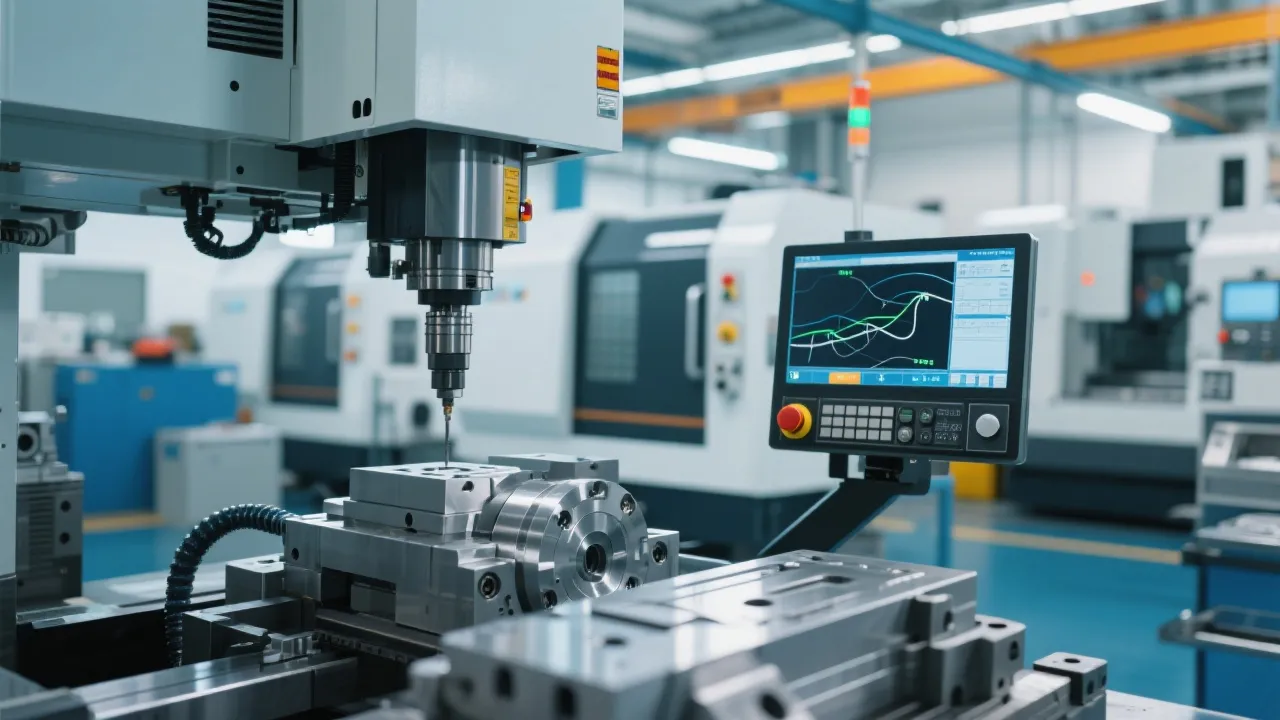
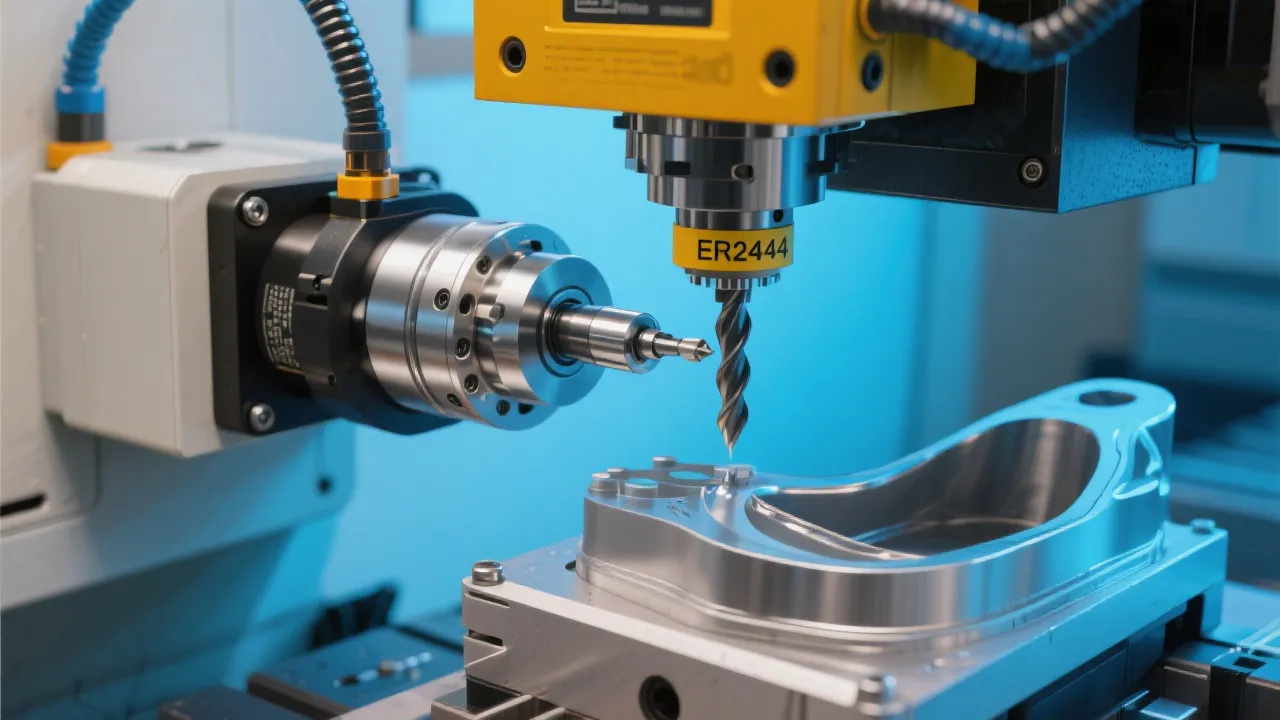
The secret? A rigid machine structure combined with a 24,000 RPM high-speed spindle and Fanuc 31i-B control system. These components work together to minimize thermal drift—a common cause of surface waviness in complex cavities—and maintain consistent tolerances within ±0.005 mm across multiple batches.
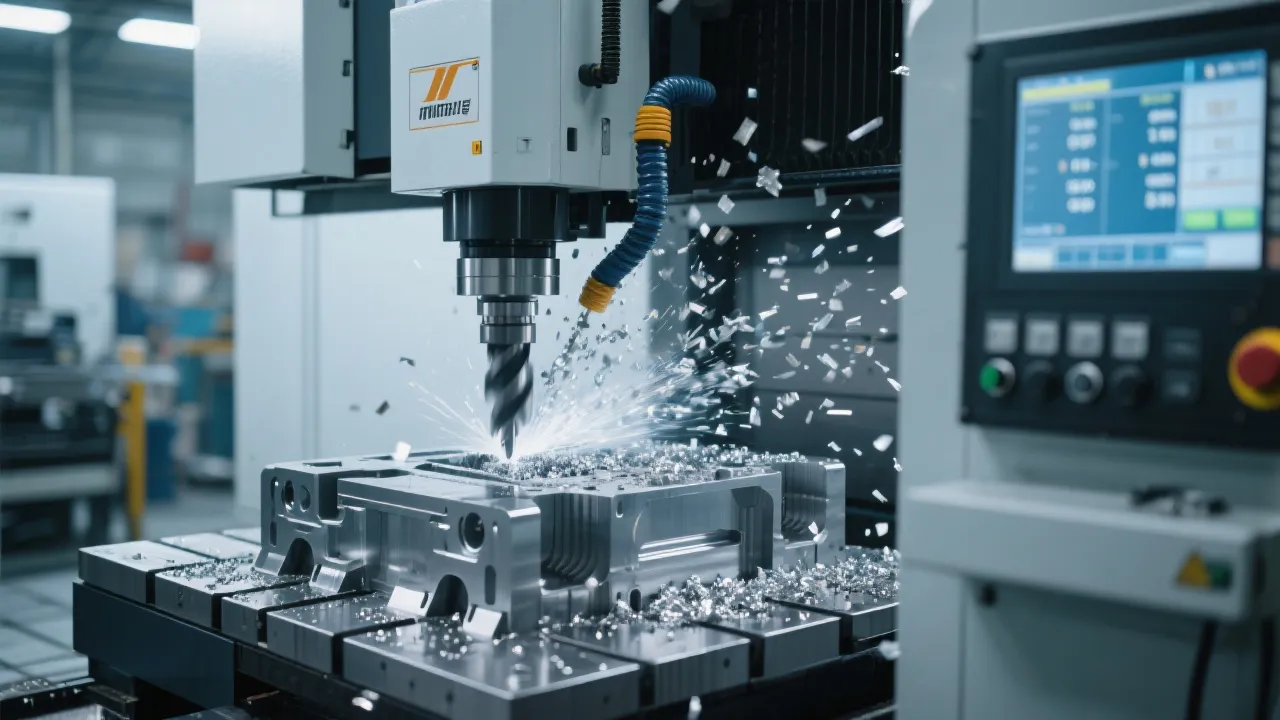
What sets successful users apart is their understanding that optimization starts before the tool even touches the material. Key parameters such as feed rate (optimized at 12–15 m/min for hardened steel), cutting depth (≤0.3 mm for fine finishing), and coolant flow rate (minimum 30 L/min) must be calibrated based on material type and tool geometry.
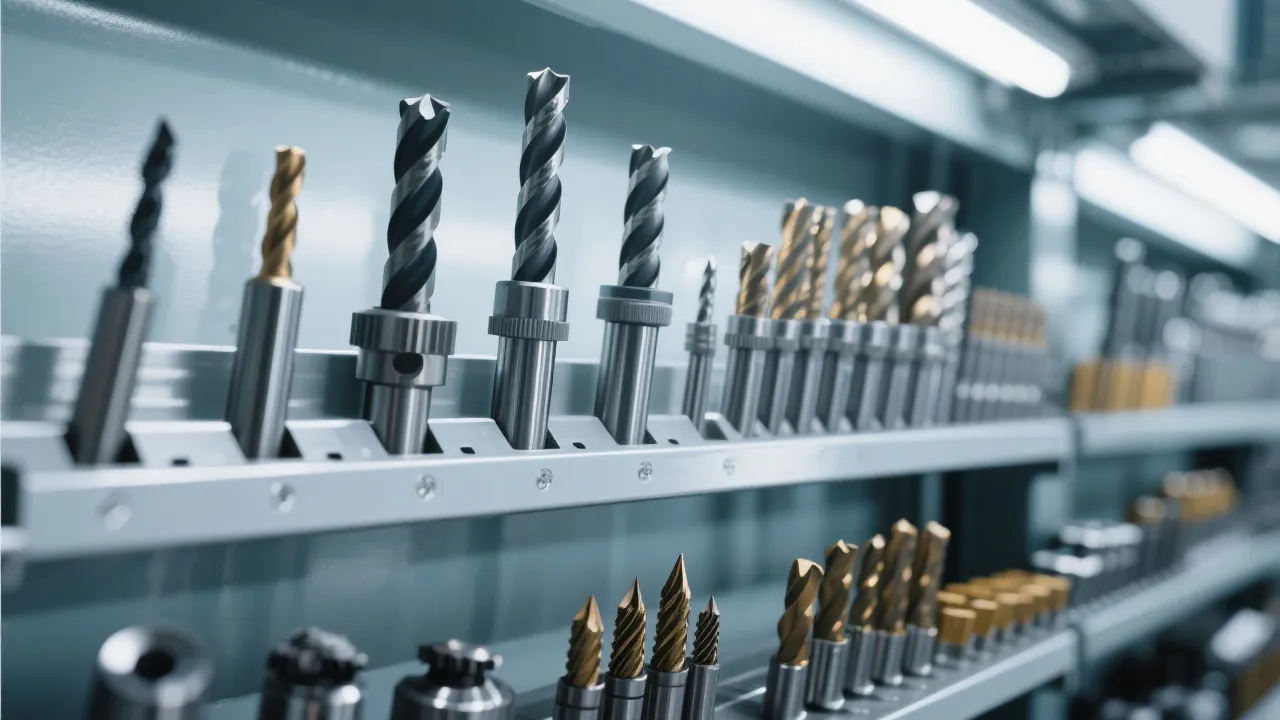
For example, one mid-sized mold manufacturer in Shenzhen reported a 40% reduction in surface roughness (from Ra 3.2 μm to Ra 1.8 μm) after switching from HSS to coated carbide end mills and adjusting the cutting fluid pressure from 5 bar to 8 bar. This change alone extended tool life by 3x while improving part finish consistency across 50+ units per run.
A Tier-2 automotive mold supplier in Germany initially tested the GJ8070 on a single cavity mold for dashboard components. After achieving sub-micron flatness and eliminating rework due to warping, they scaled up to three machines within six months. Their QA team noted that inspection pass rates jumped from 87% to 99.3%—a result directly tied to the machine's vibration damping design and real-time thermal compensation features.
This case illustrates how investing in the right CNC platform isn’t just about buying equipment—it’s about enabling process maturity. It allows engineers to focus less on troubleshooting errors and more on innovation.
Ready to elevate your mold-making capabilities?
Discover how the GJ8070 High-Speed Vertical Machining Center can transform your shop floor performance—engineered for precision, built for productivity.