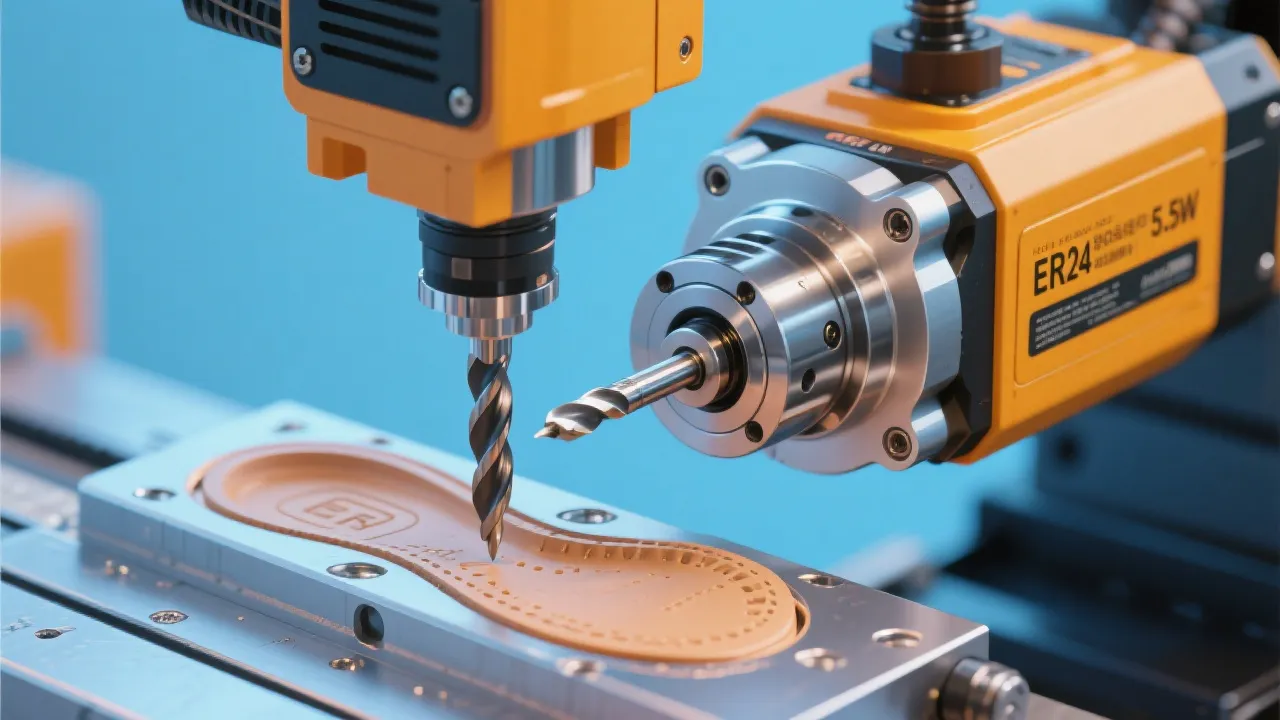
In the realm of mold manufacturing, precision and stability are non - negotiable factors. High - precision molds are essential for industries such as automotive, aerospace, and consumer electronics. For instance, in the automotive industry, a mold with a dimensional accuracy deviation of more than ±0.01mm can lead to assembly issues, affecting the overall quality of the vehicle. Stability is equally important; a machine that vibrates or experiences thermal deformation during the machining process can significantly reduce the surface finish of the mold, increasing the reject rate. According to industry statistics, an unstable machining process can increase the reject rate by up to 20%.
The GJ8070 is equipped with the Fanuc control system, which is renowned for its high - speed processing capabilities and precise motion control. It can execute complex machining programs with a response time of less than 0.1 seconds, ensuring smooth and accurate tool paths. This system also features real - time monitoring and adjustment functions, which can detect and correct any deviations during the machining process.
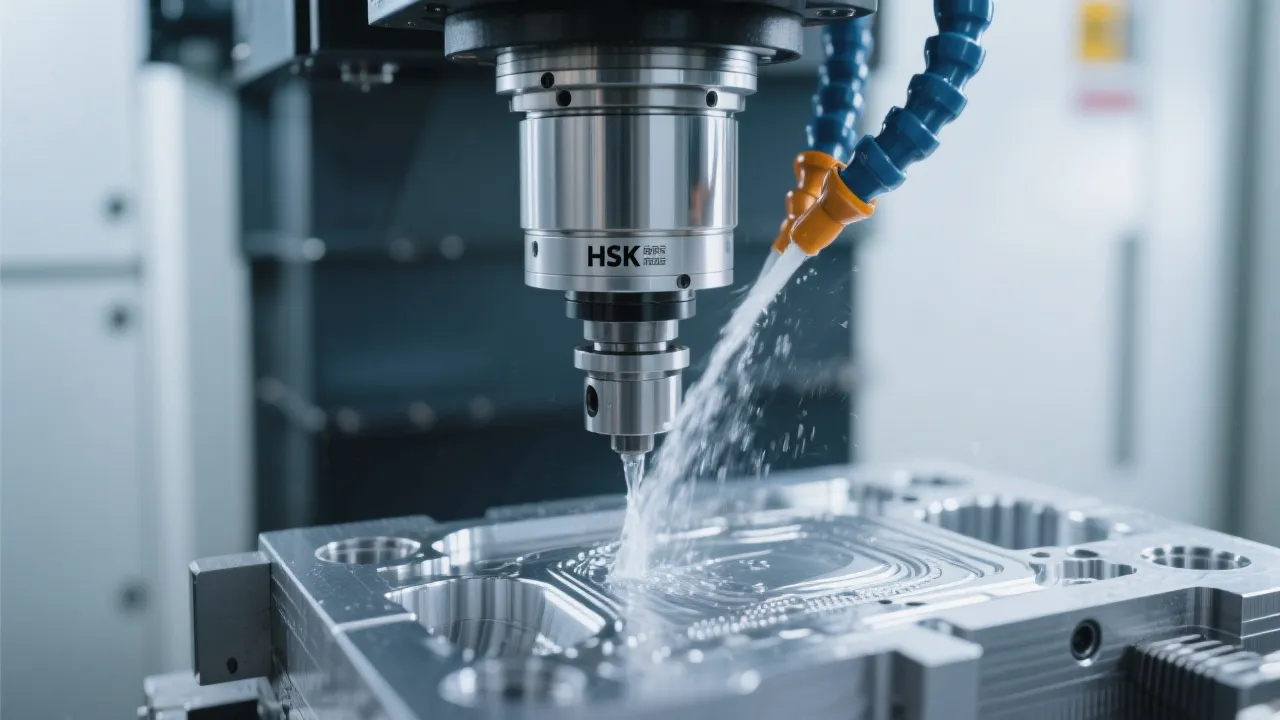
The HSK high - speed spindle in the GJ8070 can reach a maximum speed of 18,000 rpm. This high - speed rotation allows for efficient material removal and better surface finish. The spindle's high torque at low speeds also enables it to handle heavy - duty cutting operations, making it suitable for a wide range of mold materials.
Process parameters such as cutting speed, feed rate, and depth of cut have a direct impact on the surface roughness and geometric tolerance of the mold. For example, a higher cutting speed generally results in a better surface finish, but it may also increase the risk of tool wear. By optimizing these parameters, mold engineers can achieve a balance between surface quality and machining efficiency. Research shows that by adjusting the process parameters, the surface roughness can be reduced from Ra 3.2μm to Ra 0.8μm.
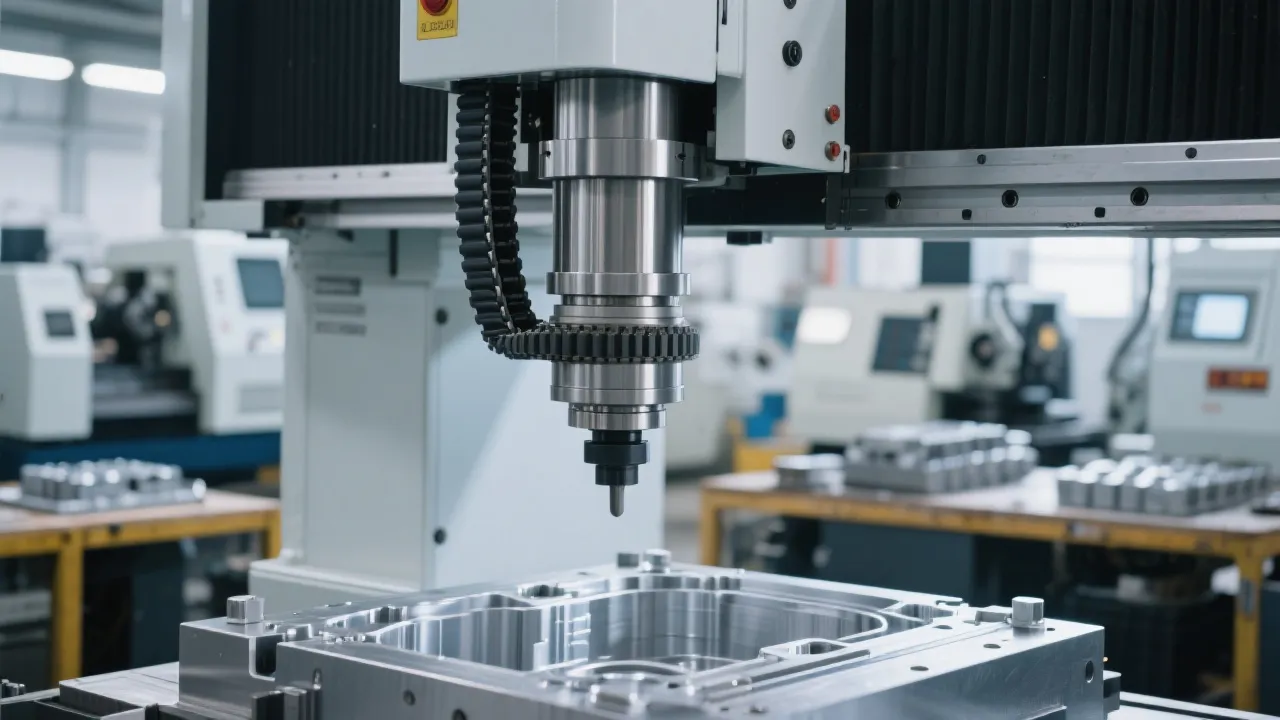
Thermal deformation and vibration are two major factors that affect the stability of machining. The GJ8070 uses advanced cooling systems to control the temperature of the spindle and other key components, reducing thermal deformation to less than ±0.005mm. In addition, vibration - damping materials are used in the machine's structure to suppress vibrations, ensuring a stable machining process.
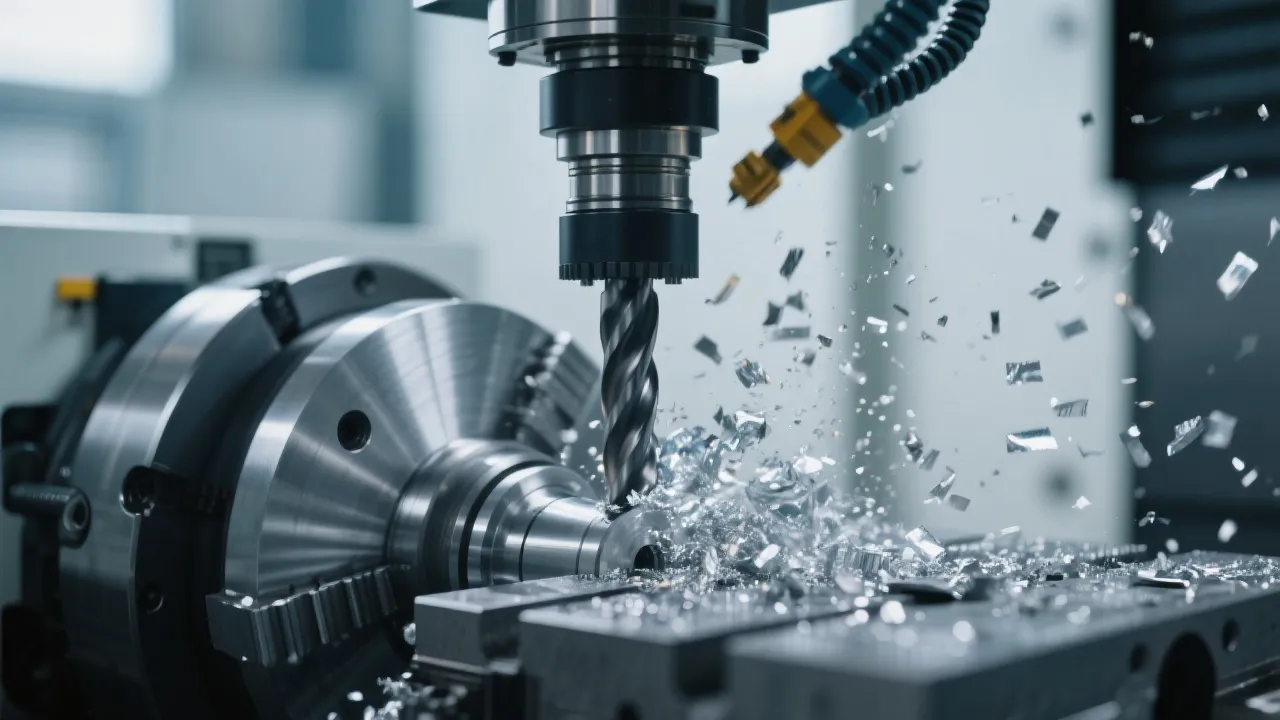
The selection of tool materials and cutting fluids is crucial for mold machining. Different mold materials require different tool materials and cutting fluids. For example, carbide tools are suitable for high - hardness mold materials, while ceramic tools are better for high - speed machining. The right cutting fluid can reduce friction, cool the tool, and flush away chips. By matching the tool material and cutting fluid correctly, the tool life can be extended by up to 30%.
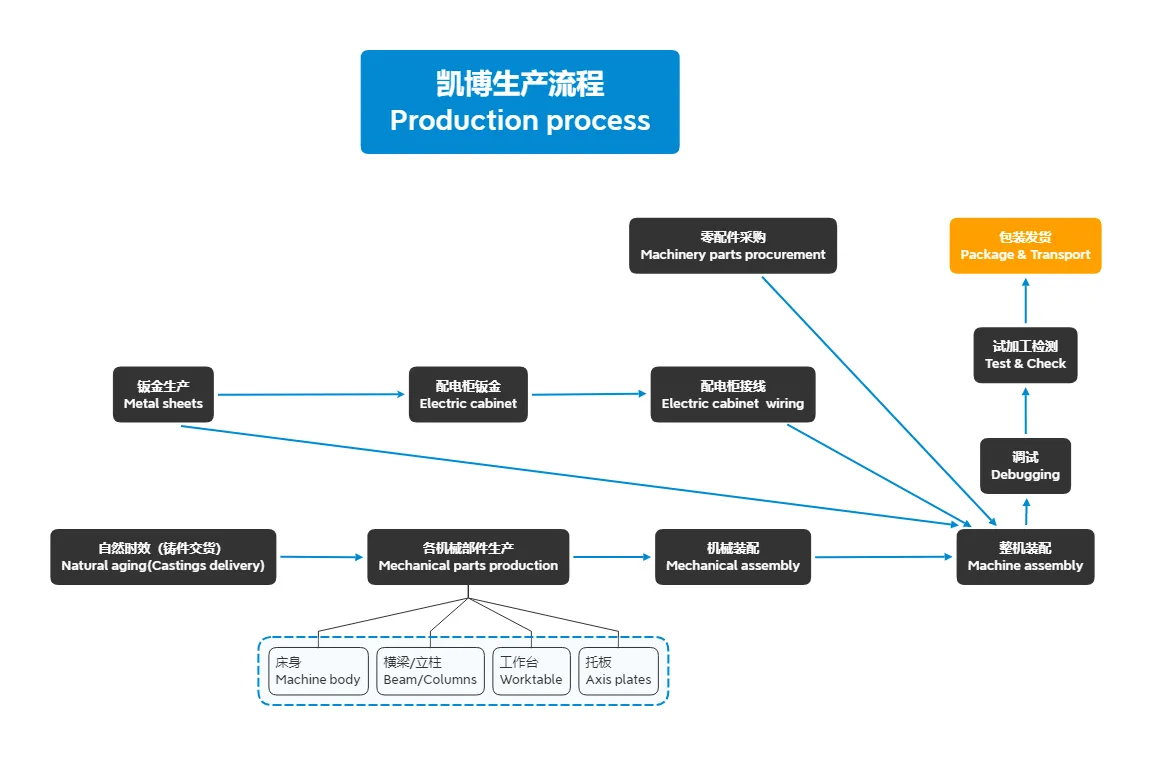
A strict quality control process is essential for batch production. The GJ8070's quality control process includes multiple inspection steps, such as pre - machining inspection, in - process inspection, and post - machining inspection. There are at least 5 inspection steps in the entire process. Dynamic adjustment methods are also used to correct any deviations in real - time, ensuring that each mold in the batch meets the same high - quality standards.
In a real - world application, a mold manufacturing company used the GJ8070 to produce automotive molds. After using the GJ8070, the company reduced the machining time by 30%, decreased the reject rate from 15% to 5%, and improved the surface finish of the molds. One customer said, "The GJ8070 has significantly improved our production efficiency and product quality. It is a game - changer for our business."
Ready to revolutionize your mold manufacturing process? Book a free technical consultation to discover how the GJ8070 high - speed vertical machining center can help you achieve higher precision, efficiency, and quality in your mold production.






 <#else>