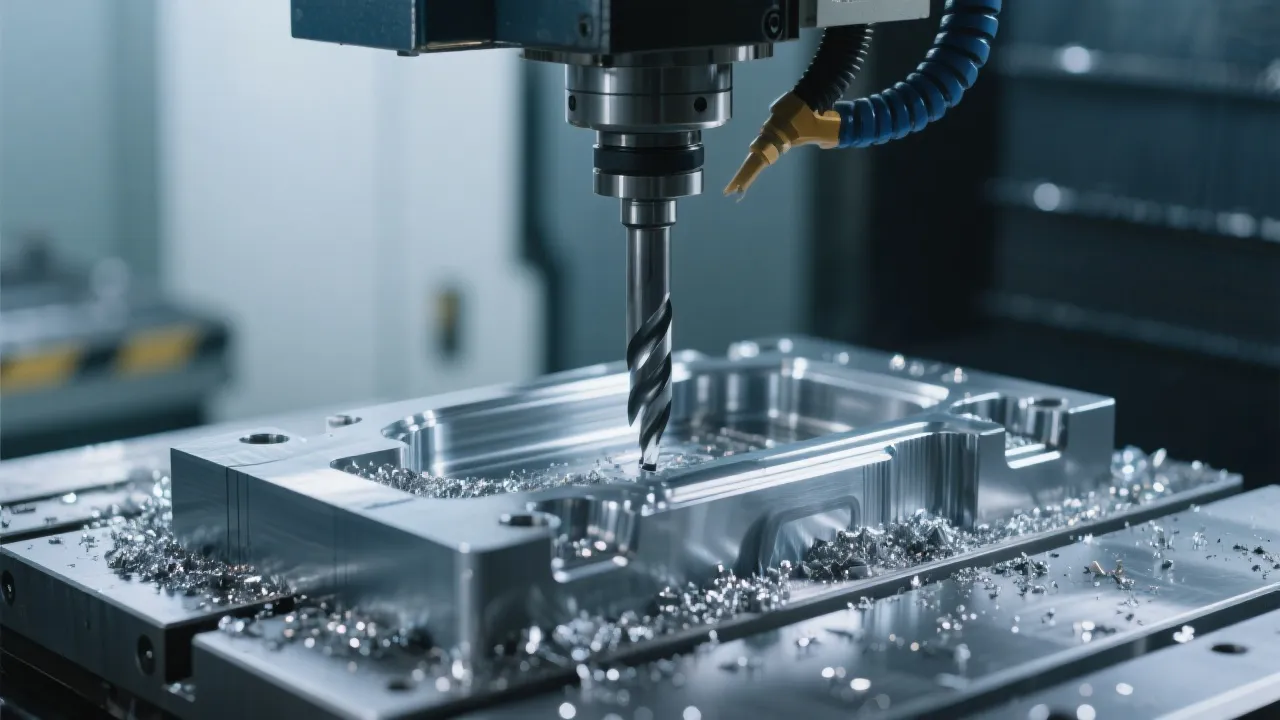
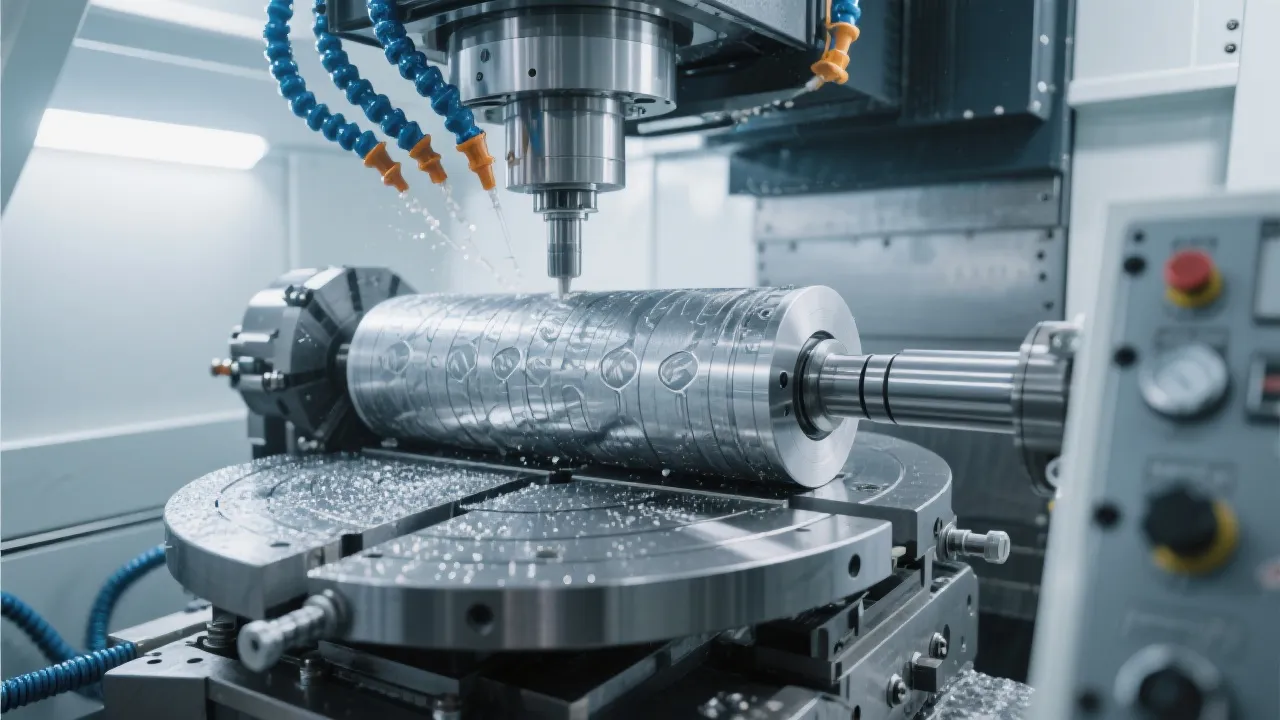
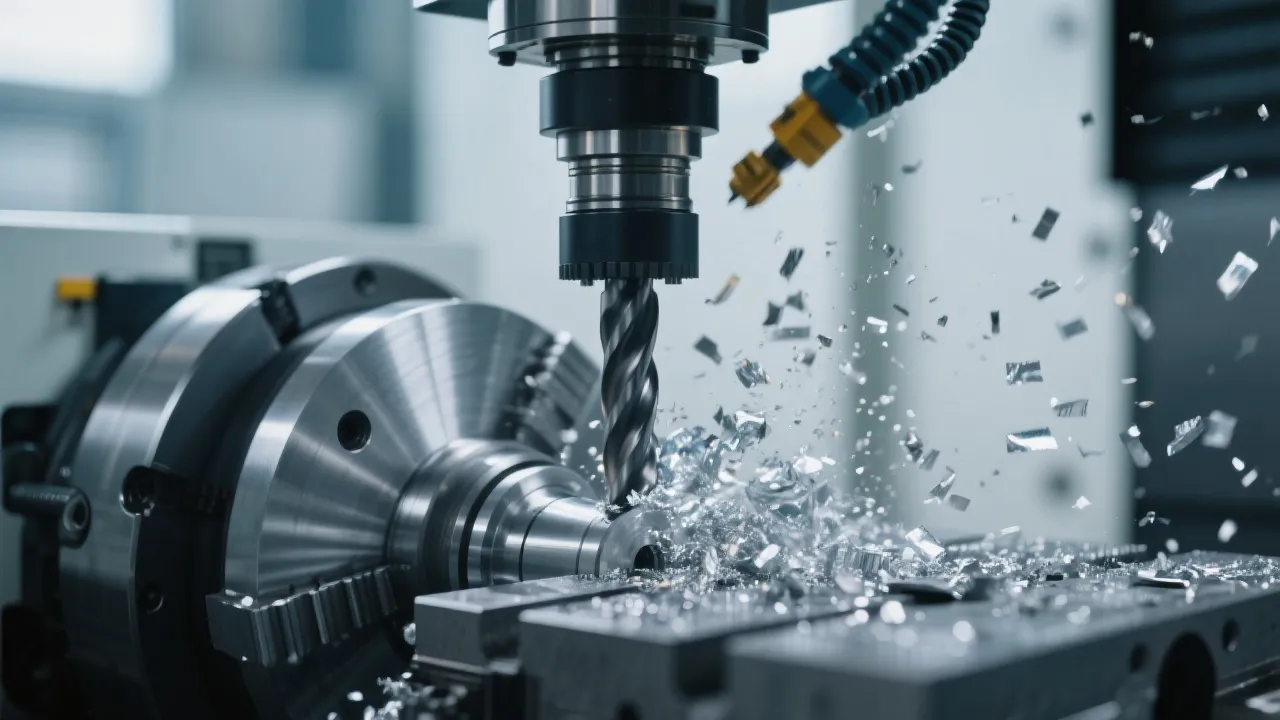
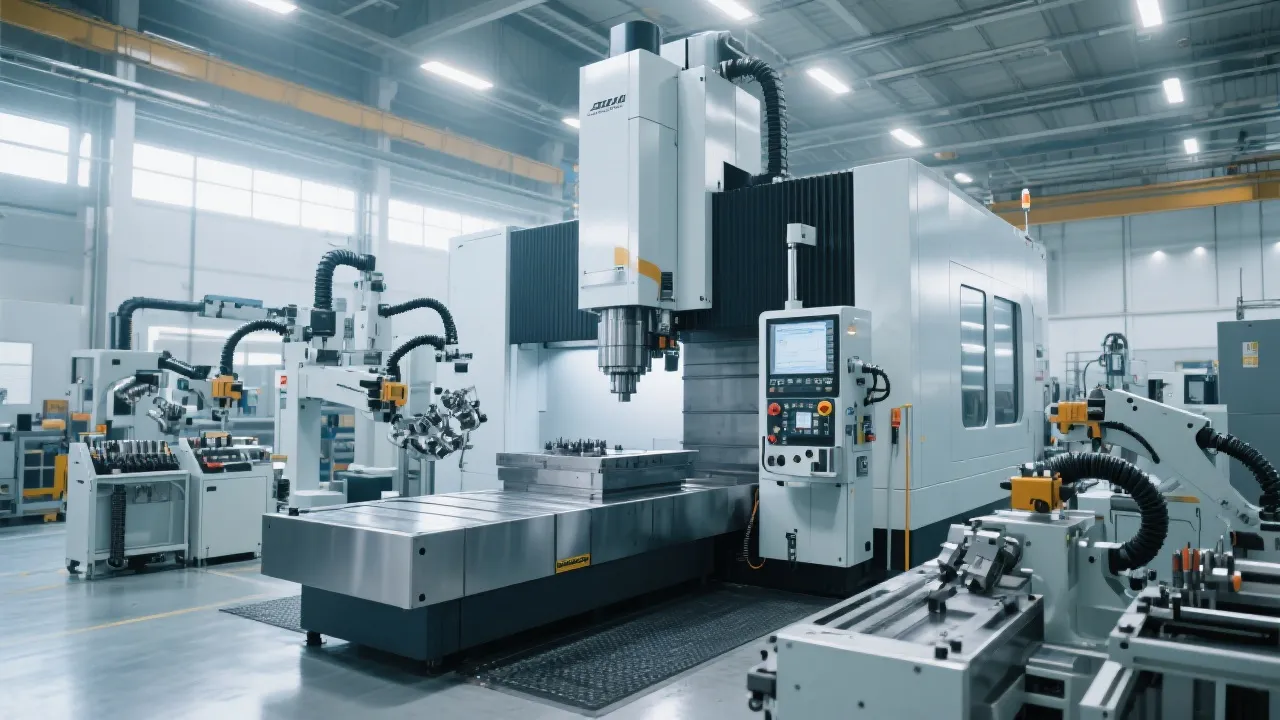
In the mold manufacturing industry, the demand for high precision and stability in processing equipment is extremely high. High-precision high-speed CNC milling machines, especially double-column high-speed vertical machining centers, play a crucial role in this field. This article delves into the key applications of these machines in mold manufacturing, focusing on the balancing strategies among equipment precision, stability, and processing efficiency.
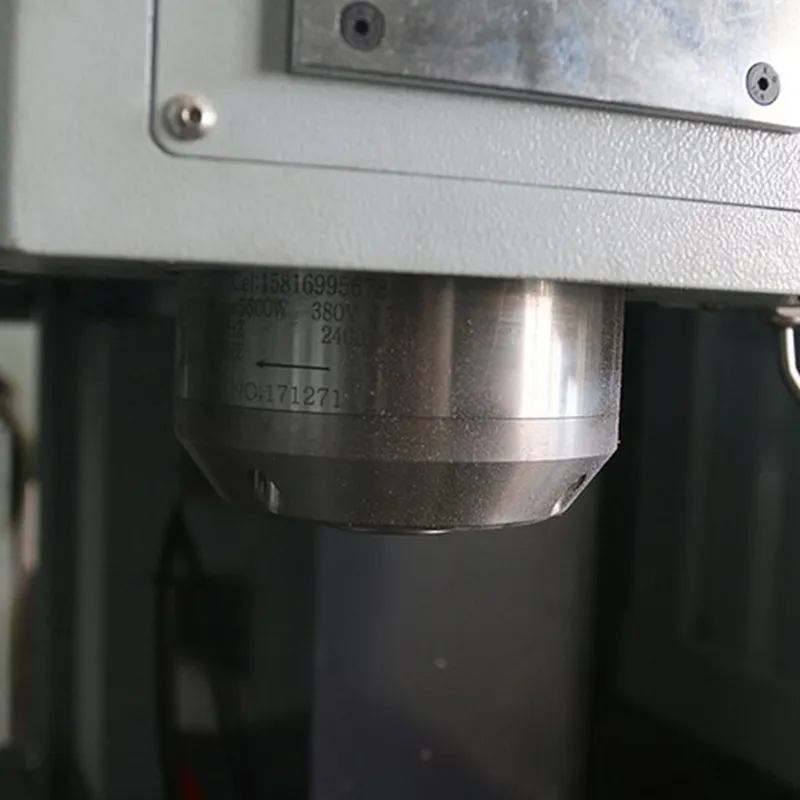
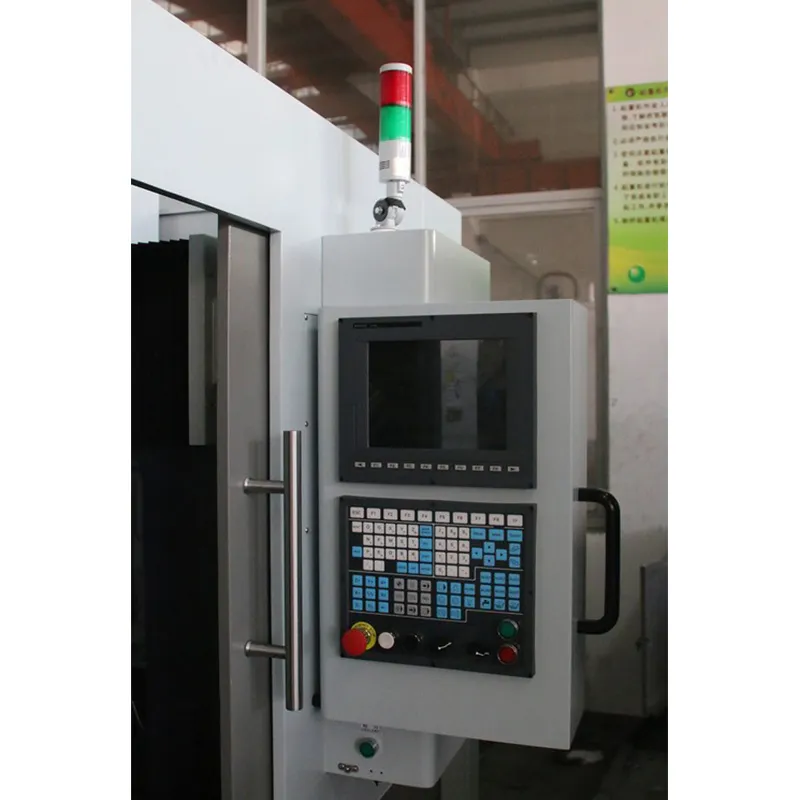
The high-speed spindle and advanced control system are the core components of high-precision high-speed CNC milling machines. For example, the Fanuc control system is renowned for its high reliability and precise control. It can accurately control the movement of the machine tool, ensuring high-precision machining. The HSK high-speed spindle, with a maximum speed of up to 20,000 revolutions per minute, can significantly improve the processing efficiency. In the finishing of molds, these advanced technologies can effectively reduce the surface roughness of the workpiece, improving the overall quality of the mold.
However, factors such as thermal deformation and vibration can have a significant impact on processing quality. Studies have shown that a temperature change of 1°C can cause a thermal deformation of about 0.001mm in the machine tool. Therefore, effective thermal deformation and vibration control measures are essential. By using temperature sensors and active vibration damping systems, the impact of these factors on processing accuracy can be minimized.
The selection of tool materials and cutting fluids is also crucial for process optimization. Different tool materials have different hardness, wear resistance, and heat resistance. For example, carbide tools are suitable for high-speed machining of hard materials, while diamond tools are more suitable for ultra-precision machining. By selecting the appropriate tool material, the processing efficiency and tool life can be improved.
At the same time, the right cutting fluid can reduce friction, cool the tool and workpiece, and prevent chip adhesion. According to statistics, using the appropriate cutting fluid can reduce tool wear by about 30% and improve processing efficiency by about 20%.
To ensure the quality of mold manufacturing, a multi-channel quality inspection process and a quality control system guaranteed by ISO9001 certification are necessary. Through strict inspection at each stage of the process, potential quality problems can be detected and resolved in a timely manner. In addition, reasonable parameter adjustment is also crucial. By adjusting parameters such as cutting speed, feed rate, and depth of cut, the processing quality and efficiency can be optimized.
In conclusion, high-precision high-speed CNC milling machines, especially high-speed vertical machining centers, have significant advantages in mold manufacturing. Through the application of advanced technologies, process optimization, and strict quality control, mold manufacturing engineers can improve processing quality and manufacturing efficiency. If you are looking for high-quality mold manufacturing equipment and services, our products can provide you with excellent performance and reliable after-sales service. Click here to learn more about our high-speed vertical machining centers!