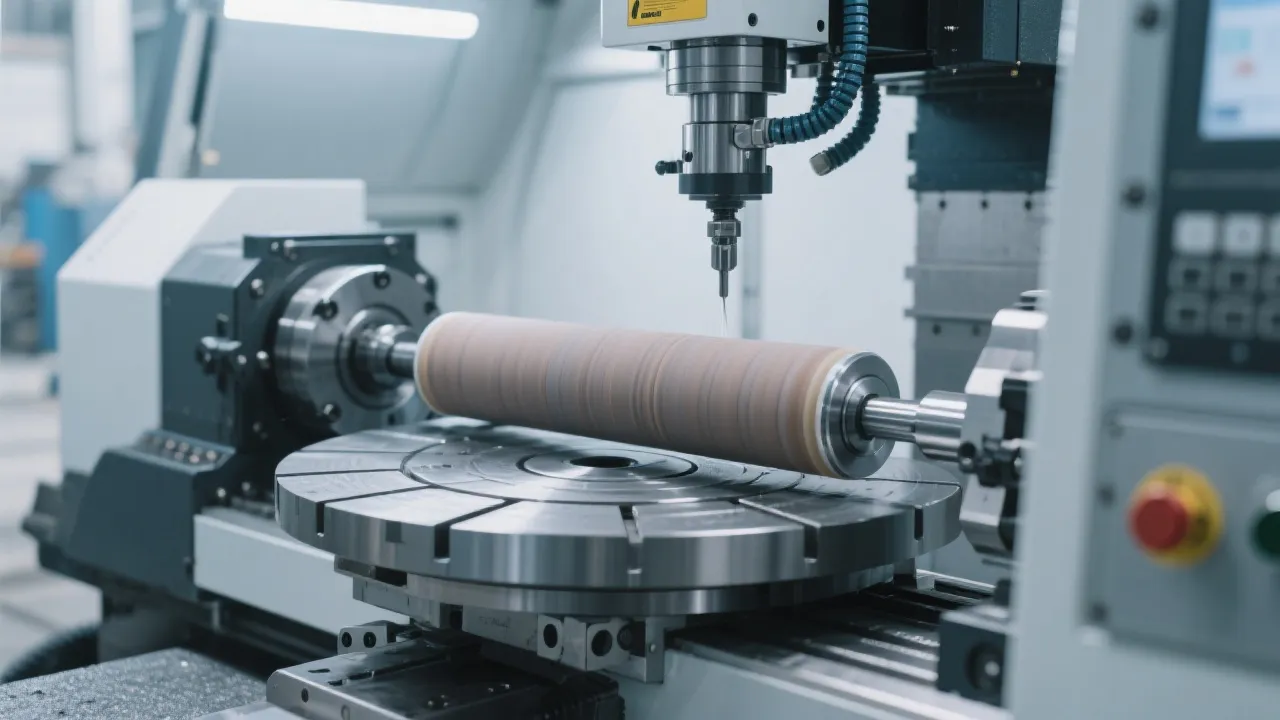
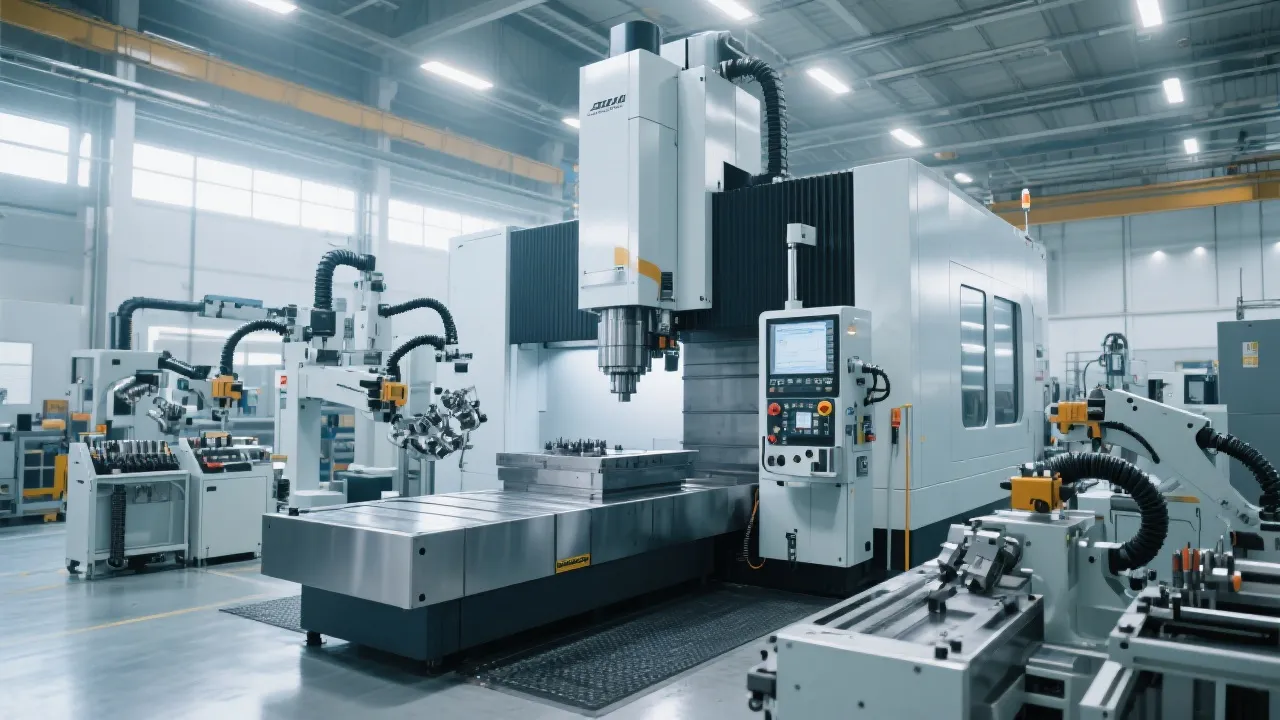
In the increasingly competitive mold manufacturing sector, achieving superior precision and surface finish hinges on optimizing machine tool capabilities and processing parameters. High-speed vertical machining centers, such as the dual-column GJ8070, stand at the forefront of this evolution, delivering enhanced accuracy and stability for complex mold geometries. This tutorial offers a deep dive into parameter settings, thermal deformation mitigation, and vibration suppression techniques that drive process excellence, supported by practical case insights specifically tailored for mold engineers and technical managers.
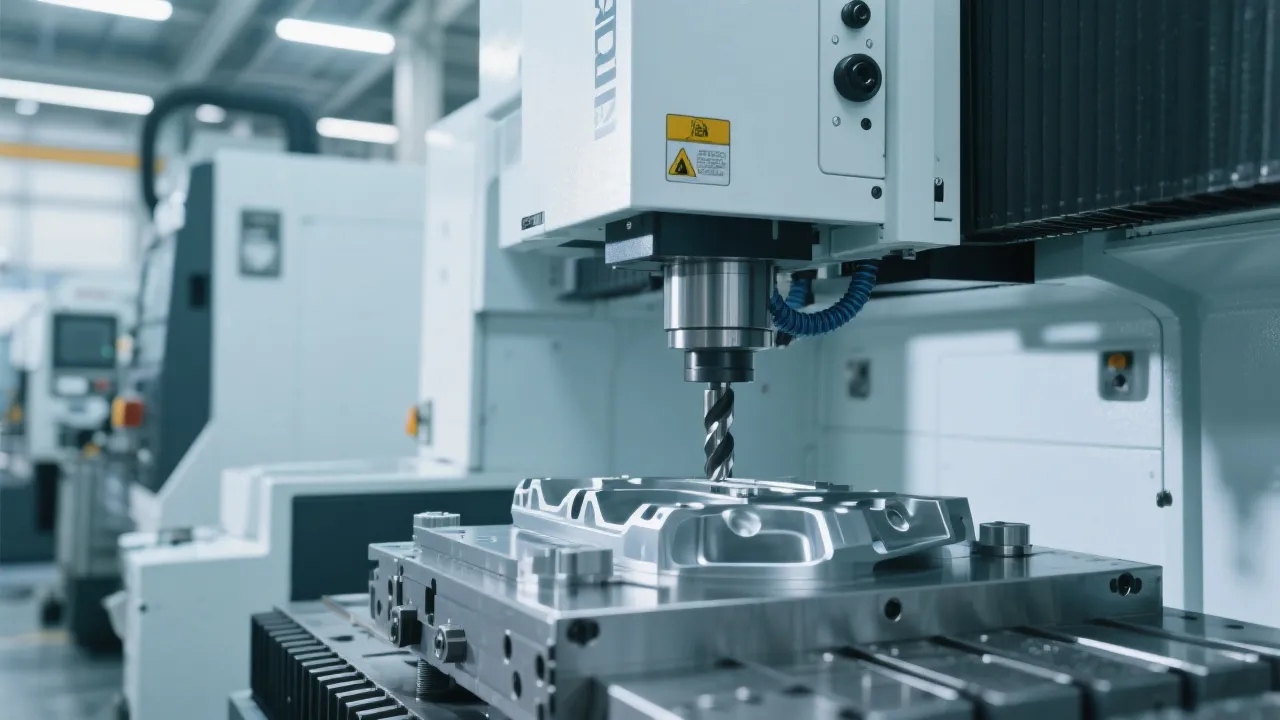
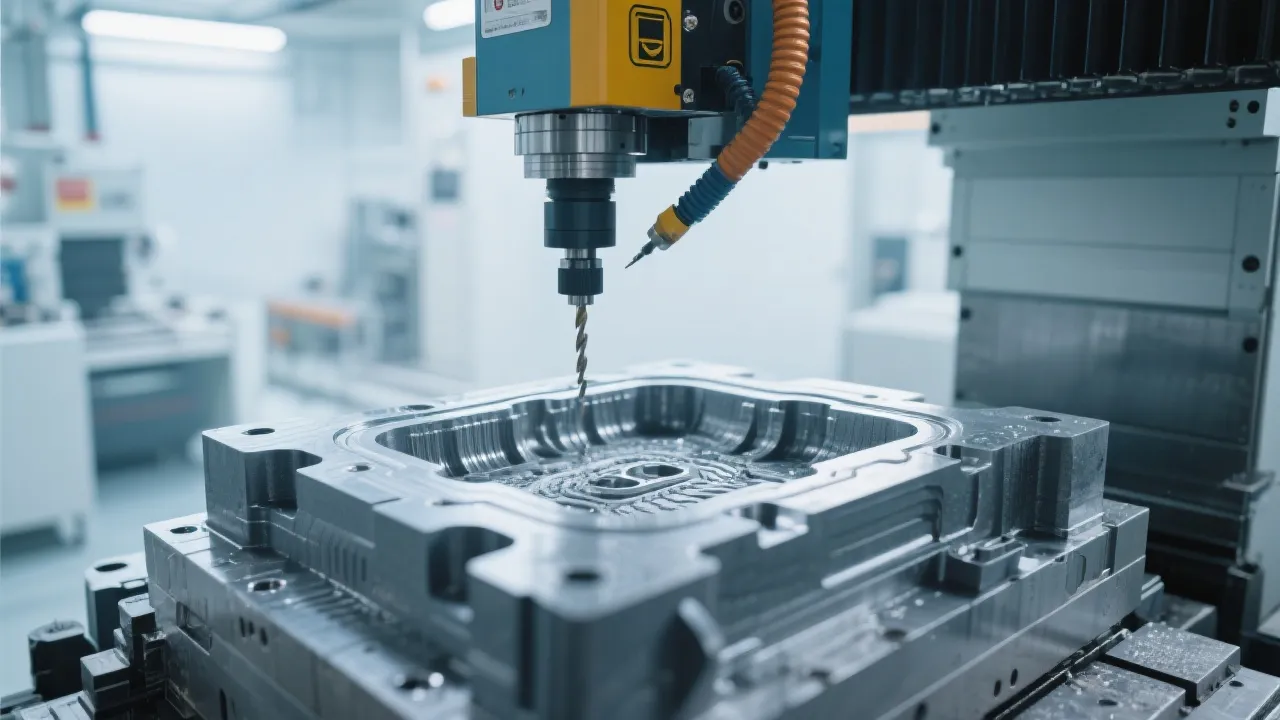
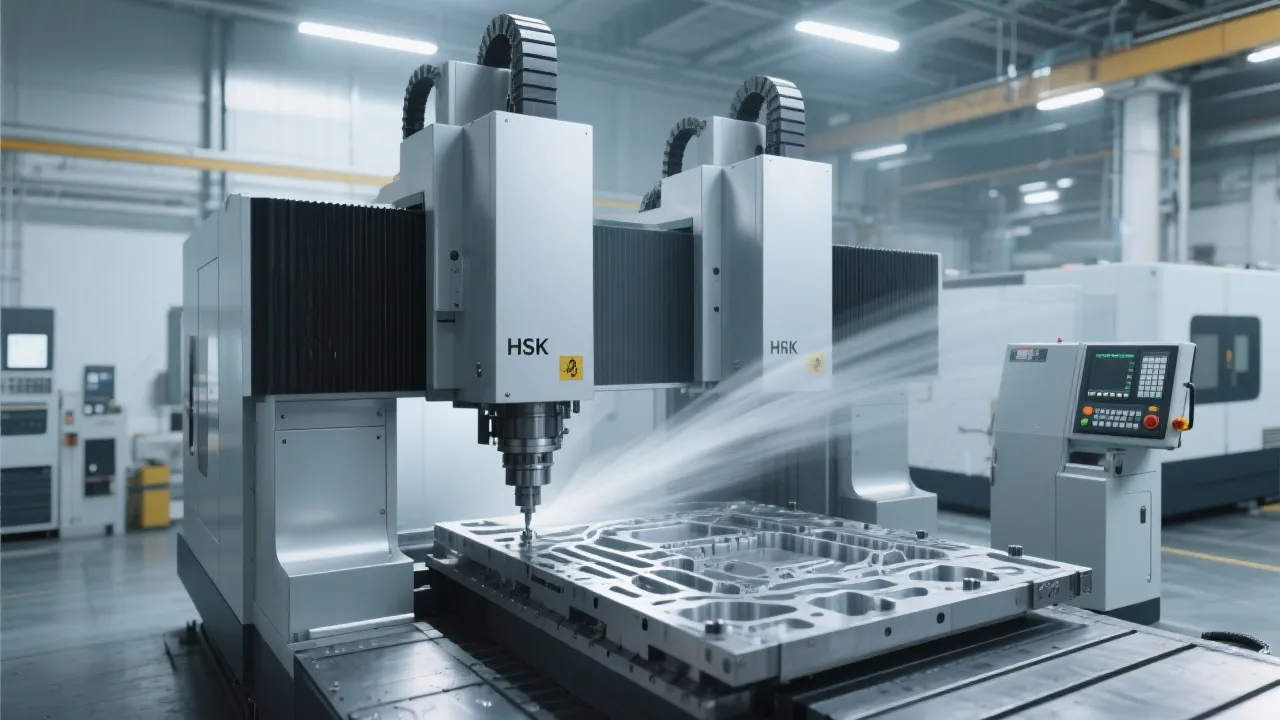
Mold production involves intricate machining operations demanding tight dimensional tolerances, often within ±0.01 mm, and superior surface integrity. High-precision CNC milling machines are indispensable to meet these standards, reducing rework rates by at least 30% and enabling cycle time reductions up to 20%. Among the available equipment, the dual-column high-speed vertical machining center GJ8070 integrates Fanuc CNC controls with an HSK high-speed spindle, offering rapid acceleration up to 30 m/min and spindle speeds exceeding 20,000 RPM, empowering mold makers to navigate complex tasks efficiently.
Selecting optimal cutting parameters directly impacts tool life, surface finish, and thermal stability. Recommended parameters for steel mold components processed on the GJ8070 include:
These parameters balance machining aggressiveness with controlled thermal input, minimizing distortion risks and maintaining dimensional integrity.
Thermal expansion remains a primary cause of machining inaccuracies. The GJ8070’s robust dual-column frame features enhanced rigidity and thermal compensation through real-time temperature monitoring sensors, enabling adjustments that limit geometric deviations to less than 5 microns during prolonged operations. Complementary strategies include:
Vibration and chatter can degrade surface finish and tool longevity. The GJ8070 utilizes an active damping system integrated into its spindle housing, reducing vibration amplitudes by up to 40%. Engineering best practices recommend:
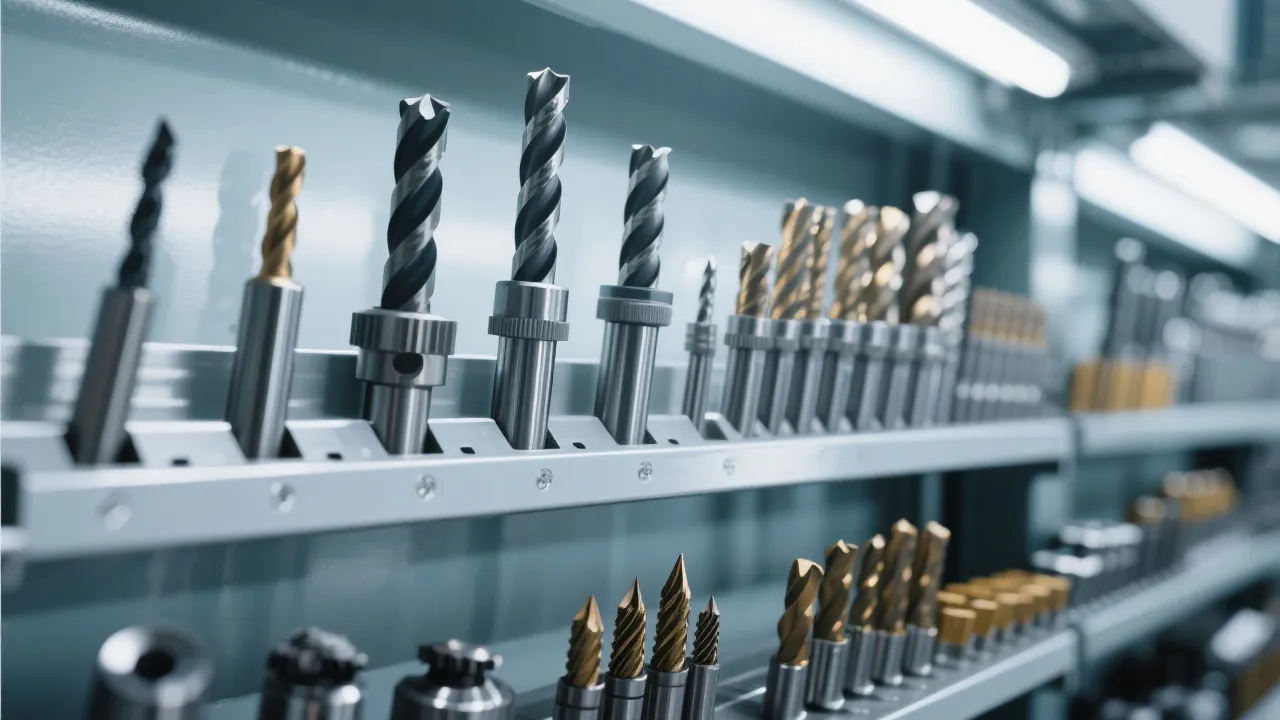
Matching cutting tool materials and cutting fluids with machine capabilities is crucial. Advanced coatings such as TiAlN and DLC extend tool life by over 50%, while synthetic esters or semi-synthetic coolants provide superior lubrication and chip evacuation, enhancing surface finishes and reducing thermal impact on molds.
“A comprehensive approach combining high-performance machine design, precise process parameters, and cutting tool chemistry lays the foundation for sustainable mold manufacturing excellence.”
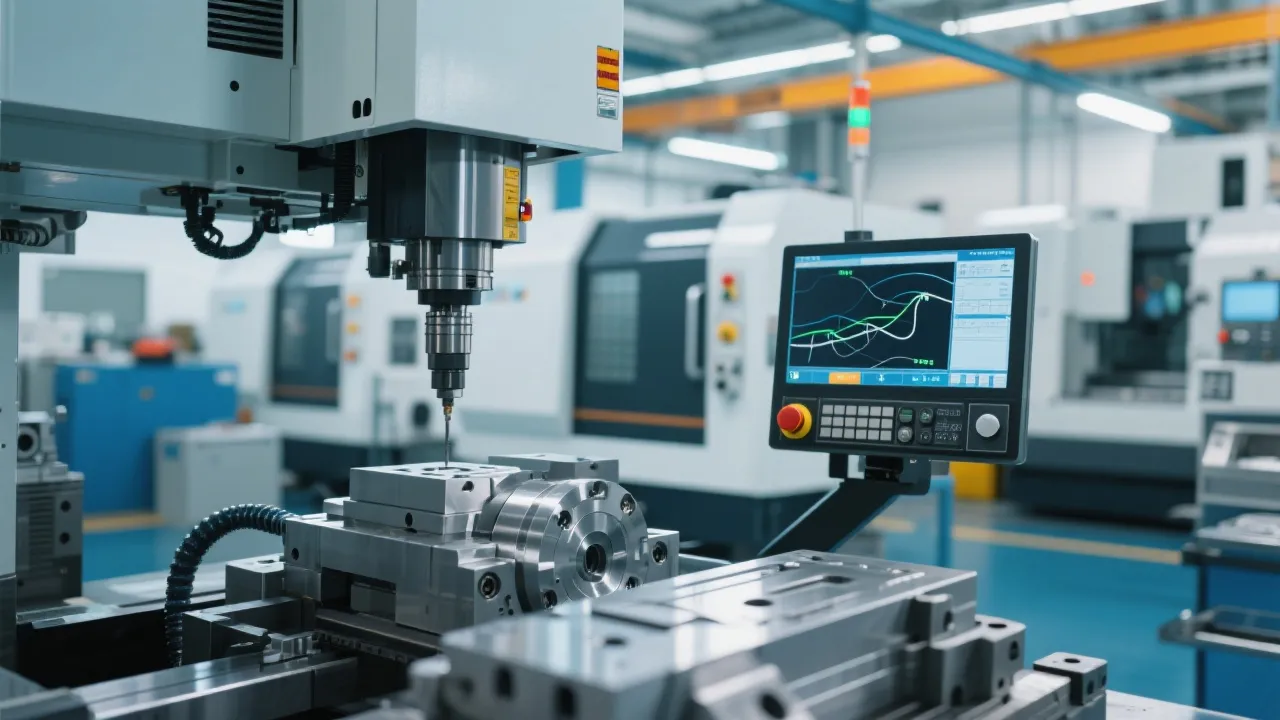
Continuous monitoring of dimensional variation using laser displacement sensors and surface roughness gauges allows for in-process adjustments. Implementing feedback loops to modulate spindle speed or feed rate in real time can reduce rejections by up to 25%. Practical example:
These process refinements contribute to consistently achieving surface roughness values below Ra 0.4 µm and dimensional tolerances within ±0.005 mm.
A leading mold manufacturer implemented the GJ8070 with customized parameter protocols, resulting in a 15% uplift in throughput and 20% reduction in tool wear compared to legacy equipment. Their adoption of advanced thermal compensation and vibration controls drastically reduced batch variability, enabling the production of critical aerospace mold components with uniform quality.



 <#else>