
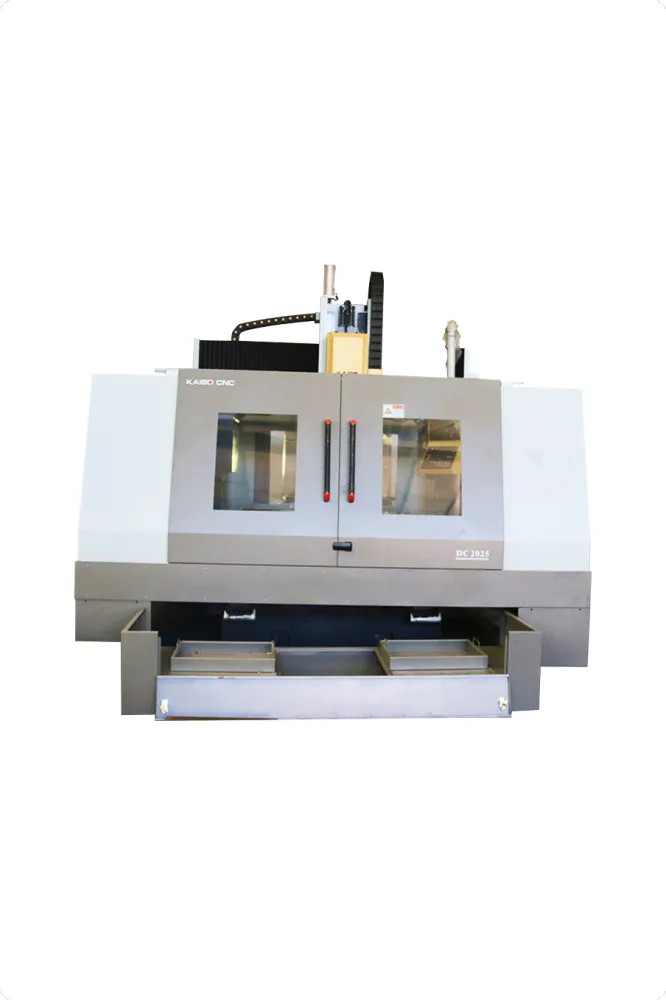
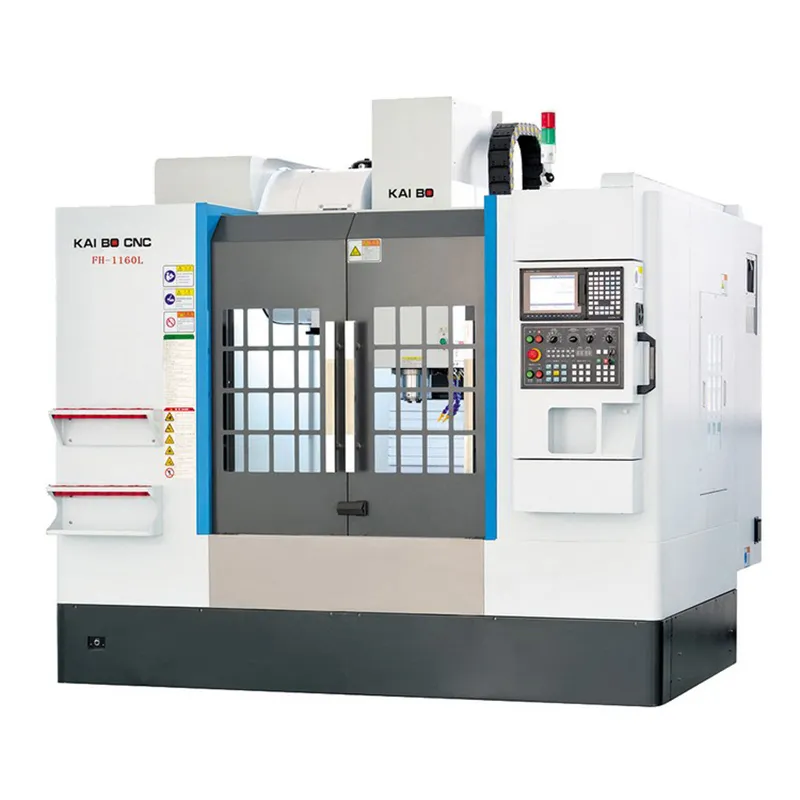
Efficient pressure management within the hydraulic system is pivotal to maintaining the operational stability of the DC1317 CNC milling machine by Ningbo Kaibo CNC Machinery Co., Ltd. This system directly influences clamping, tool changes, and coolant delivery, with recommended operating pressures typically ranging between 15 to 25 MPa. Deviations beyond ±10% of this threshold may indicate leaks, pump wear, or valve malfunction, which, if untreated, shorten the machine lifespan by up to 20%.
Key parameters for monitoring include system pressure, response time, and pressure fluctuations under varying loads. Maintaining stable pressure ensures efficient actuator performance, reduces vibration, and minimizes mechanical wear. Real-time pressure sensors and automated alerts facilitate early fault detection, streamlining maintenance workflows.
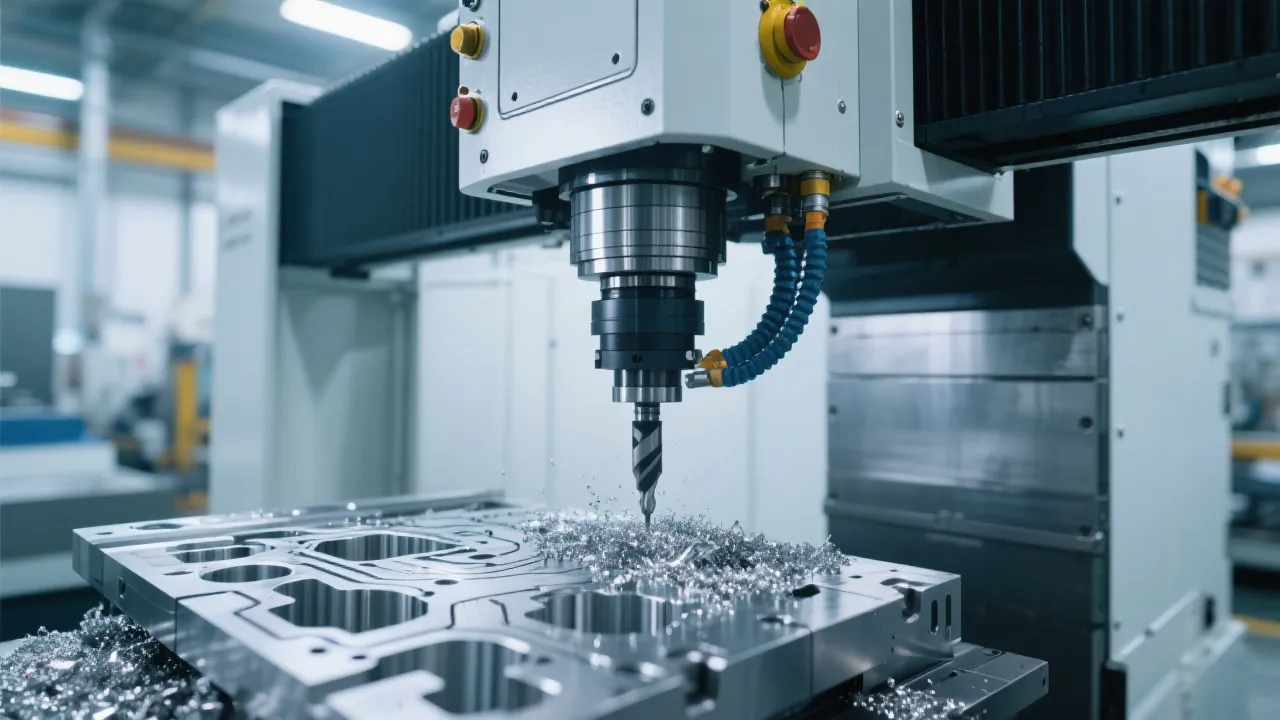
The spindle temperature is a critical factor impacting machining precision and tool longevity. The DC1317’s spindle should operate within ambient + 30°C under continuous load to avoid thermal expansion that compromises tolerances. Temperature monitoring commonly employs embedded thermocouples and infrared sensors enabling prompt corrective measures.
Rapid increases in spindle temperature—greater than 5°C per minute—signal lubrication failure or bearing wear. Continuous integration of temperature data with CNC controls enables automated spindle speed reductions or emergency stops, averting catastrophic damage.
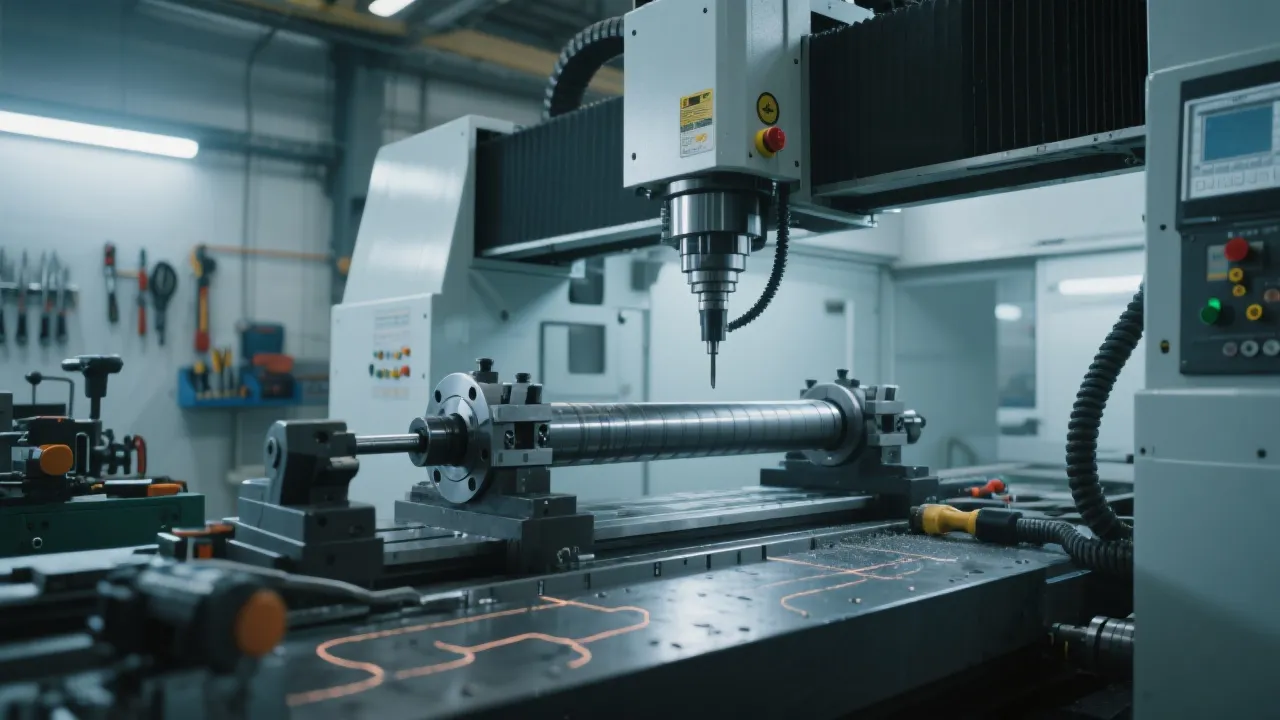
Regular maintenance tasks are designed to uphold both reliability and precision. Performing timely guideway lubrication prevents friction-induced wear, while precise monitoring of ball screw backlash within tolerances under 0.02 mm maintains positional accuracy. Technicians should adhere to a biweekly inspection schedule documented with digital checklists.
Common symptoms such as positioning errors, unusual vibrations, or alarm codes are often linked to hydraulic pressure drops or spindle overheating. A structured diagnostic flowchart improves fault isolation efficiency:
The DC1317’s double-column architecture supports prolonged heavy-duty milling but requires tailored maintenance strategies. Continuous high-load conditions raise challenges such as heat accumulation and structural stress. Temperature stabilization mechanisms and periodic structural integrity checks every 500 operational hours are recommended.
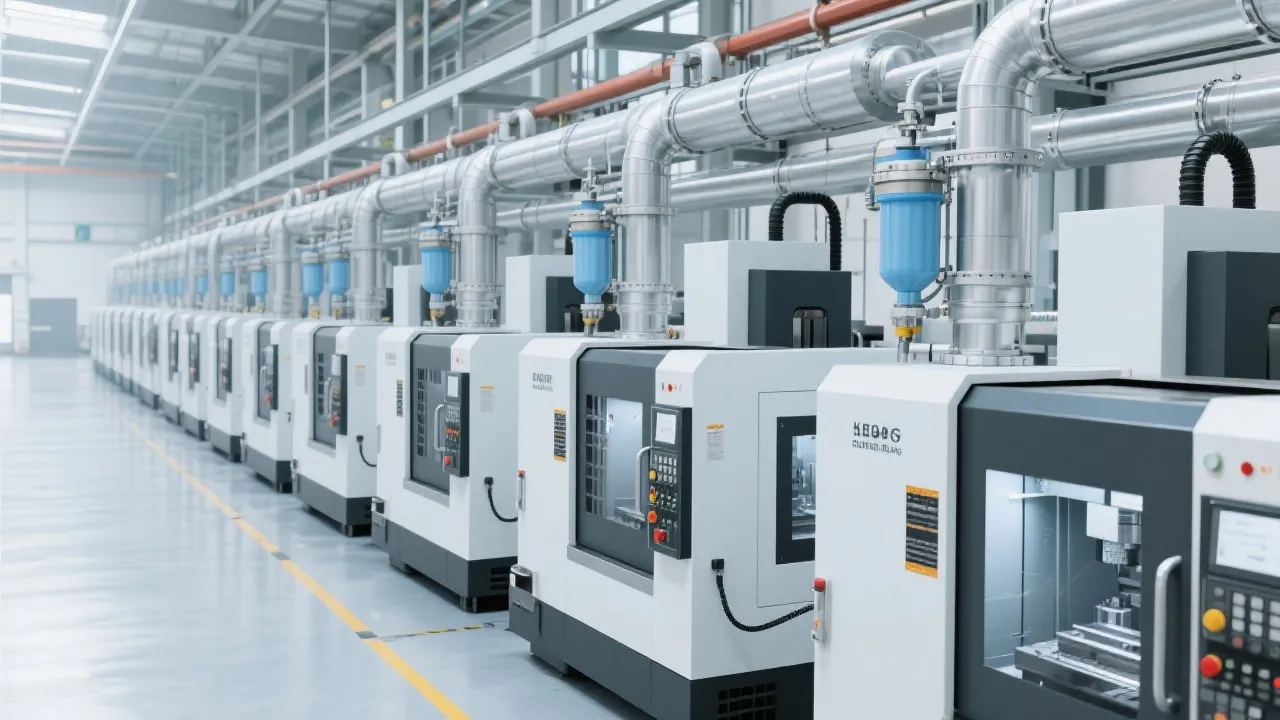
Institutionalizing standard operating procedures reduces variability in machine upkeep and optimizes uptime. Essential practices include data logging, routine calibration, and operator training revolving around hydraulic and spindle metrics. This systematic approach boosts equipment availability by up to 15% annually.
Beyond product excellence, Ningbo Kaibo CNC Machinery distinguishes itself by offering integrated after-sales support and technical training. These services empower users with diagnostic know-how and best maintenance practices, directly impacting the longevity and performance of the DC1317.
Kaibo’s dedicated technical team provides remote troubleshooting and regular on-site audits, ensuring hydraulic and spindle management measures are effectively implemented. Customized training modules equip operator teams to preemptively identify and resolve potential issues.





 <#else>





