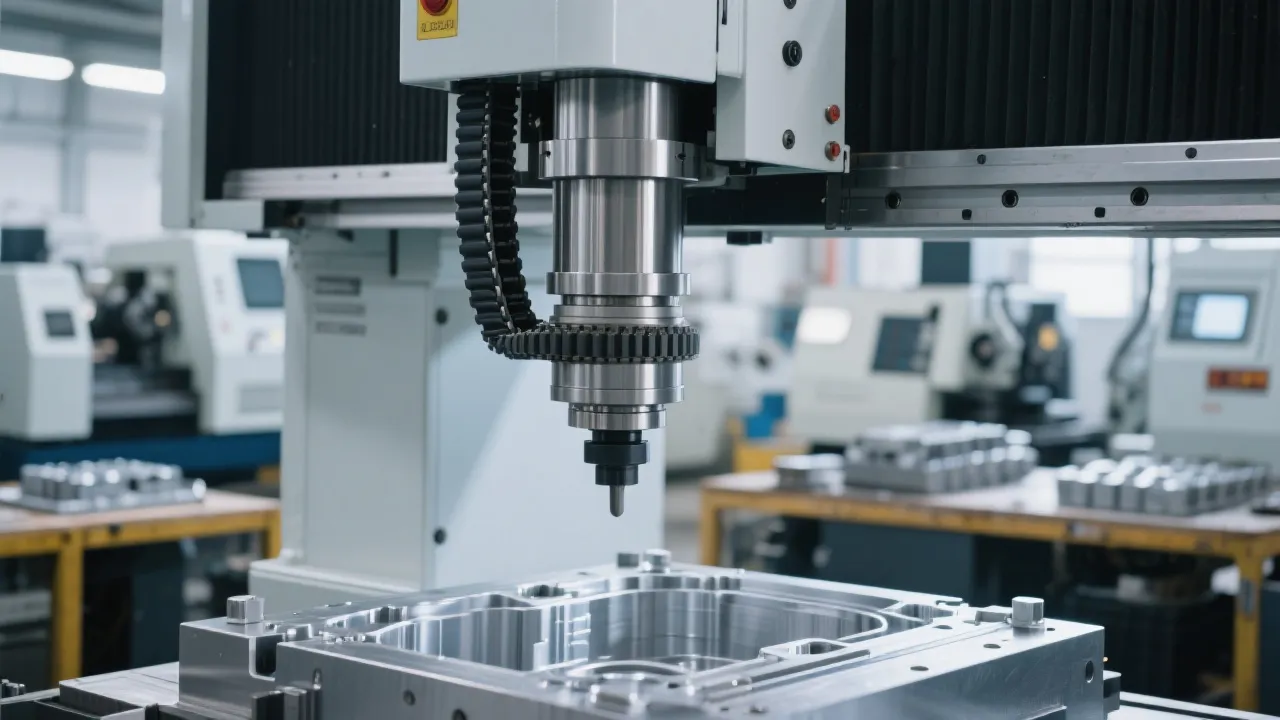
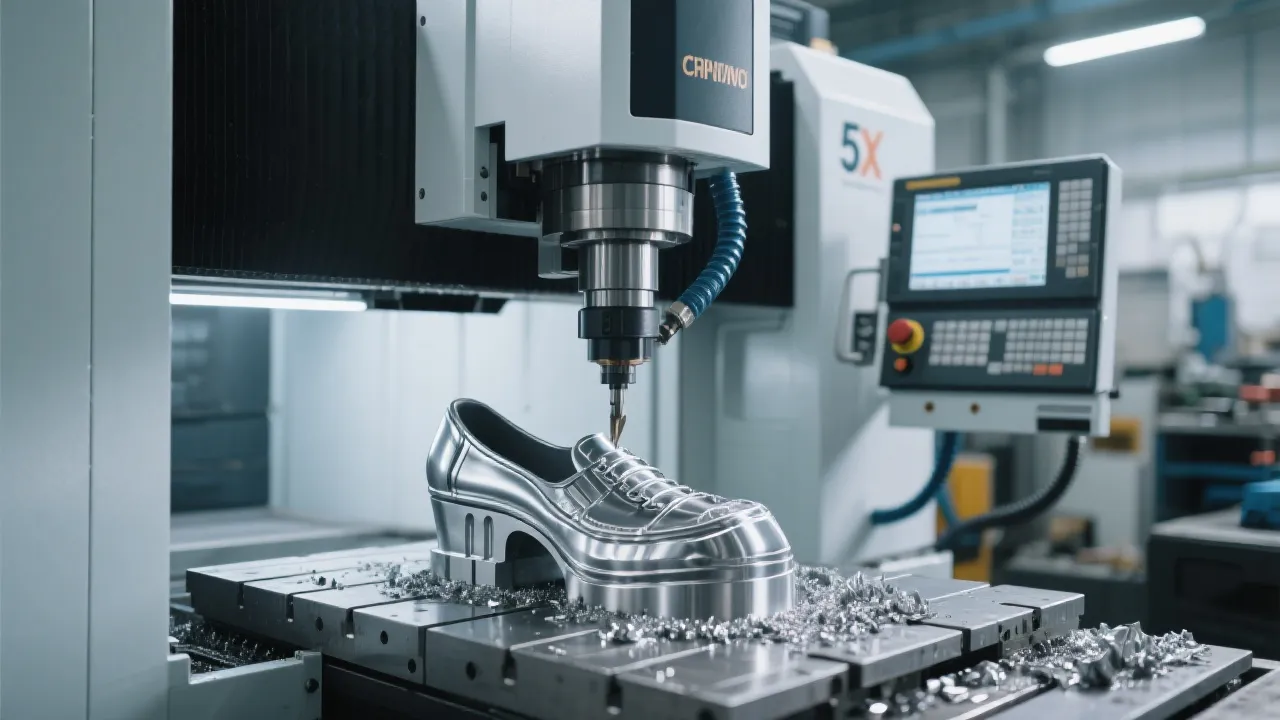
For mold makers striving for premium quality, surface roughness (Ra) is not just a metric—it’s a direct indicator of part performance, tool life, and assembly reliability. In high-precision applications like automotive or medical molds, Ra values above 0.8 μm can lead to premature wear, poor fit, and rejection during final inspection. So how do you consistently achieve Ra 0.4 μm in one pass?
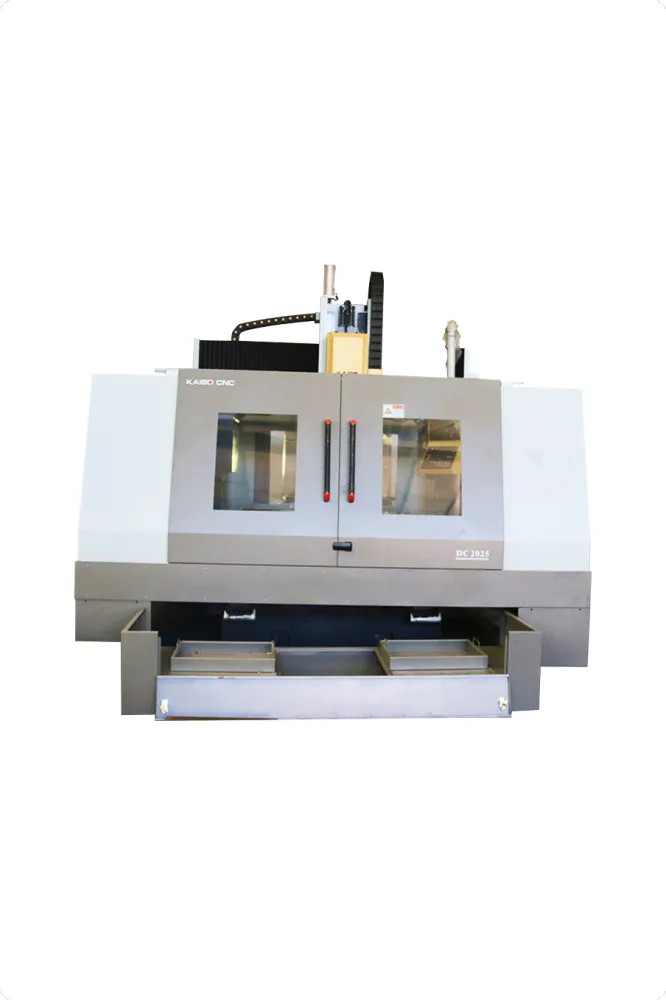
The GJ8070 double-column high-speed vertical machining center delivers unmatched stability through its Fanuc control system and HSK-taper high-speed spindle—both engineered to minimize vibration and thermal drift. With a maximum spindle speed of 24,000 RPM and positioning accuracy within ±3 μm, this machine reduces chatter-induced surface defects by up to 60% compared to conventional setups.
“After switching to GJ8070, our Ra values dropped from an average of 0.7 μm to 0.35 μm across 12 different mold cavities.” — Zhang Wei, Lead Engineer at Shenzhen Precision Molds Co.
It's not just about raw power—it's about balance:
These parameters must be adjusted based on material hardness (e.g., P20 vs. H13 steel) and cooling strategy—a topic we’ll dive into next.
Even with perfect settings, uncontrolled heat can cause micro-expansion that ruins Ra consistency. Key tactics include:
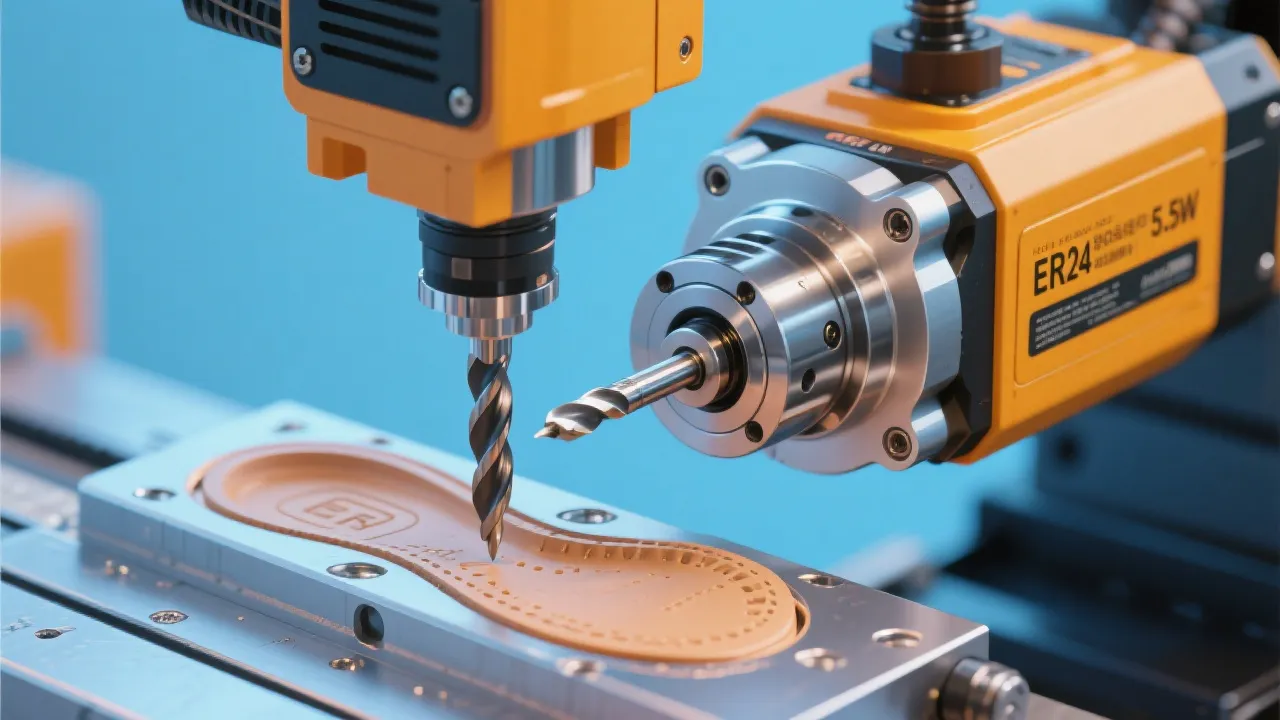
Choosing the right combination matters more than you think:
| Material | Recommended Tool | Expected Ra (μm) |
|---|---|---|
| P20 Steel | Diamond-coated Carbide | 0.25–0.35 |
| H13 Steel | Polycrystalline Diamond (PCD) | 0.30–0.45 |
These results were validated in a controlled test environment using a Mitutoyo surface profilometer over 50 consecutive parts.
Download our free GJ8070 Process Optimization Handbook, packed with real-world parameter tables, tool selection charts, and case studies from global customers who reduced surface defect rates by 70%+.
Get the Free GJ8070 Optimization Guide Now