In today's rapidly evolving automotive industry, precision manufacturing has become the cornerstone of competitive advantage. As vehicle performance requirements escalate and production volumes increase, manufacturers are increasingly turning to intelligent manufacturing solutions to address critical industry challenges. Automotive wheel manufacturing, in particular, demands exceptional precision, consistency, and efficiency—requirements that traditional machining processes struggle to meet.
Automotive wheel manufacturers face mounting pressures from multiple fronts: rising material costs, increasing customization demands, stricter quality standards, and the need for faster time-to-market. A recent industry report indicates that conventional machining processes result in an average scrap rate of 8-12% for aluminum alloy wheels, with dimensional accuracy issues accounting for 63% of production rejects.
Additionally, skilled labor shortages have made reliance on manual operation increasingly problematic, with the U.S. Bureau of Labor Statistics projecting a 12% gap in qualified CNC operators by 2025. These challenges have created an urgent need for intelligent manufacturing solutions that can deliver higher precision, reduce waste, and minimize human intervention.
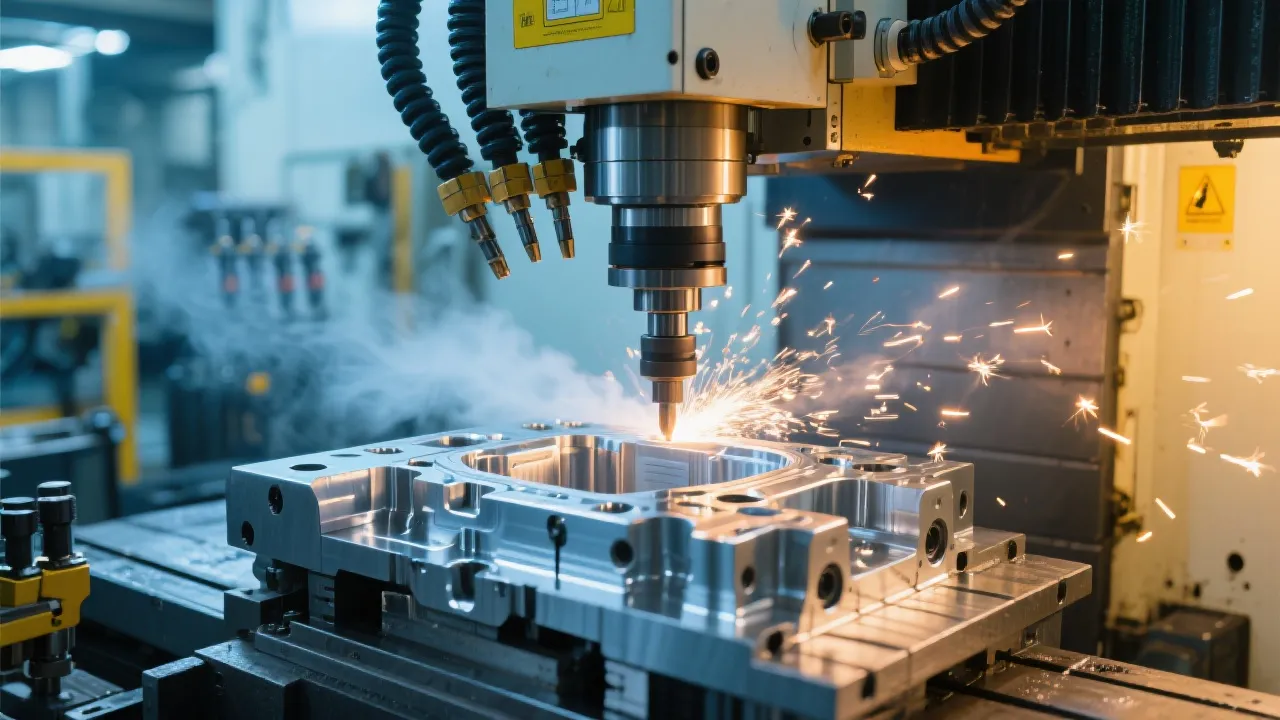
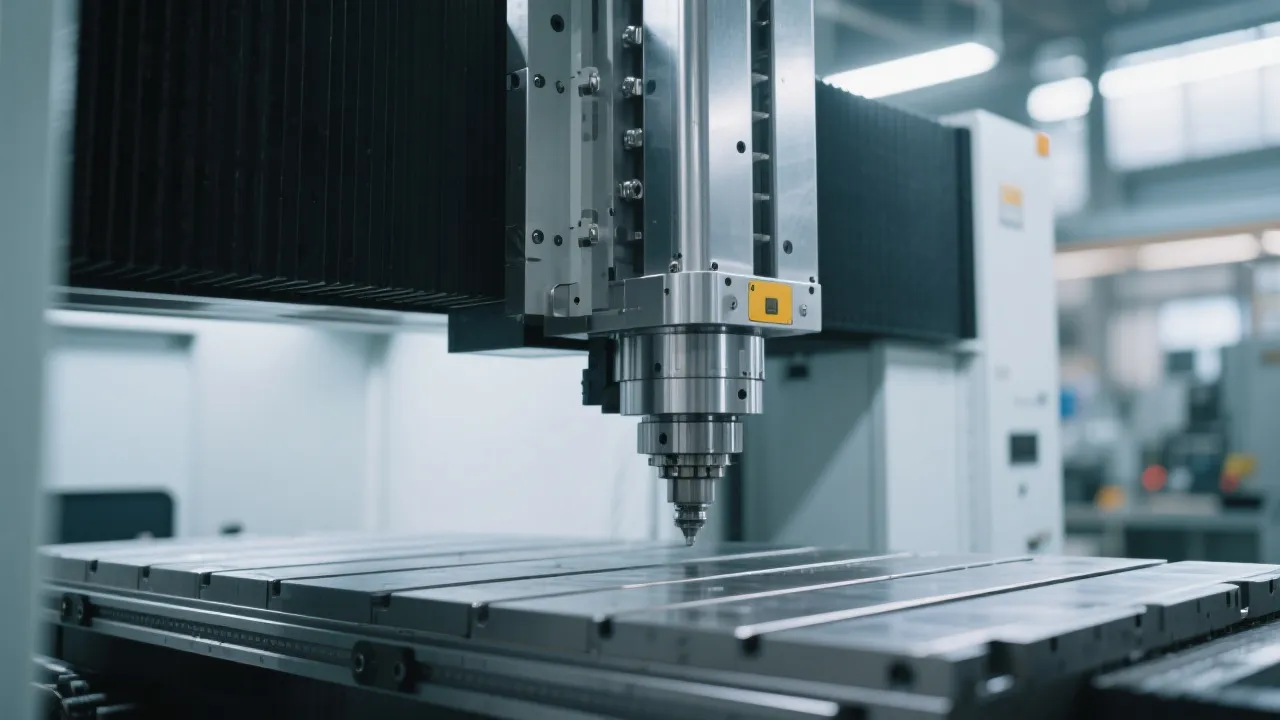
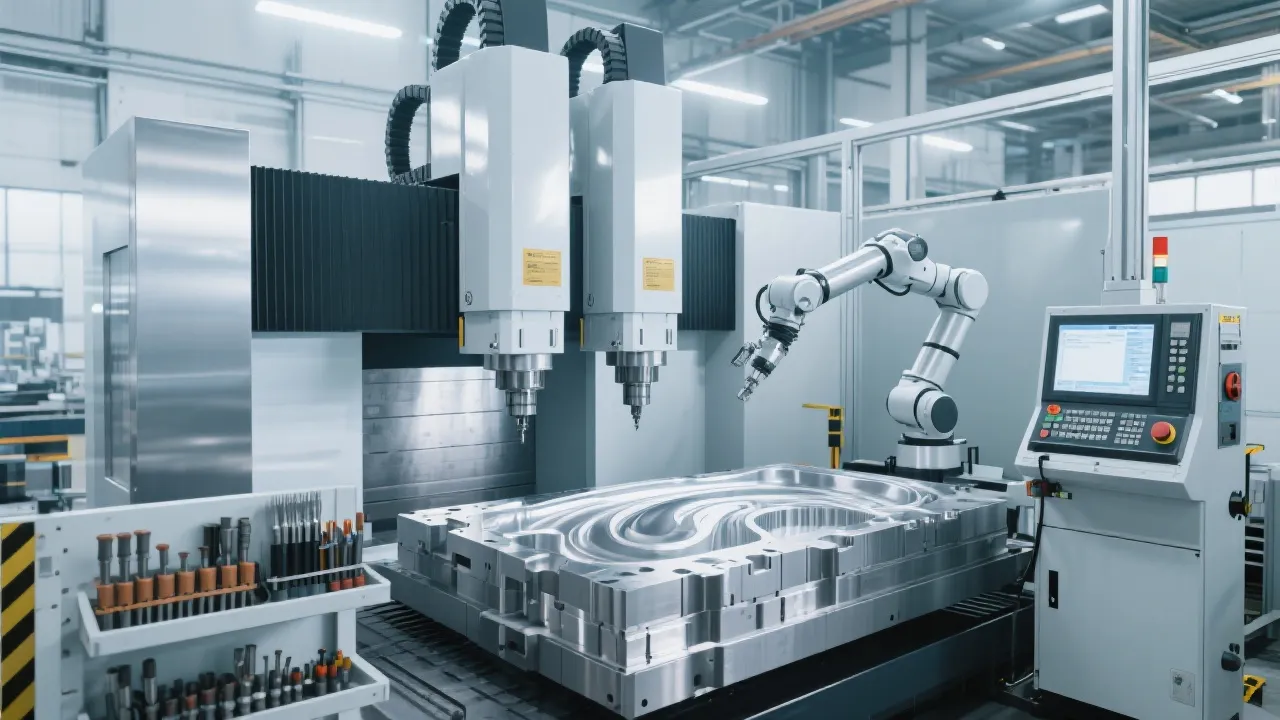
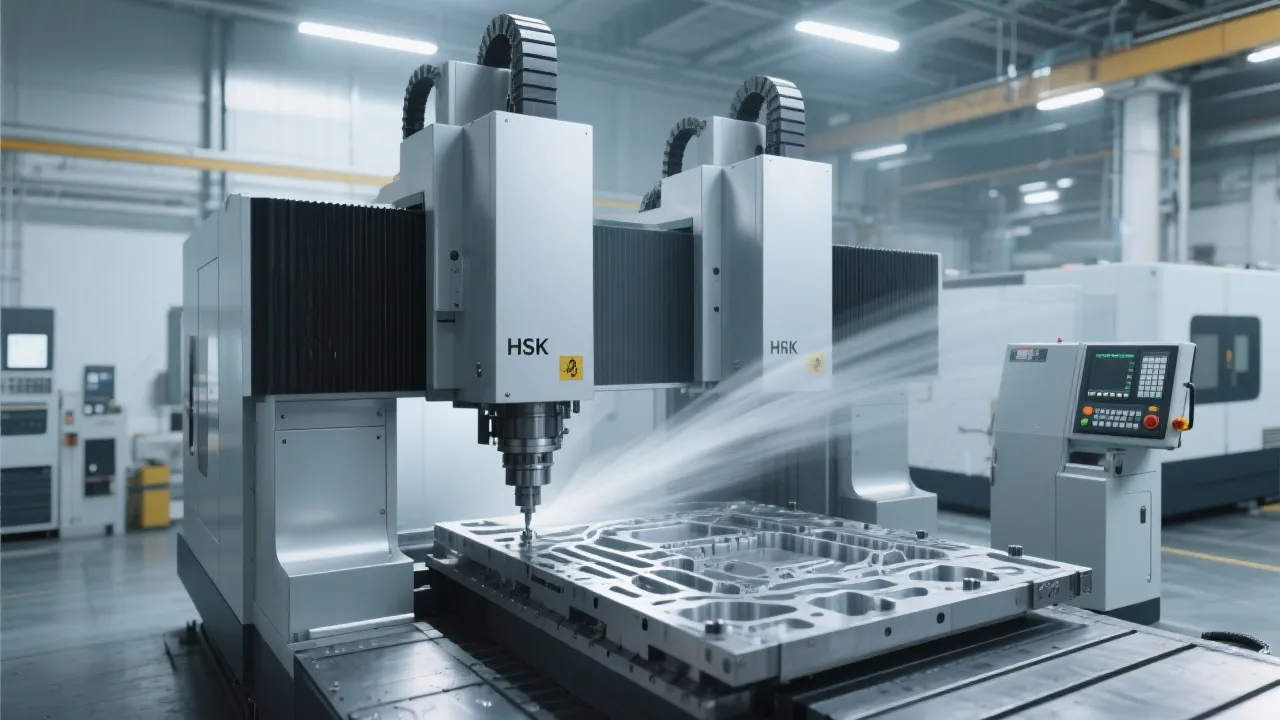
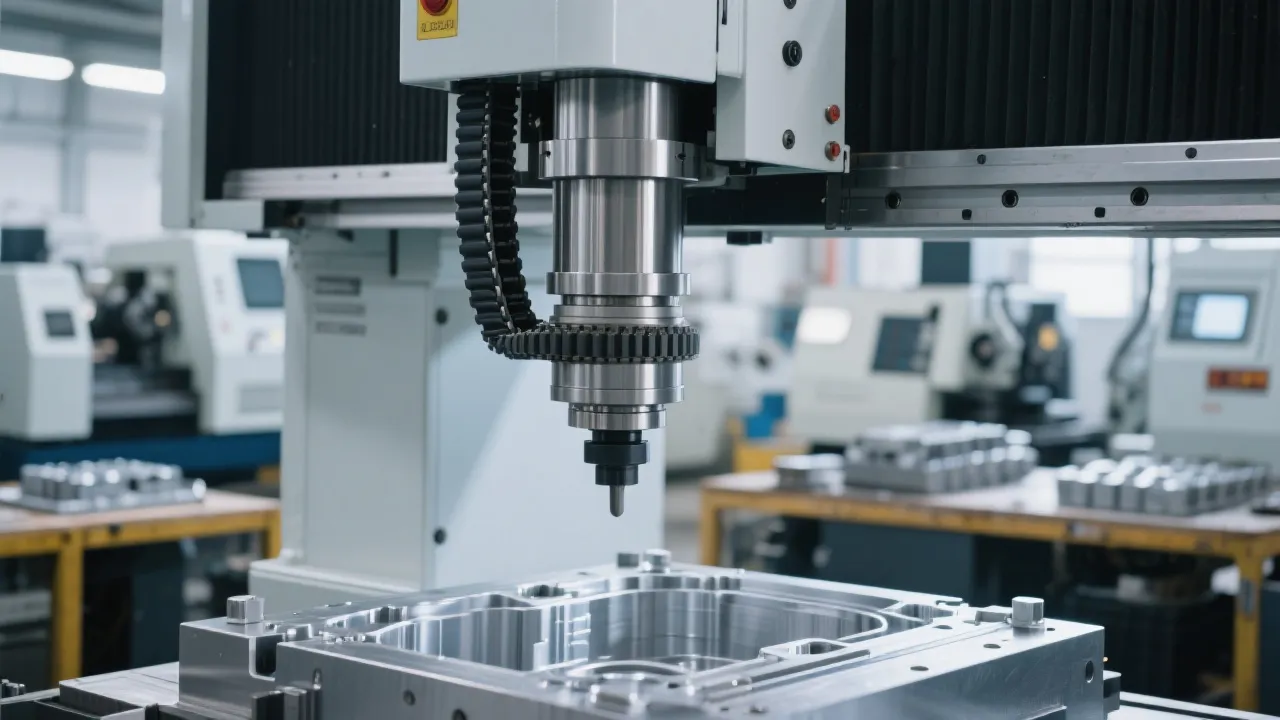
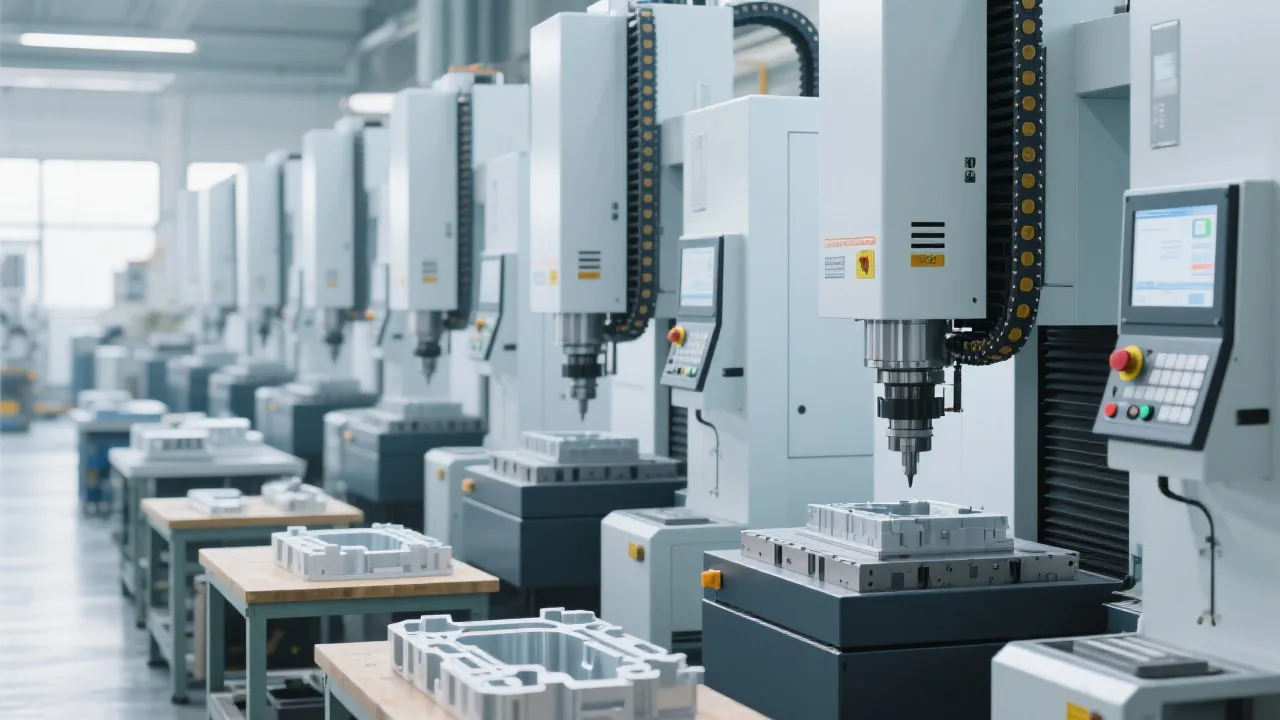
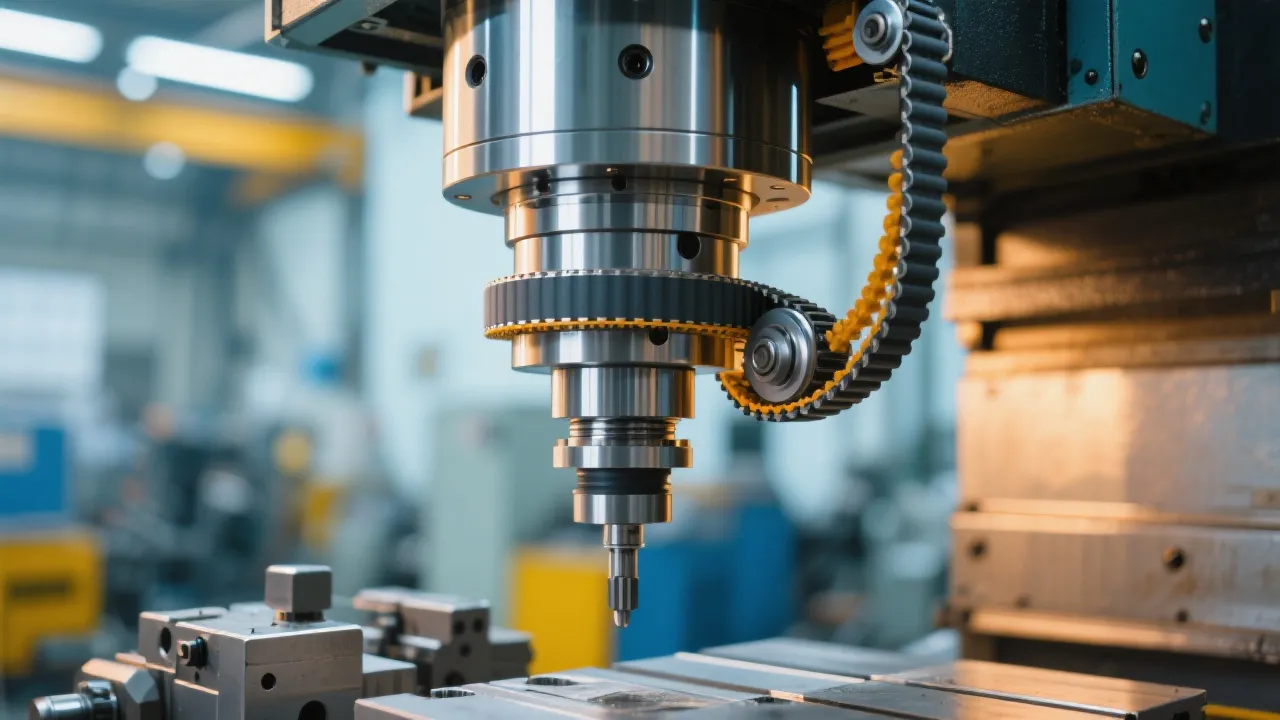
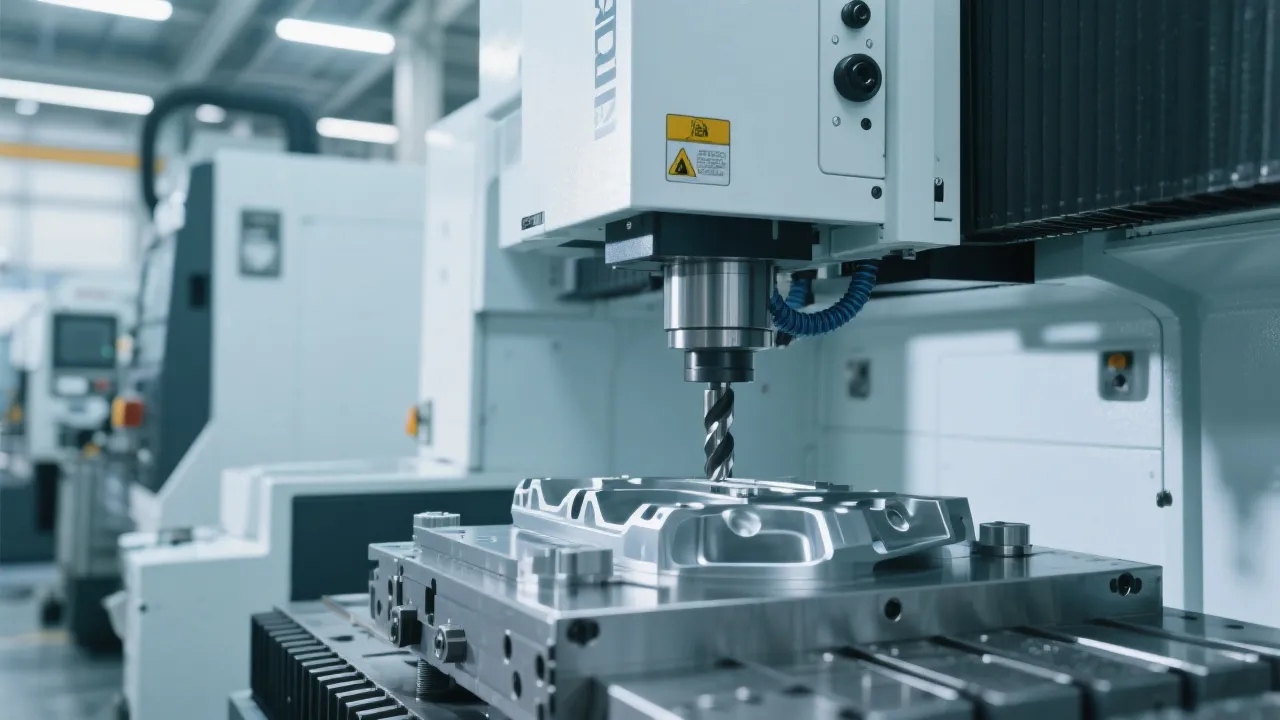
The true power of intelligent CNC milling machines lies in their integrated technological architecture, which transforms traditional machining into a smart, adaptive process. At the heart of this transformation is a sophisticated ecosystem of components working in harmony to deliver unprecedented levels of precision and efficiency.
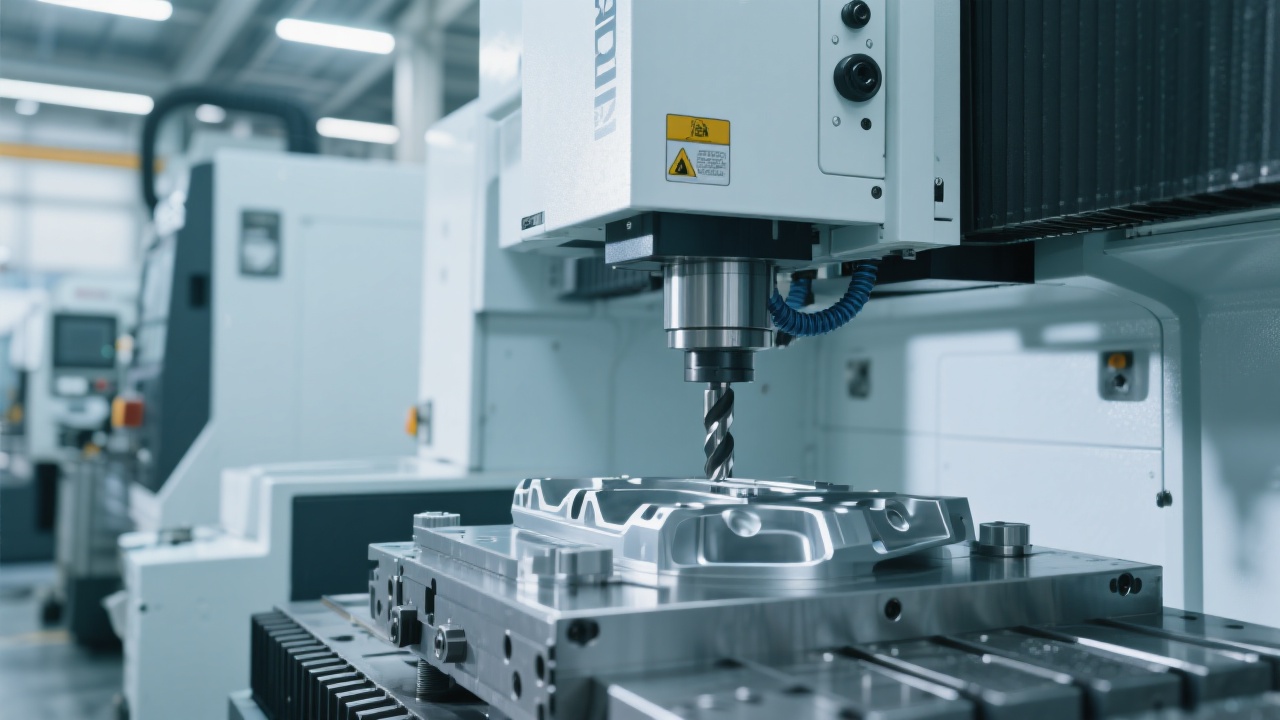
Modern intelligent CNC systems incorporate multiple sensor types that work together to provide a comprehensive understanding of the machining environment. These include:
This multi-sensor data fusion enables the system to "feel," "see," and "hear" the machining process, creating a digital twin of the operation that allows for precise adjustments before quality issues arise.
Central to the intelligence of these systems is their ability to process sensor data in real time and adjust parameters dynamically. With processing speeds exceeding 1000 data points per second, modern CNC controllers can make micro-adjustments to feed rates, spindle speeds, and tool paths while maintaining nanometer-level positioning accuracy.
This closed-loop control mechanism ensures that any detected deviation from optimal parameters triggers immediate corrective action, preventing the propagation of errors through the production process. Industry studies show that this technology alone can reduce dimensional variation by up to 72% compared to traditional open-loop systems.
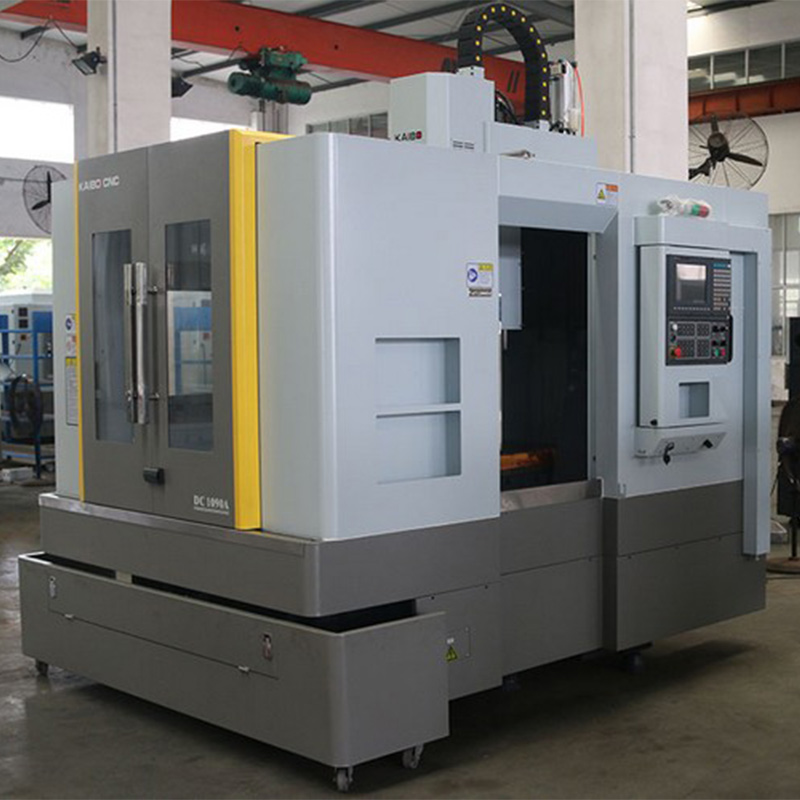
The integration of these intelligent technologies delivers measurable benefits across key performance indicators. When implemented correctly, intelligent CNC milling systems have demonstrated the following improvements in automotive wheel manufacturing environments:
| Performance Metric | Traditional CNC | Intelligent CNC | Improvement |
|---|---|---|---|
| Production Cycle Time | 45 minutes | 28 minutes | +38% |
| Scrap Rate | 9.2% | 2.7% | -71% |
| Tool Life | 120 parts | 215 parts | +79% |
| Energy Consumption | 3.2 kWh/part | 2.1 kWh/part | -34% |
The practical implementation of intelligent CNC technology has yielded impressive results for automotive manufacturers worldwide. A leading European wheel manufacturer recently reported reducing their production costs by 23% within the first year of implementing 智能数控铣床 (intelligent CNC milling machines) in their primary production line.
Another case study from a major Asian automotive supplier demonstrated how intelligent machining systems enabled them to increase production capacity by 40% without expanding their factory footprint. By optimizing tool paths and reducing changeover times through intelligent programming, they achieved this capacity increase while actually reducing their energy consumption by 18%.
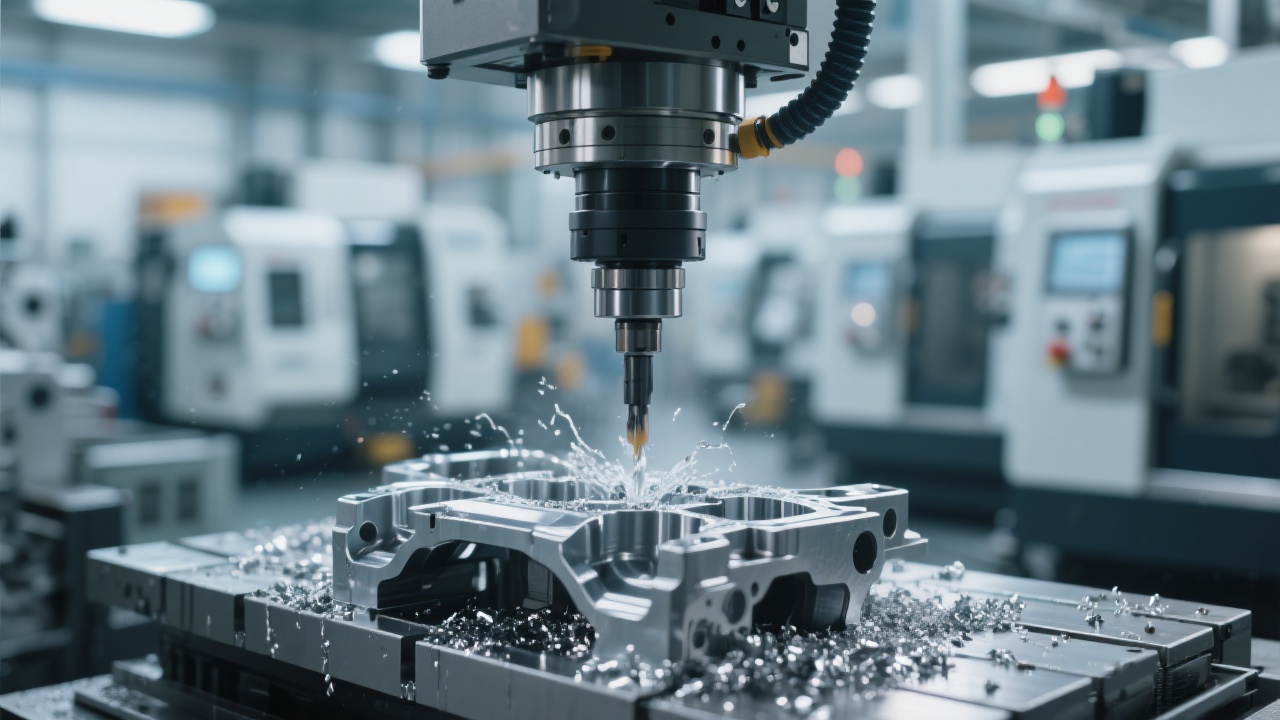
Discover how 凯博数控 (Kaibo CNC) intelligent milling solutions can help you achieve unprecedented levels of precision, efficiency, and profitability in automotive wheel production.
Download Our Technical Whitepaper: "Intelligent CNC Milling for Automotive Excellence"Looking ahead, the evolution of intelligent CNC technology shows no signs of slowing down. Industry experts predict several key developments that will further revolutionize automotive wheel manufacturing:
Artificial intelligence will play an increasingly prominent role, with machine learning algorithms analyzing production data to predict maintenance needs, optimize cutting parameters, and even suggest design modifications for improved manufacturability. A recent survey of manufacturing executives found that 76% plan to invest in AI-enhanced CNC systems within the next three years.
The integration of digital twin technology will enable manufacturers to simulate production runs virtually before physical implementation, reducing setup times and minimizing risk. When combined with IoT connectivity, these digital twins will create fully transparent production ecosystems where every process parameter is monitored and optimized in real time.
As sustainability becomes an ever-more critical concern, intelligent CNC systems will continue to drive energy efficiency improvements and material waste reduction. Early adopters of these technologies are already seeing significant competitive advantages in both cost reduction and environmental compliance.
For automotive manufacturers looking to maintain competitiveness in an increasingly demanding market, the transition to intelligent CNC machining is no longer an option but a necessity. The technological advancements, performance improvements, and business benefits are too significant to ignore, positioning intelligent manufacturing as the foundation of the next industrial revolution in automotive component production.