Comparative Analysis of Mechanical, Pneumatic, and Magnetic Fixtures for CNC Machining in Export Manufacturing
15 01,2026
Technical knowledge
In small-batch CNC machining, fixture efficiency directly impacts production cycle and precision. This article provides an in-depth comparison of mechanical, pneumatic, and magnetic fixtures based on application scenarios, response speed, cost, and repeatability accuracy. Through a real export mold machining case, it explains how to select optimal fixturing methods considering workpiece shape, material properties, and batch size. Practical tips on deformation prevention, clamping force control, and minimizing trial cuts are also shared. Additionally, it explores the fixtures' effects on surface finish and dimensional consistency, helping process engineers enhance machining productivity and product quality swiftly.
Mechanical, Pneumatic, and Magnetic Clamping: Optimizing CNC Machining for Small Batch Foreign Trade
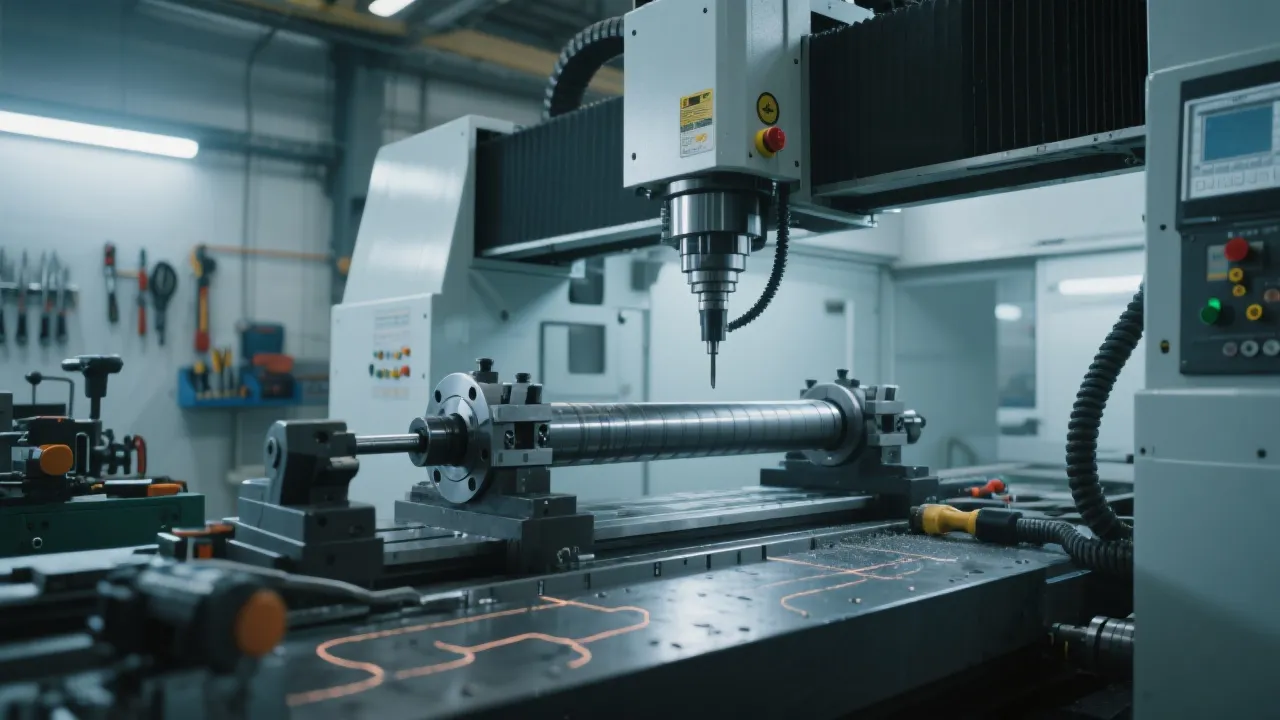
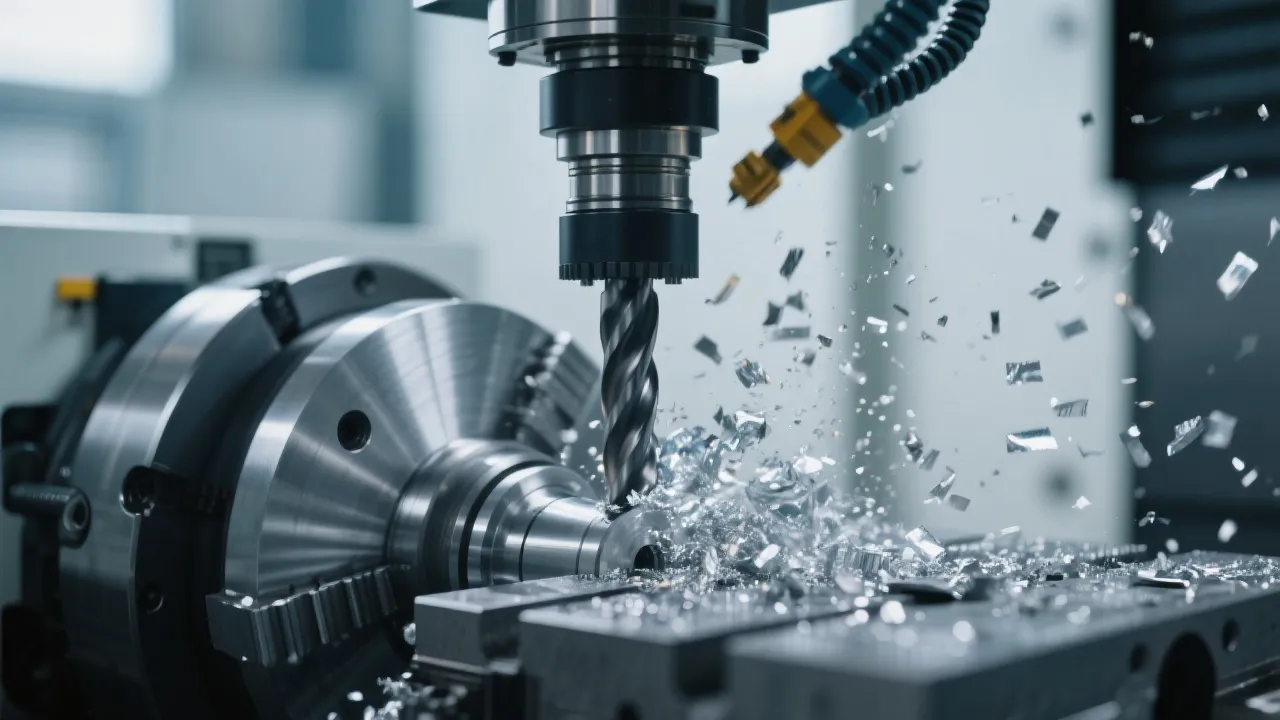
In today’s competitive manufacturing environment, especially in small batch CNC machining, you recognize that clamping efficiency is more than just a setup detail—it directly impacts your delivery timelines and product quality. Whether you're managing a foreign trade mold business or a precision machining workshop, choosing the right clamping method can sharply reduce your cycle times and raise repeatability.
1. Your Fast Clamping Options Explained
Let’s break down the three prevalent clamping technologies you will encounter:
-
Mechanical Clamps
-
The staple of traditional fixture design, mechanical clamps rely on manual tightening or screw mechanisms. Known for their robustness and low initial cost, they work well for simple geometries and moderate batch sizes.
-
Pneumatic Clamps
-
Powered by compressed air, pneumatic clamps offer rapid response times with consistent clamping force. They excel in automated workflows and moderate to high batch production, though initial investment and maintenance are higher.
-
Magnetic Clamps
-
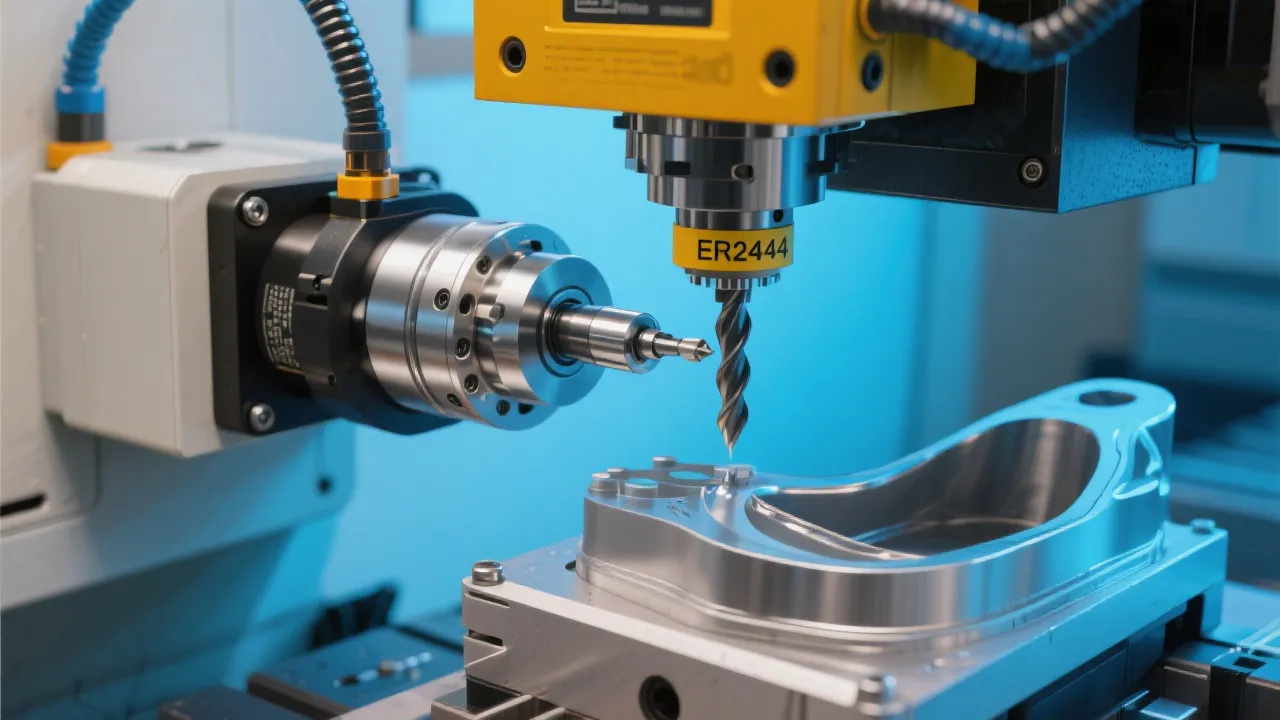
Ideal for ferromagnetic materials, magnetic clamps deliver ultra-fast setup and excellent repeatability without mechanical contact. They allow for minimal deformation, particularly critical when working with thin or delicate workpieces.
2. Quick Comparison Table: Select What Fits Your Needs
| Criteria |
Mechanical Clamp |
Pneumatic Clamp |
Magnetic Clamp |
| Setup Speed |
Low (10-30 sec) |
Medium (5-15 sec) |
High (2-7 sec) |
| Initial Cost |
Low ($) |
Medium ($$) |
High ($$$) |
| Repeatability Precision |
±0.05 mm |
±0.02 mm |
±0.01 mm |
| Material Compatibility |
All Metals & Plastics |
All Metals & Plastics |
Ferromagnetic Only |
| Deformation Risk |
Medium-High |
Low-Medium |
Very Low |
3. Hands-On Clamping Techniques to Boost Your Process Efficiency
You want to reduce trial cuts and avoid surface defects? Here are proven tips:
- Pre-Adjust Clamping Fixtures: Modify your jigs offline to precisely match your CAD data, allowing you to minimize physical trial runs.
- Control Clamping Force for Thin-Walled Parts: Excessive force causes warpage. Utilize pneumatic clamps with adjustable pressure or magnetic clamps that avoid mechanical stress.
- Prevent Workpiece Deformation: Distribute clamp points evenly, and use soft pads or shims where contact surfaces risk surface damage.
4. How Clamping Choice Impacts Final Surface Quality
Using ISO 230-2 standard test protocols, you can measure deviation in surface roughness (Ra) and dimensional repeatability after multiple machining cycles:
"Testing confirmed magnetic clamps maintain Ra within 0.8 µm across 20 cycles, outperforming mechanical clamps which averaged 1.5 µm, largely due to reduced vibration and consistent hold."
This data implies magnetic clamping not only speeds your setup but also protects critical surface integrity—a game-changer for precision mold production.
5. Real-World Success: Foreign Trade Mold Company Case Study
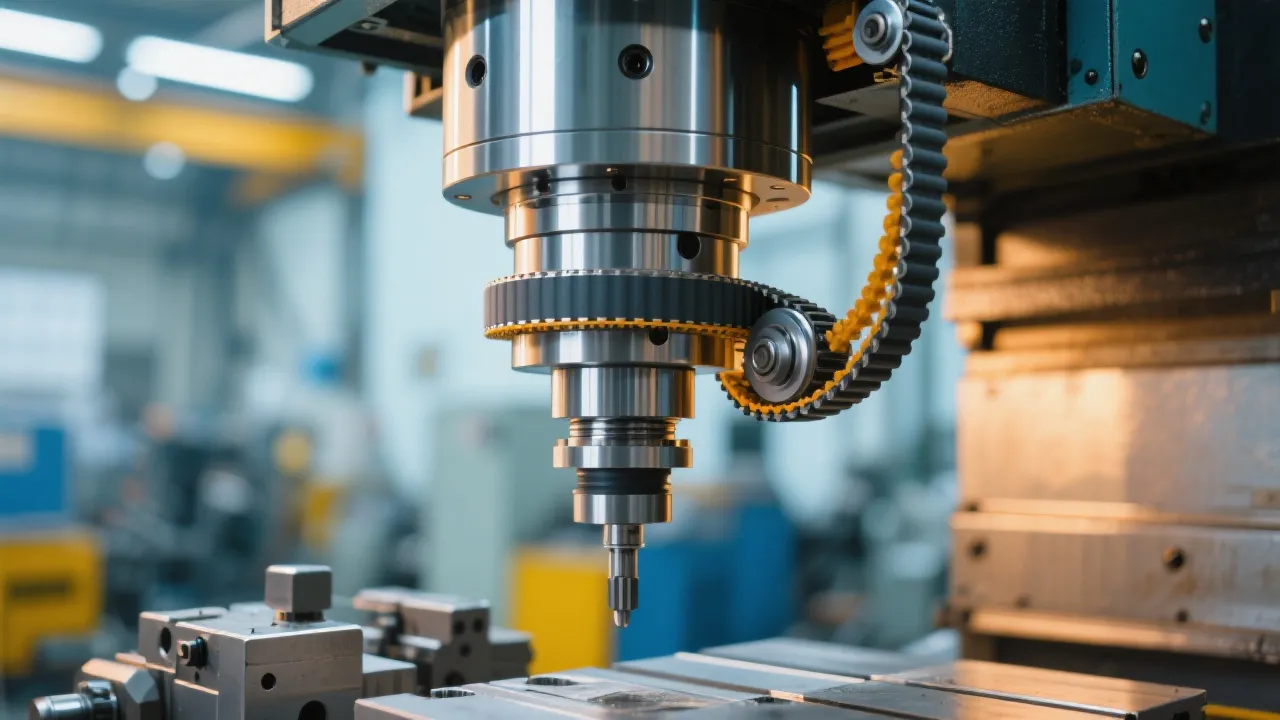
A leading foreign trade mold manufacturer integrated HSK high-speed spindle technology with magnetic clamping on their CNC centers. The result?
- Single-piece setup time cut by approximately 40%
- Greater positional repeatability enabled tighter tolerance deliveries
- Reduced trial cuts minimized scrap and shortened customer lead times
For companies like yours aiming to balance quality and agility, this combination is a blueprint worth considering.