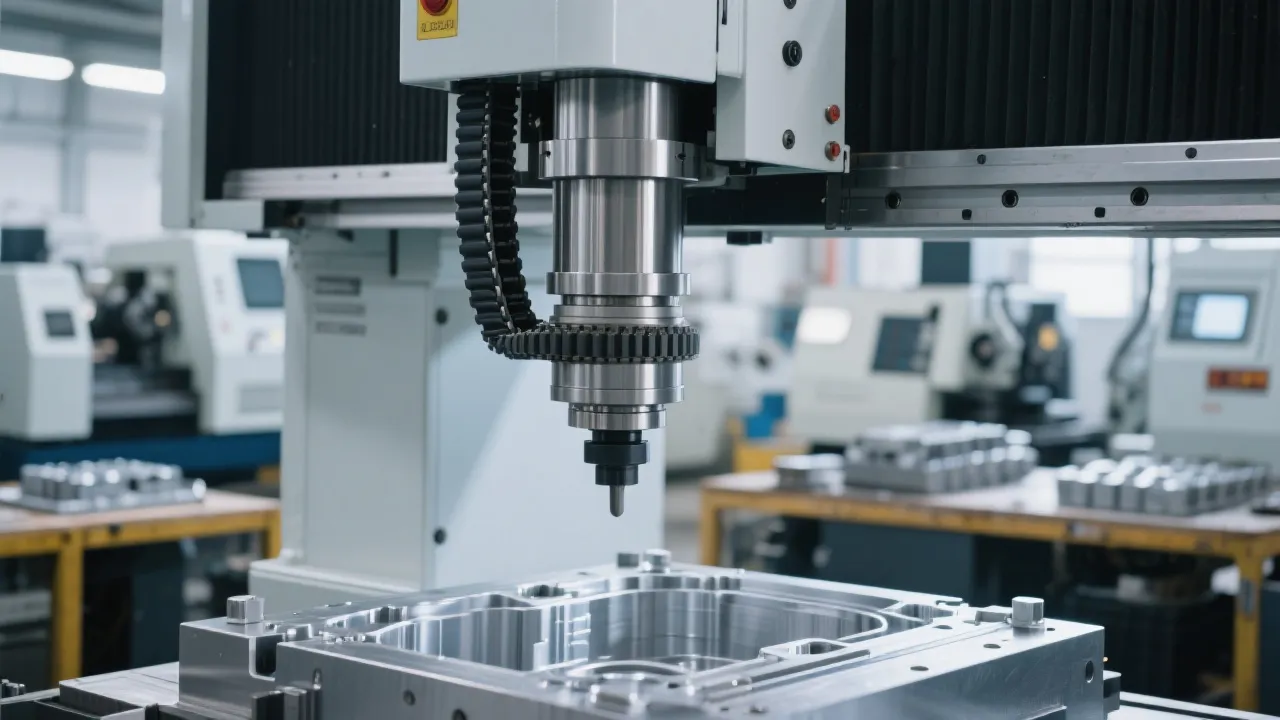
Manufacturing Insight: In precision mold making, even a 5μm deviation in copper electrode geometry can result in 30-40% increase in EDM processing defects, directly impacting tooling accuracy and production costs.
In today's competitive manufacturing landscape, the quality of EDM (Electrical Discharge Machining) directly depends on electrode precision. Copper electrodes, favored for their excellent electrical conductivity and machinability, present unique challenges when pursuing micron-level accuracy. Industry research indicates that over 65% of EDM quality issues can be traced back to electrode manufacturing inconsistencies, making precision copper electrode milling a decisive factor in mold production efficiency and part quality.
Manufacturers face three primary obstacles when aiming for micron-level precision in copper electrode production:
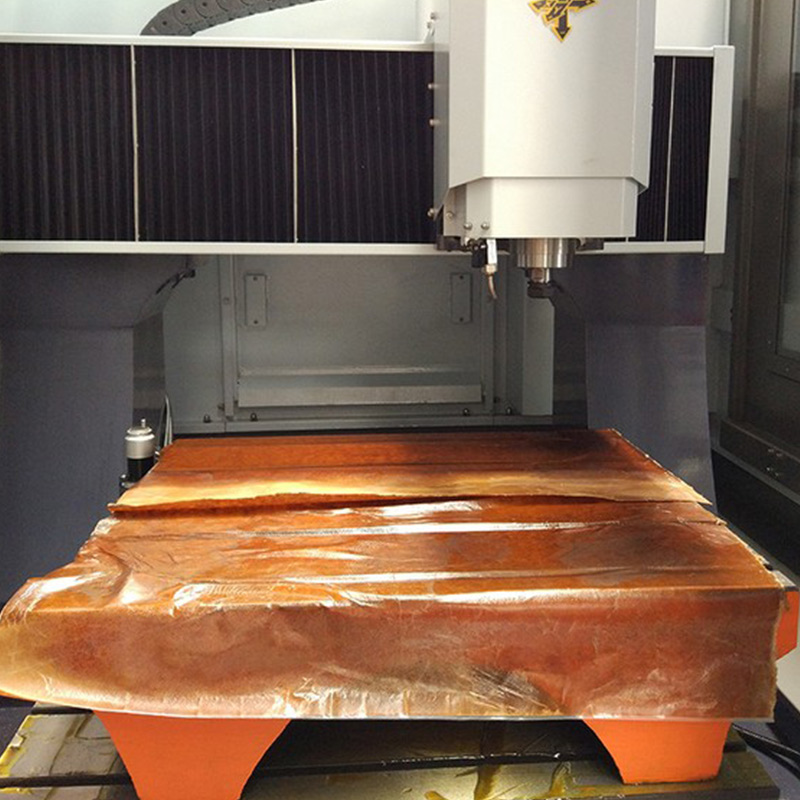
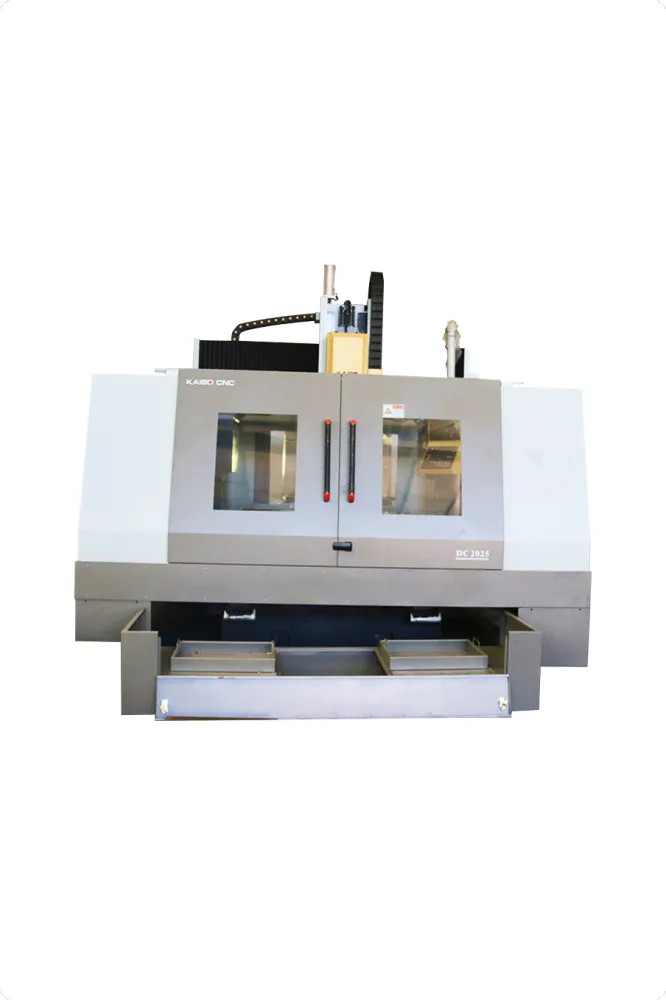
Advanced servo systems with 0.1ms response time are critical for maintaining precision during complex contour machining. The latest generation of digital servo drives, like those implemented in the 凯博数控DC6050A, can achieve positioning accuracy of ±3μm, with velocity control precision of 0.01mm/min. This level of responsiveness directly translates to improved contour accuracy, reducing geometric errors by up to 40% compared to conventional systems.
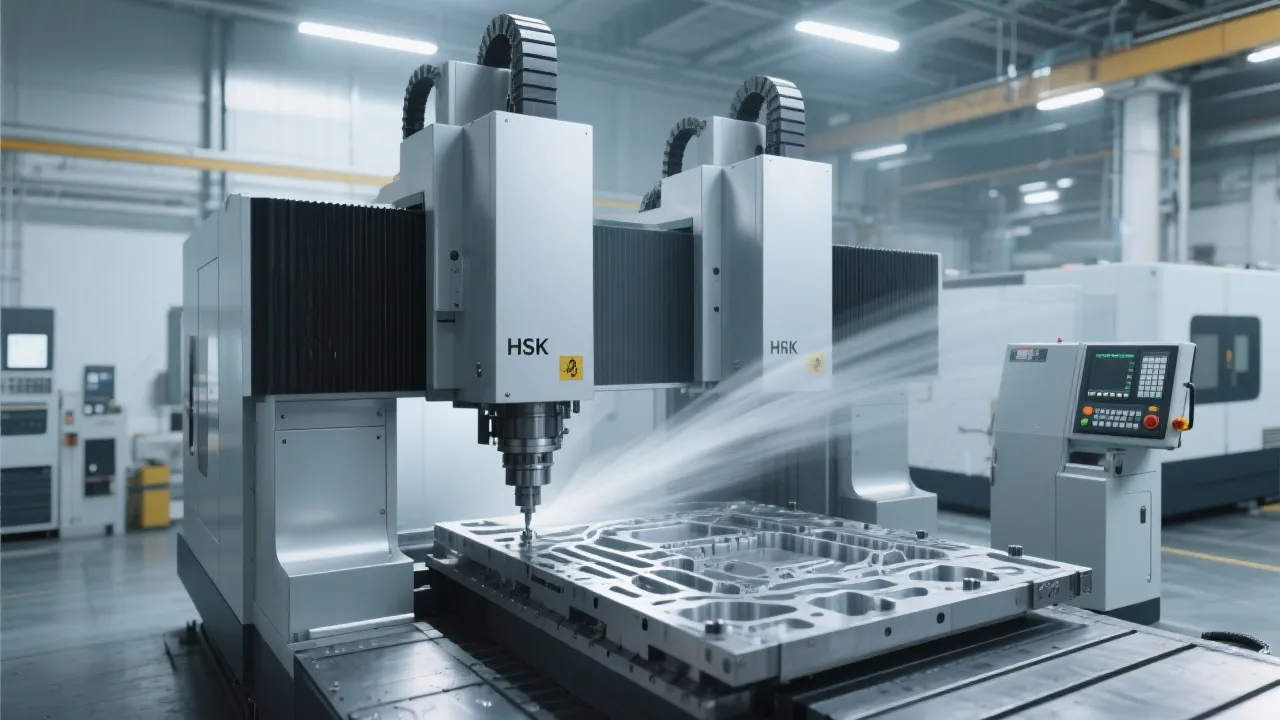
Adaptive tool path algorithms that account for copper's material properties can reduce machining time by 20-25% while improving surface finish. These algorithms optimize feed rates based on cutting conditions, minimizing vibration and tool wear. When combined with high-resolution encoder feedback (1μm increments), they ensure consistent material removal rates even in complex 3D geometries typical of mold electrodes.
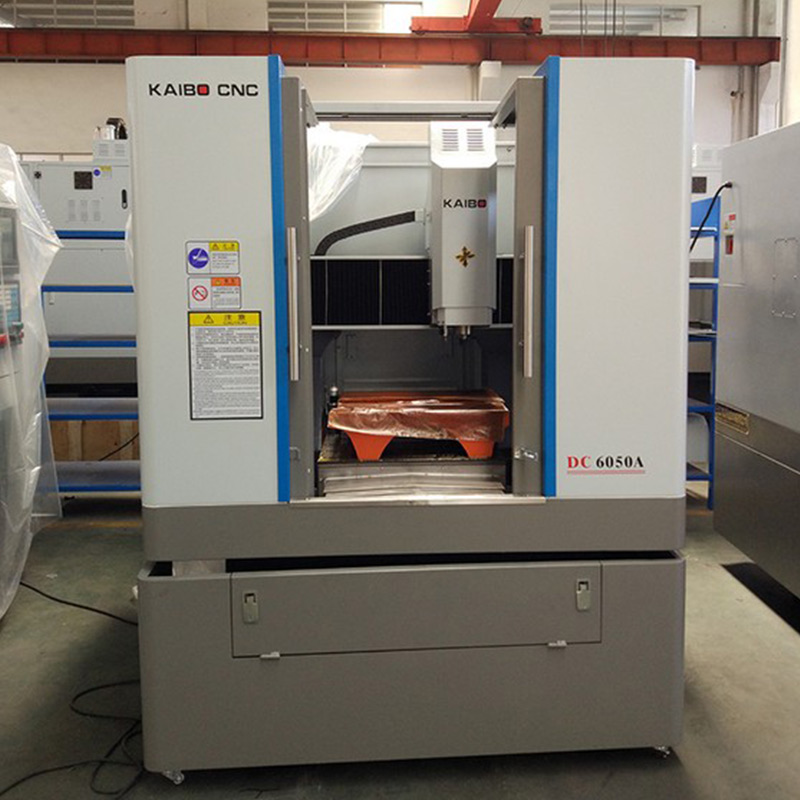
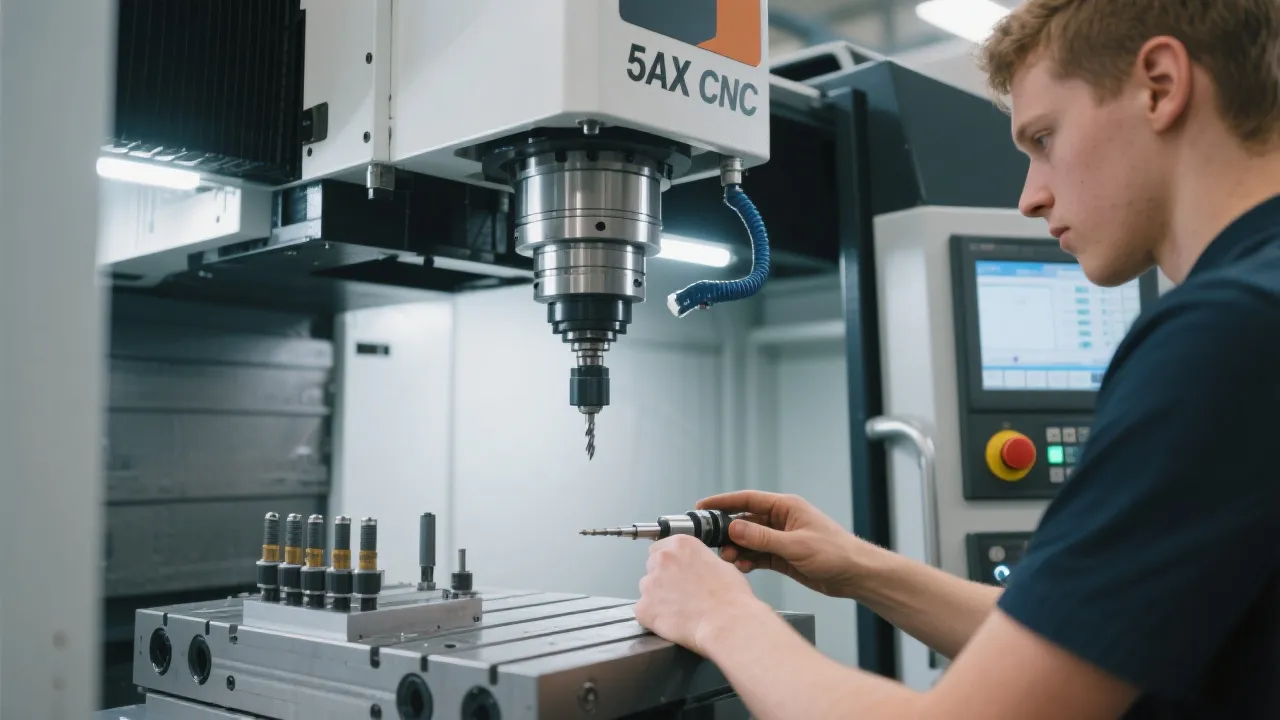
The spindle assembly, often called the "heart" of precision machining, requires exceptional rigidity to minimize deflection. Modern designs incorporating ceramic bearings and symmetric cooling systems can achieve static stiffness values exceeding 200N/μm. This rigidity ensures that cutting forces up to 50N result in less than 2μm deflection, well within the micron-level tolerance requirements for precision electrodes.
Thermal management systems are essential for maintaining dimensional stability. By controlling temperature fluctuations to within ±0.5°C, advanced machining centers can reduce thermal drift to less than 5μm over an 8-hour production run. This level of thermal control is particularly critical for copper electrodes, where even minor temperature variations can cause significant dimensional changes.
When evaluating machining equipment for copper electrode production, ISO 230-2 standard compliance provides an objective measure of performance. Key parameters to consider include:
| Accuracy Parameter | Standard Requirement | High-Precision Performance |
|---|---|---|
| Positioning Accuracy (X/Y axis) | ≤15μm | ≤8μm |
| Repeatability (X/Y axis) | ≤8μm | ≤4μm |
| Spindle Radial Runout | ≤5μm | ≤2μm |
Even with advanced equipment, copper electrode machining presents specific challenges that require targeted solutions:
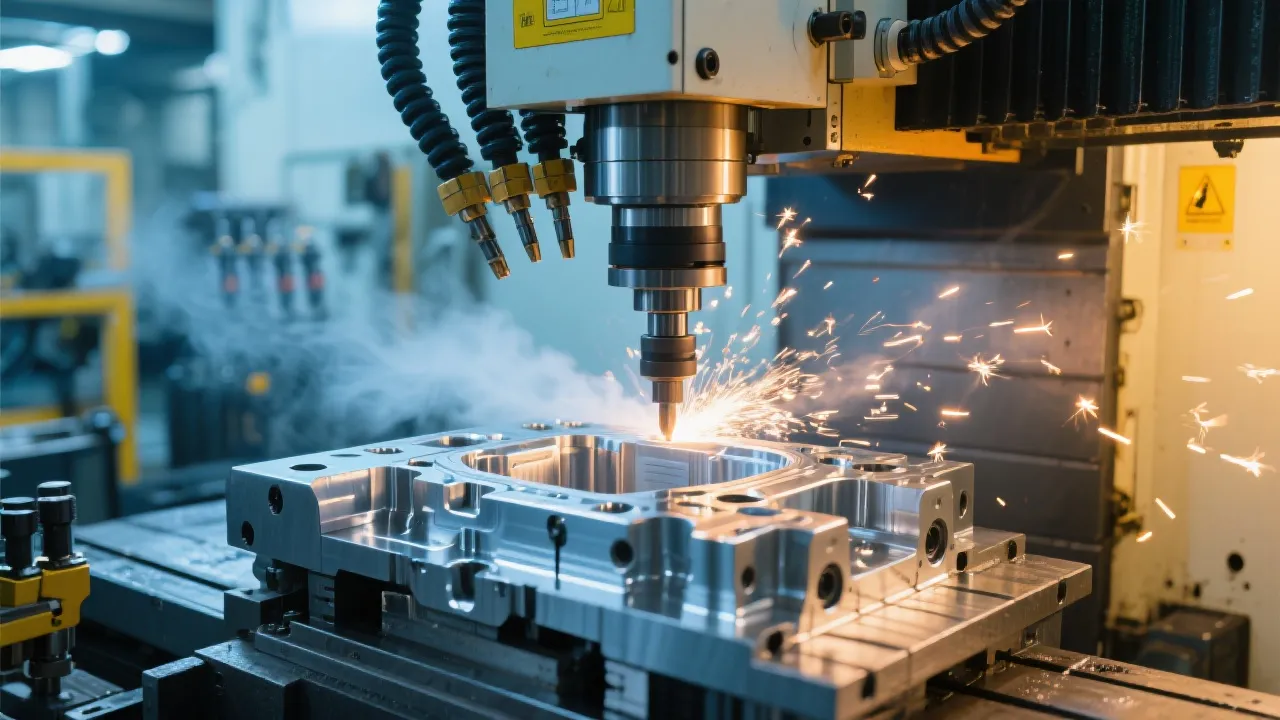
Burrs on copper electrodes can increase EDM processing time by up to 30% and compromise surface finish. Implementing high-speed machining with properly sharpened carbide tools (30°-40° rake angle) and optimized feed rates (typically 100-150mm/min for finishing passes) can reduce burr formation by 70-80%. Additionally, using compressed air cooling directed at the cutting zone helps maintain tool sharpness and chip evacuation.
Achieving surface finishes better than Ra 0.8μm requires a combination of fine-grained copper material, high-quality cutting tools, and optimized machining parameters. Using diamond-coated end mills for finishing passes can improve surface quality by 40% compared to conventional carbide tools. Additionally, implementing adaptive spindle speed control that adjusts based on cutting load helps maintain consistent surface finish across complex geometries.
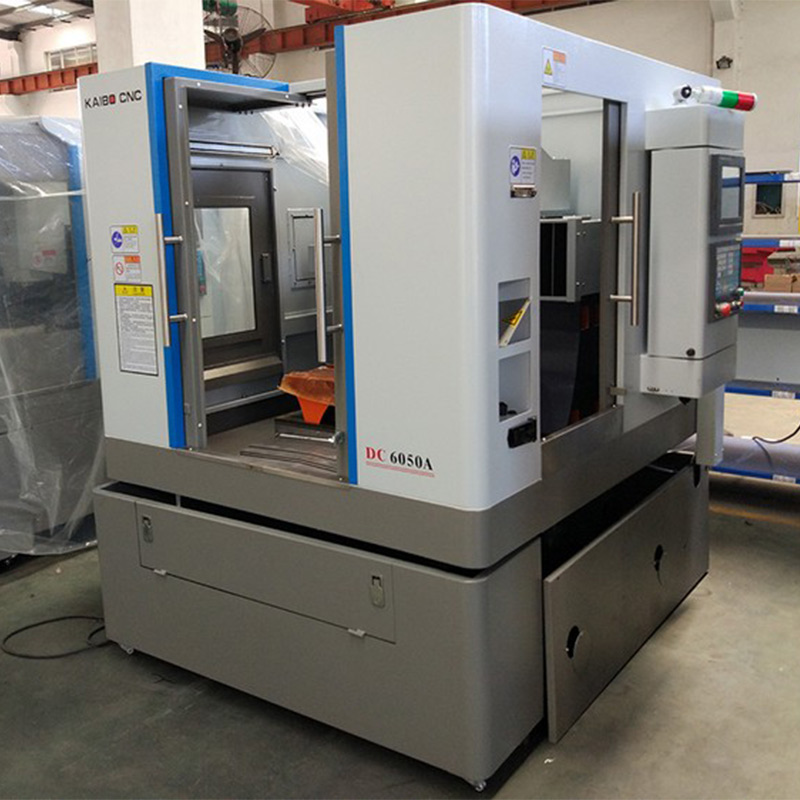
Discover how leading manufacturers have achieved 35% improvement in mold accuracy and 28% reduction in production time through optimized copper electrode machining processes.
Explore 凯博数控 Precision Machining SolutionsManufacturing engineers and production managers understand that precision copper electrode machining is both a science and an art. By combining advanced equipment, optimized processes, and rigorous quality control, manufacturers can achieve consistent micron-level precision that directly translates to improved EDM performance, reduced production costs, and enhanced product quality. As mold complexity continues to increase and tolerances become tighter, investing in proven precision machining technology becomes not just a competitive advantage, but a business necessity.