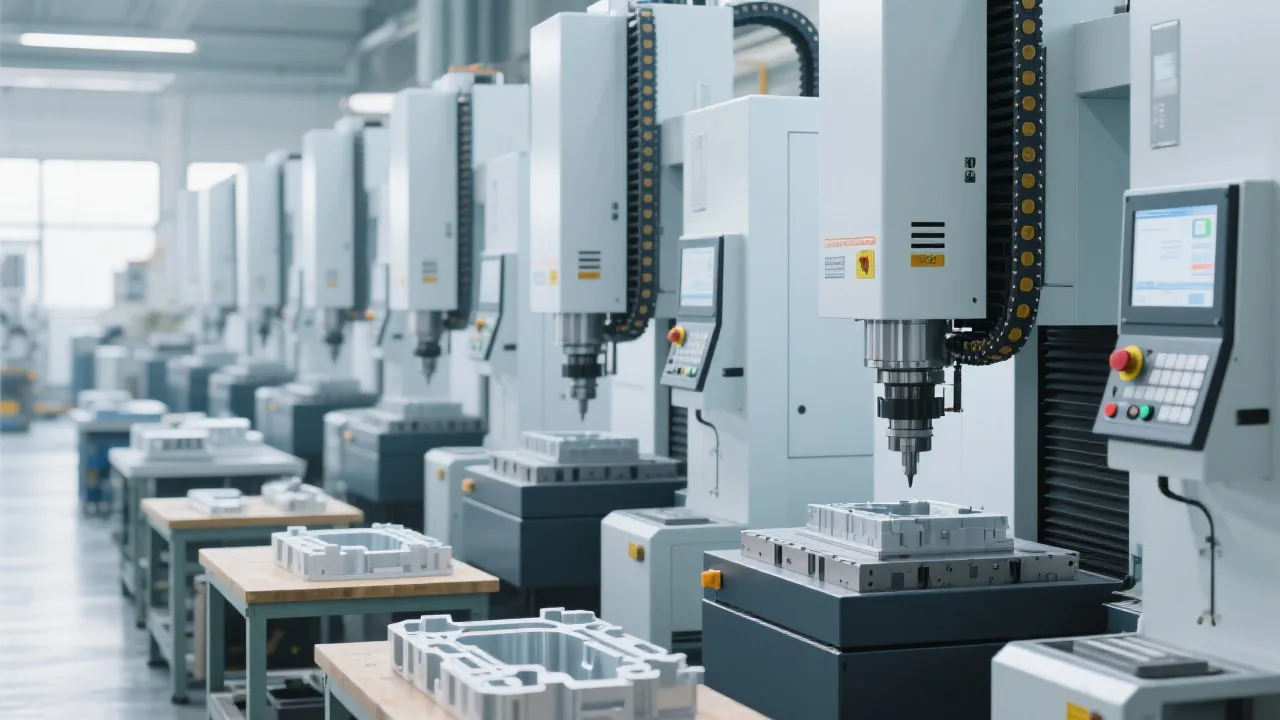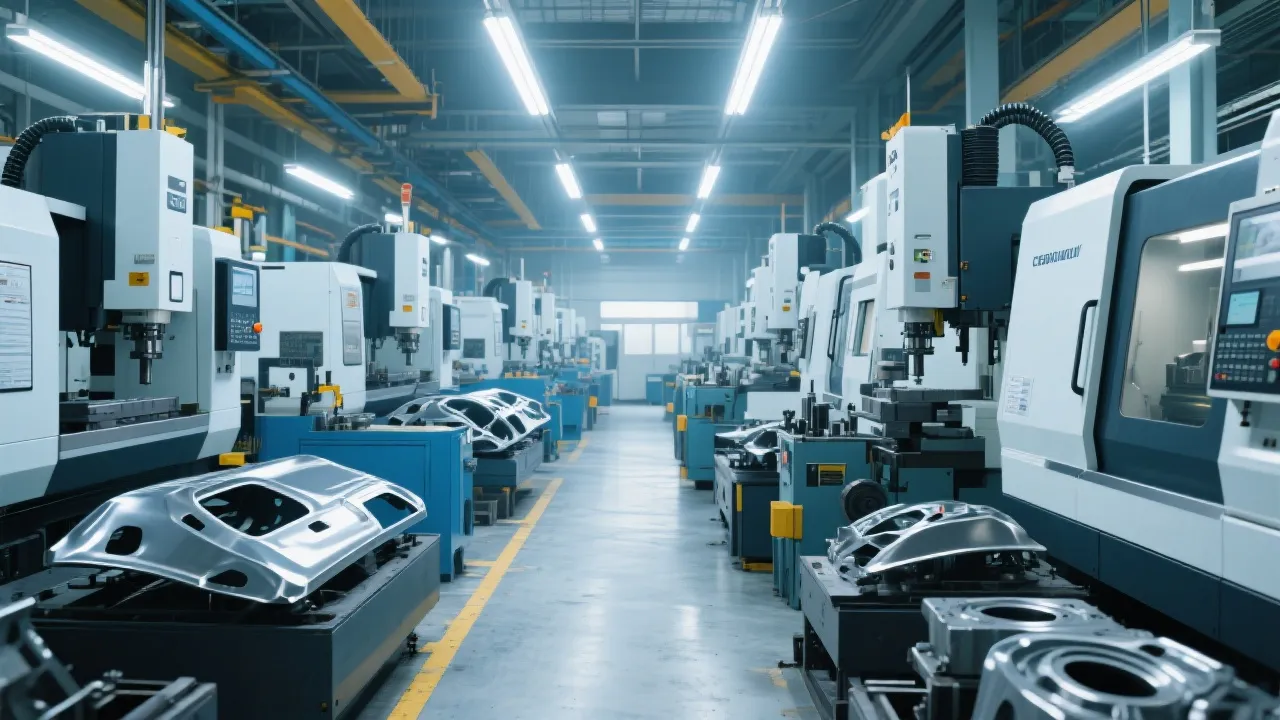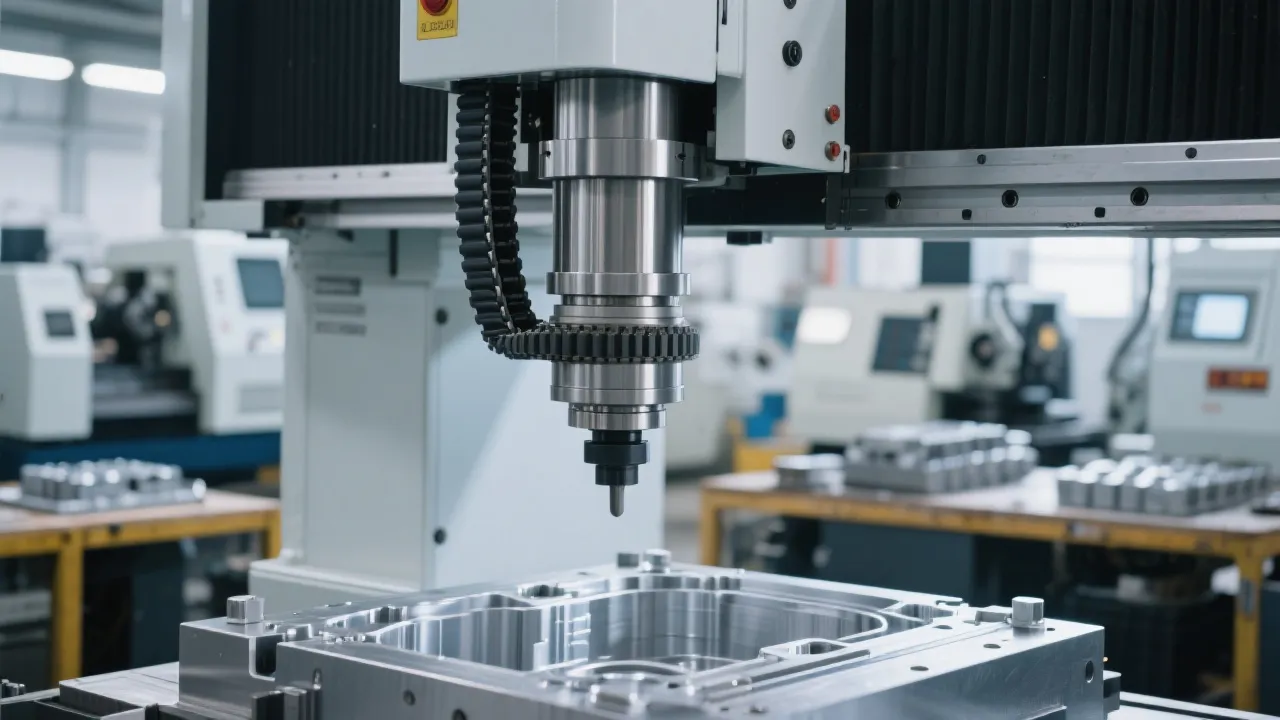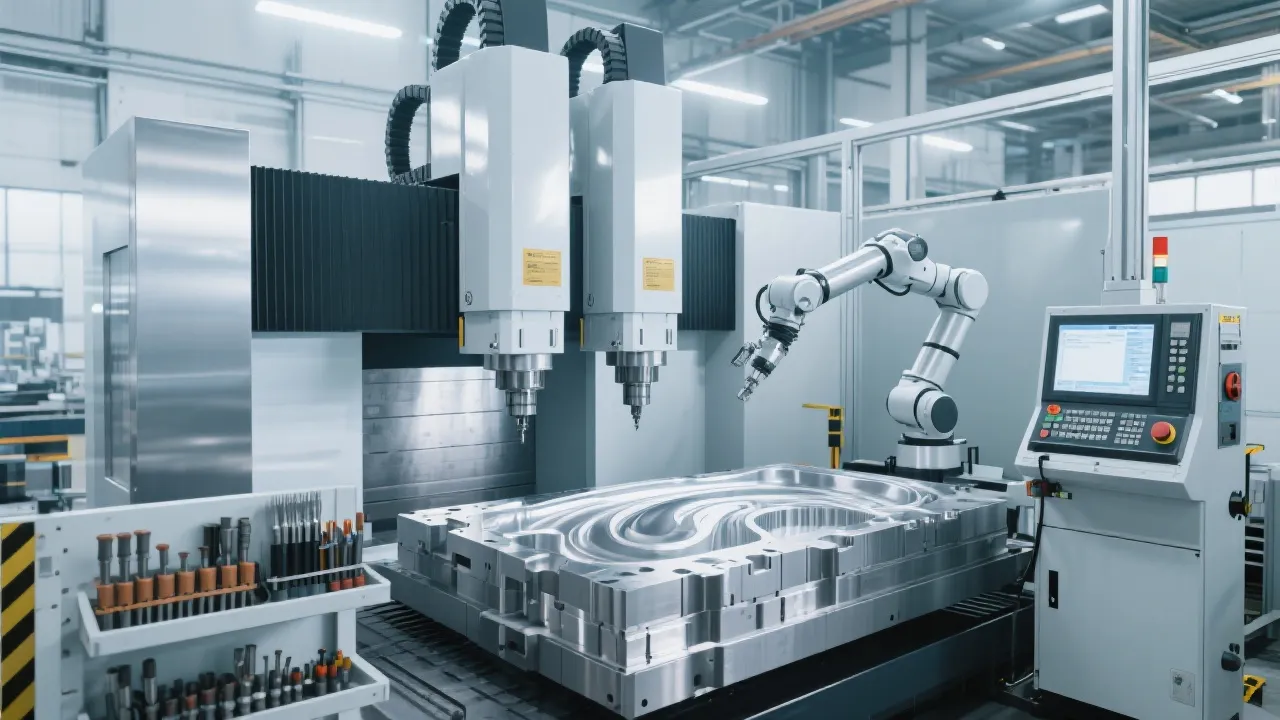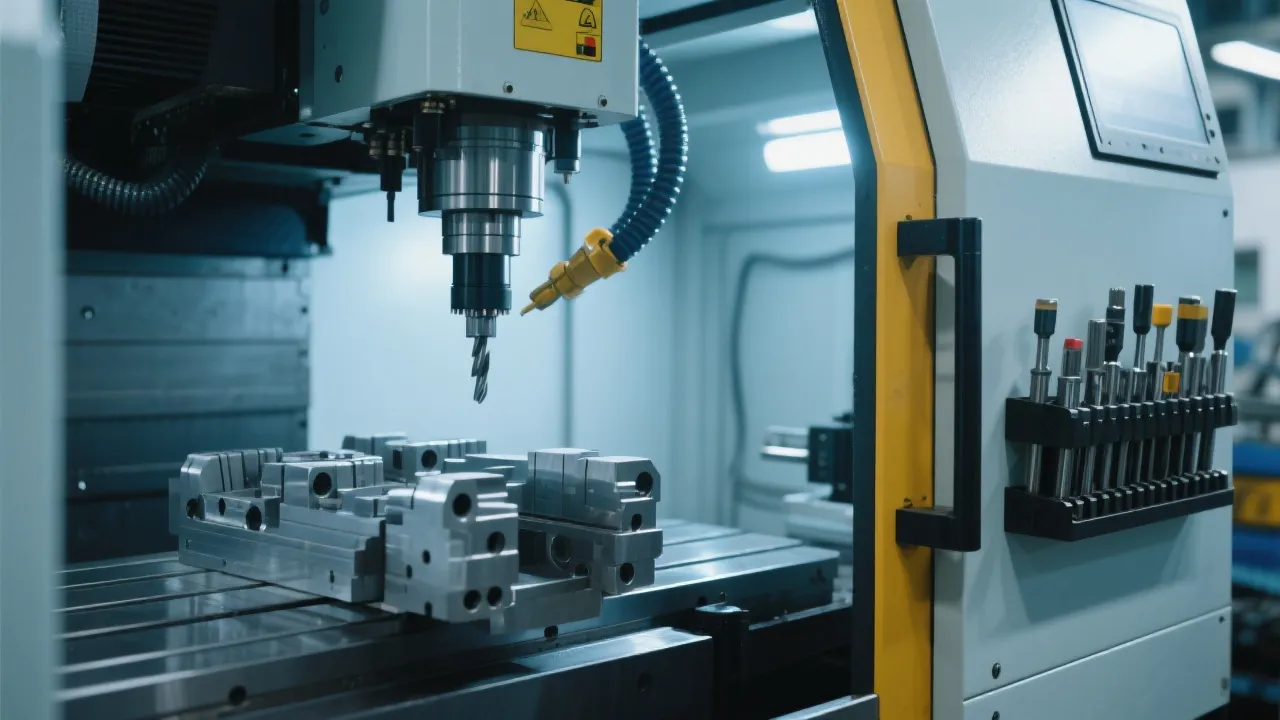
In an industry where 0.1mm can mean the difference between a masterpiece and a discarded project, traditional hand engraving methods struggle to meet the demands of modern craft production. A recent survey among 500 professional craftsmen revealed that 78% cite "inconsistent precision" and 65% point to "production inefficiency" as their primary challenges. This is where mini CNC milling machines have emerged as game-changers, bridging the gap between artistic expression and technical perfection.
Craft engraving has long been celebrated for its artisanal value, but traditional methods present significant hurdles:
These challenges become particularly pronounced in high-demand scenarios, such as custom order fulfillment or heritage restoration projects where precision is non-negotiable.
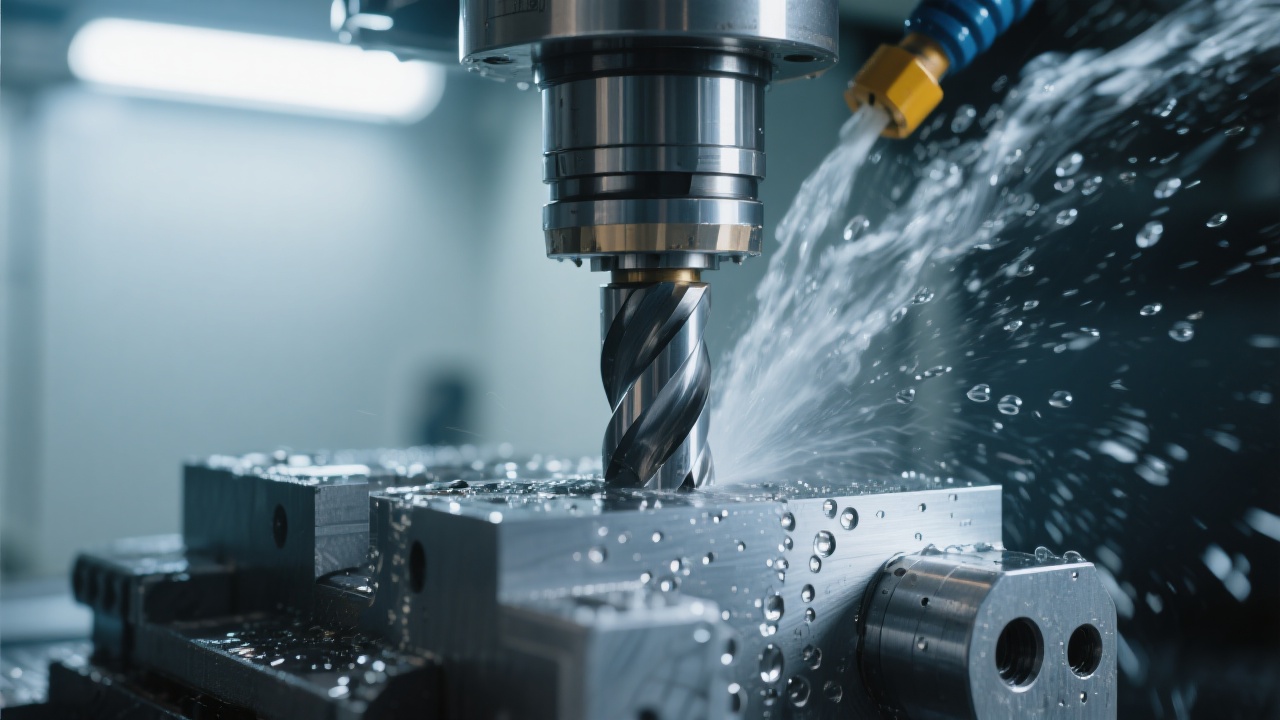
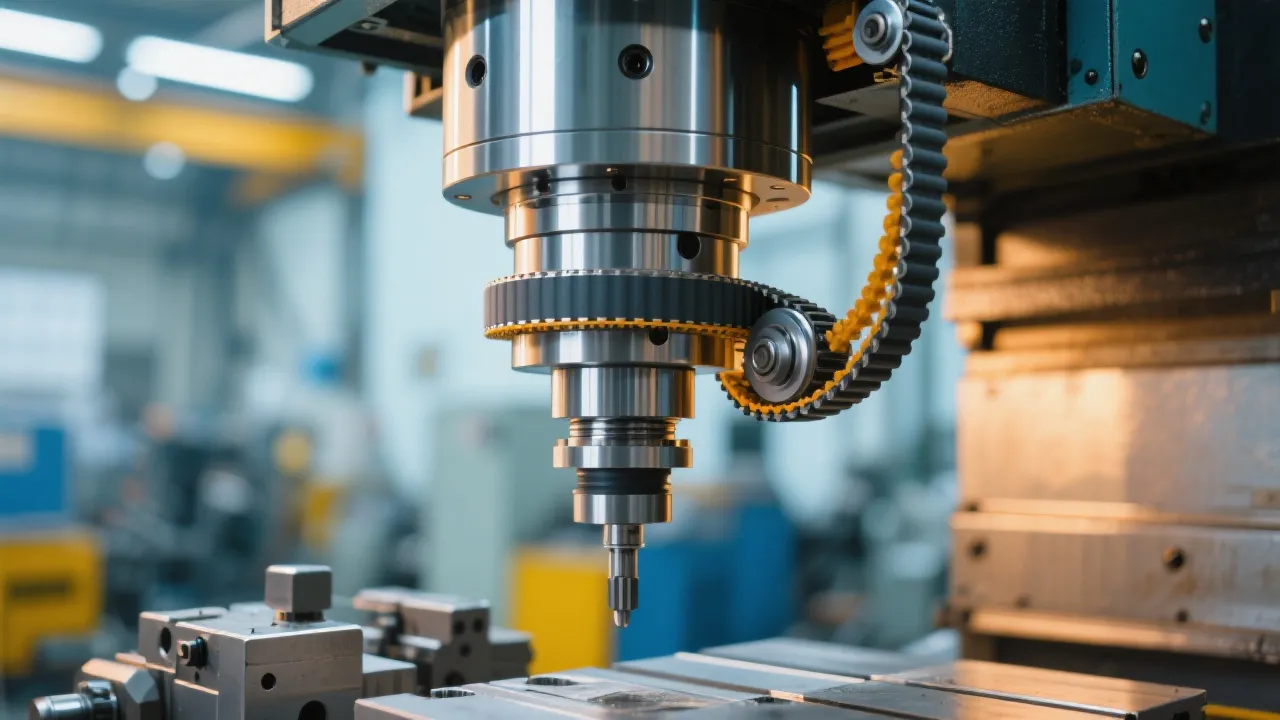
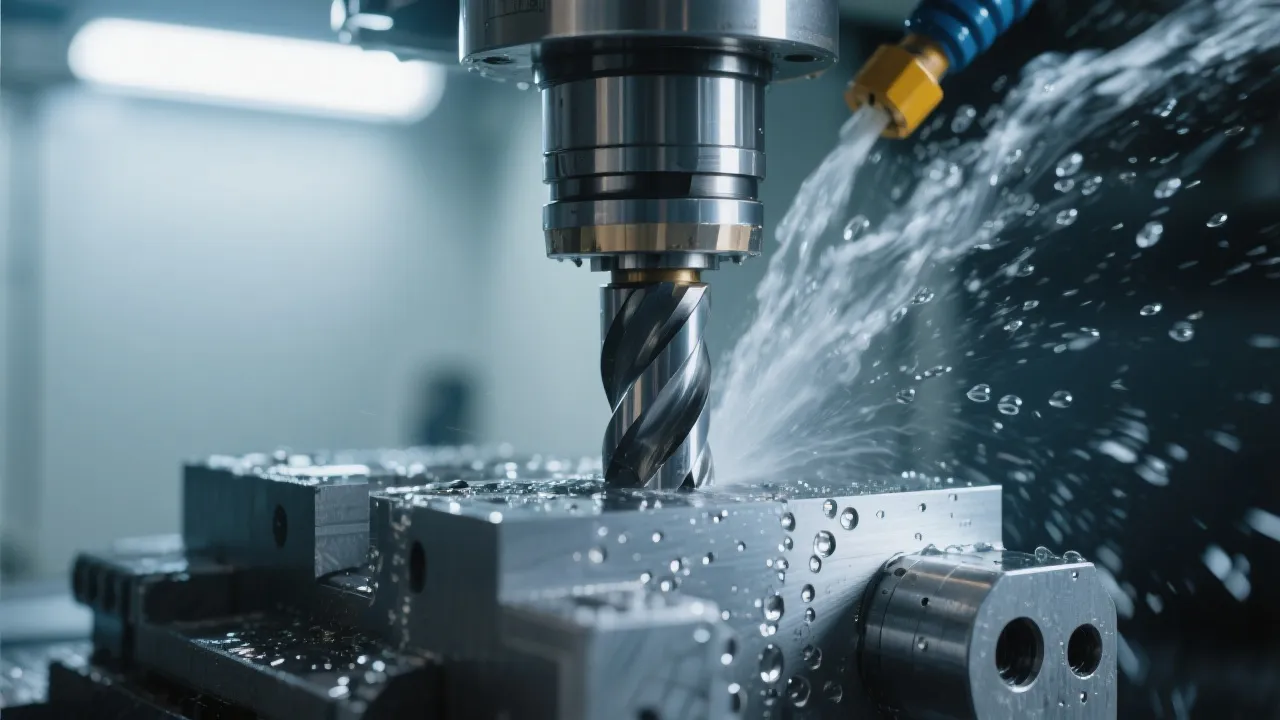
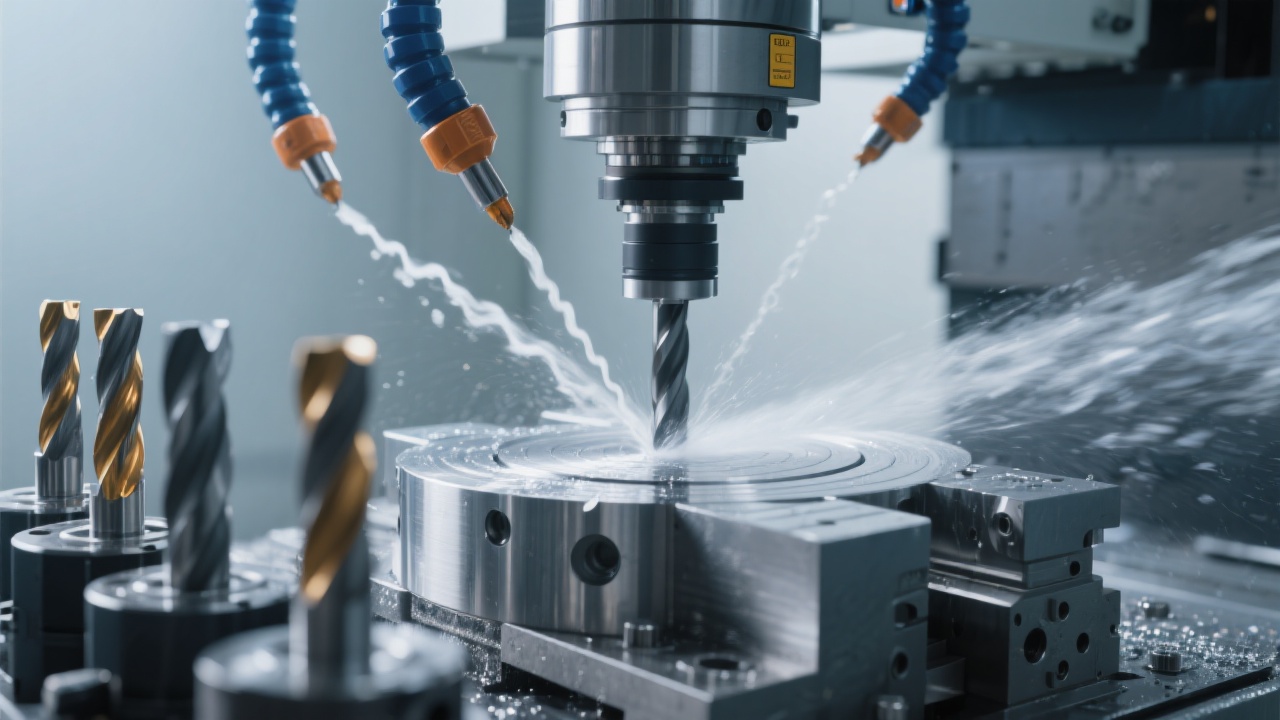
The relationship between material and tooling directly impacts results. For hardwood crafts, carbide end mills with 30° helix angles reduce chip buildup by 40% compared to standard tools. For delicate materials like jade or bone, diamond-tipped engraving bits provide the necessary hardness while minimizing material fracture.
KaiBo CNC recommends their specialized craft engraving toolset, which includes 12 precision bits calibrated for common artistic materials, reducing tool changeover time by 25%.
Advanced CAM software allows for optimized tool paths that mimic natural hand movements while maintaining digital precision. Implementing adaptive clearing strategies can reduce machining time by up to 35% on complex relief carvings. The key lies in balancing raster and vector paths—raster for organic textures and vector for sharp, precise lines.
Each material demands specific handling. For example:
These parameters, when precisely calibrated, can reduce material waste by up to 40% while improving surface finish quality.
The Heritage Craft Restoration Studio in Suzhou implemented mini CNC milling technology for their classical furniture restoration projects. The results were striking: restoration time for intricate dragon patterns decreased from 16 hours to 3.5 hours per piece, with error margins reduced from ±0.5mm to ±0.05mm. Most importantly, the digital archives created allow for perfect replication of endangered traditional patterns.
In the commercial sector, ArtisanCraft Creations reports a 60% increase in custom order capacity after integrating CNC technology, while maintaining the artistic integrity that defines their brand. Their artisans now focus on design refinement rather than repetitive cutting, resulting in 35% more new design iterations monthly.
Even with advanced equipment, error prevention requires systematic attention:
Ready to bridge traditional craftsmanship with digital precision? Download our exclusive "Craft Engraving Parameter Handbook" featuring material-specific settings, tool selection guides, and error prevention techniques developed specifically for artistic applications.
Access Your Free CNC Crafting GuideJoin over 2,000 craftsmen who have transformed their production capabilities with KaiBo CNC technology
As the craft industry evolves, the integration of digital tools doesn't replace the artisan's touch—it elevates it. By combining traditional artistic sensibilities with the precision of CNC technology, craftsmen are creating works that were previously impossible, preserving cultural heritage while meeting modern production demands. The key is not to choose between tradition and technology, but to harness their synergistic potential.