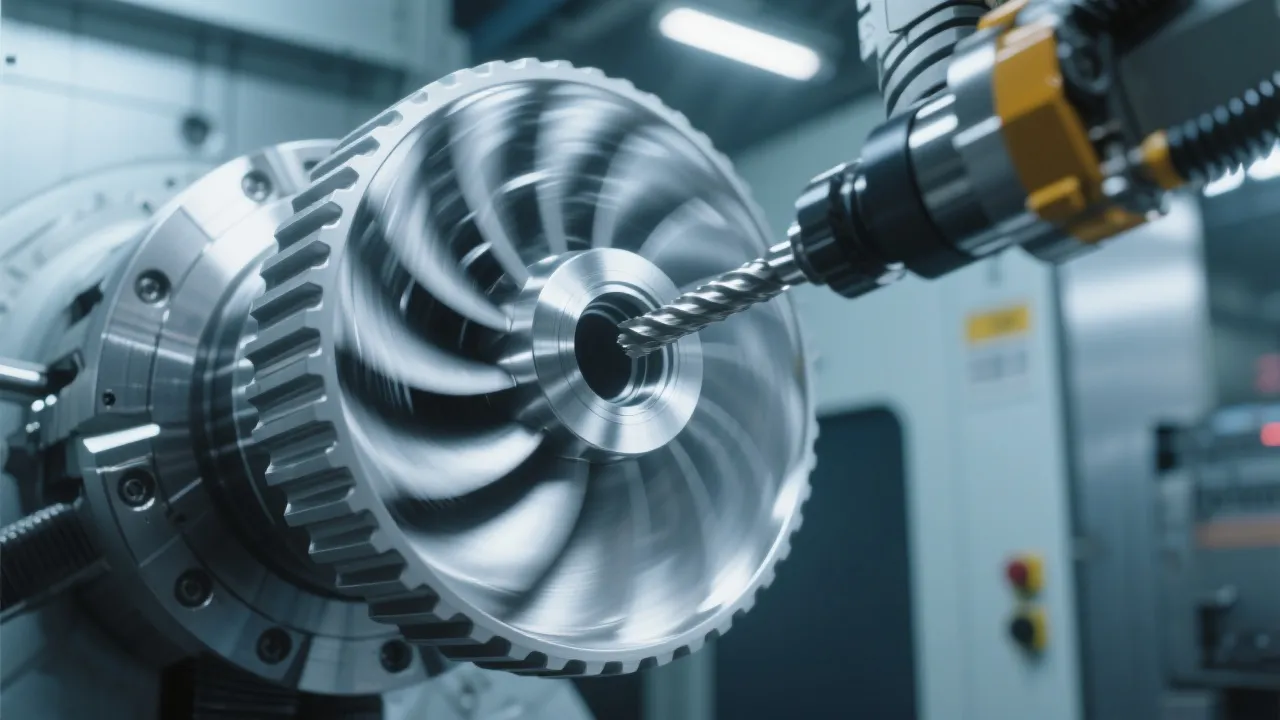
In the highly competitive mold manufacturing industry, the demand for high - precision and high - efficiency machining is ever - increasing. High - speed CNC milling machines have emerged as a key solution to meet these demands. They can significantly reduce machining time, improve the surface quality of molds, and enhance the overall manufacturing efficiency. According to industry statistics, in the past decade, the use of high - speed CNC milling machines has increased the productivity of mold manufacturing by approximately 30% - 50%.
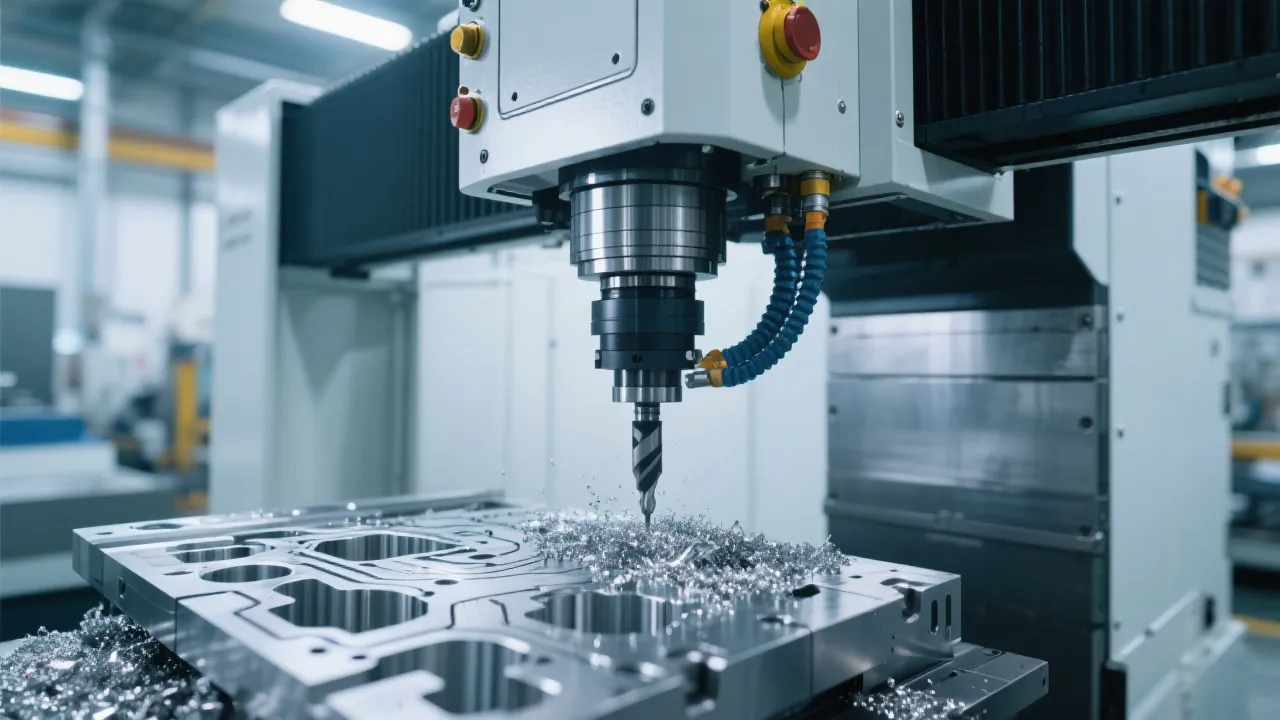
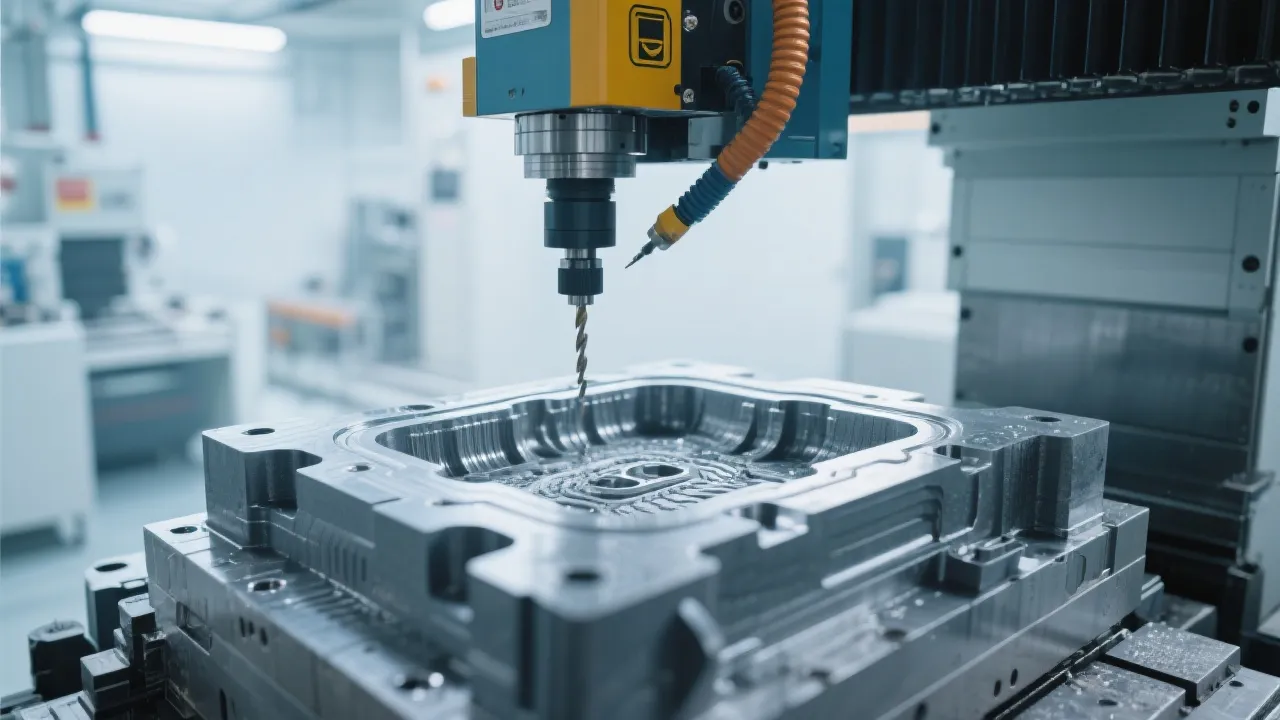
The GJ8070 high - speed vertical machining center from Ningbo Kaibo CNC Machinery Co., Ltd. is a prime example of advanced high - speed CNC milling technology. It is designed to address the complex requirements of modern mold manufacturing, offering high precision and speed to meet the strict quality standards of the industry.
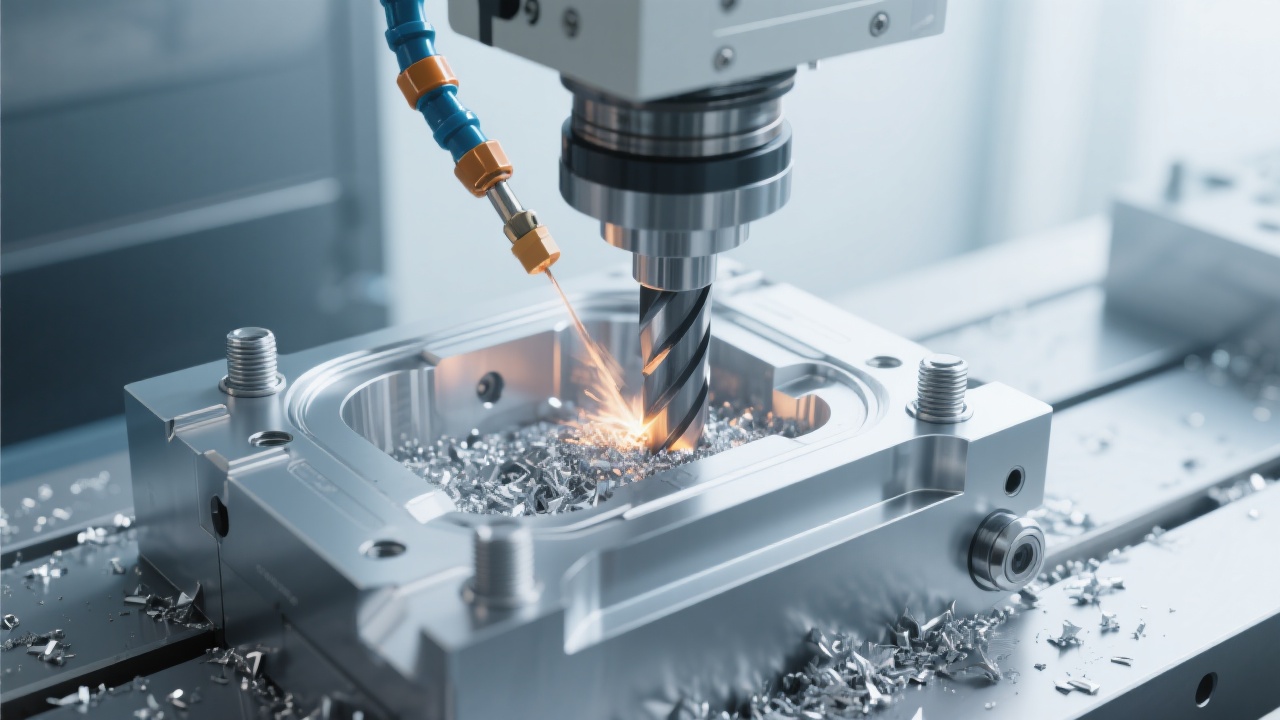
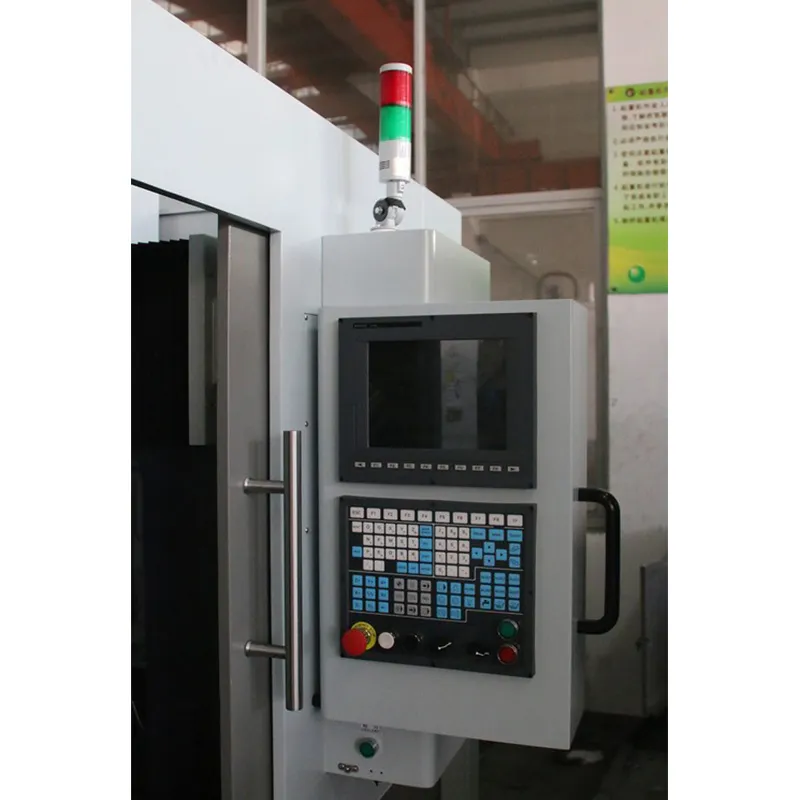
The GJ8070 is equipped with the world - renowned Fanuc control system. This system provides high - level programming flexibility and precise motion control. It can accurately control the movement of the spindle and the tool, ensuring that the machining process is carried out with high precision. For example, it can control the position accuracy within ±0.005mm, which is crucial for achieving the required surface roughness and dimensional tolerance of molds.
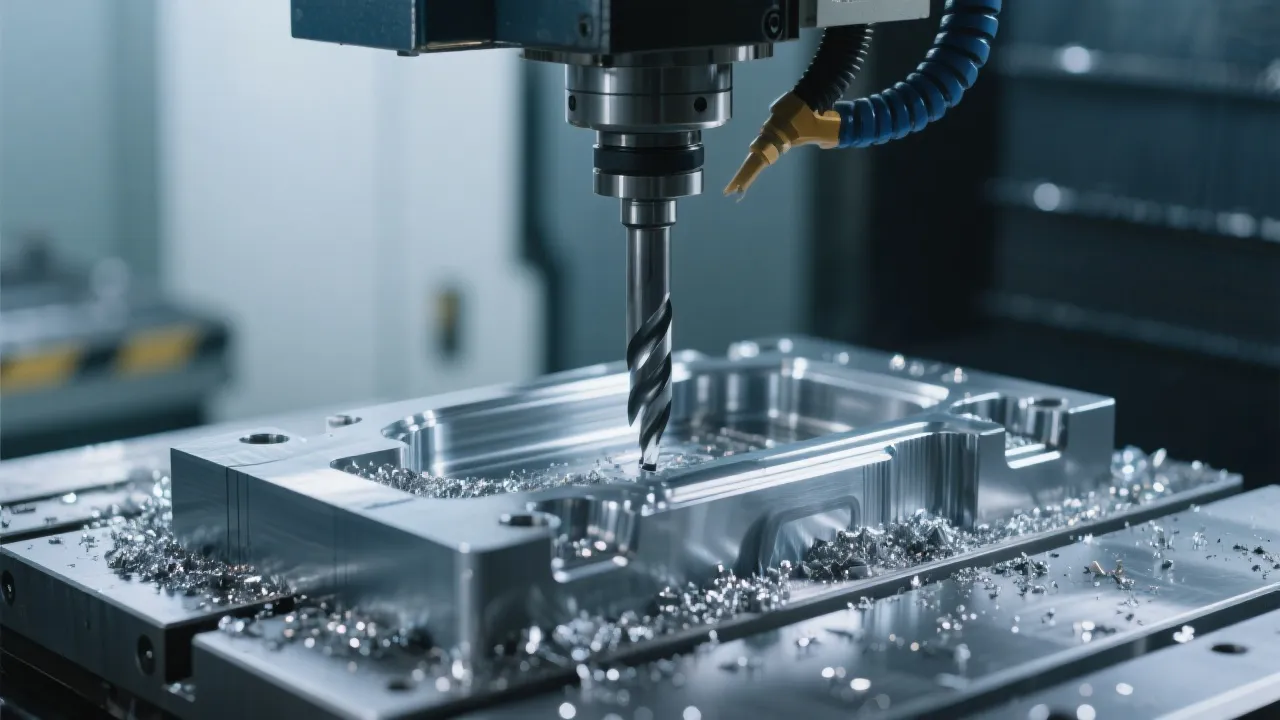
The HSK high - speed spindle on the GJ8070 offers several advantages. It has a high rotational speed, which can reach up to 12,000 - 18,000 RPM, enabling high - speed machining. The high - speed spindle also has excellent dynamic balance, which reduces vibration during machining. This not only improves the surface finish of the mold but also extends the service life of the tool. Research shows that using an HSK high - speed spindle can reduce tool wear by about 20% - 30% compared to traditional spindles.
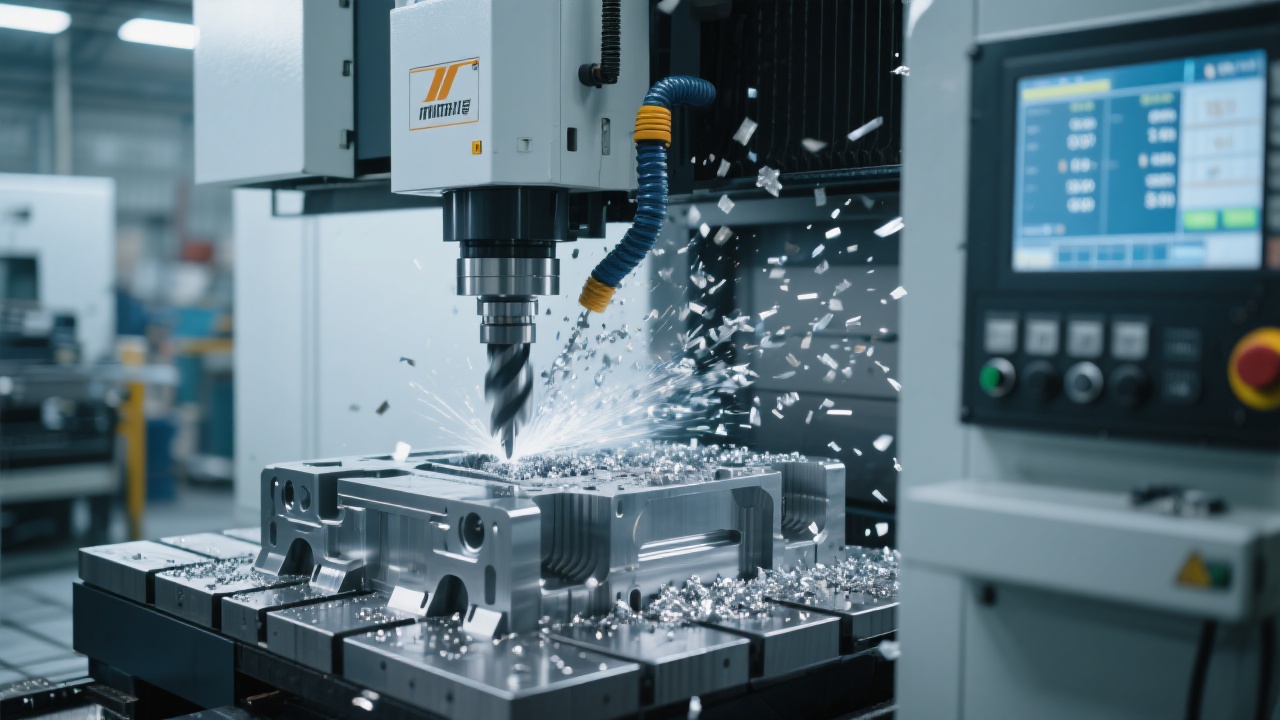
Machining parameters such as cutting speed, feed rate, and depth of cut have a significant impact on thermal deformation and vibration during the machining process. Improper parameter settings can lead to excessive heat generation, which causes thermal deformation of the workpiece and the machine tool. This can result in dimensional errors and poor surface quality of the mold.
For example, if the cutting speed is too high, it will generate more heat, increasing the risk of thermal deformation. On the other hand, if the feed rate is too low, the machining efficiency will be reduced. Therefore, it is necessary to optimize the machining parameters according to the specific material of the workpiece, the type of tool, and the requirements of the machining process.
Let's take a real - world case. A mold manufacturing company was facing problems with the surface roughness and dimensional accuracy of their molds when using a traditional machining method. After switching to the GJ8070 high - speed vertical machining center and optimizing the machining parameters, they achieved remarkable results. The surface roughness of the mold was reduced from Ra 3.2μm to Ra 0.8μm, and the dimensional tolerance was controlled within ±0.01mm. This not only improved the quality of the mold but also increased the production efficiency by 40%.
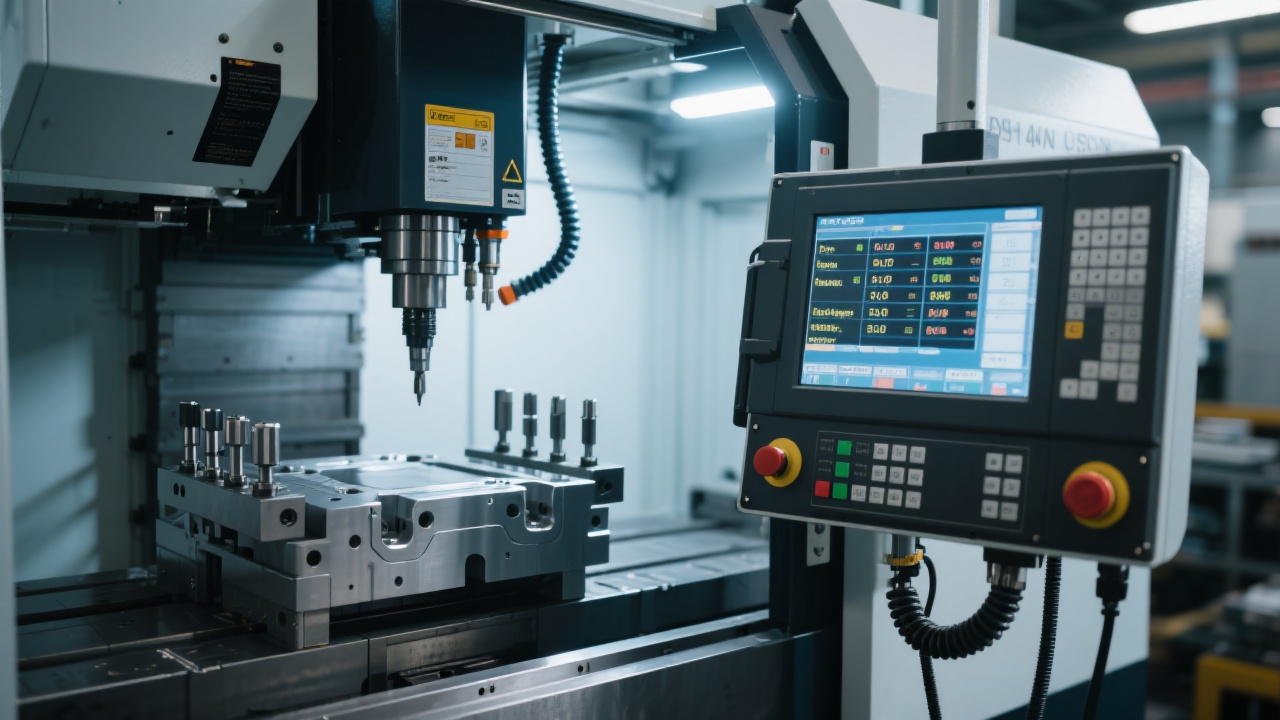
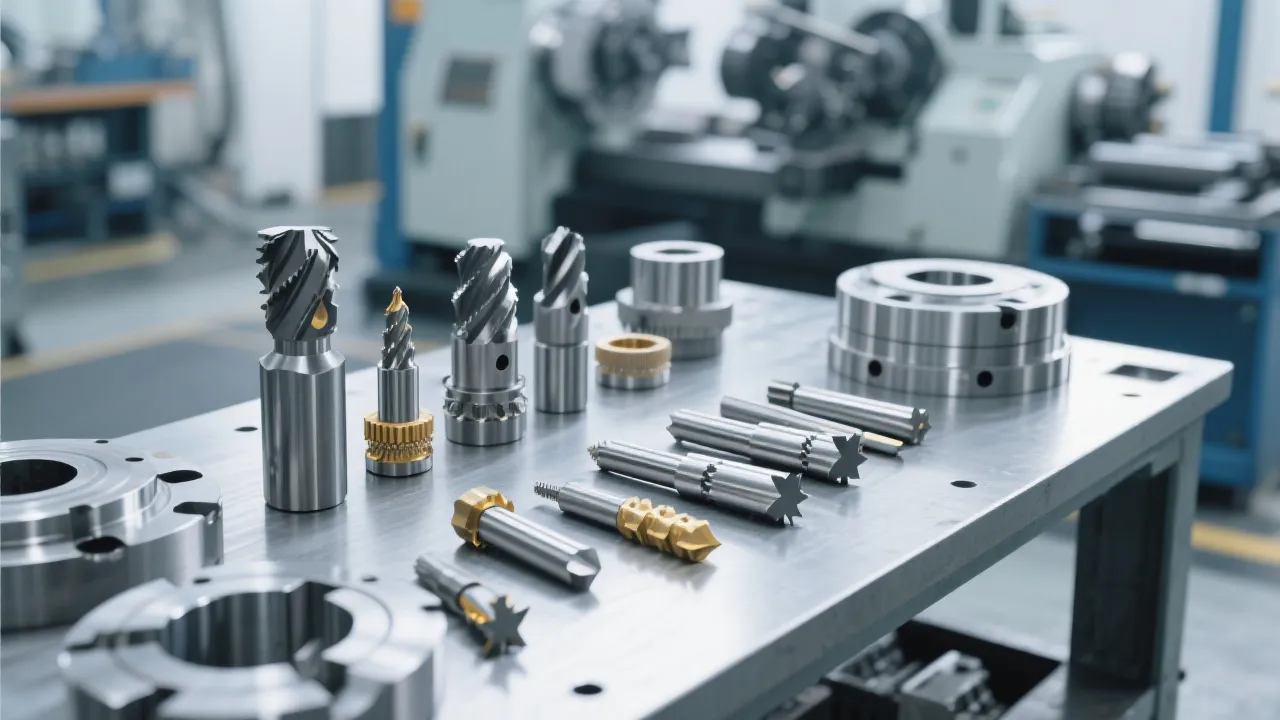
The selection of tool materials and cutting fluids is crucial for achieving optimal machining results. Different tool materials have different hardness, wear resistance, and heat resistance. For example, carbide tools are widely used in high - speed machining due to their high hardness and wear resistance. They can maintain good cutting performance at high temperatures.
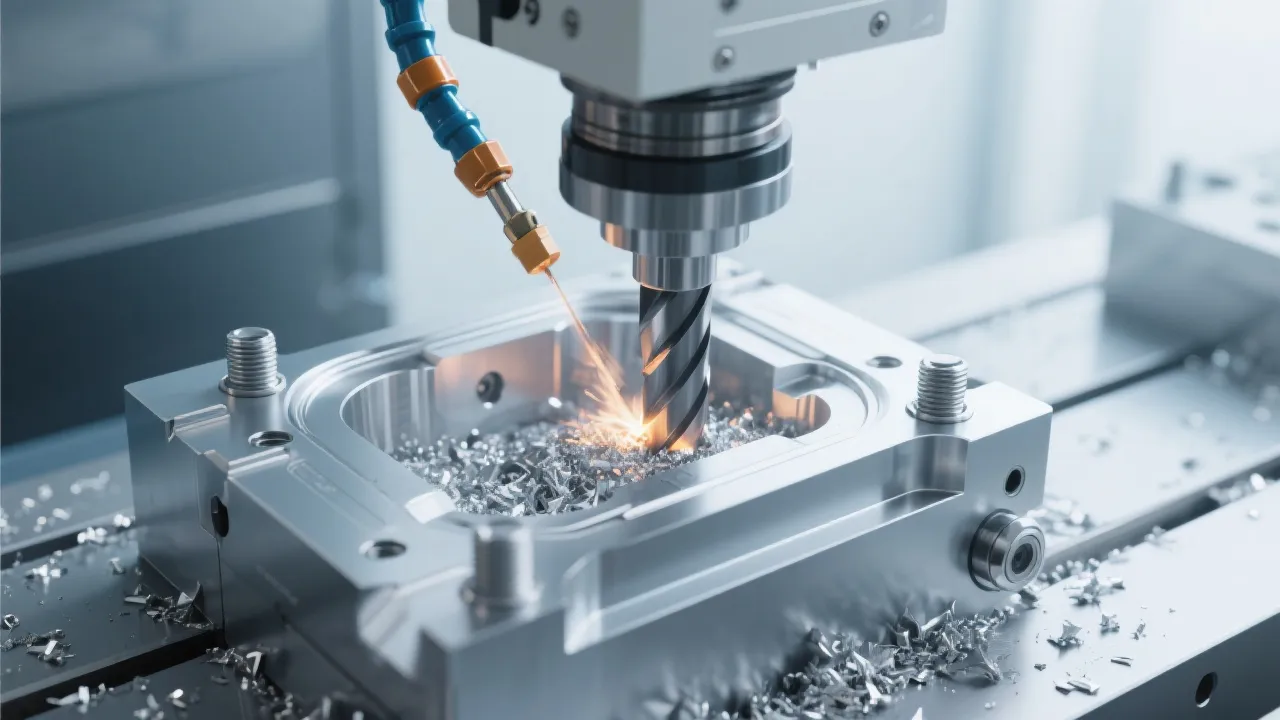
Cutting fluids also play an important role. They can cool the tool and the workpiece, reduce friction, and flush away chips. The right cutting fluid can improve the surface quality of the mold, reduce tool wear, and prevent corrosion. When selecting a cutting fluid, factors such as the type of workpiece material, the cutting process, and the environmental requirements need to be considered.
To ensure that the finished molds meet the strict size tolerance and surface quality standards, a comprehensive quality control system is necessary. This includes in - process inspection, post - process inspection, and continuous process adjustment. For example, using advanced measurement equipment such as coordinate measuring machines (CMM) to measure the dimensions of the mold in real - time, and adjusting the machining parameters accordingly if any deviations are found.
In addition, continuous improvement of the manufacturing process is also important. By analyzing the data collected during the machining process, manufacturers can identify areas for improvement and implement corresponding process adjustment strategies to further enhance the quality and efficiency of mold manufacturing.
Are you struggling with mold manufacturing challenges? The GJ8070 high - speed vertical machining center from Ningbo Kaibo CNC Machinery Co., Ltd. can be your ideal solution. Click here to learn more about how it can optimize your mold manufacturing process!