In the field of mold manufacturing, the precision and stability of equipment are of utmost importance. High - precision molds are crucial for industries such as automotive, electronics, and aerospace. A single deviation can lead to significant defects in the final products. For instance, in the automotive industry, the precision of mold manufacturing can affect the overall performance and safety of vehicles. Research shows that a precision error of more than 0.05mm in mold manufacturing can reduce the product qualification rate by up to 20%.
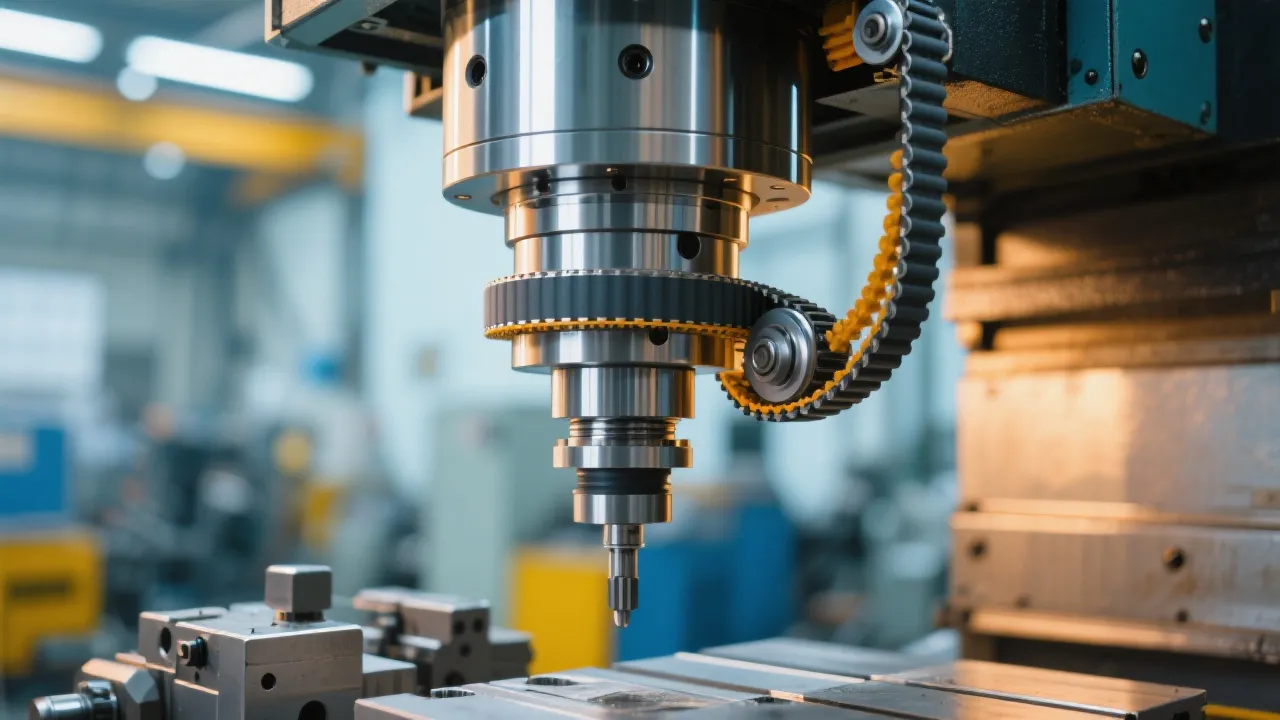
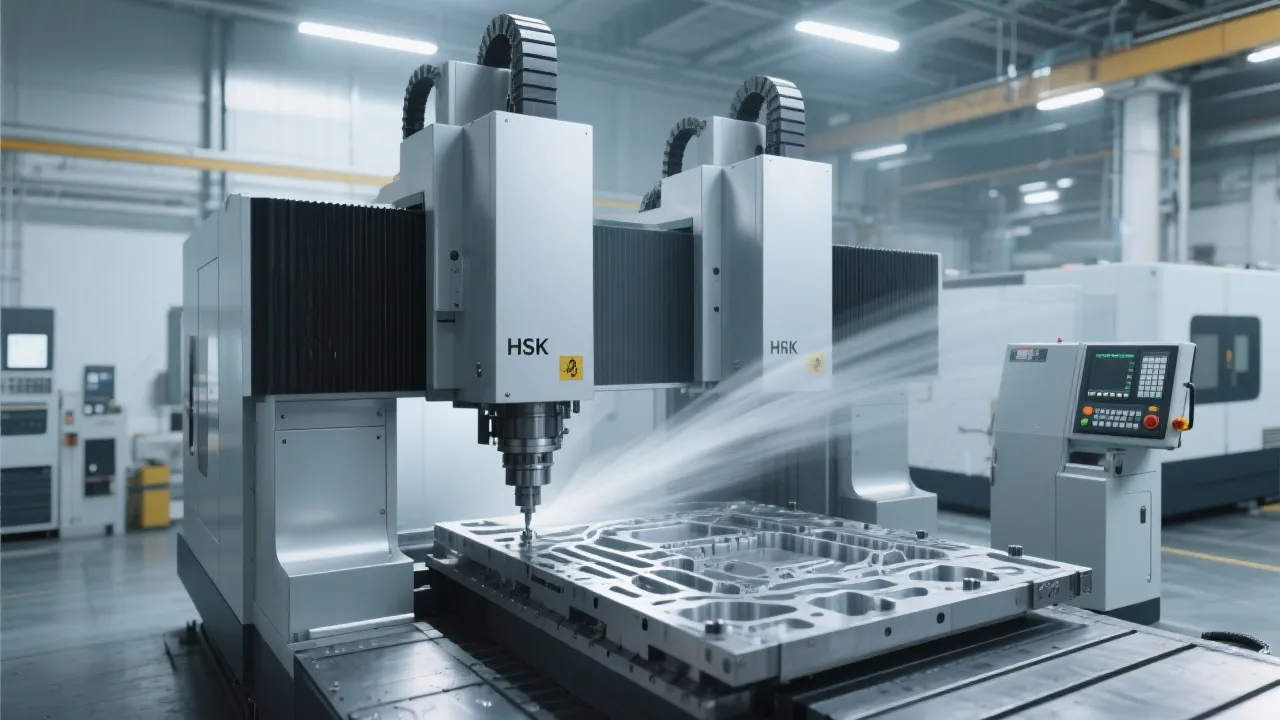
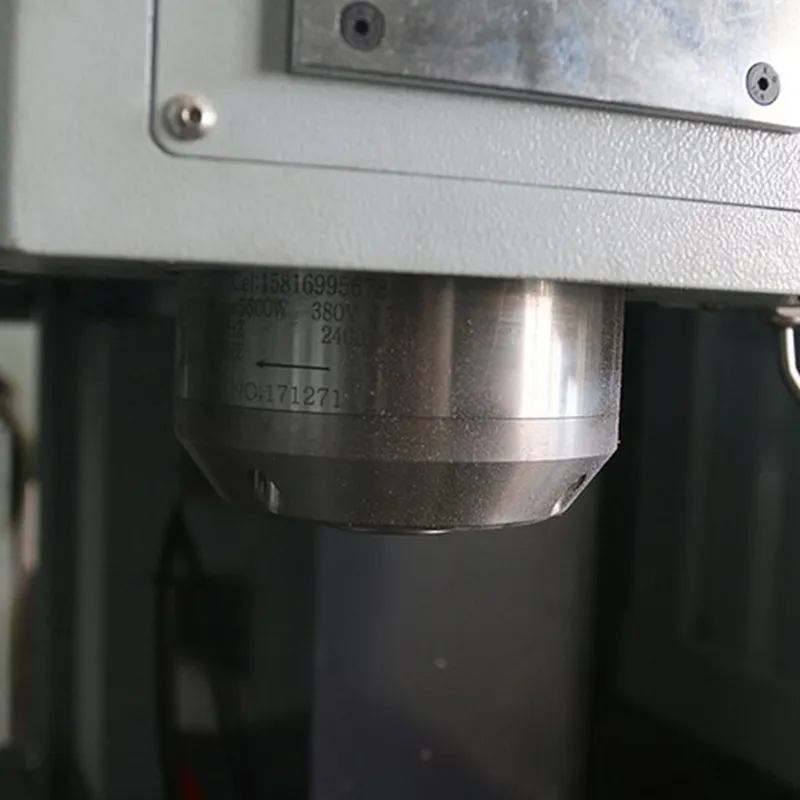
High - speed vertical machining centers, like the GJ8070, are equipped with advanced technologies. The Fanuc control system, one of the most reliable in the industry, enables precise control of processing parameters. The HSK high - speed spindle can rotate at speeds up to 18000 RPM, which significantly improves the processing efficiency. These features have a direct impact on the surface quality and dimensional tolerance of the mold. A smoother surface finish can reduce the need for secondary processing, and tighter dimensional tolerances ensure the accuracy of the final product. Studies indicate that using a high - speed vertical machining center can improve the surface finish by up to 30% and reduce dimensional tolerance by up to 0.02mm.
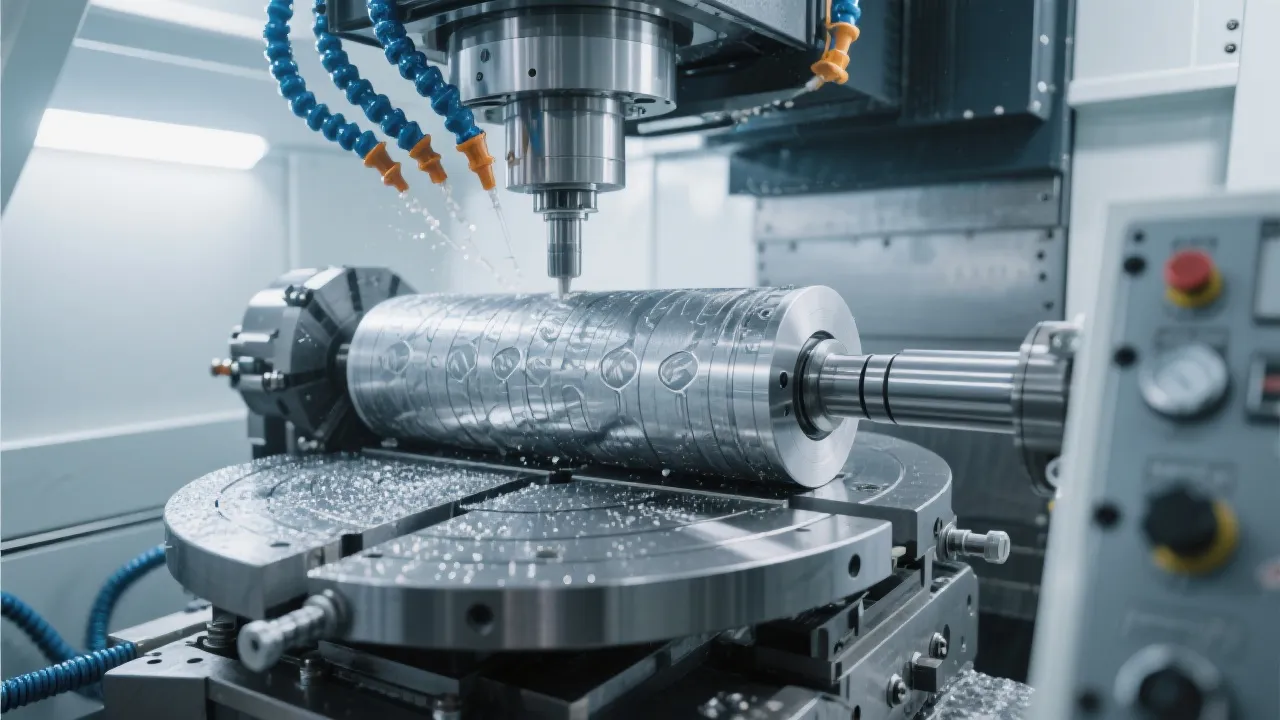
The interaction between tool materials and cutting fluid is a complex yet key factor in mold manufacturing. Different tool materials, such as carbide, ceramic, and PCD, have different properties. Carbide tools are known for their high hardness and wear resistance, while ceramic tools can withstand high temperatures. Similarly, water - soluble, oil - based, and semi - synthetic cutting fluids have their own advantages in terms of cooling, lubrication, and corrosion prevention. A well - matched combination of tool material and cutting fluid can effectively manage heat during the machining process, reducing tool wear and extending tool life. For example, using a carbide tool with a water - soluble cutting fluid in a high - speed machining process can reduce tool wear by up to 40%.

In practical mold manufacturing, vibration and thermal deformation are common problems that can affect the quality of the mold. Through parameter optimization, such as adjusting the cutting speed, feed rate, and depth of cut, these issues can be effectively mitigated. For example, in a case study of a mold manufacturing plant, by optimizing the process parameters of the GJ8070 high - speed vertical machining center, the vibration amplitude was reduced by up to 50%, and the thermal deformation was controlled within 0.03mm. This significantly improved the accuracy and surface quality of the mold.
A well - designed quality control process is essential for ensuring the consistency of mold products. Starting from the first - piece inspection, the quality of each mold is strictly monitored. This involves a series of inspections, including dimensional measurement, surface quality inspection, and hardness testing. By continuously adjusting the process parameters based on the inspection results, batch stability can be ensured. For example, a company that implemented a comprehensive quality control process for mold manufacturing using the GJ8070 reduced the batch non - conformity rate from 5% to 1%.
The GJ8070 high - speed vertical machining center has shown excellent performance in mold finishing. It can not only improve processing efficiency but also ensure high - quality mold products. According to customer feedback, many companies have achieved significant improvements in production efficiency and product quality after using the GJ8070. One customer said, "The GJ8070 has helped us reduce the mold processing time by 35% and improve the product qualification rate to over 98%."
If you are looking to enhance the efficiency and quality of your mold manufacturing, don't miss out on the GJ8070 high - speed vertical machining center.
Book a Free GJ8070 On - site Demo Now